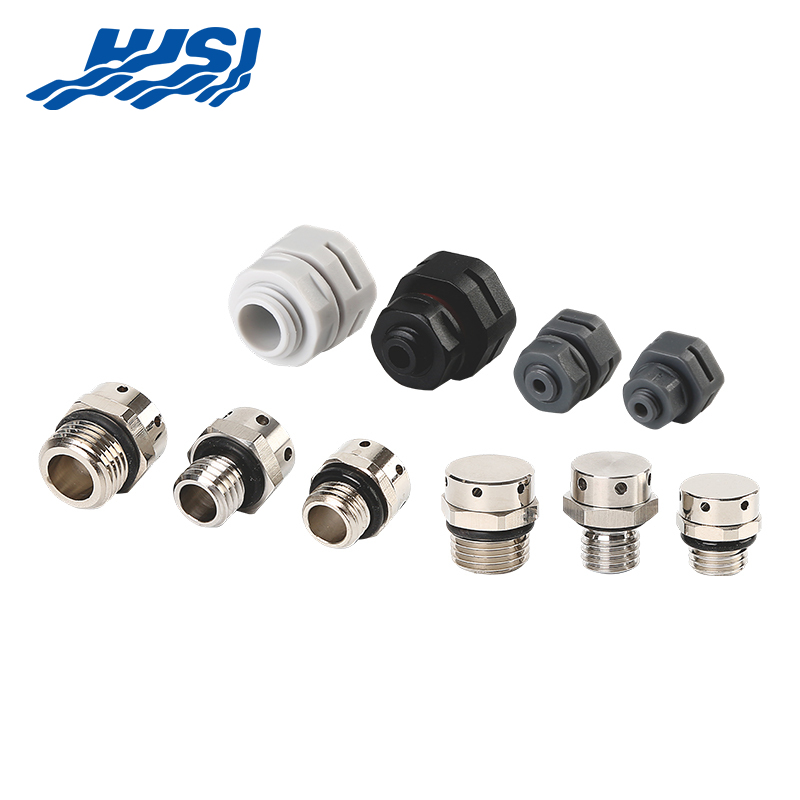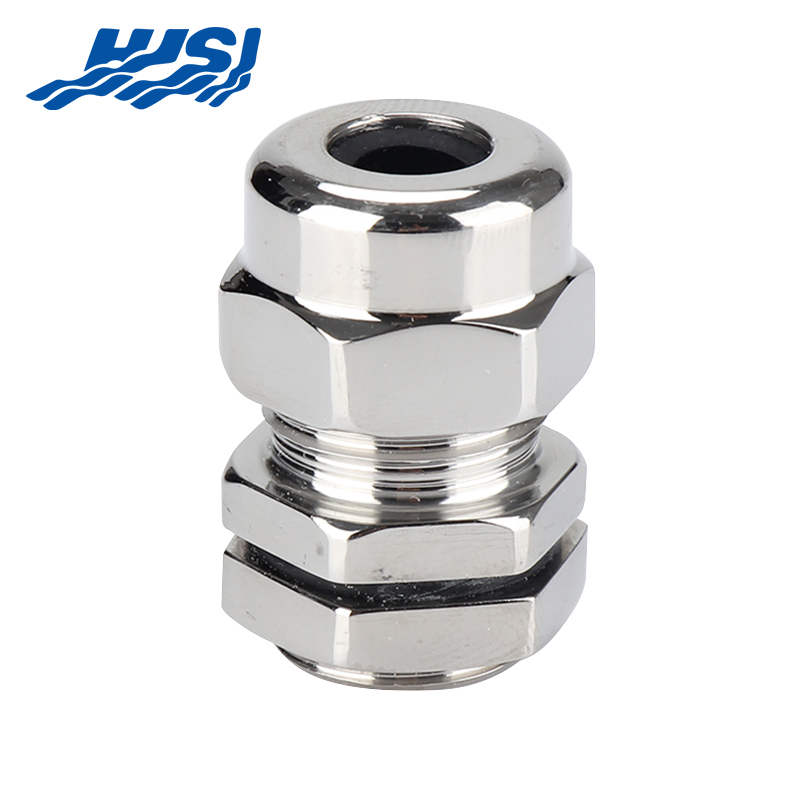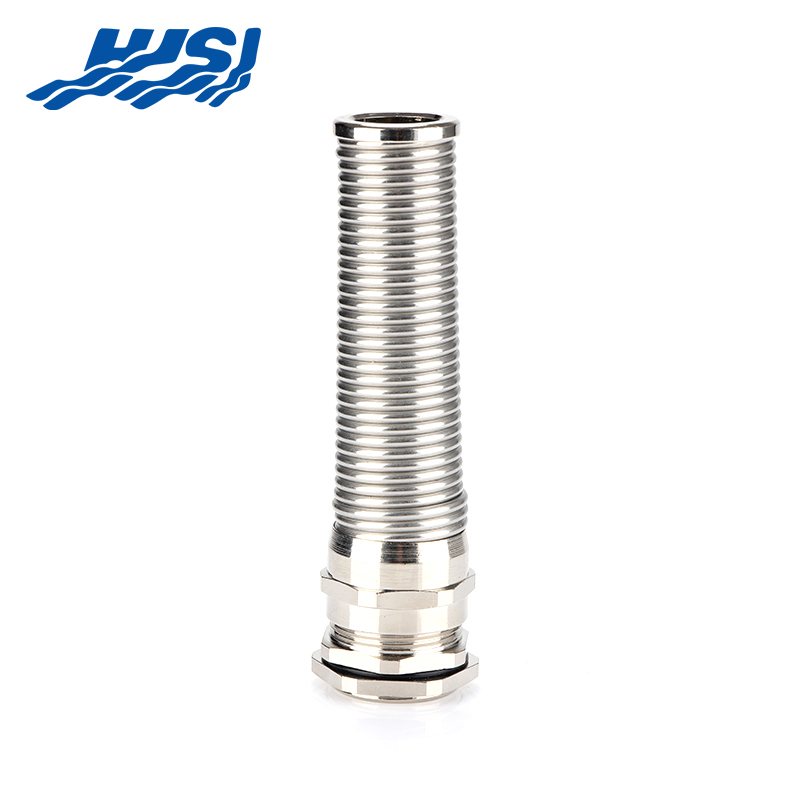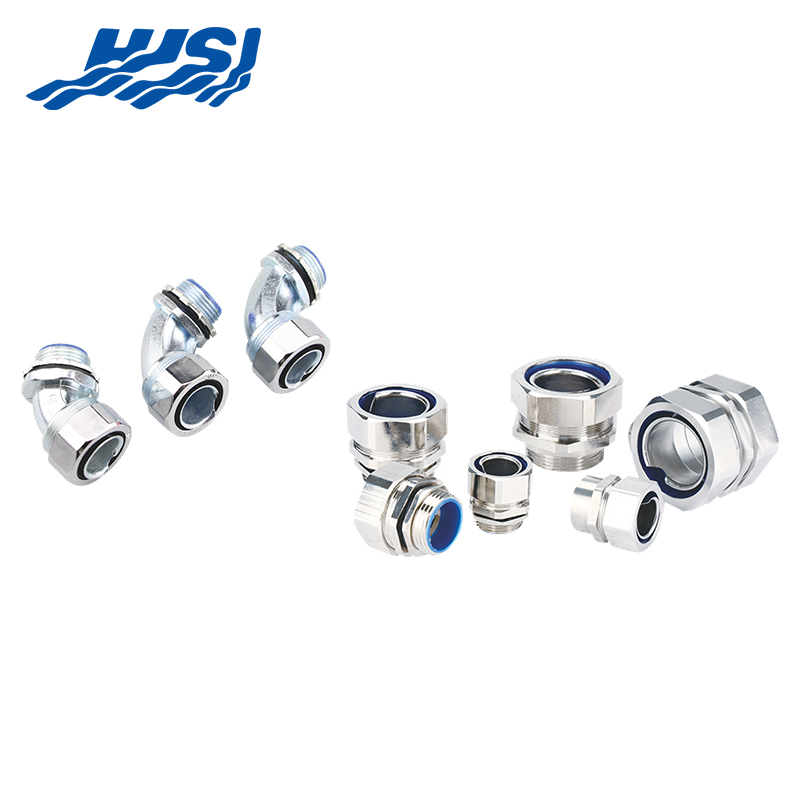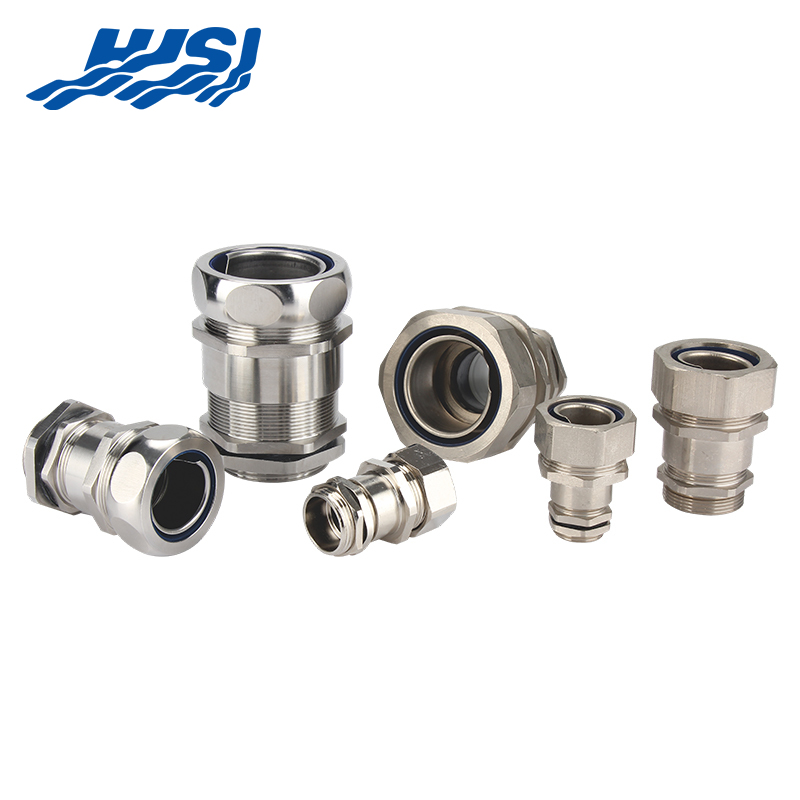
Cable glands perform several basic but essential tasks in electrical and instrumentation installations: they secure cables against pull-out, provide a defined electrical grounding path when needed, maintain the enclosure's environmental protection rating, and often contribute to strain relief of the cable itself. When the discussion turns to material choice, Plastic Cable Gland represent one of the two dominant categories alongside metallic versions.
Many industrial environments expose cable entry points to substances that interact unfavourably with metallic materials. Typical examples include:
Metals, even those classified as corrosion-resistant, almost always suffer some form of degradation in the presence of these substances over extended periods. The degradation may take the form of pitting, crevice corrosion, stress-corrosion cracking, uniform thinning, galvanic corrosion (when dissimilar metals are in contact), or loss of passivation layer integrity. Once initiated, corrosion processes often accelerate rather than slow down.
| Substance | Examples | Typical Corrosion Effects on Metals |
|---|---|---|
| Mineral acids | Dilute & concentrated (HCl, H₂SO₄, HNO₃ 等) | Pitting, uniform thinning, rapid attack |
| Caustic solutions | Sodium hydroxide, potassium hydroxide | Stress-corrosion cracking, uniform corrosion |
| Ammonium compounds | Ammonia solutions, ammonium salts | Stress-corrosion cracking (especially stainless) |
| Chloride-containing atmospheres | Marine/coastal, de-icing salt, pool areas | Pitting, crevice corrosion, stress-corrosion cracking |
| Hydrogen sulphide-bearing gases | Sewage treatment, oil & gas, biogas | Sulphide stress cracking, pitting |
| Organic solvents & process fluids | Various hydrocarbons, ketones, alcohols | Selective corrosion, loss of passivation, swelling |
Engineering plastics selected for cable gland bodies and nuts are chosen precisely because they exhibit very limited chemical interaction with a wide range of industrial chemicals. Depending on the polymer family, the material may show:
This chemical stability frequently results in longer undisturbed service life before replacement becomes necessary. In applications where access for inspection and maintenance is difficult or expensive (tanks, vessels, buried conduits, offshore platforms, elevated pipe racks), extended service intervals represent a substantial economic benefit.
A second significant difference concerns electrical conductivity. Metal glands conduct electricity, which creates several concerns in areas classified as hazardous due to the possible presence of flammable gases, vapours, combustible dusts or ignitable fibres. Even when the installation follows bonding and grounding requirements, metal components can become part of unintended current paths during fault conditions or lightning events. Plastic glands, being fundamentally insulating, remove the possibility of the gland itself serving as a source of ignition through electrical fault current.
A related aspect is electrostatic discharge risk. In atmospheres where static electricity can accumulate (handling of powders, certain liquid hydrocarbons, very dry conditions), isolated conductive parts represent a potential source of incendive sparks. While antistatic and electrically conductive plastic compounds exist for specialised applications, standard insulating plastic glands avoid the conductivity-related concerns associated with metal components.
Weight is another practical difference that becomes noticeable in large projects. A complete plastic gland assembly usually weighs considerably less than a metal gland of comparable thread size and functional capability. In projects involving hundreds or thousands of cable entries, the accumulated weight saving can influence:
Thermal conductivity represents yet another area of difference. Metals transfer heat readily. In situations where an enclosure contains temperature-sensitive equipment and is mounted in a hot ambient environment (near furnaces, steam lines, solar-exposed surfaces, hot process piping), the high thermal conductivity of metal glands can contribute to unwanted heat flow into the enclosure. Plastics generally provide a significantly higher degree of thermal insulation, reducing this unwanted heat transfer.
Vibration and cyclic mechanical loading behaviour also varies between the material classes. Certain metals develop fatigue cracks after repeated loading cycles, particularly when vibration levels are moderate to high. Many engineering plastics used in cable gland applications exhibit useful fatigue resistance under comparable loading conditions, partly because their viscoelastic nature allows them to dissipate vibrational energy rather than transmit it directly to critical sections.
Cost structure should be considered realistically rather than as an absolute advantage. High-performance corrosion-resistant metals (certain stainless steel grades, nickel alloys, titanium) remain expensive raw materials. Many engineering plastics suitable for aggressive chemical environments benefit from large production volumes in other sectors, resulting in more stable pricing. Additionally, the dominant manufacturing method for plastic glands (injection moulding) typically involves lower tooling costs per unit and shorter production cycle times than precision machining, casting or forging of metal parts.
It is important to state clearly that metal glands retain advantages in applications that demand:
The decision between plastic and metal therefore requires an honest assessment of the dominant degradation mechanisms and performance requirements at the specific installation location.
When a plastic cable gland is intended for years of exposure to outdoor weather, the dominant degradation mechanisms are different from those found in chemically aggressive indoor environments. The key factors that influence long-term performance outdoors are:
The polymer families most frequently encountered in outdoor-rated plastic cable glands belong to three main groups:
Each family has characteristic strengths and limitations when evaluated for extended outdoor service.
Polyamides generally provide good mechanical strength, excellent abrasion resistance and reasonable resistance to many common chemicals. Standard polyamides absorb atmospheric moisture to a noticeable degree, which can cause reversible dimensional change and some reduction in mechanical properties. For outdoor service, polyamide grades with reduced moisture absorption, improved hydrolytic stability or hydrophobic surface treatments tend to perform better over extended periods.
Polycarbonate-based materials are valued for their high impact resistance and clarity (when desired). Unmodified polycarbonate suffers quite rapid surface degradation under ultraviolet exposure, developing fine surface crazing that compromises both appearance and mechanical integrity. Modern outdoor-grade polycarbonate compounds incorporate substantial ultraviolet stabilisation packages, making them viable for many years of exterior exposure when the stabilisation system is adequate.
Polypropylene-based formulations have become increasingly common for outdoor cable gland applications. These materials can be engineered to combine:
The quality and quantity of ultraviolet stabilisation constitute one of the single most important factors determining outdoor service life. Several stabilisation strategies are used in practice:
Combinations of UV absorber and HALS systems often provide the best long-term performance because the two classes address different stages of the photodegradation process.
| Property | Description |
|---|---|
| Key advantages | - Low moisture absorption - Good chemical resistance - Acceptable mechanical strength - Good property retention after long UV exposure (when properly stabilised) |
| Most critical factor for outdoor service life | Quality and quantity of ultraviolet stabilisation |
| Main UV stabilisation strategies | 1. UV absorbing additives 2. Hindered amine light stabilisers (HALS) 3. Combination of UV absorbers + HALS 4. High carbon black content (very effective, black colour only) |
| Most effective long-term approach | Combination of UV absorbers and HALS (address different stages of photodegradation) |
Temperature performance across seasonal cycles requires attention to several material characteristics:
Materials that maintain acceptable flexibility at low winter temperatures and resist excessive creep at high summer surface temperatures tend to perform better in regions with significant seasonal variation.
Sealing performance remains fundamental for outdoor applications. The gland must maintain effective protection against:
Design features that contribute to reliable long-term sealing include generous compression range of the sealing element, multiple sealing zones, effective sealing against both smooth and corrugated cable sheaths, and sealing materials that exhibit low compression set over extended time periods.
Strain relief capability also deserves special attention in outdoor installations where cables may experience wind-induced movement or repeated thermal length changes. Adequate grip combined with sufficient flexibility of the sealing element helps prevent damage to cable insulation/sheath from cyclic flexing.
Installation practices significantly influence realised service life in outdoor environments. Correct cable sizing, proper tightening sequence, appropriate torque application, and use of compatible accessories (locknuts, sealing washers, reducers/adapters) all contribute to the long-term reliability of the assembly.
When a plastic cable gland is intended for extended outdoor service, the selection process should give careful attention to:
When these factors are appropriately addressed, plastic cable glands can deliver reliable service for many years in outdoor applications, offering a combination of corrosion immunity, installation convenience, weight advantages and generally favourable cost positioning compared with alternative material choices.
Plastic cable connectors offer a practical and reliable solution for indoor environments with strong chemical corrosives and long-term outdoor applications. Their corrosion resistance, non-conductivity, and lightweight nature, combined with excellent performance under UV radiation, temperature cycling, and various weather conditions, make them a smart choice for many modern installation projects. Companies like Zhejiang HJSI Connector Co., Ltd., specializing in developing engineered plastic products for demanding cable management applications, have earned a strong reputation for their superior material properties, reliable sealing designs, and application-oriented R&D capabilities. These advantages make them a preferred partner for projects requiring reliable cable access solutions.

2nd Floor, Building 2, No. 188, Punan 3rd Road, Economic Development Zone, Yueqing City, Wenzhou City, Zhejiang Province, China

Copyright @ Zhejiang HJSI Connector Co., Ltd. All rights reserved.

China Waterproof Breathable Valve Manufacturer
 +86-15858552966
+86-13356176555
+86-15858552966
+86-13356176555
 English
 русский
 عربى
عربى