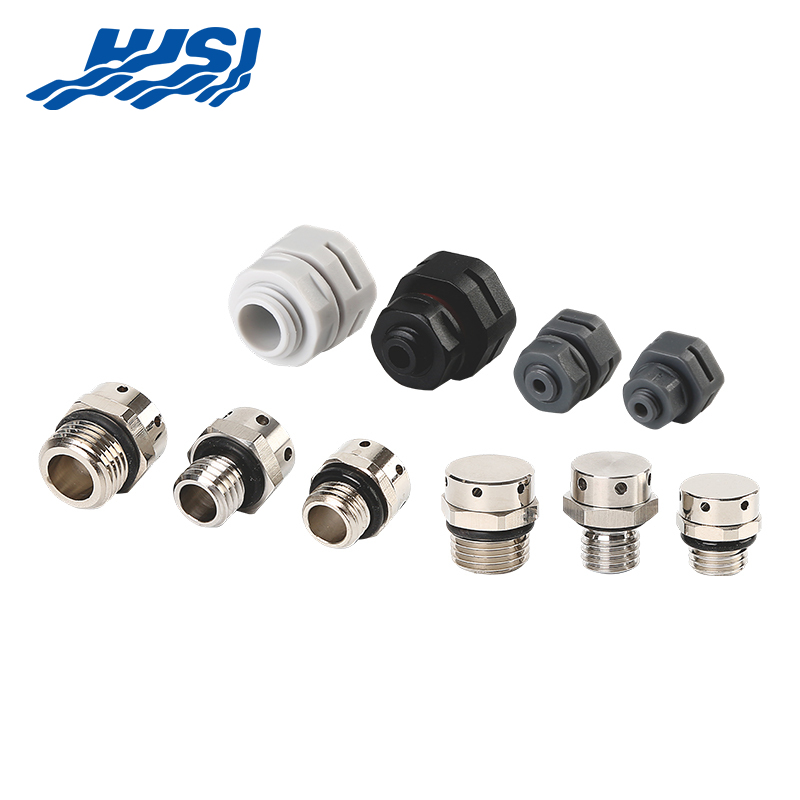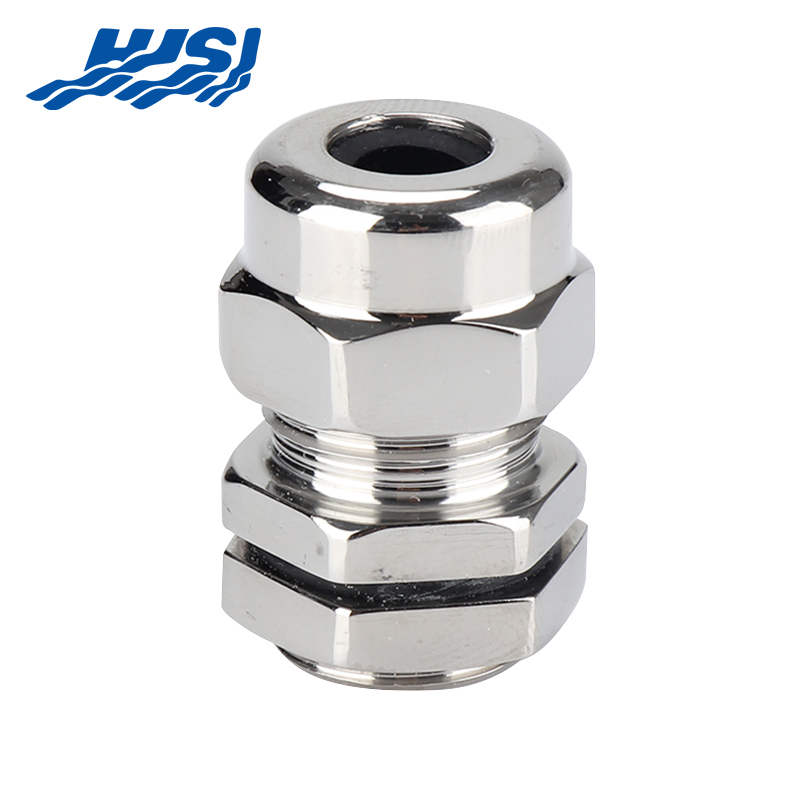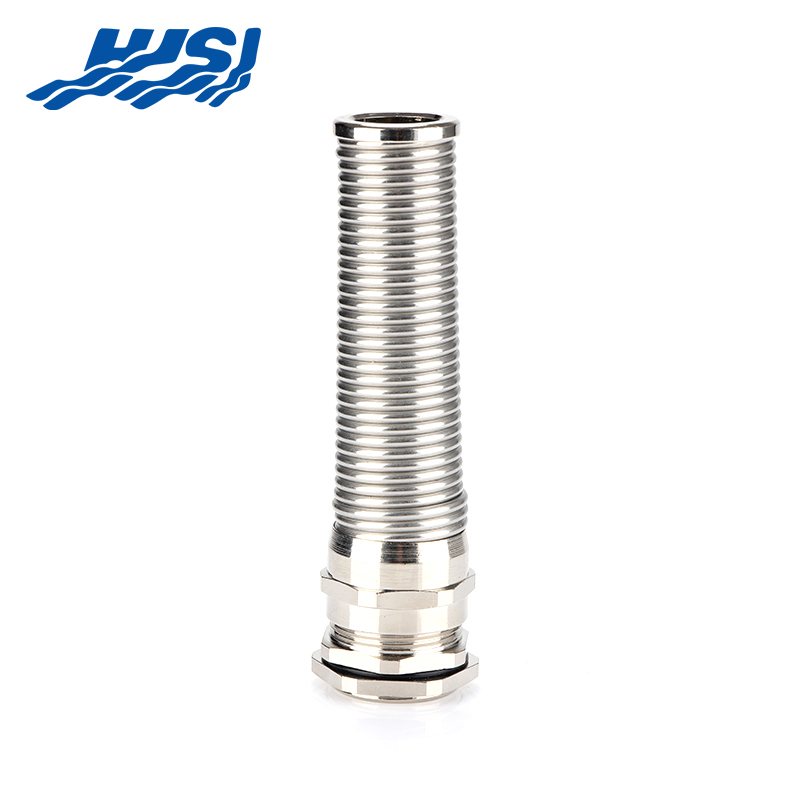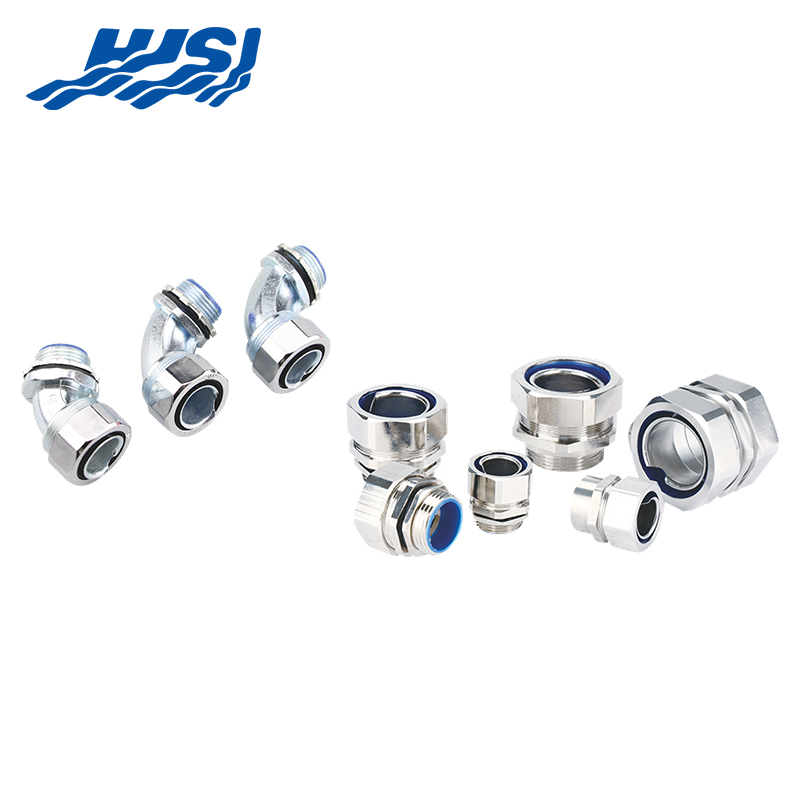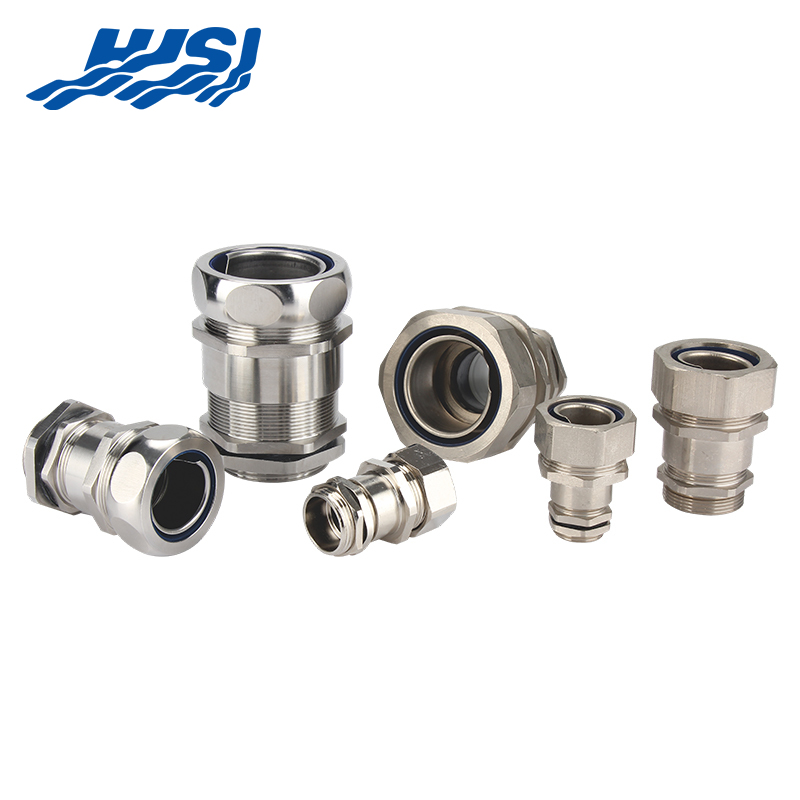
In the design of electronic enclosures, maintaining internal stability while protecting against external elements presents ongoing challenges, particularly in outdoor or harsh environments where moisture, dust, and pressure changes can compromise performance. A Waterproof Breathable Valve offers an effective solution by allowing controlled air and vapor exchange to equalize pressure and reduce condensation risks, all while preventing liquid water and particulates from entering. This balanced approach helps extend the reliability and lifespan of sensitive electronics in applications ranging from industrial controls and telecommunications to remote monitoring systems, making such valves a valuable component in modern enclosure engineering.
Enclosures use materials such as polymers, metals, or composites to achieve durability and environmental resistance. Secure seals block contaminants, yet they limit air flow, which can lead to internal imbalances.
Temperature changes create one key factor. Components generate heat during use, expanding the air inside the enclosure. Cooling periods cause contraction. These cycles build pressure differences that affect walls, seals, and connection points. Ongoing stress from such changes can reduce seal effectiveness or create small openings over time.
Humidity levels add further considerations. Air holds water vapor, and small quantities may remain inside after assembly or pass through materials gradually. When internal surfaces cool, vapor can turn to liquid. This moisture leads to oxidation on contacts, electrical interference, or material breakdown. Areas with varying humidity or large daily temperature shifts see heightened effects.
Changes in surrounding pressure influence enclosures too. Movement to different altitudes during transport or installation shifts external air pressure. Sealed units face forces that may alter shape or shift sealing components. Regulated air movement helps adjust to these shifts safely.
Heat from continuous operation affects parts. Raised temperatures speed up wear in electronic elements, lowering lifespan. Ventilation allows heat to disperse through air exchange, supporting steady conditions.
Certain parts release gases naturally. Storage cells produce vapors in cycles, and coatings or adhesives emit substances initially. In closed spaces, these can build up, causing reactions or extra pressure. Ventilation provides an outlet.
Observed issues show the value of management. In vehicle systems, heat cycles can lead to temporary faults. In data handling equipment, moisture changes may cause errors. Ventilation methods permit controlled exchange while keeping barriers intact.
Options for ventilation include screened openings, filtered ports, or membrane layers that allow gas passage but limit liquids. Choices depend on enclosure needs and exposure levels.
Material traits guide decisions. Softer plastics handle small pressure changes flexibly, while harder metals benefit from specific venting additions. Knowledge of these traits informs planning.
Guidelines in various fields include tests for temperature cycling, humidity exposure, or pressure simulation. Ventilation assists in passing these while upholding protection standards.
Planning ventilation early in development leads to smoother results. Later additions can complicate structure or production. Full evaluation covers volume, heat output, and expected surroundings.
Ventilation offers a practical way to combine external defense with internal balance.
Outdoor electronics face direct contact with weather, including rain, wind particles, sun exposure, and broad temperature ranges. Waterproof venting builds on standard ventilation by allowing air movement while blocking liquid entry.
These approaches often use porous layers that let gases and vapor diffuse. Pore design and surface properties resist liquid under usual conditions. This setup aids pressure adjustment and moisture control without water access.
Weather patterns cause quick pressure changes outdoors. Shifting systems or temperature drops alter external levels rapidly. Venting balances internals without added strain.
Daily cycles increase condensation chances. Warming phases push vapor out, while cooling risks liquid formation. Venting supports vapor release when conditions allow, lowering buildup.
Particles in outdoor air differ by site. Dust, salt, pollen, or emissions move with wind. Venting layers stop solids, helping keep insides clear.
Water contact from rain, spray, or fog challenges barriers. Waterproof venting holds separation during exposure.
Sunlight adds heat load. Surfaces facing light warm up, increasing internal temperatures. Ventilation helps removal, pairing with choices like lighter colors.
Fewer service needs come with good management. Automatic handling cuts down on drying or repairs. This lengthens intervals between checks in spread-out setups.
Fitting options suit different shapes. Threaded types work for thicker sections, adhesive for flat areas, or snap designs for fast production. These fit various builds and adjustments.
Remote sensing units in open fields deal with dew, heat, and storms. Venting aids steady readings through changes.
Traffic or utility boxes along paths handle dust, salts, and wet weather. Managed conditions support ongoing work.
Energy units in exposed spots face wind and direct sun. Ventilation assists heat control for better handling.
Location choices improve results. Higher or sheltered spots reduce direct water hits. Alignment with common weather flows adds benefit.
Testing with combined stresses checks long-term function. Cycles mimic years of use, confirming layer performance.
Waterproof venting adapts ventilation ideas to tougher external factors.
Effective integration of ventilation into electronic enclosure design and production requires a structured approach. The following steps outline key practices to achieve reliable results:
Relay stations on high points face winds, cold, and heat shifts. Ventilation helps signal steadiness.
Floating markers at sea manage waves, salt air, and sun. Waterproof venting slows oxidation in wet salt settings.
Plant monitors near processes track amid steam, fumes, and washes. Balanced spaces allow clear data.
Public light controls in open fixtures meet rain and particles. Ventilation pairs with shielding for steady output.
Units on moving machines handle shakes, splashes, and nearby heat. Managed enclosures aid dependability.
These show ventilation fitting many areas.
Checks spot buildup or wear on venting areas. Suitable cleaning brings back flow.
New settings may change initial plans. Review keeps fit.
Time affects materials, altering seals or layers. Scheduled updates handle slow shifts.
Notes mark spots and details for workers.
Guides stop blocking by covers or changes.
| Aspect | Recommendation |
|---|---|
| Visual Inspections | Regularly check venting areas for buildup, contamination, or physical wear. |
| Cleaning | Use appropriate methods to remove debris and restore airflow. |
| Environmental Changes | Reassess venting design if deployment conditions change significantly. |
| Material Aging | Account for gradual degradation of seals and membranes over time. |
| Scheduled Maintenance | Plan periodic replacements or updates to address age-related changes. |
| Documentation | Clearly mark vent locations and specifications for service teams. |
| User Guidelines | Provide instructions to prevent obstruction from covers or modifications. |
Research seeks better pore management and strength. Coatings may resist dirt or reactions.
Adjusting flow to needs could appear. Changing materials or parts offer ways.
Added sensors might track insides. Links could send notices.
Eco focus supports reusable or gentle materials. This matches wider aims.
Smaller forms fit tight spaces. Effective venting keeps balance in less room.
Mixed still and forced setups handle hard cases. Chosen activation saves power.
These suggest further growth in methods.
Zhejiang HJSI Connector Co., Ltd. maintains a continuous focus on high-quality materials, precision manufacturing processes, and practical designs that effectively address the real-world challenges of electrical installations. The company offers a complete range of metal connectors suitable for flexible conduits, hazardous areas, and harsh industrial environments, combining durable corrosion resistance with efficient sealing performance. Prioritizing international standards, ease of installation, and long-term reliability, Zhejiang HJSI Connector Co., Ltd solutions help engineers and installers achieve safe and easy-to-maintain cable management in a variety of applications, making them ideal for projects requiring reliable connection components

2nd Floor, Building 2, No. 188, Punan 3rd Road, Economic Development Zone, Yueqing City, Wenzhou City, Zhejiang Province, China

Copyright @ Zhejiang HJSI Connector Co., Ltd. All rights reserved.

China Waterproof Breathable Valve Manufacturer
 +86-15858552966
+86-13356176555
+86-15858552966
+86-13356176555
 English
 русский
 عربى
عربى