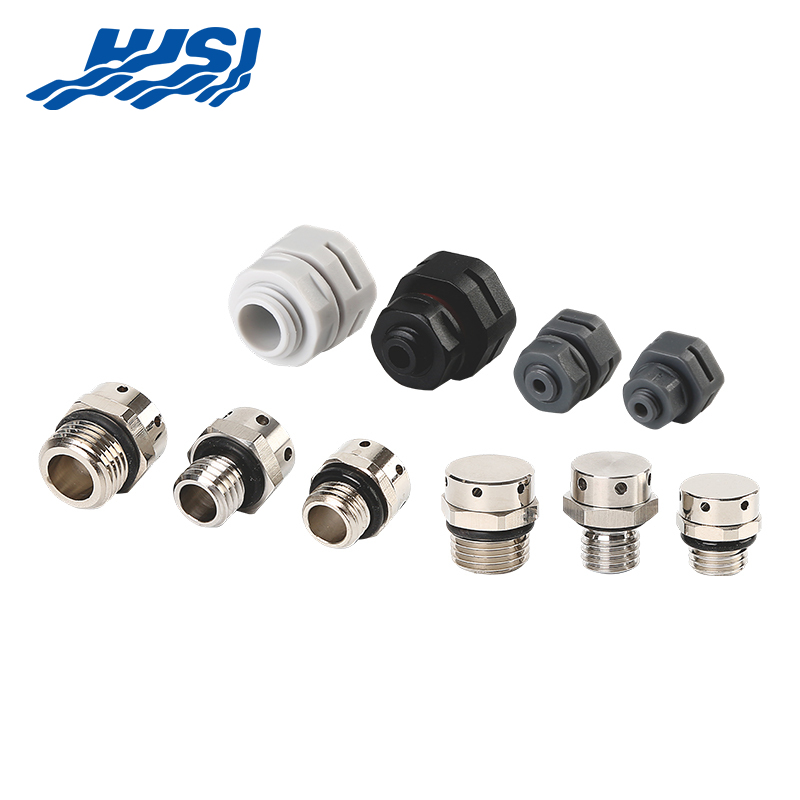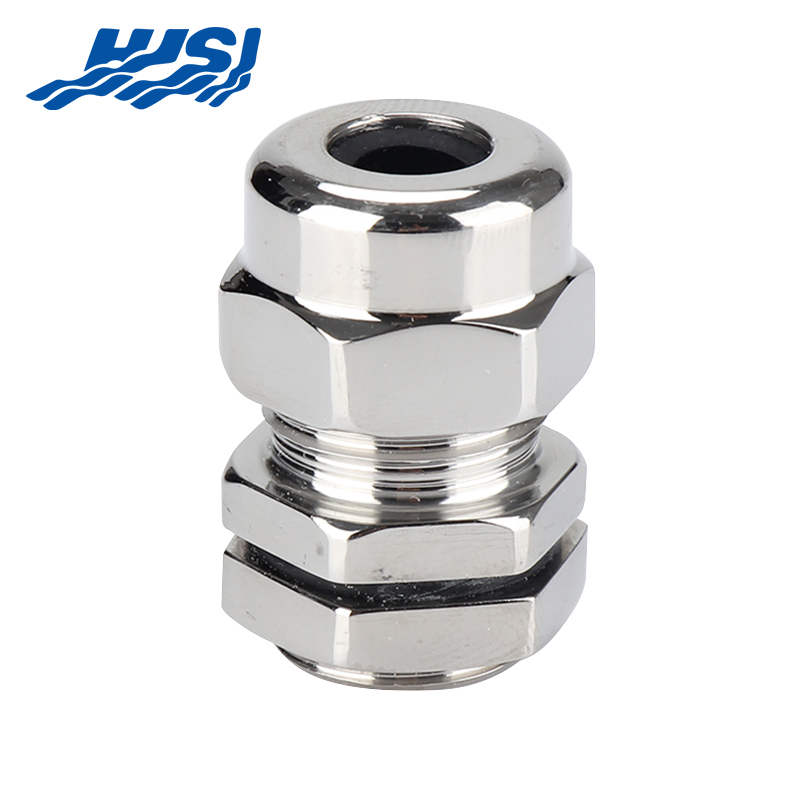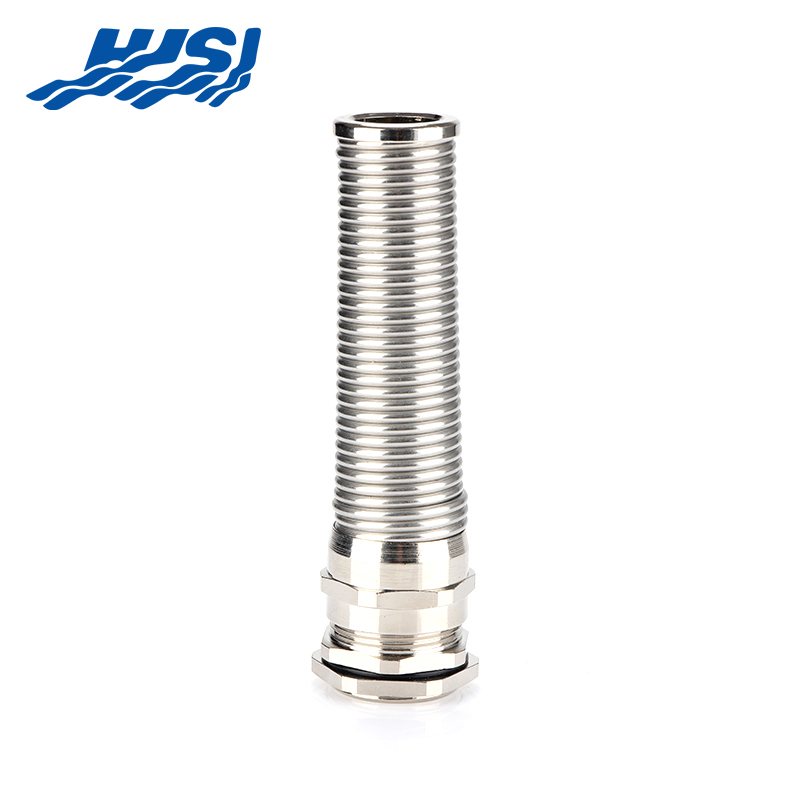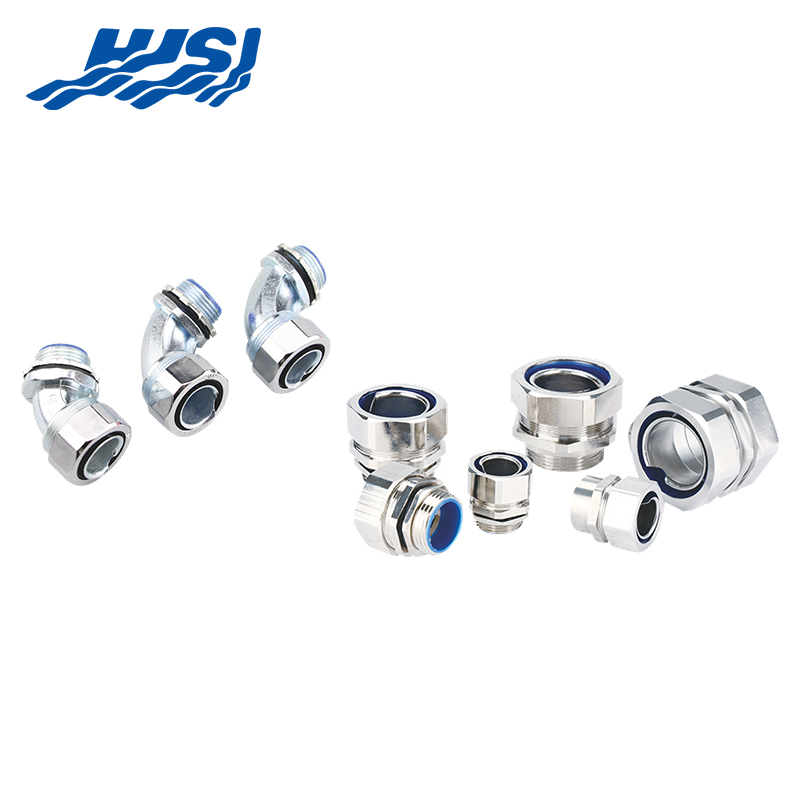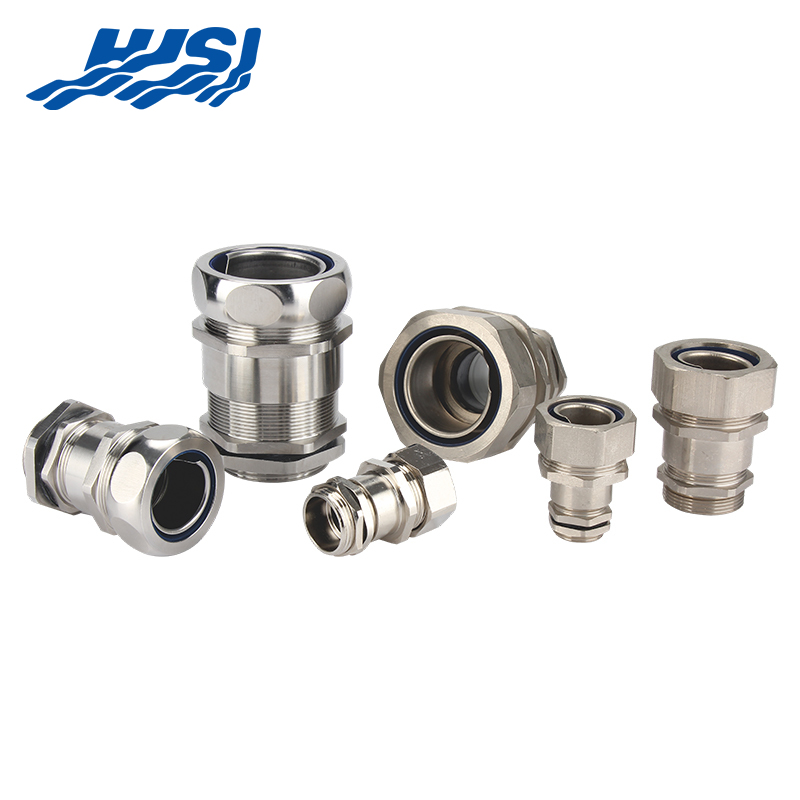
Electrical systems power daily activities in homes, offices, factories, and outdoor spaces. Safety in these systems depends on reliable components that guard against hazards such as moisture, physical damage, and electrical faults. Plastic Cable Gland and connectors help secure cables at junctions, enclosures, or equipment ports. They provide insulation, sealing, strain relief, and support for grounding or shielding.
Plastic cable connectors link cables to devices, panels, or additional cables. Built from durable polymers, they create lightweight, non-conductive shells around terminals and wires. The material insulates naturally, helping keep live parts isolated while allowing flexible handling.
Electrical connections often face humidity, dust, temperature shifts, and movement. Plastic avoids rust issues seen in some metal options, maintaining performance in damp spots. This resistance supports longer service without degradation.
Common designs feature snap locks, twist mechanisms, or push fits to hold parts together. Visual markers like colors help identify wire functions, reducing mix-ups. Light weight eases work overhead or in confined areas. These traits form the base for safety improvements in power distribution and data lines.
Moisture can damage electrical connections by corroding contacts or breaking down insulation. Plastic cable connectors counter this with sealing features that block water entry.
Connectors often include soft rings or boots that compress during assembly. Tightening presses the seal against the cable cover, closing off liquid paths. Outdoor fixtures, garden tools, or wet-room wiring stay dry inside despite rain or splashes.
Particles in air can settle on terminals and cause heat or arcs. Sealed connectors restrict dust buildup, keeping surfaces clean. Work sites or storage areas gain from this barrier against airborne material.
Light chemical contact in cleaning zones or hobby spaces needs resistant surfaces. Selected plastics handle common detergents or oils without softening seals. Even pressure from correct fitting avoids weak spots. Sealing like this shields connections from outside elements that could spark faults.
Plastic's lack of conductivity offers direct safety help. Housings cover live ends, forming a touch-safe layer around energized sections.
Household plugs, leads, or device cords benefit when users plug or unplug without risk of contact. The outer shell stays non-live, even during internal issues. This approach fits guidelines for insulated user-access parts.
Plastic prevents unwanted current paths in mixed setups. It isolates circuits properly, lowering shock chances in damp or faulty conditions.
Plastics handle usual heat levels without losing shape. This keeps covers intact during operation. Internal color sleeves guide correct wiring, cutting polarity errors. Insulation from plastic connectors adds protection for handlers and users.
Cables face tugs, bends, and shakes in normal use. Force on joints can loosen wires or tear covers. Plastic connectors build in relief parts that anchor cables and spread loads.
Molded grips or collars hold the cable jacket, stopping pull from reaching terminals. Portable lamps or extension uses resist disconnection from drags. Relief maintains tight internal links, avoiding spotty contacts.
Shakes from fans or transport wear connections gradually. Flexible plastic sections absorb motion, guarding crimp or screw points. This cushioning suits vibrating equipment wiring.
Exit shapes guide cables in wider curves. Sharp folds pinch lines, but connector forms encourage smoother paths. Tight panel spots keep cables unharmed.
Strain relief cuts exposed wire odds and holds continuity. Quick tug checks confirm grip strength. These supports make connectors steady in movement-heavy places.
| Aspect | Benefits of Plastic Cable Connectors |
|---|---|
| Pull/Tension Relief | Molded grips/collars anchor cable jacket; prevent pull-out and protect internal terminals |
| Vibration Management | Flexible sections absorb motion; reduce gradual wear on connections |
| Bend/Curve Control | Exit shapes guide wider curves; avoid pinching or crimping in tight spaces |
| Overall Strain Relief | Distributes forces; lowers risk of exposed wires, loose contacts, or intermittent faults |
| Practical Checks | Quick tug tests confirm secure hold; ensures reliability in movement-prone applications |
Grounding moves fault current safely away. Plastic connectors allow this with inner metal paths while outer parts stay insulated. Ground pins link to equipment earths reliably.
Shielded lines for data or audio need shield continuity. Plastic shells enclose shield ends, protecting them while draining interference. This aids clear signals in control or network cables.
Shielding cuts noise pickup in busy electrical areas. Connectors with shield ties preserve quality, avoiding errors in monitoring or communication.
Fitting aligns ground contacts for solid bonds. This helps fault clearing and touch safety. Plastic designs deliver grounding and shielding in safe, insulated forms.
Plastic connectors hold up in many settings. Sun-stable types resist fading or cracking outdoors. This suits garden or sign wiring.
Drop resistance absorbs impacts without splitting. Tool kits or site storage keep connections guarded. Bendable plastics manage slight twists.
Cold or warm swings find matching plastic grades. Low temperatures avoid snaps, higher ones prevent sags. Year-round reliability follows.
Mild chemical exposure meets resistant formulations. Long wear reduces swap needs, easing upkeep. Reusable plastics fit eco approaches. Durability ensures steady protection.
Home wiring applies plastic connectors to sockets and lights. Insulation fits kitchen or bath dampness.
Office setups use them for data and power runs. Light build aids ceiling work, shielding keeps networks steady.
Light factory lines connect sensors or lights. Relief handles shifts, particle seals suit floors.
Hand tools or chargers use weather types. Grounding guards operators.
Car extras or boat fittings pick marine plastics. Water block and shake relief match motion.
Event wiring favors fast-fit versions. Quick set and insulation speed safe builds.
Each use pulls from connector strengths for real safety.
Safe results need right assembly. Pick sizes matching cables for grip and seal. Strip to length without strand harm.
Push wires into spots, fasten with clips or turns. Lock housings fully. Sealed kinds need gasket line-up.
Light pull tests check hold. Ground paths verify continuity. Note fit details.
Upkeep views look for wear or slack. Clean dust, swap damaged. Training builds correct habits.
These steps bring out full protection.
Plastic connectors ease stock with common fits. Fast joins save time. Shape range suits varied cables.
Low mass aids carry and high work. Price access spreads use. Tool match speeds tasks.
Gains pair with safety roles.
| Benefit | Description |
|---|---|
| Inventory Management | Common sizes ease stocking |
| Installation Speed | Fast joining mechanisms save time |
| Versatility | Variety of shapes fits different cables |
| Handling & Portability | Low weight aids carrying and overhead work |
| Accessibility | Affordable pricing encourages widespread use |
| Tool Compatibility | Works with standard tools for quicker tasks |
| Overall Value | Additional gains complement core safety features |
Plastic limits high-heat spots, where other materials fit better. Hard impacts may need tougher builds.
Ratings match voltage and load needs. Exposure guides choice.
Existing wire checks ensure fit. Future plans consider growth. Early review improves picks.
Material work boosts fire hold and reuse. Low-smoke types cut fire spread.
Snap designs quicken joins with seals. Fit signs could show lock.
Plant plastics give green sources with equal work. Connection watches might flag issues.
Changes point to better safety and ease.
Choosing Zhejiang HJSI Connector Co., Ltd. offers access to plastic cable connectors built with everyday safety in focus. The company emphasizes reliable insulation to reduce shock risks, effective sealing against moisture and dust, practical strain relief for cables under movement or tension, and solid support for grounding or shielding functions. These features suit residential wiring, office networks, light industrial controls, portable devices, and outdoor applications where durability and ease of use matter.
For installers and users looking for lightweight, corrosion-resistant connectors that combine straightforward assembly with consistent protective performance, Zhejiang HJSI Connector Co., Ltd. provides components that help create safer and more dependable electrical connections.

2nd Floor, Building 2, No. 188, Punan 3rd Road, Economic Development Zone, Yueqing City, Wenzhou City, Zhejiang Province, China

Copyright @ Zhejiang HJSI Connector Co., Ltd. All rights reserved.

China Waterproof Breathable Valve Manufacturer
 +86-15858552966
+86-13356176555
+86-15858552966
+86-13356176555
 English
 русский
 عربى
عربى