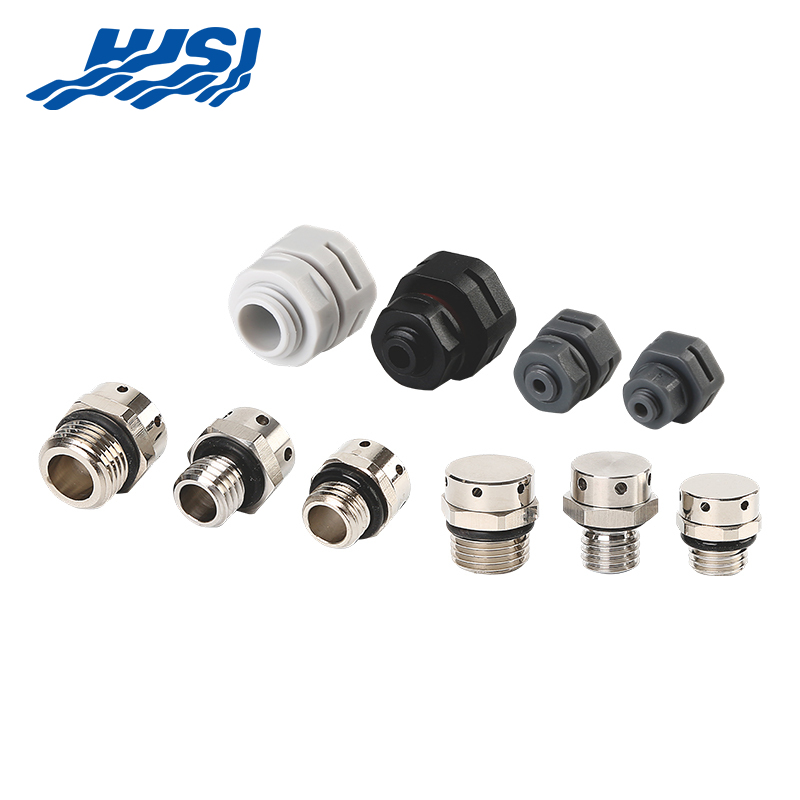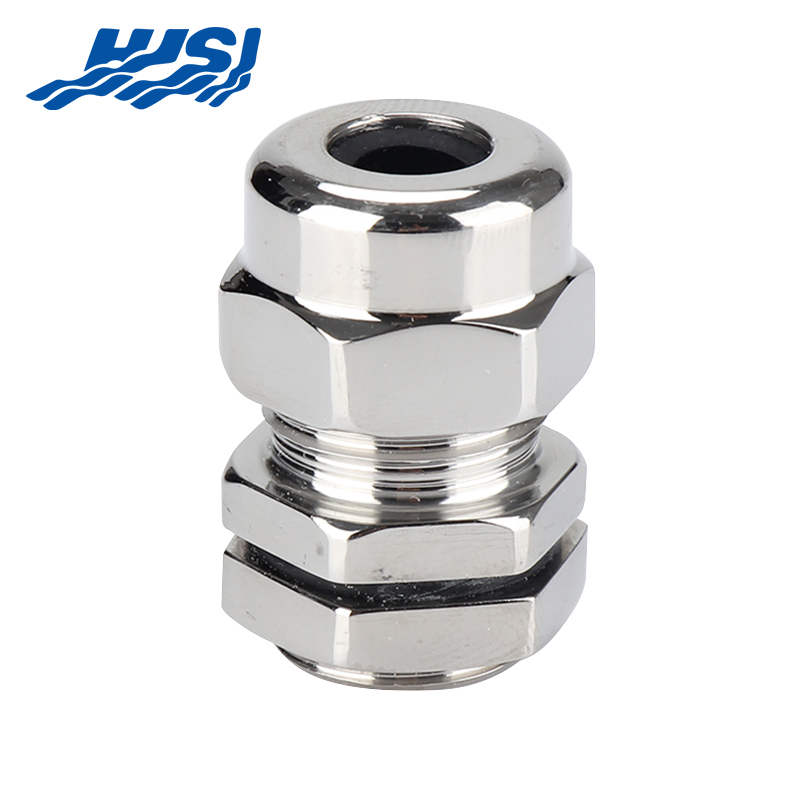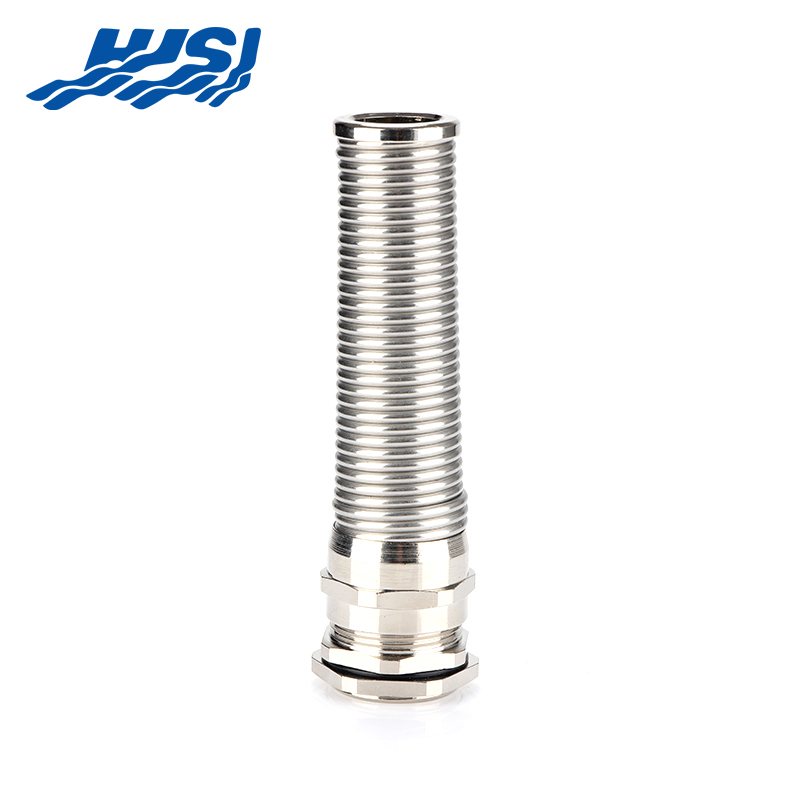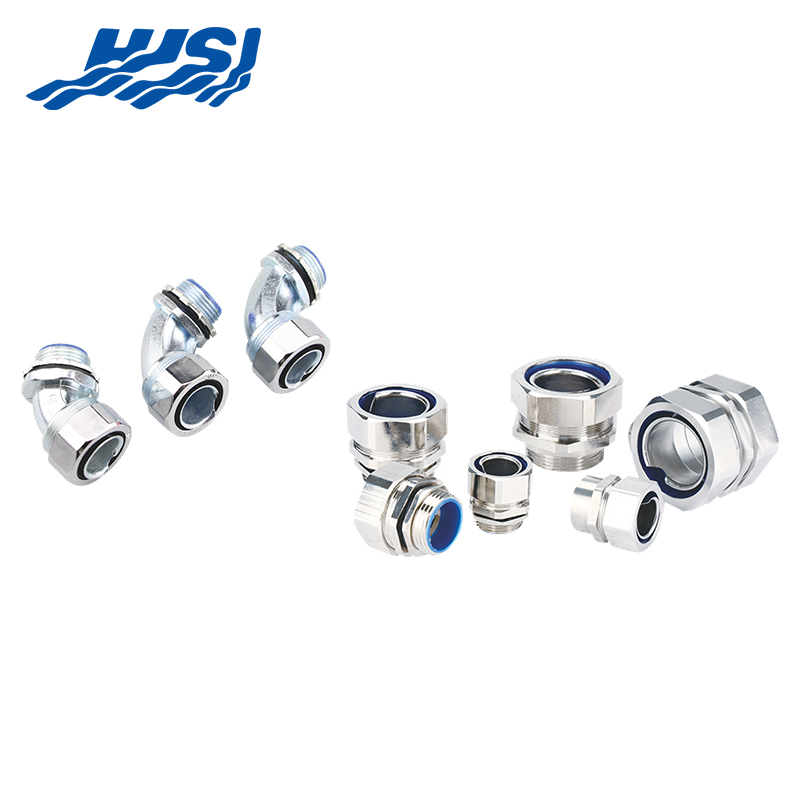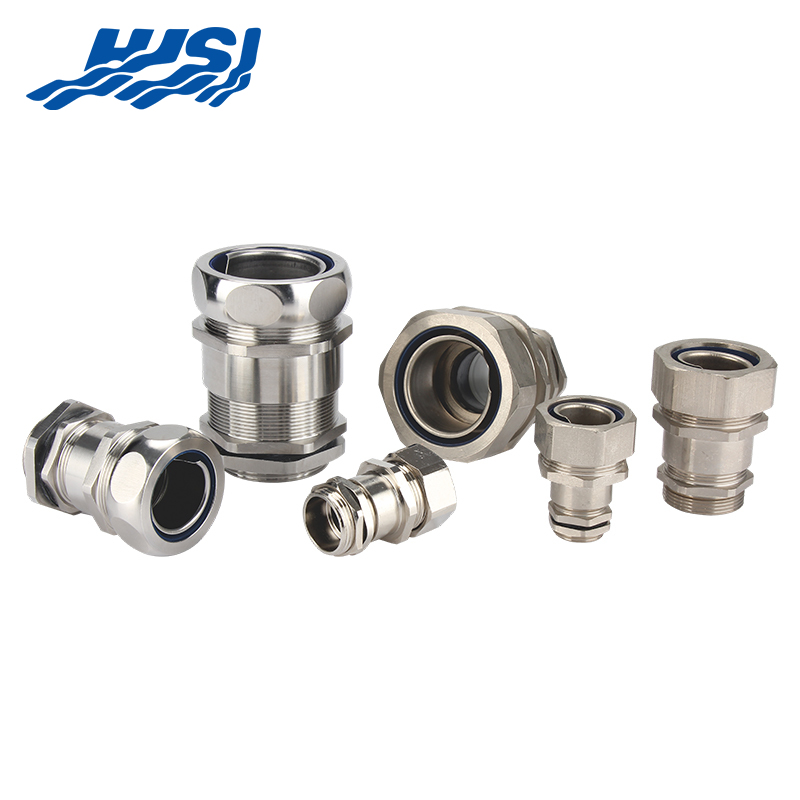
Electrical setups deliver power to homes, businesses, and public areas. Safety in these setups depends on parts that withstand wear and prevent problems. Stainless Steel Cable Gland attach cables to enclosures, panels, or tools. They close openings, manage cable tension, support grounding, and protect cables and boxes from damage.
Cable glands link cables to enclosure holes. They secure the cable, block slips, keep out external items, and lead the cable inside safely. Stainless steel glands suit places with moisture, particles, or substances because the material resists corrosion and retains shape.
In humid or factory settings, some materials weaken, but stainless steel endures longer. This build means the gland functions steadily, lowering risks from degraded components. Gaps or loose cables can cause faults or fires, but a solid gland helps prevent those. Workers install these glands without complexity, and service groups like fittings that need little early fixes.
Sealing helps stainless steel cable glands improve safety. Boxes shield inner pieces from surroundings. Cables make holes that require filling to stop entry of liquids or dust.
Glands feature flexible seals that compress on the cable sheath during tightening. This fit blocks water from moving along the cable. Outdoor units or ground links remain protected from dampness or showers, cutting odds of corroded lines or shorts.
Particle sealing follows the same idea. In work areas or storage, bits in air can cover electrical pieces and build heat. A closed gland holds the inside clear, allowing parts to work at standard rates and reducing debris risks.
Spots with chemicals, such as plants or handling sites, put fittings near harsh items. Stainless steel manages several compounds without rusting, and with fitting seals, the gland stops those from wiring areas. Selecting correct sizes makes seals even. Sealing protects systems from usual outside issues.
Cables encounter forces, curves, and vibrations during operation. Strain on links can harm sheaths or slacken tips. Stainless steel cable glands have grips that absorb these forces.
The grip section locks the cable cover, stopping retreats if load or shift pulls it. This guards inner joints, useful in dropped cables or moving items. The grasp moves force to the gland rather than conductors.
Vibrations from motors or devices can exhaust cables. The steel frame and inner braces cut motion at the hole, slowing damage to wires and sheaths. Locations with blowers or straps see fewer cable troubles when glands deal with vibrations.
Curve control directs cables out easily. Close turns by boxes can press lines, but the gland sets broader paths. This aids in tight places. Managing forces reduces chances of uncovered wires or uneven contacts that could warm or spark.
| Aspect | Benefits of Stainless Steel Cable Glands |
|---|---|
| Pull/Tension Relief | Grip locks cable sheath; prevents pull-out and protects internal connections |
| Vibration Management | Rigid frame and supports reduce motion; minimizes fatigue on wires/sheaths |
| Bend/Curve Control | Guides cable for gentler bends; avoids pinching in tight spaces |
| Overall Stress Handling | Absorbs forces at entry point; lowers risk of exposed wires, loose contacts, overheating, or sparks |
Grounding routes extra current to ground safely. Stainless steel cable glands assist by connecting cable shields or layers to the box.
The steel form conducts current steadily, joining shields to the panel ground. This line shifts interference or faults promptly. Areas with machines or signals hold better when grounding remains strong.
Layered cables receive firm ties as the gland holds the layer and links it electrically. Stainless steel maintains the tie in wet or briny places. Clear spots and proper tightening form paths that resolve problems fast.
Jumps from weather or changes use these ties as well. Glands back the setup's guards. Regular grounding lessens shock odds and shields pieces.
Stainless steel cable glands offer complete coverage for cables and enclosures. The hole area faces strain, and a strong gland reinforces it.
The steel surface takes bumps and scratches that might slice cables. Busy paths or exposed spots benefit from this make. The form also hinders easy tampering.
Enclosures retain their seal grades with good glands. Particle or liquid barriers stay working, so the arrangement operates as set. This method cuts fragile points.
Service is simple with visible glands. Brief views find slack or wear soon. Switches use basic ways. Layered shielding holds setups safe longer.
Facilities use stainless steel glands on controls and supply lines. Liquids, bits, and motion are common, and glands address them.
Work sites place them in power shares and light paths. Open air needs rust protection through and post work.
Rail and flight centers set glands in sign units and feed boxes. Grounding deals with noise, sealing stops rain or surface dust.
Vessels and sea structures require glands that resist salt. Controls, lifts, and gear remain safe in tough water.
Sun and wind arrangements use glands in changers and base parts. Motion and air challenge load and seal features.
Food paths select stainless steel for washes and chemical resistance. Each location uses gland traits for area needs.
Proper fitting draws out safety perks. Align gland with cable width for seal and grip work. Remove sheaths clean without inner marks.
Slide cable through, tighten pieces sequentially—seal first, grip next. Give steady push, no warps. Grounding requires clear metal contact.
After, tug soft to verify hold, check seal compression even. Record info for future.
Routine looks spot shifts or exterior changes. Fix or change when necessary. Simple practices keep glands active.
Glands that endure reduce changes and halts. They match several cable sorts, simplifying stores. Steel reuses, helping eco methods. These add daily worth past safety.
Cost can exceed plastic or brass glands, but long use balances it. Harsh substances may want added seals.
Opening threads must fit, so verify matches. Training helps workers avoid slips like strong tightens. Advance plans manage details.
| Consideration | Details |
|---|---|
| Cost | Higher than plastic or brass; offset by longer service life |
| Chemical Exposure | May require additional seals for harsh substances |
| Thread Compatibility | Verify gland threads match enclosure openings |
| Installation Errors | Training reduces risks like over-tightening |
| Planning | Advance checks ensure proper selection and fit |
Fresh fits quicken work while seals hold. Some have signs for correct set.
Steel blends target spots like warmth. Recycled steel increases without performance drop.
Later kinds might link to check systems for distant views.
Choosing Zhejiang HJSI Connector Co., Ltd. provides access to stainless steel cable glands designed with practical safety features in mind. The company focuses on durable construction that delivers reliable sealing against water and dust, effective strain relief for cables under tension or vibration, consistent grounding support, and overall protection for electrical enclosures. These qualities help installers and maintenance teams build systems that perform steadily in industrial, outdoor, marine, and commercial settings.
For those seeking fittings that combine corrosion resistance with straightforward installation and long-term dependability, Zhejiang HJSI Connector Co., Ltd. offers components that contribute to safer and more efficient electrical installations.

2nd Floor, Building 2, No. 188, Punan 3rd Road, Economic Development Zone, Yueqing City, Wenzhou City, Zhejiang Province, China

Copyright @ Zhejiang HJSI Connector Co., Ltd. All rights reserved.

China Waterproof Breathable Valve Manufacturer
 +86-15858552966
+86-13356176555
+86-15858552966
+86-13356176555
 English
 русский
 عربى
عربى