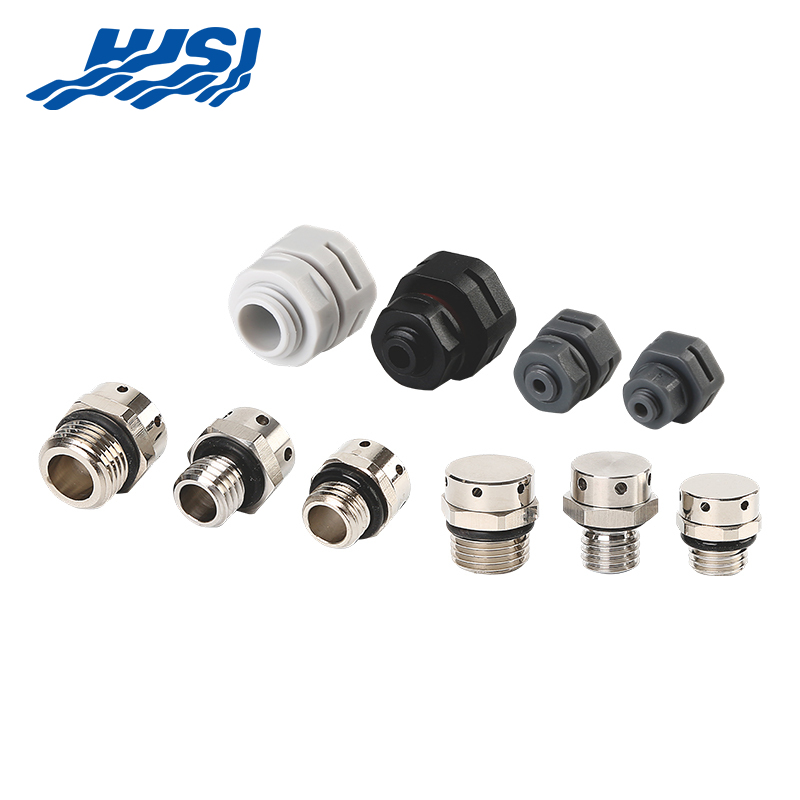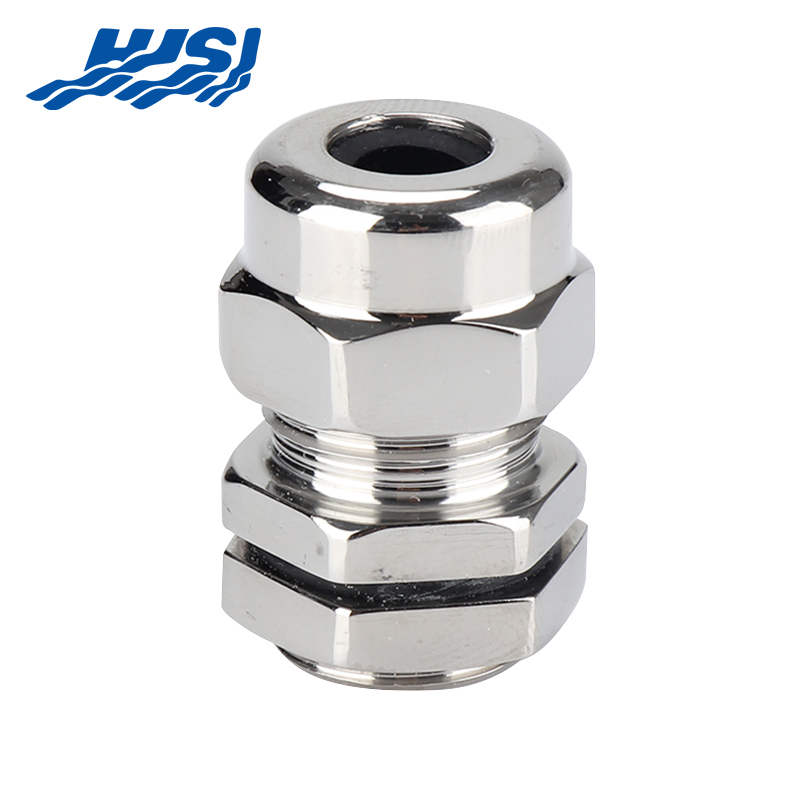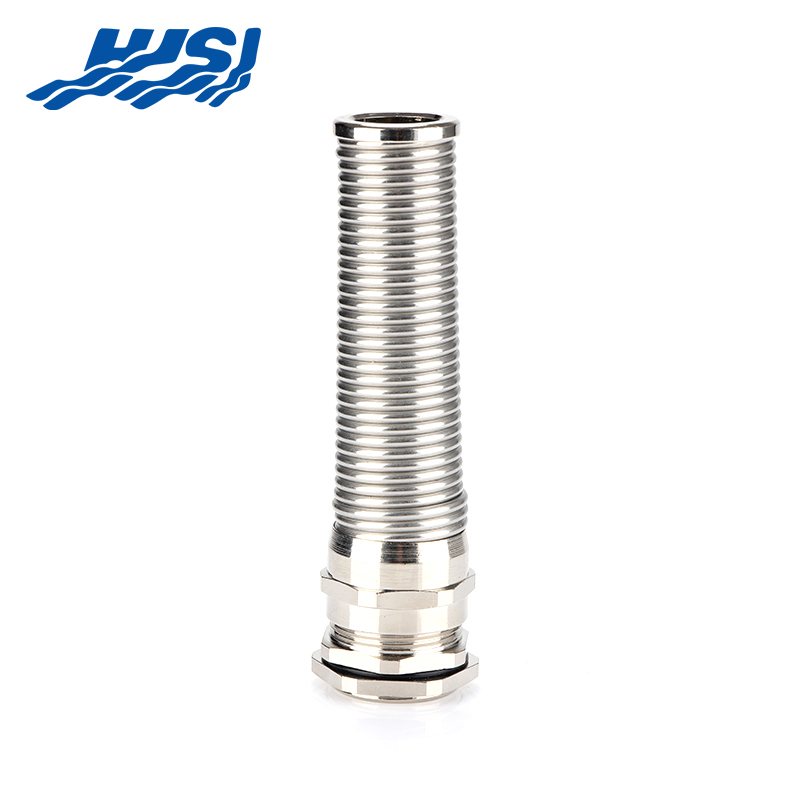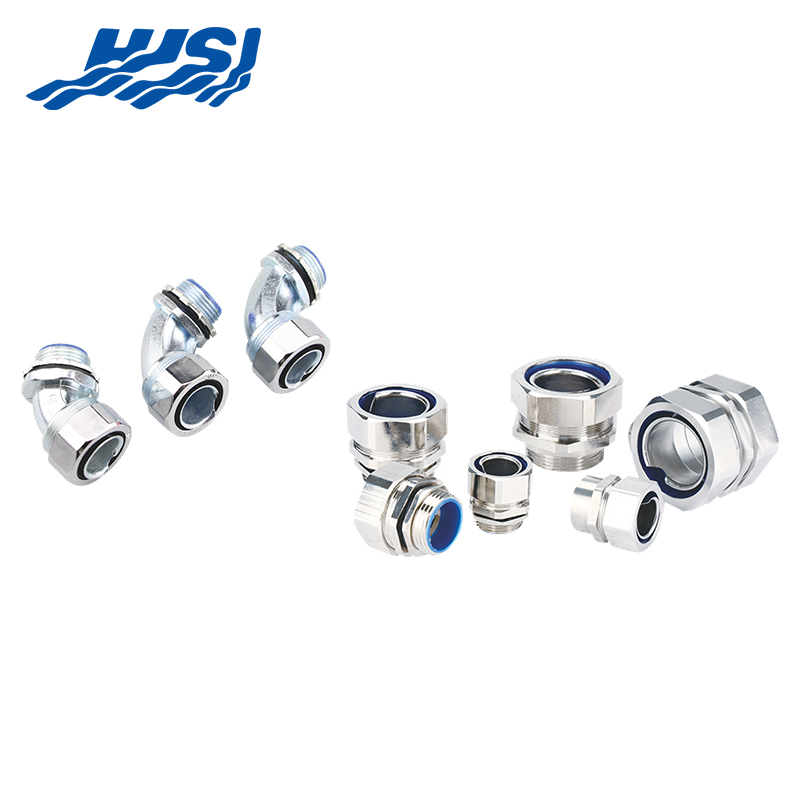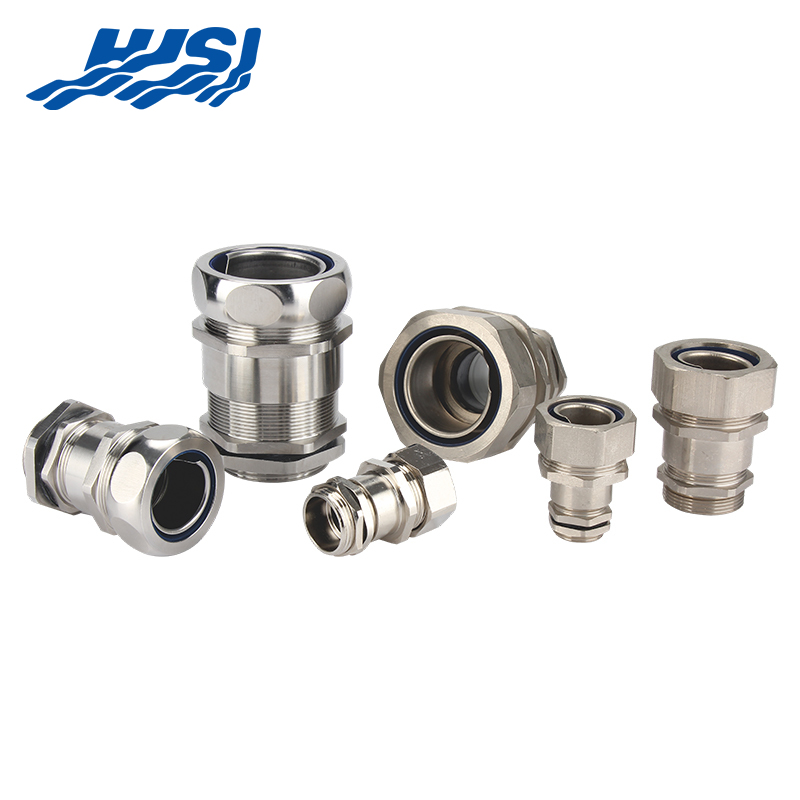
Cable connectors play a quiet but indispensable role in keeping electrical systems running smoothly. Among the various materials available, stainless steel stands out for its ability to handle heat and fire without quick breakdown. These connectors—often called Stainless Steel Cable Gland in industry circles—secure wires as they pass through panels, enclosures, or bulkheads, while also providing a seal against dust, moisture, and pressure changes.
In many installations, heat is an everyday reality. It can come from running equipment, sunlight, process operations, or, in the worst case, an actual fire. Stainless Steel Cable Gland connectors are frequently chosen because they continue to perform when temperatures rise or fluctuate.
Stainless steel is fundamentally an iron-based alloy with added chromium and often nickel. The chromium reacts with oxygen to create a thin, invisible surface layer that sticks tightly to the metal. This layer shields the underlying material from further attack by air or water, even when conditions turn warm or humid.
When heat is applied, that same layer helps slow down the rate at which oxygen can reach the metal surface. Instead of rapid scaling or weakening, the material forms only a limited oxide scale that does not flake away easily. Nickel, when present, adds toughness and helps the alloy keep its flexibility as temperature changes.
These built-in features mean that a stainless steel connector can face combined threats—heat plus moisture, heat plus mechanical vibration—without losing its grip or seal. The result is a component that tends to stay in place and continue doing its job longer than many alternatives.
Fire resistance is about giving systems time. In a fire, cable connectors are expected to hold their shape and maintain seals long enough to keep critical circuits working or to limit flame spread through openings.
Stainless steel does not burn or add fuel to a fire. It also resists softening at temperatures that would cause other metals to sag or distort. The surface oxide layer continues to offer protection even when flames are present, reducing the speed at which heat penetrates the metal.
In building installations, for example, connectors help maintain compartmentation—the idea of keeping fire within one area while allowing safe escape elsewhere. By staying intact, they prevent openings from widening and reduce the chance of electrical faults sparking secondary fires.
Industrial settings see similar benefits. Control cables running to pumps, valves, or alarms need to remain protected during the early stages of a fire. Stainless steel connectors contribute by preserving cable entry points, buying valuable minutes for shutdown procedures or emergency response.
Thermal stability is the ability to keep physical dimensions and mechanical properties reasonably consistent as temperature goes up or down. Stainless steel expands only modestly when heated, so threads stay engaged and seals remain compressed.
This controlled expansion is helpful in enclosures that warm up during operation. Loose fittings caused by excessive growth can lead to water ingress or dust entry; minimal movement reduces that risk.
The alloy also resists creep—the slow stretching that can happen when a part is held under load at elevated temperature for long periods. In practice, this means a connector tightened during installation is likely to stay tight even after years near warm equipment.
Heat distribution within the metal is fairly even, avoiding sharp local temperature differences that could cause cracking. This balanced conduction protects attached cables from sudden hot spots that might damage insulation.
Many workplaces involve steady or occasional high heat. Stainless steel connectors are commonly found near motors, transformers, lighting arrays, or exhaust routes where air temperatures climb well above ambient.
Under such conditions, the metal retains useful strength. Threads do not strip easily, and body walls do not thin out from oxidation. The protective surface layer thickens only slightly, preserving wall thickness and mechanical integrity.
In process industries—chemical plants, refineries, food production—connectors often face heat alongside vapors or splashes. The combination of thermal resistance and general durability allows them to keep cables secure without frequent replacement.
Outdoor equipment exposed to direct sun can reach surprising surface temperatures. Stainless steel handles this cyclic heating without the rapid surface deterioration seen in uncoated milder metals.
Building projects follow codes that demand fire-rated penetrations. Cable connectors contribute by maintaining seals through walls and floors designed to slow fire spread.
Power generation and distribution sites need components that can survive electrical faults long enough for protection systems to act. Stainless steel’s stability supports that requirement.
Offshore and marine installations combine fire risk with constant humidity. Connectors must resist both flame and corrosion to keep platform or vessel systems operational during incidents.
Transportation infrastructure—tunnels, stations, airports—relies on cable routes that stay functional when smoke and heat build up. Durable connectors help signaling and emergency lighting remain active.
Manufacturing lines with ovens, dryers, or hot processes expose cable entries to radiant and convective heat. Reliable sealing prevents dust explosion risks and maintains hygiene standards.
Each field has its own balance of risks, yet stainless steel often fits because it addresses heat and fire without needing constant upkeep.
Temperature changes happen routinely in most installations. Equipment heats up during the day and cools down at night; outdoor setups deal with sun in the afternoon and colder evenings; even indoor spaces see shifts from lighting, machinery, or seasonal weather.
These ups and downs cause materials to expand when warm and shrink when cool. Repeated movement puts strain on threaded joints, seals, and clamping areas. Stainless steel expands and contracts less dramatically than many other metals, so the forces at those connection points stay within safe limits. This reduces the risk of small cracks forming around threads or grooves that hold gaskets.
Solar installations are a clear example: panels and cables heat significantly under direct sunlight and cool rapidly after sunset. Automotive wiring near engines goes through similar warm-up and cool-down cycles every time the vehicle is used. In offices or data centers, air-conditioning systems create smaller but constant temperature swings.
The built-in resilience of stainless steel allows it to absorb these ongoing movements without becoming brittle or loose. Connectors typically remain tight and effective for long periods, which means fewer service interruptions and lower maintenance costs.
A quick look during regular checks is often enough to catch early warning signs—perhaps slight discoloration from heat or a fitting that has worked loose—so adjustments can be made before anything serious develops.
No single material is perfect for every situation, but stainless steel often provides a sensible compromise.
Plain carbon steel is affordable and mechanically strong, yet it rusts quickly once any protective coating scratches or wears away. Warm, moist air speeds up that deterioration, shortening service life.
Aluminum is noticeably lighter and transfers heat efficiently, but it can develop pits or surface corrosion in salty or polluted atmospheres. Those damaged spots become vulnerable when temperature cycles add extra stress.
Plastic or nylon connectors completely sidestep rust issues and offer good electrical insulation, but they lose rigidity and can deform when exposed to sustained warmth.
Brass works well with certain chemicals and has decent conductivity, yet in damp heat it sometimes suffers from selective corrosion that weakens the metal over time.
Stainless steel combines solid mechanical strength with lasting resistance to oxidation and reasonable behavior across temperature ranges. It holds cables firmly, keeps seals intact, and copes with heat-related challenges without the sharp drawbacks found in the other options.
| Material | Advantages | Disadvantages |
|---|---|---|
| Plain Carbon Steel | Affordable, mechanically strong | Rusts quickly if coating damaged; worsened by heat/moisture |
| Aluminum | Lightweight, good heat transfer | Prone to pitting in salty/polluted air; vulnerable to thermal stress |
| Plastic/Nylon | No rust, good electrical insulation | Loses rigidity and deforms under sustained heat |
| Brass | Good with certain chemicals, conductive | Selective corrosion in damp heat |
| Stainless Steel | Strong, oxidation-resistant, stable across temperatures | (Provides balanced performance with fewer drawbacks) |
Factories and commercial buildings use them in electrical panels where heavy currents generate noticeable warmth inside enclosures.
On ships and offshore platforms, they secure wiring that faces both engine heat and constant salt spray on deck.
Wind farms and large solar fields rely on them for cable runs that endure wide daily temperature swings and occasional storm-related stresses.
Production lines in manufacturing plants route control and sensor cables through areas close to welding stations, ovens, or drying equipment.
Large public facilities—arenues, train stations, airports—install them as part of fire-rated cable pathways that support emergency systems.
In all these settings, the connectors deliver a dependable interface between cable and housing, even when operating conditions include regular or unexpected heat.
Before products reach the market, samples go through controlled trials in specialized labs.
Fire tests involve direct flame contact or intense radiant heat while technicians monitor how long seals remain effective and whether the body distorts.
Cycling chambers repeatedly heat and cool specimens, checking for changes in dimensions, thread grip, or sealing pressure after hundreds or thousands of rounds.
More comprehensive setups combine heat with vibration, moisture, or mechanical load to imitate real-world severity.
These evaluations help determine appropriate uses and give designers and installers assurance that the parts will hold up under expected conditions.
Good results start with careful fitting. Threads should be clean, and tightening should follow recommended force—too much can crush seals, too little leaves room for later movement.
Getting the connector straight during assembly avoids built-in strain that temperature changes could magnify.
Routine walk-throughs can reveal buildup of dust, grease, or process deposits that might insulate and trap heat. A mild cleaning restores the natural surface protection without damage.
Checking torque after the first few warm-up cycles often catches minor settling. Keeping simple records of when parts were installed makes scheduling future reviews easier.
Teaching installation teams about the material's characteristics cuts down on accidental misuse and extends overall service life.
Stainless steel comes in various formulations, each better suited to particular surroundings—some handle higher humidity, others resist specific chemicals. Picking the right one improves long-term performance.
When connecting to different metals, small insulating pieces or compatible accessories prevent unwanted corrosion at the contact zone.
The initial purchase price sits higher than basic steel or plastic equivalents, but extended durability and fewer replacements usually even out the total cost over time.
Talking through choices early with experienced suppliers or engineers helps avoid mismatches and unexpected issues later.
| Consideration | Key Point |
|---|---|
| Material Formulations | Different grades suit specific conditions (e.g., humidity, chemicals) |
| Compatibility with Other Metals | Use insulating pieces to prevent galvanic corrosion |
| Cost | Higher initial price offset by longer life and fewer replacements |
| Selection Advice | Consult suppliers or engineers early to ensure proper match |
Research continues to refine stainless alloys, aiming for better heat tolerance or easier manufacturing while preserving the established advantages.
Improvements in recycling processes are making production more sustainable without altering the finished properties.
Tomorrow's enclosure systems might include built-in sensors for condition monitoring, yet the core connector material will likely stay stainless steel because of its track record in tough conditions.
As equipment becomes more sophisticated and safety standards tighten, materials that manage heat and fire without drama will remain valuable.
Stainless steel cable connectors provide reliable cable management solutions in harsh environments such as high temperatures and fire. Their inherent corrosion resistance, stable response to temperature changes, and ability to maintain sealing and strength over time make them ideal for a variety of applications, including industrial plants, marine environments, renewable energy projects, and public infrastructure.
HJSI focuses on using durable materials such as 304 and 316 stainless steel, serving industries that require reliable performance under demanding conditions, including mechanical, electrical, chemical, and marine applications. With automated production and a commitment to quality, HJSI provides connector products that effectively protect cable entries for customers worldwide.

2nd Floor, Building 2, No. 188, Punan 3rd Road, Economic Development Zone, Yueqing City, Wenzhou City, Zhejiang Province, China

Copyright @ Zhejiang HJSI Connector Co., Ltd. All rights reserved.

China Waterproof Breathable Valve Manufacturer
 +86-15858552966
+86-13356176555
+86-15858552966
+86-13356176555
 English
 русский
 عربى
عربى