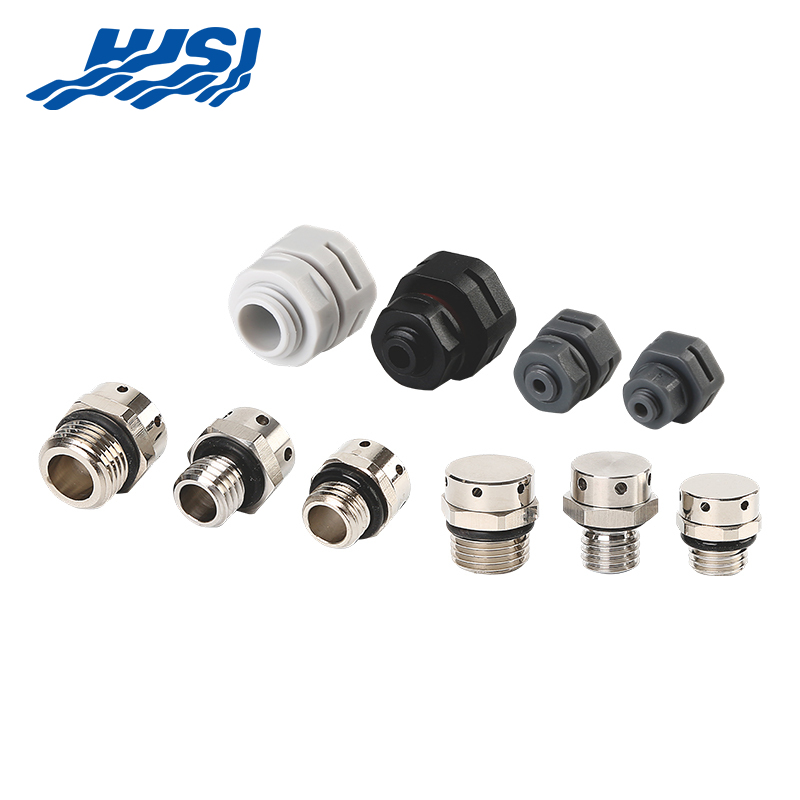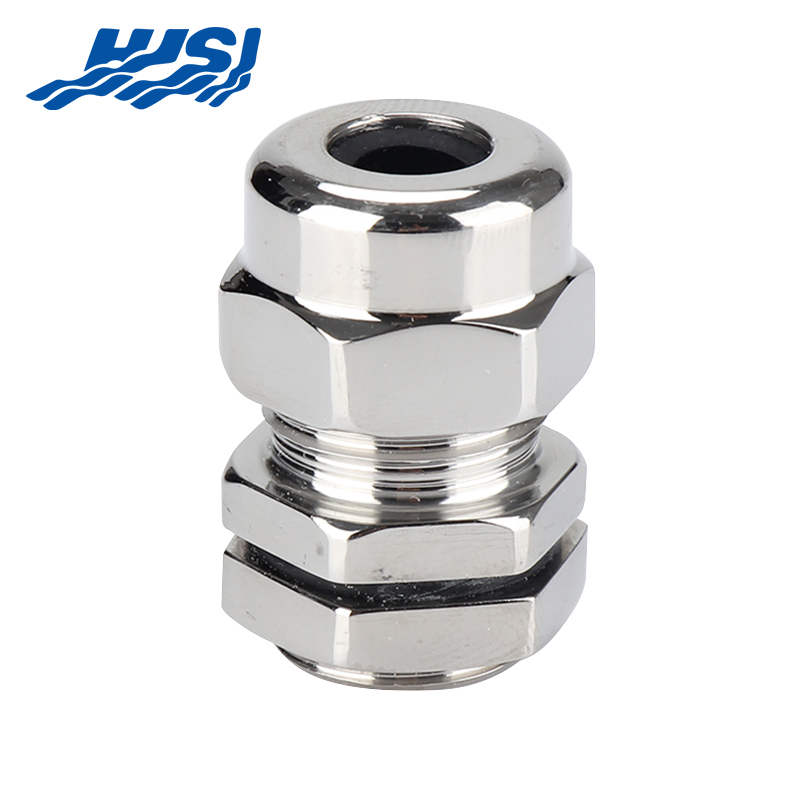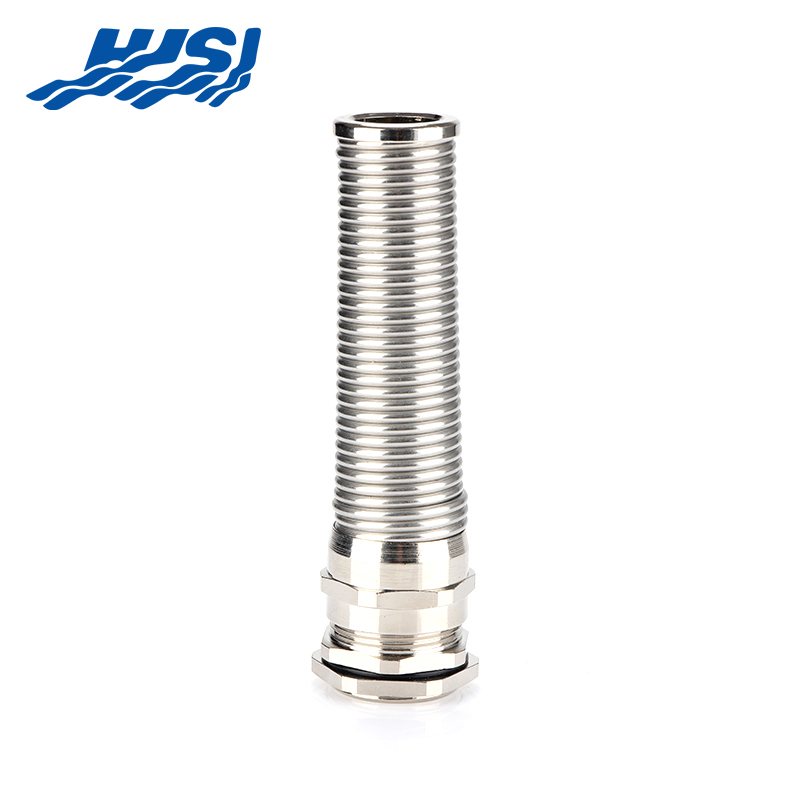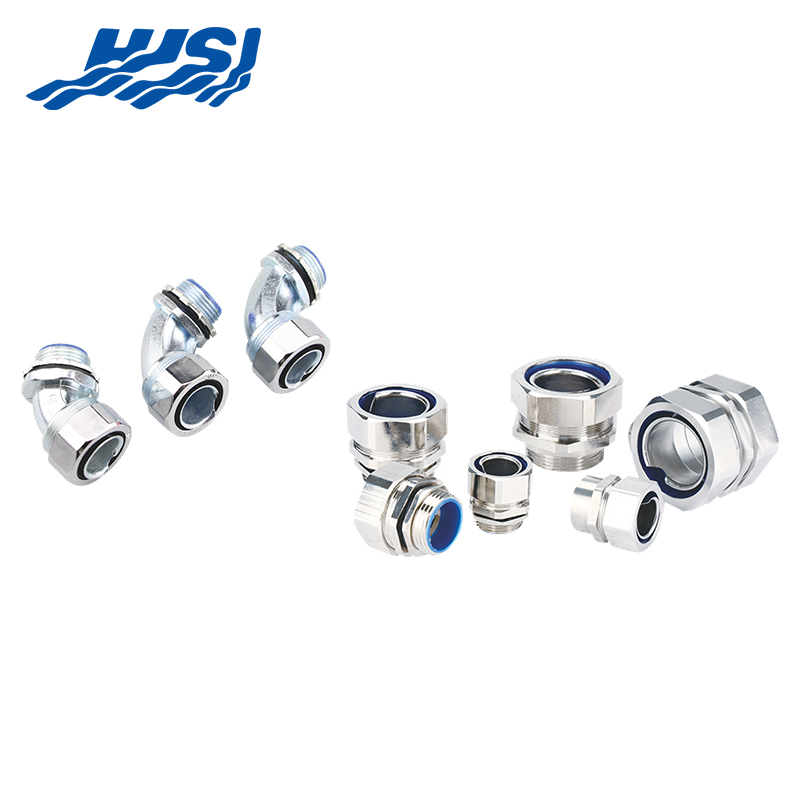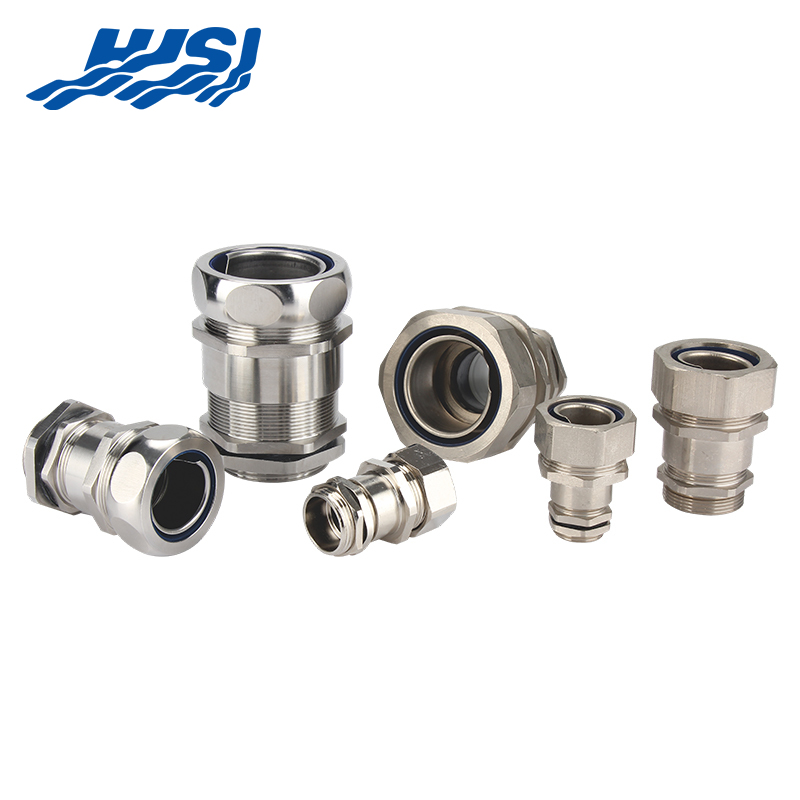
Catheter connectors play a vital role in medical tubing arrangements, joining catheter tubes to drainage bags, infusion lines, syringes, or other devices. These connections enable controlled movement of fluids such as urine, medications, nutritional solutions, or irrigation liquids while aiming to keep the pathway closed and functional. In settings from acute care units to home environments, the reliability of a catheter connector directly influences treatment continuity, patient mobility, and complication avoidance. A firm connection helps limit unintended separation, fluid escape, or external entry that could disrupt care or introduce hazards. Among the components that support secure and protected tubing pathways, a Conduit Gland can provide additional stability in specialized setups requiring enhanced sealing or strain relief at entry points. Many healthcare facilities and medical device assemblers rely on a trusted conduit gland supplier to obtain durable fittings that maintain integrity under demanding conditions, ensuring consistent performance where fluid pathways interface with enclosures or external elements.
Catheter connectors exist in multiple configurations to fit diverse clinical situations. Inline straight connectors link tubing segments for seamless continuation. Luer-based connectors use a tapered interface, with locking versions incorporating a threaded twist to hold components together. Barbed connectors feature ridged ends that embed into flexible tubing for grip. Quick-attach designs permit rapid joining and release, convenient for setups requiring periodic access.
Materials shape connector characteristics. Rigid plastics deliver structural support in pressurized applications, softer polymers allow flexibility during patient movement, and composite versions resist repeated stress. Internal components like compressible rings or elastomeric seals enhance fit stability.
Connectors appear across hospital rooms, rehabilitation centers, long-term facilities, and residential care. Vascular connectors facilitate medication or fluid administration, urinary connectors manage outflow, and enteral connectors deliver feeding solutions. Their function extends to maintaining directional flow, preventing reverse movement in certain cases, and facilitating hygienic handling.
Connection security combines mechanical engagement with sealing. Insufficient hold creates openings for separation or leakage. Awareness of design variations guides appropriate securing strategies.
Insecure catheter connections generate problems that accumulate gradually or arise abruptly. Fluid leakage reduces delivered volumes in infusion lines or leads to external wetting in drainage pathways. Leaks can irritate surrounding skin or create cleaning demands.
Unintended separation interrupts ongoing therapy. Patient repositioning, transfers, or daily activities may dislodge components, halting flow or releasing contents. In outflow systems, separation risks reverse movement or exposure.
| Issue | Primary Consequence | Key Trigger / Additional Risk |
|---|---|---|
| Leakage | Volume loss or external wetting | Skin irritation, extra cleaning |
| Disconnection | Therapy interruption, content release | Patient movement, transfers, daily activities |
| Outflow system separation | Reverse flow or exposure | Backflow, contamination risk |
External entry becomes more probable with loose interfaces. Gaps permit microbes, particles, or air intrusion. In access lines, this elevates infection potential at entry points or along pathways. Air presence can disrupt flow patterns or cause additional concerns.
Internal pressure changes amplify vulnerabilities. Increases may overcome weak engagement, while decreases draw in outside elements. Frequent attach-detach actions cause material fatigue, promoting gradual slippage.
Patient effects range from discomfort due to moisture or interruptions to extended recovery periods or secondary conditions needing intervention. Care teams encounter additional workload for reconnections, cleaning, or adjustments.
Regulatory alignment weakens with failures. Standards require closed, stable systems to minimize adverse events, and deviations prompt evaluations or changes. Expenses grow from component replacement, prolonged observation, or management of associated conditions.
Surrounding impacts include spill hazards requiring containment or affecting shared areas. Proactive security practices help mitigate these concerns.
Reliable connections provide gains in treatment consistency, patient experience, and care efficiency. Steady fluid transfer supports accurate administration or drainage, reducing variability in outcomes.
Stability permits greater patient activity without frequent concern over separation. In ambulatory or residential settings, this encourages participation and well-being.
Decreased external entry lowers infection likelihood, supporting healing and reducing additional procedures. Effective seals contribute to hygienic maintenance.
Component durability extends. Secure interfaces endure handling and shifts, lengthening intervals between changes.
Workflow benefits emerge. Teams allocate less time to troubleshooting separations, focusing on primary responsibilities. Patient satisfaction improves with fewer disruptions.
Guideline compliance simplifies. Stable systems align with risk-reduction expectations, easing oversight processes.
These benefits position secure connections as an essential element in tubing management.
Techniques for security encompass mechanical locking, supplementary reinforcements, and external stabilization. Threaded lock mechanisms engage securely when twisted into place. Push-on fittings use internal gripping elements for immediate hold.
External clamps apply controlled pressure around joints, enhancing stability in flexible segments. Adhesive straps or wraps provide additional fixation in dynamic situations.
Materials support effectiveness. Textured surfaces improve mechanical grip. Elastic inserts adapt to tubing contours for closer contact. Assembly aids ease initial placement without compromising final stability.
Technique selection aligns with context. Active mobility favors flexible reinforcements, while higher-pressure applications require firm locks.
Layered approaches increase reliability. Primary engagement combined with external aid offers multiple protections.
Surface condition affects outcomes. Clean, residue-free interfaces promote optimal contact. Size compatibility avoids loose or overly tight fits.
Application requires alignment, secure engagement, and stability verification. Gentle pull checks and visual examination confirm hold.
Adaptation to individual factors optimizes performance. In mobile individuals, aids permitting controlled movement gain priority.
Initial assessment identifies setup requirements, including intended duration, activity level, and fluid characteristics, informing method choice.
Component preparation involves inspection for integrity and confirmation of cleanliness.
Hygiene measures precede assembly. Where indicated, maintain sterile handling.
Alignment positions tubing ends straight. For lock types, insert and rotate until firm resistance or positive indication occurs. Avoid excessive force that risks material strain.
Barbed attachments demand even pressure to seat fully over ridges.
Supplementary aids apply uniformly, placed to avoid pressure points.
In sterile contexts, preserve field integrity during the process.
Verification includes light tug tests for resistance and inspection for alignment or gaps.
Avoid hurried actions that lead to incomplete seating or overlooked incompatibilities.
Documentation records method, time, and observations for reference.
Consistent monitoring sustains connection performance. Visual examinations detect looseness, surface wear, or leakage evidence near joints.
Planned intervals may involve re-engagement, aid adjustment, or replacement per observed condition or protocol.
Monitoring ranges from direct observation to indicators in specialized lines.
Frequency responds to context. Dynamic or higher-risk scenarios need closer intervals than stable ones.
| Monitoring Element | Core Action / Focus | Adjustment / Variation |
|---|---|---|
| Ongoing checks | Maintain performance | Consistent application |
| Visual inspection | Looseness, wear, leakage at joints | Main detection method |
| Scheduled actions | Re-secure, adjust aids, replace | Guided by condition/protocol |
| Range of methods | Observation → specialized indicators | Simple to advanced |
| Check frequency | Context-dependent | More frequent in high-risk/dynamic cases |
Records note findings, revealing patterns for refinement.
Improvements during checks adopt enhanced aids or designs.
Training emphasizes identification of insecurity markers such as drips, shifting, or patient reports.
Routine integration keeps connections under regular attention.
In an inpatient unit, a vascular connection with partial engagement leaks during movement. Delivery becomes inconsistent, necessitating replacement and adjustment.
A comparable connection with complete lock and reinforcement remains stable through activity, supporting continuous administration.
In residential drainage care, inadequate fixation separates during rest, resulting in spills and interrupted function.
Secure attachment with external stabilization maintains position, enabling consistent drainage.
These situations illustrate secure connections' influence on daily management.
Healthcare provisions specify connection security expectations. Requirements include engagement methods, compatibility, and risk-mitigation steps.
Familiarity supports adherence.
Updates incorporate new evidence, calling for periodic review.
Early implementation avoids subsequent revisions.
Surrounding and Sustainability Considerations
Secure connections decrease waste from frequent changes or cleanup needs, preserving supplies.
Spill avoidance reduces handling demands, protecting environments.
Material choices favor durable options where possible.
Stable systems contribute to resource-efficient care.
Progress introduces materials with superior grip and adaptability. Certain designs respond to minor displacements.
Status indicators in some systems provide feedback on condition.
These advances improve performance in varied applications.
Instruction addresses selection, application, and issue resolution.
Practical exercises develop proficiency across scenarios.
Programs confirm capability.
Ongoing education follows technique and material updates.
Quality aids involve upfront investment but decrease costs from complications, replacements, and extended management.
Analysis compares initial outlay with long-term reductions.
Monitoring budgets prevent unanticipated expenses.
Multi-component arrangements require uniform security across interfaces.
Variable positioning demands flexible aids.
Equilibrium between stability and comfort directs decisions.
Investigation pursues accessible, resilient materials. Feedback mechanisms could enable immediate awareness.
Sustainability influences lower-impact designs.
These directions indicate ongoing enhancement in tubing attachment reliability.
Manufacturers such as Zhejiang HJSI Connector Co., Ltd. support this application by producing a variety of conduit glands and related fittings in materials including brass, stainless steel (such as 304 and 316 grades), and nylon, engineered to deliver high levels of ingress protection, accommodate armored or flexible conduits, and perform reliably in marine, industrial, chemical, and hazardous-area installations.
Through design elements like compression sealing mechanisms, integrated clamping rings, robust threading, and specialized seals, these glands create a secure, watertight, and vibration-resistant entry point that preserves the conduit's protective continuity while enabling controlled cable routing. As conduit installations adapt to increasingly demanding conditions and regulatory expectations, integrating such purpose-built conduit glands offers a practical advancement toward sustained system integrity, reduced maintenance needs, and enhanced safety at critical transition points.

2nd Floor, Building 2, No. 188, Punan 3rd Road, Economic Development Zone, Yueqing City, Wenzhou City, Zhejiang Province, China

Copyright @ Zhejiang HJSI Connector Co., Ltd. All rights reserved.

China Waterproof Breathable Valve Manufacturer
 +86-15858552966
+86-13356176555
+86-15858552966
+86-13356176555
 English
 русский
 عربى
عربى