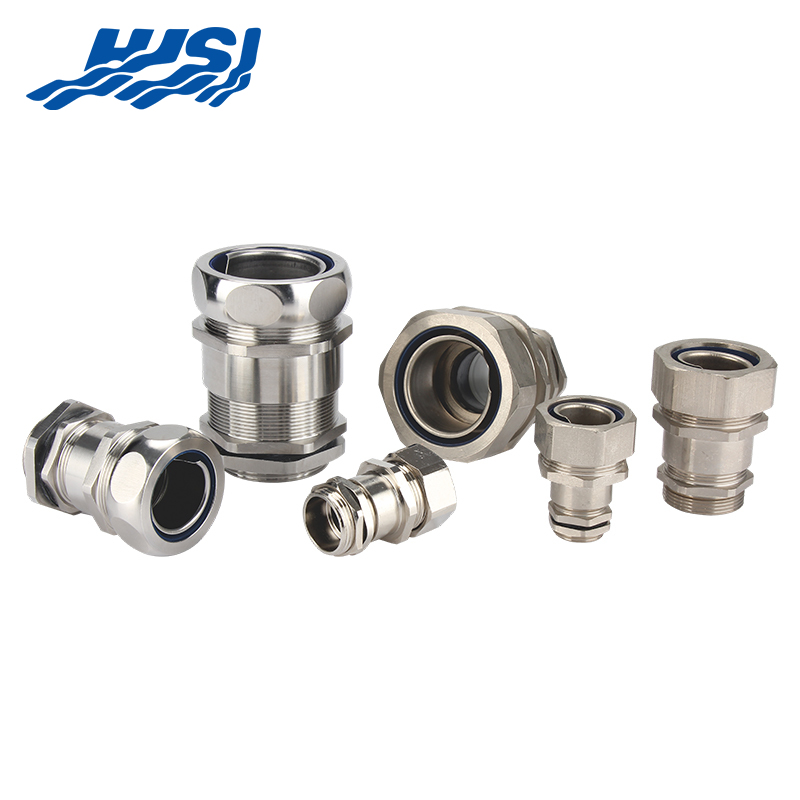
A control cabinet that keeps failing every rainy season, connectors that corrode faster than they should, dust building up inside an enclosure that was supposed to stay sealed, these are the kinds of headaches that send electrical engineers hunting for a better Industrial Gland before another shutdown eats into production hours. It is rarely one dramatic failure. Usually it is a slow pattern of small faults that finally forces someone to look at the sealing hardware instead of blaming the equipment itself. For engineers, panel builders, and procurement teams sourcing sealing components for industrial electrical systems, knowing how these fittings actually stop water and dust from getting in changes how you evaluate a supplier, not just how you read a spec sheet.
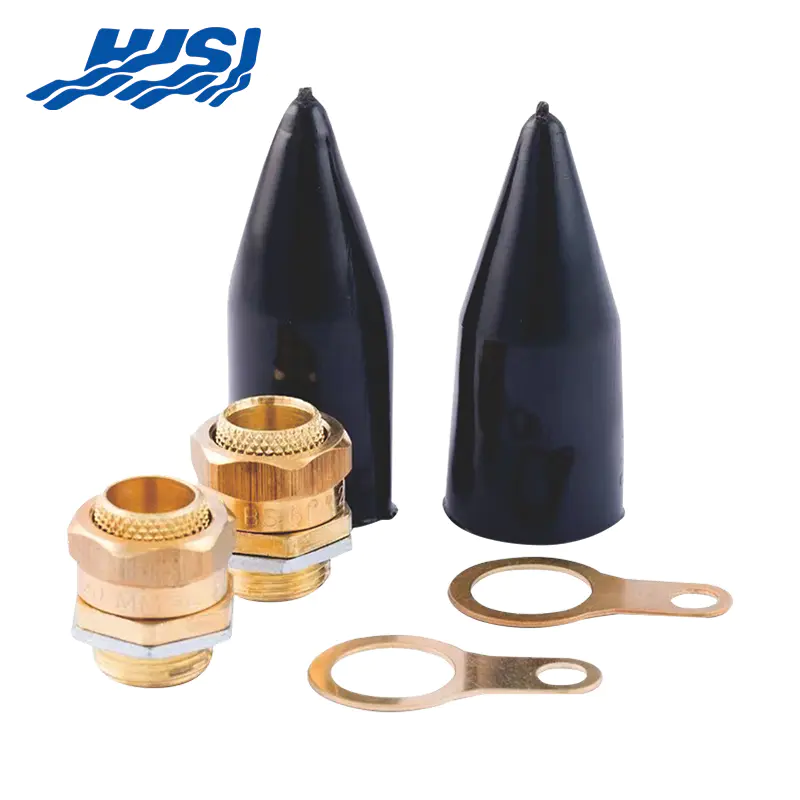
Cables need to pass through an enclosure wall somewhere, and that opening is exactly where trouble tends to start. Without a proper seal, condensation, splashing water, or humid air works its way through the smallest gap around a cable, eventually settling on components inside. Once moisture reaches a terminal block or a circuit board, corrosion starts, and corrosion rarely announces itself until a connection fails at an inconvenient moment.
Dust behaves in a similar way, just slower. Fine particles drift through unsealed openings and settle on internal surfaces over time, building up layers that trap heat, interfere with contacts, or in some environments, create a fire risk when combined with certain airborne materials. Neither problem happens overnight, which is part of why it gets overlooked until something finally breaks down.
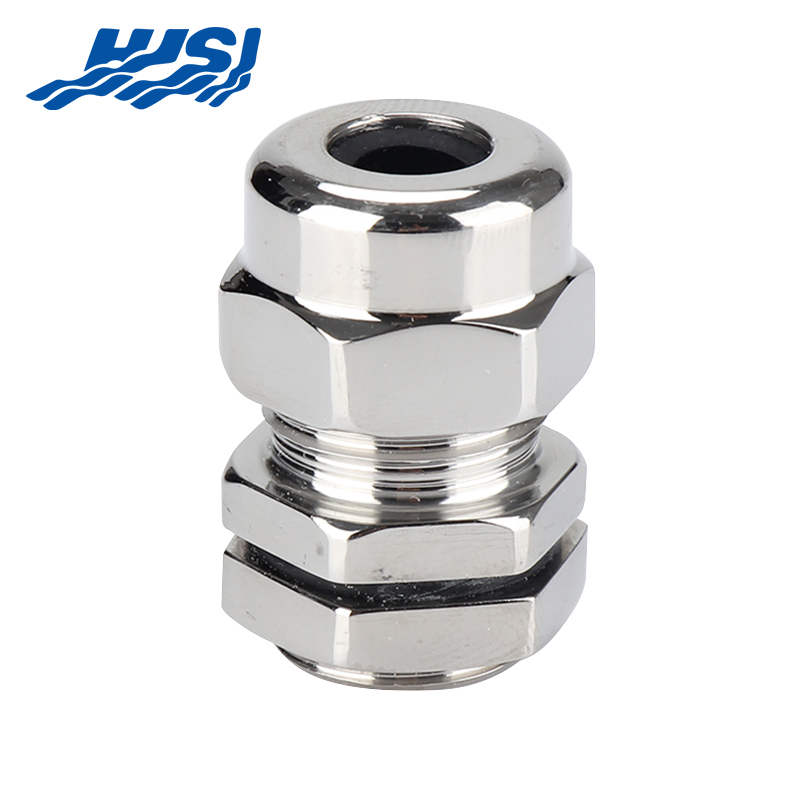
A gland fits around the point where a cable enters an enclosure, clamping down on the cable jacket while forming a tight seal against the enclosure wall itself. Done correctly, it blocks water and airborne particles from slipping through that gap, while also anchoring the cable so it does not get tugged or twisted loose during regular operation. Skip the sealing function and even a well built enclosure has a vulnerable point sitting right at eye level for anyone walking past a wet or dusty work floor.
Most sealing components carry an ingress protection rating, commonly shown as a two digit code that describes how well a fitting resists solid particles and liquid intrusion. Rather than getting lost in the exact numbering system, it helps to think of it as a scale. Lower ratings suit dry indoor environments with minimal dust concerns, while higher ratings become necessary for outdoor installations, washdown areas, or facilities where airborne particulate is a constant presence.
Buyers sourcing for outdoor junction boxes, food processing lines that get hosed down regularly, or mining equipment exposed to constant dust should treat this rating as a starting filter rather than an afterthought. Choosing a fitting rated for indoor office conditions and installing it outdoors is a mismatch that tends to surface within a single wet season.
Not every application calls for the same fitting, and understanding the differences saves buyers from ordering the wrong batch for a project.
| Gland Type | Primary Function | Suited Environment |
|---|---|---|
| Standard Industrial Gland | General cable entry sealing | Indoor panels, standard enclosures |
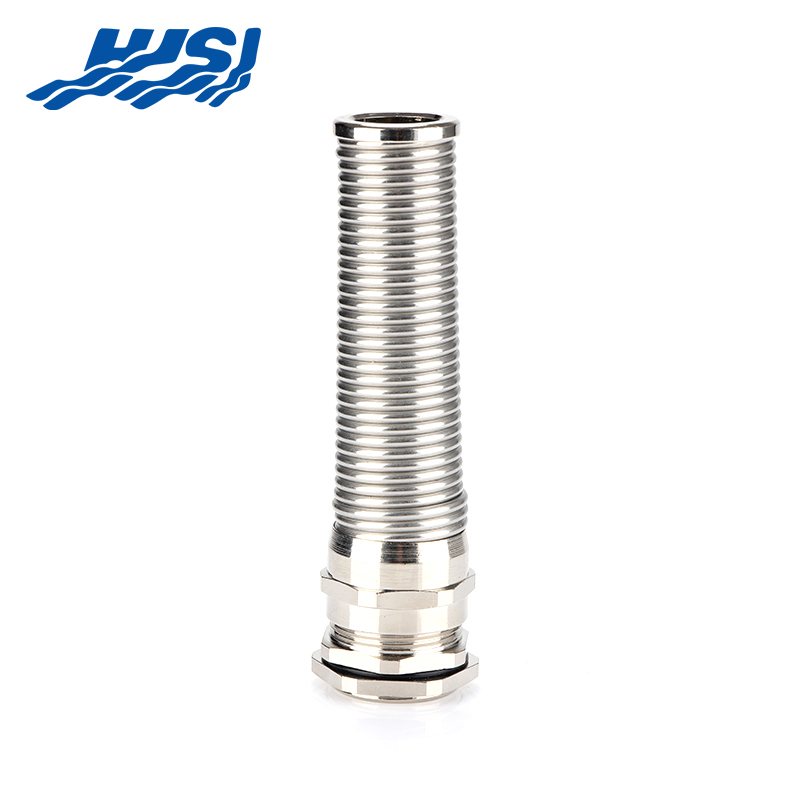
| Anti-bending Cable Gland | Reinforces cable at the entry point against repeated flexing | Machinery with vibration or moving cable runs |
| Cable Glands for Hazardous Areas | Prevents spark or heat transfer into flammable atmospheres | Oil and gas facilities, chemical plants, mining sites |
| Weatherproof Outdoor Gland | Blocks rain, humidity, and airborne dust | Outdoor junction boxes, rooftop installations |
Looking across this comparison, the choice usually comes down to two questions: what is the cable actually doing at that entry point, and what is the surrounding environment throwing at the equipment. A fitting chosen for one without considering the other tends to underperform no matter how well it was manufactured.
Yes, and this gets missed fairly often. Machinery that vibrates constantly, or cables that flex repeatedly during operation, put mechanical strain directly on the point where the cable meets the gland. A standard fitting can loosen over time under that kind of repeated movement, eventually breaking the seal even if it started out tight. An anti-bending cable gland addresses this by reinforcing the cable at the entry point, reducing strain concentration and helping the seal hold up through continuous flexing rather than failing after a few months of vibration exposure.
Facilities handling flammable gases, vapors, or combustible dust cannot treat sealing hardware as a routine purchase. A spark, or even excess heat transferring through an improperly sealed cable entry, can trigger consequences far beyond a simple equipment failure. Cable Glands for Hazardous Areas are built specifically to prevent that kind of heat or spark transmission, often incorporating flame paths and certified sealing compounds designed to contain any internal ignition rather than letting it escape into the surrounding atmosphere.
Buyers working in oil and gas, chemical processing, or grain handling facilities where combustible dust is a known concern should treat this category as a compliance requirement rather than an optional upgrade, since regulatory inspections in these sectors tend to focus heavily on sealing integrity at every cable entry point.
Skipping any of these steps tends to surface as a maintenance headache down the line, usually discovered during an inspection or after the first failure rather than beforehand.
Even a well designed fitting underperforms if manufacturing tolerances are inconsistent from batch to batch. Buyers sourcing through a Cable Gland Factory relationship benefit from asking about quality testing procedures, material certificates, and whether sample batches are available before committing to a larger order. A supplier willing to walk through these details tends to be a more dependable long term partner than one offering only a catalog and a price sheet.
Water and dust rarely announce their arrival with a dramatic failure, they creep in slowly through the smallest unsealed gap and eventually cost far more in downtime and replaced components than a proper fitting would have cost upfront. Choosing the right Industrial Gland for a given cable entry point, whether that means a standard indoor fitting, a reinforced design for vibrating machinery, or a certified option for hazardous atmospheres, protects the equipment behind that panel wall far more reliably than hoping the enclosure alone will hold up against the environment around it. Zhejiang HJSI Connector Co., Ltd. works with engineers and procurement teams sourcing sealing solutions across these different industrial settings, and sharing your cable specifications, environmental conditions, and any certification requirements is a practical way to start narrowing down the right fitting for your project.

2nd Floor, Building 2, No. 188, Punan 3rd Road, Economic Development Zone, Yueqing City, Wenzhou City, Zhejiang Province, China

Copyright @ Zhejiang HJSI Connector Co., Ltd. All rights reserved.

China Waterproof Breathable Valve Manufacturer
 +86-15858552966
+86-13356176555
+86-15858552966
+86-13356176555
 English
 русский
 عربى
عربى