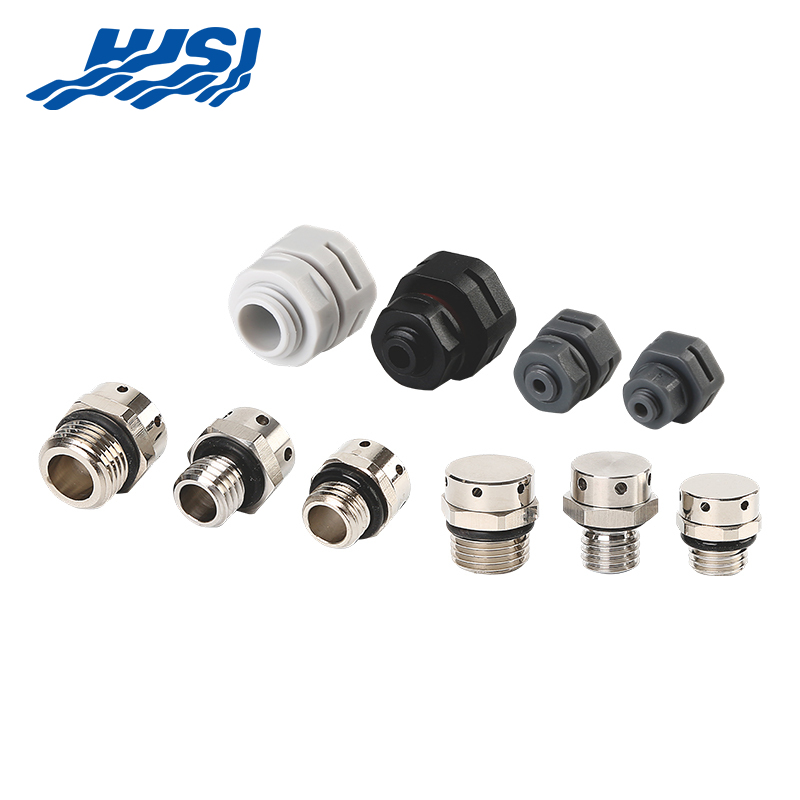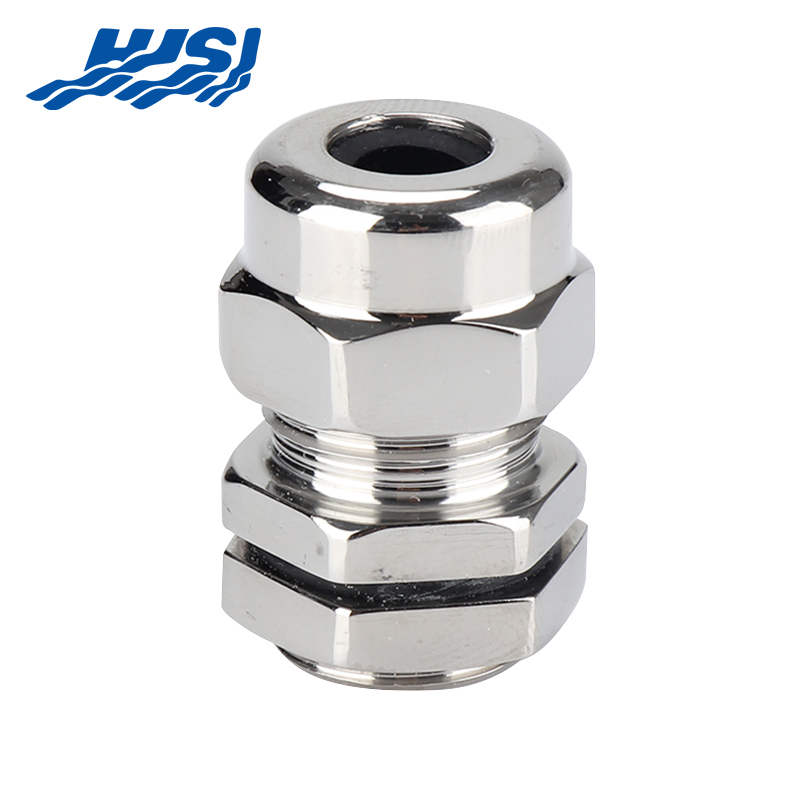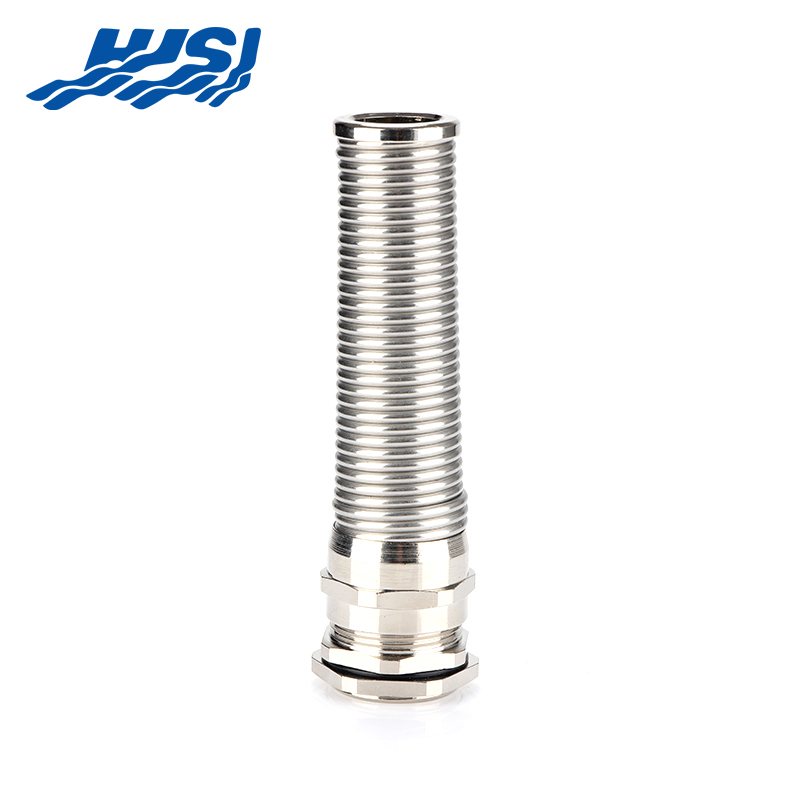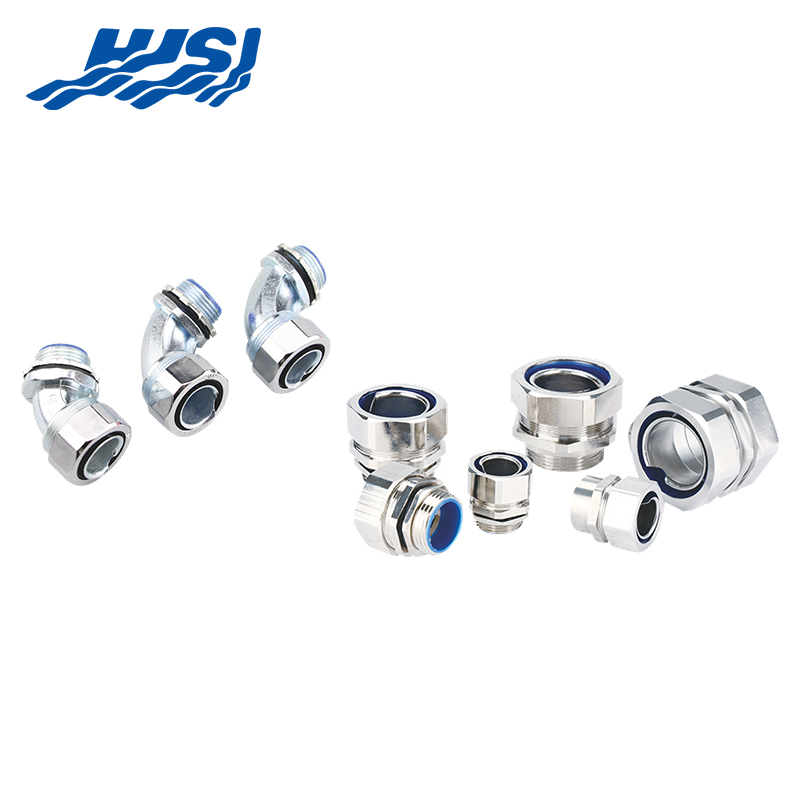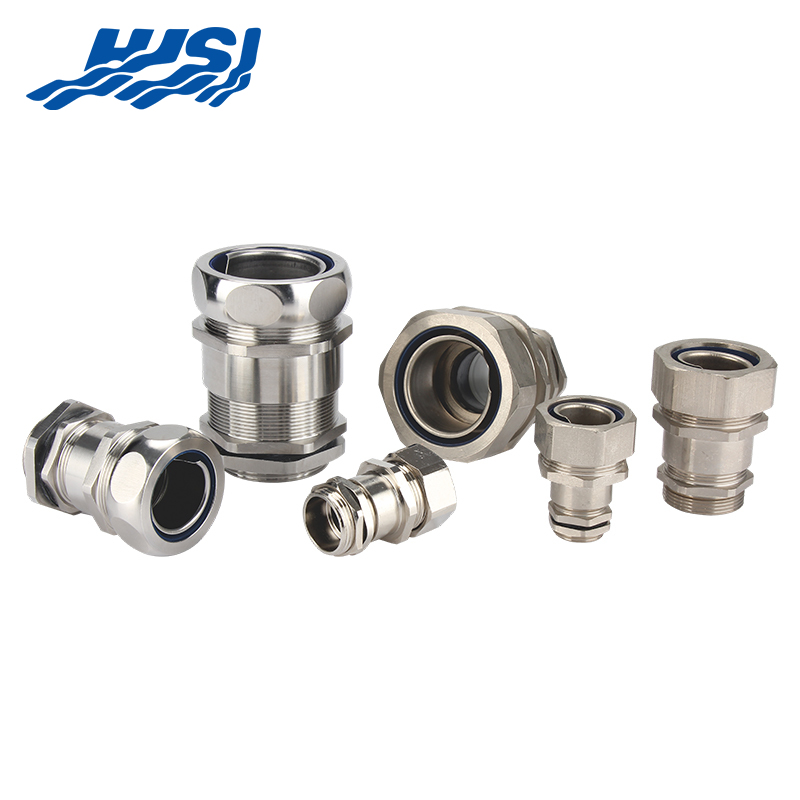
If you've ever walked a facility and wondered whether the cable entry points on your equipment could actually survive a spark or gas leak, you're asking exactly the right question. Cable Glands for Hazardous Areas exist precisely because a loose or poorly sealed cable connection can turn a routine electrical fault into something far more dangerous, especially in environments where flammable gas, vapor, or dust is part of daily operations. Engineers and safety managers who've dealt with a near miss understand this urgency better than anyone reading a spec sheet from a distance. The tricky part is that not every cable gland marketed as industrial actually meets the demands of a genuinely hazardous environment. Some look similar on the outside but lack the sealing integrity or certification needed to prevent ignition sources from reaching flammable atmospheres. Understanding what separates a standard gland from one built for hazardous duty matters considerably before any purchasing decision gets made.
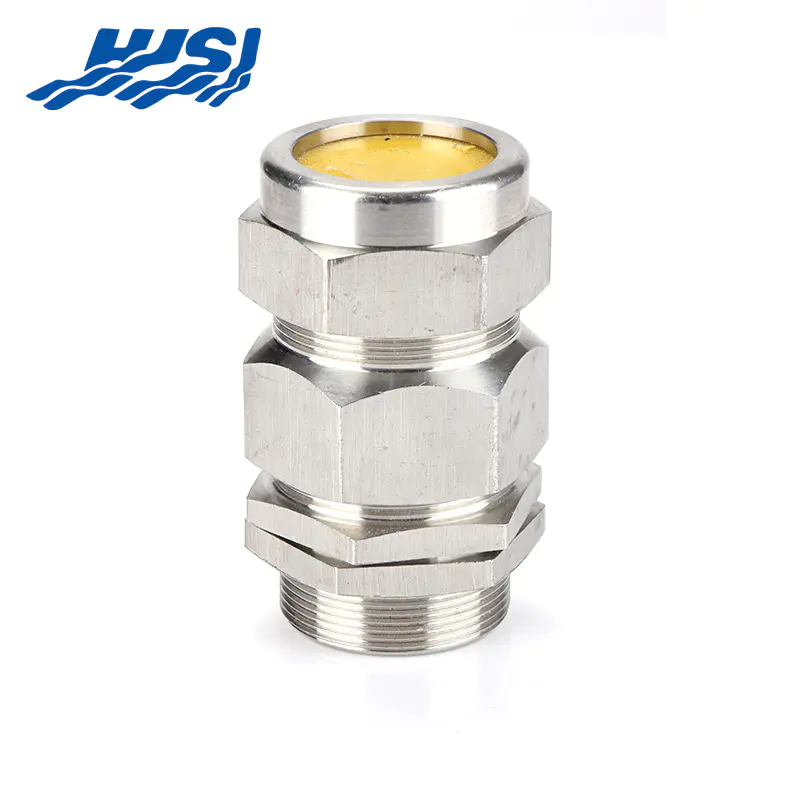
Before getting into the gland itself, it helps to define the environment it's protecting. A hazardous area is any location where flammable gases, vapors, or combustible dust exist in concentrations that could ignite under the wrong conditions.
In every one of these settings, electrical equipment becomes a genuine risk point. Sparks, arcing, or even excessive heat from a poorly sealed cable entry can serve as the ignition source for an explosion that starts small and escalates fast.
This is the core function worth explaining clearly, since a lot of buyers understand that glands matter without fully grasping the mechanism behind it.
A cable gland works by creating a sealed, mechanically secure connection point where a cable enters an enclosure, junction box, or piece of equipment. In a hazardous area application, that seal has to do more than just keep out moisture or dust.
Without this combination of sealing and containment, even a properly rated enclosure loses much of its protective value, since the cable entry becomes the weak point where hazards slip through.
This question comes up constantly, and the honest answer is no, not reliably. Standard glands are built for general industrial use, keeping out dust and water under normal conditions. They aren't designed or tested against the specific ignition and containment requirements that hazardous zones demand.
A gland intended for hazardous duty typically undergoes testing and certification against recognized explosion protection standards, confirming that it can maintain sealing integrity and containment even under stress conditions that a standard product was never evaluated against. Using a general-purpose gland in a classified hazardous zone isn't just a compliance gap, it's a genuine safety gap that shows up exactly when conditions turn dangerous.
| Feature | Standard Cable Gland | Hazardous Area Cable Gland |
|---|---|---|
| Sealing Performance | Basic moisture and dust resistance | Tested for gas and vapor ignition prevention |
| Explosion Containment | Not designed for this function | Built to contain internal ignition events |
| Certification | General industrial rating | Specific hazardous area certification |
| Strain Relief | Often minimal | Reinforced for long-term mechanical stress |
| Typical Application | Offices, general manufacturing | Oil and gas, chemical, mining, pharmaceutical facilities |
This comparison highlights why substituting one for the other, even temporarily, creates risk that isn't always obvious until something goes wrong in the field.
Choosing the right gland involves more than picking whatever fits the cable diameter. A few factors deserve close attention before committing to an order.
Skipping any of these checks tends to surface problems later, usually during an inspection or, worse, during an actual incident where the gap becomes impossible to ignore.
It's worth noting that hazardous area classification isn't uniform across industries, and that affects which gland specifications actually apply.
Offshore oil platforms deal with constant moisture, salt exposure, and vibration alongside explosion risk, pushing toward corrosion-resistant materials with strong mechanical strain relief. Grain processing facilities face combustible dust rather than gas, which changes the sealing approach somewhat since dust behaves differently than vapor when it comes to ignition pathways. Chemical plants often deal with a wider range of volatile compounds, meaning material compatibility becomes just as important as the explosion rating itself.
Recognizing these differences helps buyers avoid a one-size-fits-all mistake, where a product that performs well in one hazardous setting turns out poorly matched for another with different environmental demands.
Once the technical requirements are clear, sourcing becomes the practical next step. A few questions tend to separate a dependable industrial gland supplier from one that just lists generic specifications.
Ask directly whether certification documentation is available for review, rather than taking a marketing claim at face value. Confirm whether the supplier can accommodate specific cable types, armor configurations, or unusual diameter requirements rather than offering only a narrow standard range. And where possible, request physical samples for internal testing before committing to a larger order, since real handling often reveals quality differences that a data sheet alone won't show.
Working with a manufacturer that understands hazardous area requirements across multiple industries, rather than one narrow application, generally signals a stronger technical foundation and more consistent product quality across repeat orders.
Protecting a facility against ignition risk at every cable entry point isn't a detail that belongs at the bottom of a procurement checklist, it deserves attention early in the planning process, right alongside enclosure selection and overall electrical design. Facilities that treat sealing and containment as an afterthought tend to discover the gap during an audit or, worse, during an actual incident, when the cost of getting it wrong extends far beyond a replacement part. Matching the right certification, material, and mechanical strength to the specific hazardous classification of a facility reduces that risk considerably, and it also simplifies compliance conversations down the road. For teams ready to move from evaluation into sourcing, Zhejiang HJSI Connector Co., Ltd. supports industrial buyers with cable gland solutions built for hazardous area applications, offering the certification transparency and production capability needed to match specific facility requirements, and welcomes inquiries from engineers and procurement teams working through exactly this kind of decision.

2nd Floor, Building 2, No. 188, Punan 3rd Road, Economic Development Zone, Yueqing City, Wenzhou City, Zhejiang Province, China

Copyright @ Zhejiang HJSI Connector Co., Ltd. All rights reserved.

China Waterproof Breathable Valve Manufacturer
 +86-15858552966
+86-13356176555
+86-15858552966
+86-13356176555
 English
 русский
 عربى
عربى