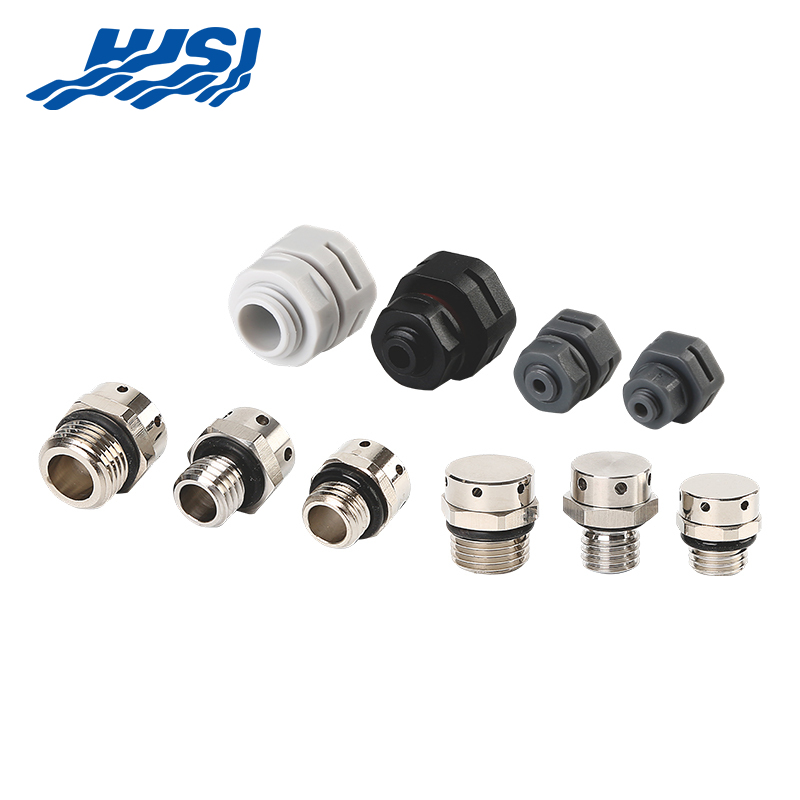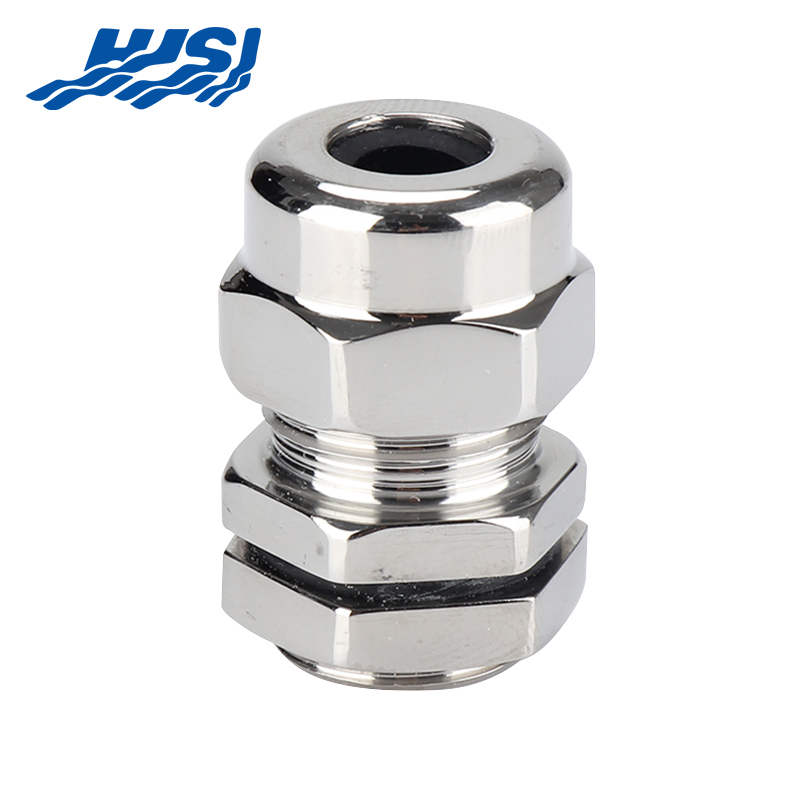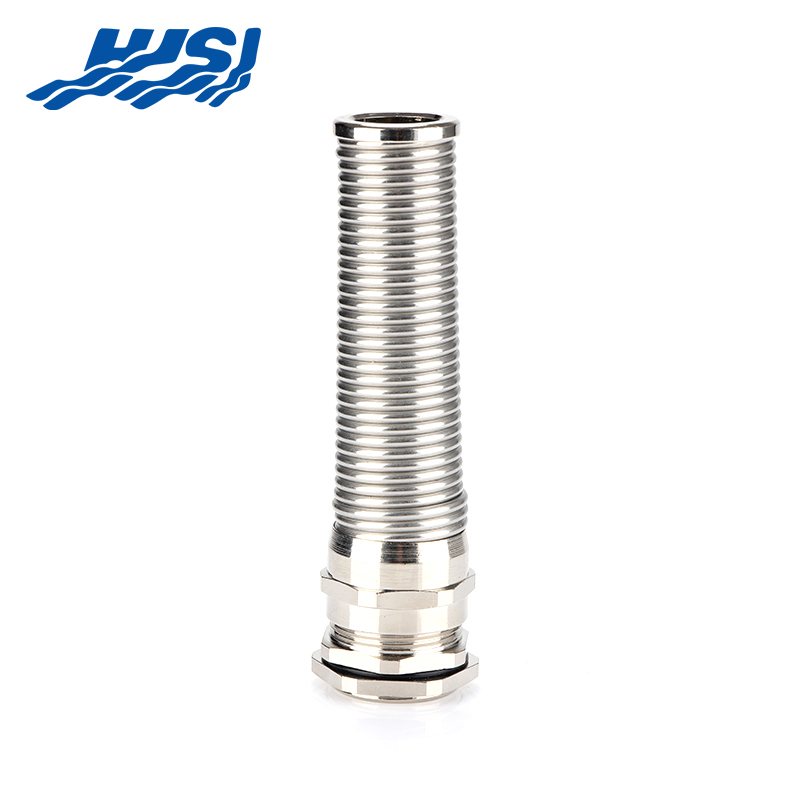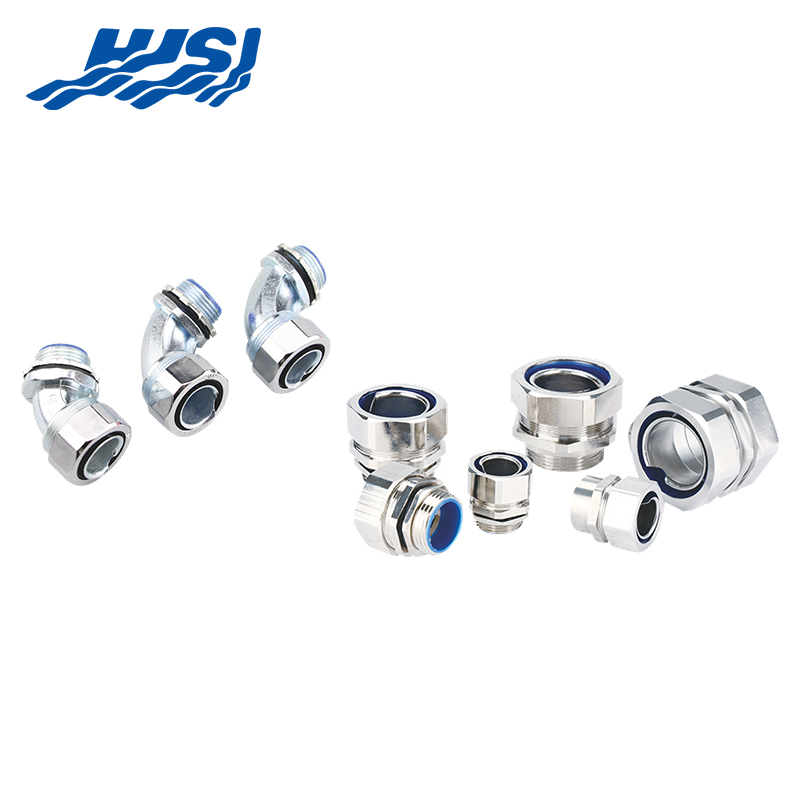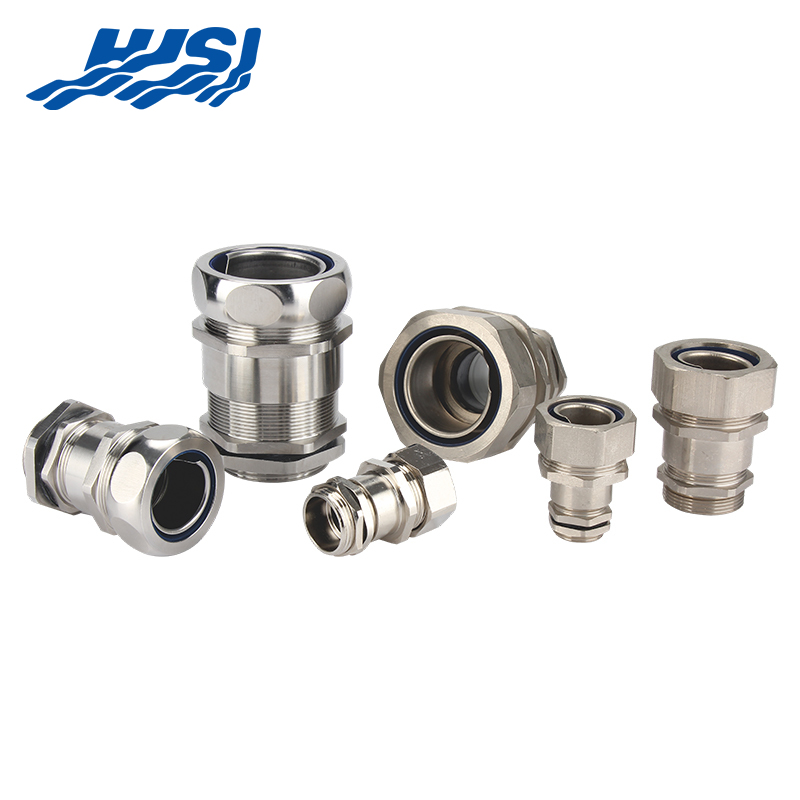
When designing and installing electrical systems in industrial or commercial settings, selecting the right conduit type is essential to ensure safety, durability, and ease of maintenance. Flexible steel conduit provide a versatile solution, combining the strength of steel with the adaptability needed for complex layouts, vibration-prone environments, and retrofitted installations.
Flexible steel conduits are specifically designed to handle challenging conditions in industrial and commercial settings. Their design combines the mechanical strength of steel with the flexibility required for complex installations. The following sections explore key advantages that make FSCs a preferred choice in many scenarios.
Industrial environments often involve machinery that generates significant vibrations. Vibrating equipment can stress electrical cables, potentially causing damage to insulation, connectors, or conductors over time. Flexible steel conduits absorb and distribute these vibrations, preventing direct transmission to the cables inside. This capability reduces wear and helps maintain consistent electrical performance. Whether in manufacturing plants, production lines, or machinery-intensive areas, FSCs provide the stability needed to safeguard wiring systems.
In addition to vibration resistance, flexible conduits also offer mechanical protection against incidental impacts. In environments where tools, carts, or moving equipment operate nearby, cables housed within FSCs are less likely to be damaged by collisions or abrasions. This resilience contributes to long-term operational reliability and reduces the need for frequent repairs.
One of the most notable advantages of flexible steel conduits is their ability to navigate complex pathways without extensive fittings or junction boxes. In many facilities, wiring must pass through tight spaces, around corners, or over equipment that cannot be relocated. FSCs allow small-angle bending directly along their length, which simplifies routing and reduces installation time.
This flexibility also supports retrofitting or upgrading existing systems. When new equipment is added or layouts change, flexible conduits can be adjusted to accommodate additional runs or modified paths. This adaptability reduces the need to dismantle existing rigid conduit networks, which can be labor-intensive and disruptive.
Electrical cables require protection from environmental and mechanical hazards. Flexible steel conduits provide a continuous metal barrier around the wires, shielding them from physical damage, moisture, and chemical exposure. While not intended for extreme corrosive conditions without additional treatment, FSCs perform reliably in standard industrial settings, offering sufficient protection for long-term operation.
The conduits also prevent accidental contact with live wires, which enhances workplace safety. By enclosing cables within a sturdy, yet flexible, steel layer, FSCs reduce the risk of short circuits, electrical shocks, and system interruptions caused by damage to exposed conductors.
Industrial facilities evolve over time. Production lines may be modified, equipment relocated, or expansions undertaken to accommodate new processes. Flexible steel conduits allow electrical systems to adapt alongside these changes. Installers can reroute existing conduits with minimal disassembly, accommodating additional circuits or changes in cable paths. This adaptability is a practical advantage over rigid conduits, which typically require precise measurement, cutting, and joining with numerous fittings to achieve the same result.
Flexible conduits also support modular electrical system designs. In environments where equipment configurations frequently change, the ability to adjust conduit layout without major disruptions improves efficiency and reduces installation costs over the long term.
The robust construction of flexible steel conduits contributes to their longevity. They withstand repeated stress, bending, and environmental exposure without compromising structural integrity. While steel can be susceptible to corrosion in certain conditions, proper selection, coating, or integration with environmental protection measures ensures reliable performance in many applications.
Durability is not only about resisting physical damage; it also includes maintaining electrical safety and shielding properties. FSCs provide consistent protection for cables under varying operational conditions, ensuring that both power and signal integrity are preserved over time.
When designing electrical systems, choosing between flexible and rigid conduits depends on several operational factors. While both have unique advantages, understanding their differences ensures that the right type is applied for the intended purpose.
Rigid conduits require precise cutting and multiple fittings to navigate corners and bends. Installation can be time-consuming, especially in spaces with limited accessibility. Flexible steel conduits, by contrast, simplify the process. Their inherent flexibility allows them to follow complex pathways with fewer connectors, reducing labor and installation time.
The ability to bend FSCs on-site reduces the need for additional fittings, which also minimizes the risk of loose connections or installation errors. In retrofit projects or confined spaces, this flexibility can translate to significant efficiency gains.
Rigid conduits offer high mechanical strength and are ideal for long, straight runs or areas where heavy impact resistance is required. However, they may transmit vibrations and stress directly to the cable if not properly supported. Flexible conduits provide mechanical protection while also absorbing vibrations, making them particularly suitable for dynamic or machinery-heavy environments.
Both conduit types protect against accidental impact, but flexible conduits offer an advantage where vibration damping and repeated bending are necessary for system longevity.
While rigid conduits maintain form and alignment over long distances, they lack the ability to adapt to non-linear paths without additional fittings. Flexible steel conduits excel in situations requiring curved routes or unconventional layouts. Small adjustments in positioning or alignment can be achieved without replacing sections or adding extensive hardware.
For installations where future modifications are anticipated, FSCs provide a more accommodating option, allowing electrical networks to evolve with the facility's operational needs.
Initial cost considerations often influence material selection. Rigid conduits can be less expensive per unit length but may incur higher labor costs due to more complex installation. Flexible conduits may have a higher material cost, but reduced installation time and fewer required fittings can offset the difference.
Maintenance practices differ as well. Rigid conduits require visual inspections for corrosion, impact damage, or loose fittings. Flexible conduits also require inspection, particularly in areas where repeated bending or mechanical stress occurs, but their design often makes replacement or rerouting less disruptive.
Flexible steel conduits are well-suited for industrial environments with machinery, moving equipment, or vibration exposure. They are also advantageous in retrofitting projects, complex layouts, and applications requiring frequent changes. Rigid conduits remain suitable for straightforward installations where structural rigidity, impact resistance, and long-term stability are priorities.
Selecting the appropriate conduit type depends on understanding environmental conditions, operational demands, and maintenance capabilities. Combining both types in a single installation can also provide a balanced approach, leveraging the strengths of each material where needed.
Proper installation is essential for maximizing the benefits of flexible steel conduits. The following practices help maintain electrical safety, mechanical stability, and long-term performance.
| Aspect | Rigid Conduit | Flexible Steel Conduit |
|---|---|---|
| Installation | Requires cutting and multiple fittings | Bends on-site, fewer connectors |
| Mechanical Protection | Strong impact resistance | Absorbs vibration, protects cables |
| Flexibility | Limited; needs extra fittings for curves | Adapts to curves and layout changes |
| Cost & Maintenance | Lower material cost, higher labor | Higher material cost, easier rerouting |
| Application | Straight runs, stable installations | Industrial, retrofit, complex layouts |
Proper installation is essential for maximizing the benefits of flexible steel conduits. The following practices help maintain electrical safety, mechanical stability, and long-term performance.
Flexible conduits should be cut cleanly with appropriate tools to prevent fraying or deformation of the steel. Bends should be made gradually to avoid kinking, which can compromise both structural and cable protection. Securing conduits with clamps or supports ensures that they remain in place and prevents sagging or movement that may stress the wires inside.
Electrical safety requires that metallic conduits be properly grounded. Flexible steel conduits must be bonded to the system's grounding points to prevent electrical faults and provide a path for stray currents. Proper grounding enhances protection against electrical shock and interference with sensitive equipment.
Although FSCs provide mechanical protection, environmental factors such as moisture, dust, and moderate chemical exposure should be considered. Installing conduits in a manner that prevents water pooling, exposure to corrosive agents, or physical damage helps maintain system reliability. Protective coatings or sleeves can extend conduit life in demanding environments.
Flexible conduits connect with junction boxes, panels, and other fittings. Ensuring secure connections without gaps or misalignment prevents mechanical strain and maintains shielding and protection. Using compatible fittings reduces the risk of leakage or loosening over time
Electrical systems must adhere to relevant codes and standards. Flexible steel conduits assist in meeting these requirements by providing reliable mechanical protection, grounding continuity, and environmental sealing. Inspecting installations regularly, confirming proper torque on fittings, and monitoring for wear or corrosion ensures ongoing compliance.
In environments subject to vibrations, chemical exposure, or temperature fluctuations, inspection routines help detect potential issues early. Preventive measures, including re-tightening clamps, replacing damaged segments, or applying protective coatings, contribute to both safety and reliability.
| Aspect | Key Points |
|---|---|
| Compliance | Supports adherence to electrical codes and standards |
| Mechanical Protection | Ensures grounding continuity and environmental sealing |
| Inspection | Regular checks for torque, wear, corrosion, and damage |
| Preventive Measures | Re-tighten clamps, replace damaged sections, apply protective coatings |
| Environmental Considerations | Handles vibration, chemicals, and temperature changes |
Flexible steel conduit technology continues to evolve. Modular designs allow for faster installation and easier integration with smart electrical systems. Hybrid materials with enhanced corrosion resistance or integrated electromagnetic shielding expand FSC applications into new industrial sectors. These innovations enable facilities to implement adaptable, safe, and efficient wiring systems while maintaining aesthetic and operational standards.
Flexible steel conduits continue to play a vital role in modern electrical installations, offering mechanical protection, vibration damping, and adaptability that rigid conduits cannot match in dynamic environments. Zhejiang HJSI Connector Co., Ltd. provides durable products, technical support, and tailored solutions to meet the evolving needs of industrial and commercial facilities.

2nd Floor, Building 2, No. 188, Punan 3rd Road, Economic Development Zone, Yueqing City, Wenzhou City, Zhejiang Province, China

Copyright @ Zhejiang HJSI Connector Co., Ltd. All rights reserved.

China Waterproof Breathable Valve Manufacturer
 +86-15858552966
+86-13356176555
+86-15858552966
+86-13356176555
 English
 русский
 عربى
عربى