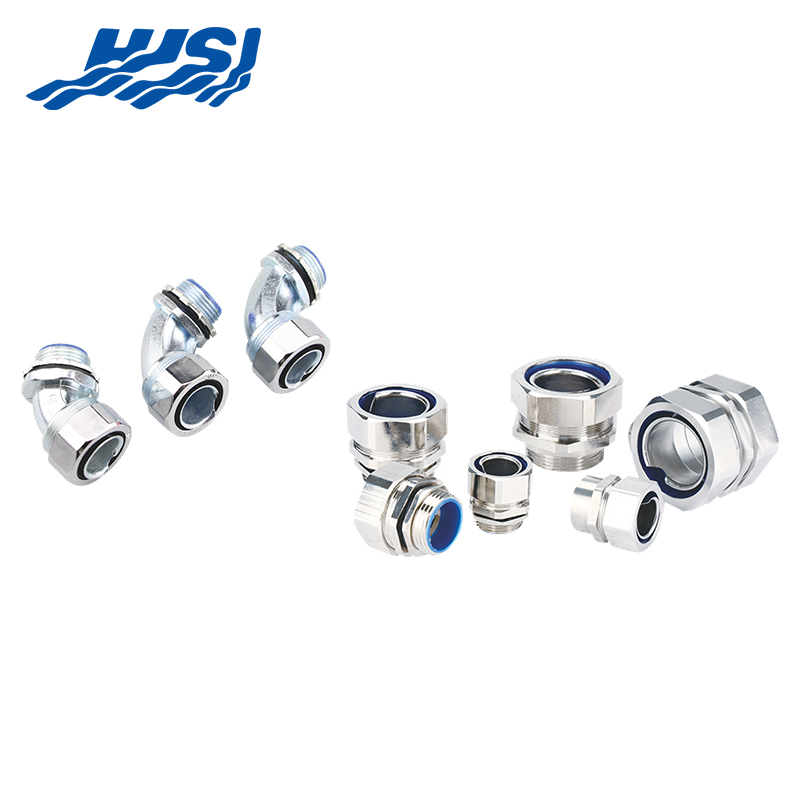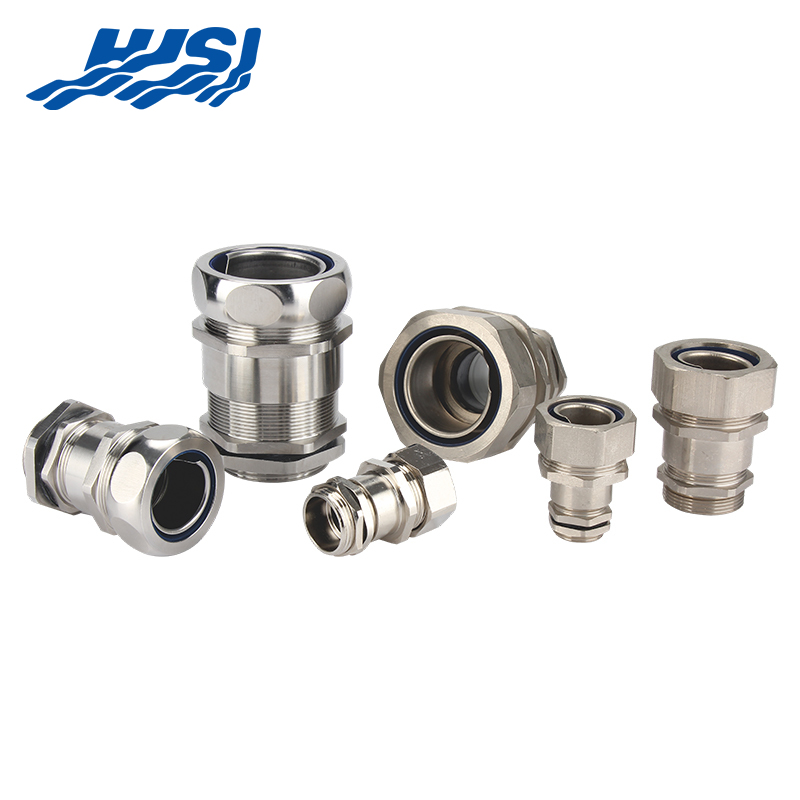
Electrical infrastructure in modern industrial and commercial environments typically requires solutions that combine durability, adaptability, and safety. Flexible steel conduit (FSC) is a reliable line protection solution, particularly suitable for environments with vibration, mechanical stress, or frequent modifications. These conduits combine mechanical shielding and flexibility, making them an indispensable component in a wide range of applications, from heavy machinery to commercial retrofits and specialized installations.
Flexible steel conduits provide protection for cables while allowing for adjustments to wiring and layout. Unlike rigid conduits that maintain a fixed shape and require additional fittings to bend, flexible steel conduits can adapt to bends and complex paths without compromising cable integrity. They absorb mechanical vibrations and accommodate dynamic movement, making them suitable for industrial environments with machinery, mobile equipment, or heavy-duty operations.
Flexible steel conduits are widely used in manufacturing plants, commercial buildings, and specialized installations such as marine or automotive systems. These conduits combine structural strength and flexibility, ensuring long-term durability and operational efficiency. Furthermore, they play a crucial role in maintaining electrical safety, protecting cables from mechanical damage, environmental hazards, and accidental contact.
Choosing the appropriate material for a flexible steel conduit is a critical decision that impacts its performance, lifespan, and suitability for the intended environment. Common materials include stainless steel, galvanized steel, and coated steel variants, each offering unique characteristics in terms of strength, corrosion resistance, and flexibility.
This material provides excellent resistance to corrosion, particularly in environments exposed to moisture, chemicals, or fluctuating temperatures. Stainless steel conduits maintain their structural integrity over prolonged use and are less prone to degradation under mechanical stress. They are especially suitable for areas where vibration, repeated bending, or exposure to harsh conditions is expected.
Galvanized options offer a balance between mechanical protection and cost-effectiveness. The zinc coating protects the steel from environmental exposure and helps prevent surface corrosion. Galvanized conduits perform well in indoor and moderately demanding outdoor conditions, providing adequate durability and strength for most commercial and industrial applications.
Some FSCs feature additional coatings or protective layers to enhance their resistance to chemical exposure, abrasion, or UV light. These coatings extend the service life of the conduit and reduce maintenance requirements, particularly in aggressive environments. Material selection should be guided by environmental factors, operational demands, and long-term maintenance considerations.
Regardless of the material, the mechanical strength of the conduit ensures that cables remain shielded from impact, vibration, and bending forces. Durability depends not only on the inherent material properties but also on correct installation and periodic maintenance, which collectively extend operational reliability.
Installation practices significantly influence the performance and longevity of flexible steel conduit systems. While FSCs provide adaptability, improper handling or poor installation can compromise their protective function. The following practices are recommended to maintain both mechanical and electrical integrity.
Routine maintenance and inspection are essential to ensure that flexible steel conduits continue to perform effectively over time. Regular monitoring detects early signs of wear, corrosion, or mechanical stress and allows preventive actions before issues escalate.
Electrical systems must adhere to regulatory codes and industry standards. Flexible steel conduits contribute to compliance by providing reliable mechanical protection, continuity for grounding, and environmental sealing. Regular inspections, torque verification for fittings, and monitoring for wear or corrosion help maintain these standards over time.
Flexible steel conduits find applications across diverse environments. In industrial settings, they protect cables near machinery, conveyors, and moving equipment, absorbing vibrations and supporting dynamic operations. Commercial buildings benefit from FSCs in retrofitted wiring or layouts requiring adjustments without extensive remodeling.
Marine and automotive systems utilize flexible conduits for vibration damping and space-constrained installations, while public facilities, hospitals, and educational institutions rely on FSCs for reliable cable protection under continuous use. Specialty projects, including temporary or modular installations, also benefit from the adaptability and protective qualities of flexible steel conduits.
The versatility of FSCs allows them to accommodate evolving operational needs. Whether modifying a wiring layout, upgrading machinery, or adapting to environmental changes, flexible steel conduits provide a reliable solution that balances protection, adaptability, and long-term performance.
Selecting the right conduit system and ensuring proper installation are only part of maintaining reliable electrical infrastructure. Zhejiang HJSI Connector Co., Ltd. specializes in providing flexible steel conduits designed for industrial, commercial, and specialized applications, emphasizing durability, safety, and ease of installation. Their expertise helps in adopting FSC systems, thereby improving operational efficiency, reducing maintenance needs, and maintaining compliance with electrical codes and standards.

2nd Floor, Building 2, No. 188, Punan 3rd Road, Economic Development Zone, Yueqing City, Wenzhou City, Zhejiang Province, China

Copyright @ Zhejiang HJSI Connector Co., Ltd. All rights reserved.

China Waterproof Breathable Valve Manufacturer
 +86-15858552966
+86-13356176555
+86-15858552966
+86-13356176555
 English
 русский
 عربى
عربى