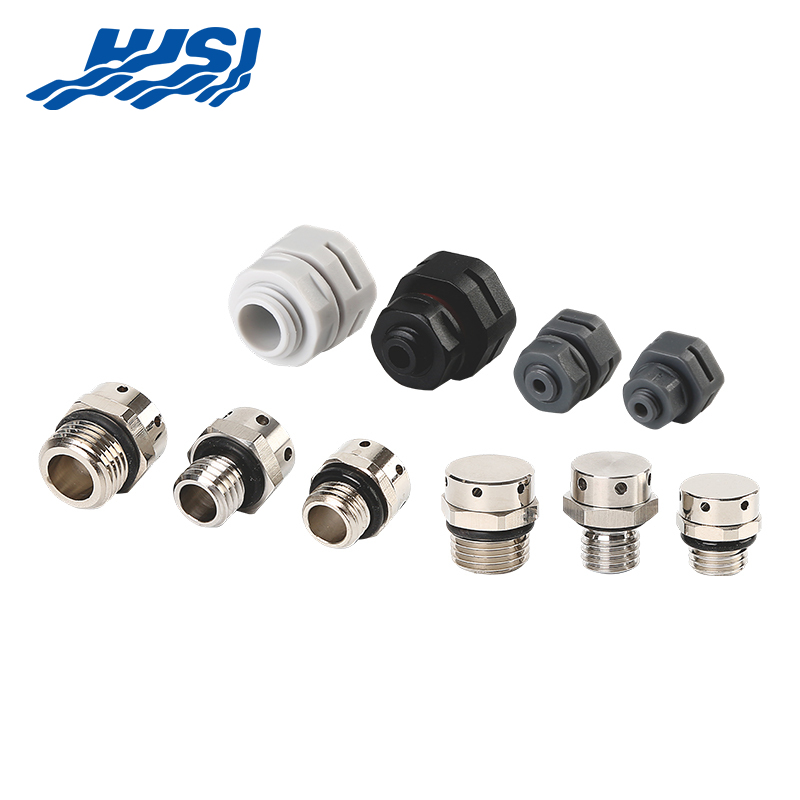
Consumer electronics encompass a wide range of devices used daily, from smartphones and wearable fitness trackers to home appliances, portable speakers, gaming consoles, and smart home gadgets. These products feature electronic components housed in enclosures designed to protect against dust, splashes, drops, and environmental exposure. Sealed designs help achieve water resistance ratings, but they introduce issues related to internal pressure variations and moisture trapping. Temperature changes cause air expansion and contraction, while humidity can lead to condensation on internal surfaces. Waterproof Breathable Valve address these challenges by permitting air and vapor passage while blocking water, dust, and contaminants.
The membrane technology in these valves allows gas exchange but maintains a barrier against liquids and particles. This balance enables consumer devices to remain protected during use while managing internal conditions effectively. The approach contributes to device longevity, consistent performance, and user satisfaction in everyday scenarios.
Portable lighting devices, such as flashlights, headlamps, camping lanterns, and bicycle lights, rely on sealed housings to handle outdoor conditions. When the light source activates, heat generates inside the enclosure, expanding air. Upon turning off, especially in cooler surroundings, air contracts. Without equalization, pressure differences can strain seals or allow moist air entry during contraction.
A vent valve incorporated into the housing releases expanded air during use and permits controlled intake during cooling, preventing water ingress from rain or submersion. Users experience reduced lens fogging, ensuring clear beam projection.
Indicator lights on chargers or power banks follow similar cycles. Frequent charging creates heat fluctuations. Vent valves help maintain internal balance, reducing moisture buildup on circuits.
In rechargeable lanterns used for extended periods, heat management is key. Valves support pressure relief without compromising splash resistance.
For devices exposed to high humidity during storage or travel, valves enable gradual moisture release, keeping components dry.
This integration in portable lighting supports reliable operation across activities like hiking, cycling, or emergency use.
Wearable devices, including fitness trackers, smartwatches, and health monitors, incorporate sensors for heart rate, steps, GPS, and environmental data. These sensors are housed in compact, sealed enclosures to resist sweat, rain, and dust.
Body heat and activity raise internal temperatures, causing air expansion. Cooler rest periods lead to contraction. Pressure imbalances can affect seal integrity or draw in humidity that condenses on optical sensors.
Vent valves in wearable housings equalize pressure while blocking perspiration and water. Heart rate sensors maintain skin contact accuracy, GPS modules avoid signal interference from moisture, and altimeters provide consistent readings.
During workouts or showers, devices face direct water exposure. The valve membrane adds protection, preventing liquid entry.
In sleep tracking modes, overnight cooling is managed effectively.
As wearables track more health metrics, reliable sensor performance depends on stable internal environments provided by venting.
Wireless earbuds, headphones, and portable speakers feature sealed cases for water resistance during exercise or outdoor use.
Charging cases and speaker enclosures generate heat from batteries and amplifiers. Vent valves balance pressure from these sources, reducing strain on seals.
Earbuds exposed to ear canal humidity trap vapor inside. Valves allow escape, preventing condensation on drivers that could mute sound.
Speakers used near pools or beaches benefit from water-blocking while venting operational heat.
During storage in humid pockets or bags, moisture control keeps microphones and buttons responsive.
This contributes to clear audio output and device responsiveness.
| Application | Challenges Faced | Benefits of Waterproof Breathable Valves |
|---|---|---|
| Wireless Earbuds & Headphones | Ear canal humidity; heat from batteries/amplifiers | Allows vapor escape; balances pressure; prevents condensation on drivers |
| Charging Cases & Portable Speakers | Heat generation during charging/operation | Reduces seal strain; vents operational heat |
| Pool/Beach or Outdoor Use | Water exposure; high humidity | Blocks water ingress while allowing ventilation |
| Storage in Humid Environments | Moisture trapping in pockets/bags | Maintains dry internals; keeps microphones and buttons responsive |
| Overall Performance | Risk of muted sound or reduced responsiveness | Supports clear audio output and consistent device responsiveness |
Gaming controllers, handheld consoles, and accessories contain buttons, joysticks, and circuits in sealed bodies.
Intense gaming sessions produce heat from processors and batteries. Vent valves manage expansion, avoiding enclosure flexing.
Sweaty hands introduce humidity; venting reduces internal accumulation on contacts.
Portable consoles carried outdoors face temperature swings. Valves adapt to these changes.
Wireless modules stay connected without moisture interference.
Reliable controls enhance gaming experiences.
Smart home gadgets like thermostats, doorbells, plugs, and hubs are installed indoors or outdoors.
Outdoor cameras and doorbells endure weather cycles. Vent valves handle solar heating and night cooling, preventing fogged lenses.
Indoor devices near kitchens or bathrooms encounter steam. Valves manage humidity without allowing dust entry.
Thermostats with displays avoid screen condensation in varying room temperatures.
Smart plugs in garages face dust and temperature extremes.
Consistent operation supports home automation reliability.
Power banks supply charge to devices on the go, with batteries in sealed casings.
Charging and discharging generate significant heat. Vent valves equalize pressure, protecting against bloating or seal failure.
Stored in bags or pockets, they absorb ambient humidity. Venting promotes dry internals.
In travel scenarios with altitude changes, pressure adaptation prevents damage.
Safe, efficient power delivery results.
Home gym devices, such as treadmills, bikes, and scales, include displays and sensors.
Console enclosures heat during workouts. Valves manage this alongside user sweat exposure.
Scales with body composition sensors require dry contacts. Moisture control aids accuracy.
Outdoor fitness trackers on equipment benefit similarly.
Performance tracking remains dependable.
Remote controls for TVs, air conditioners, and toys use sealed designs for spill resistance.
Battery compartments heat slightly during use. Vent valves prevent pressure issues.
Spills or humid rooms introduce risks; venting mitigates condensation.
Button responsiveness lasts longer.
Consumer drones and remote-controlled vehicles feature electronic speed controllers and cameras.
Flight or operation builds heat in compartments. Valves balance pressure during altitude changes.
Crash landings or water proximity test seals; additional protection helps.
Camera gimbals stay clear of fogging.
Stable flight and video quality improve.
E-readers and tablets with water-resistant features read in various settings.
Screen backlighting and processing create heat. Vent valves support thermal cycles.
Beach or bath use exposes to humidity and splashes. Moisture management keeps displays sharp.
Long reading sessions benefit from stable internals.
Handheld GPS units for navigation in hiking or boating are ruggedized.
Sun exposure heats enclosures; night cooling contracts air. Valves equalize effectively.
Water crossings or rain do not compromise internals.
Accurate positioning continues.
Action cameras capture adventures in extreme conditions.
Mounted on helmets or boards, they face impacts and elements. Vent valves in housings manage pressure from depth changes in water.
Heat from recording prevents fogging on lenses.
Audio microphones stay clear.
Footage quality remains high.
Appliance control panels on washers, dryers, and ovens incorporate touch interfaces.
Steam from cycles affects nearby electronics. Venting reduces condensation.
Oven heat radiation managed in displays.
User interfaces respond consistently.
Electronic toys with sounds and lights are sealed for play safety.
Active play generates minor heat. Valves handle small pressure changes.
Bath toys or outdoor play expose to water; protection maintains function.
Longer play value results.
Using vent valves in consumer designs reduces returns from environmental failures.
Devices last longer, providing value to users.
Manufacturers benefit from fewer service issues.
Satisfaction increases with reliable products.
Compact valves integrate easily into plastic or metal housings.
Passive operation requires no user attention.
Compatibility with existing seals enhances protection layers.
| Design Aspect | Key Practical Considerations |
|---|---|
| Integration | Compact size allows easy fitting into plastic or metal housings |
| Operation | Passive function with no power or moving parts; requires no user attention |
| Compatibility | Works seamlessly with existing seals to provide enhanced protection layers |
In daily use—at home, outdoors, or during travel—these valves help maintain clear screens, accurate sensors, dry circuits, and responsive controls.
Devices perform as expected in varied conditions.
Across portable lighting, wearables, audio devices, gaming gear, smart home products, and power solutions, waterproof breathable valves share advantages. They are small and operate without power or maintenance, simplifying product development. No owner intervention is needed over the device's life.
By reducing condensation and pressure stress, they lower failure rates from environmental factors. Clear lenses, dry sensors, and intact seals contribute to user trust and reduced costs.
In devices with valuable components like batteries and displays, extended life offers practical benefits.
As consumer electronics incorporate more features and exposure resistance, pressure equalization and moisture control remain relevant. These valves provide an effective way to address those needs in numerous applications.
In routine activities—exercising, entertaining, navigating, or connecting—these components quietly support device functionality. Their presence aids in the dependability and enjoyment of modern consumer electronics.
In the evolving landscape of consumer electronics, where devices must balance robust protection with reliable performance, waterproof breathable valves stand out as a key enabler of durability and functionality. Zhejiang HJSI has positioned itself as a reliable supplier in this space, offering solutions that address pressure equalization and moisture control across portable gadgets, wearables, and smart home systems. With a focus on engineering precision and compatibility with diverse enclosure designs, the company's valves help manufacturers achieve consistent product quality, supporting user experiences in varied daily environments while contributing to reduced failures and enhanced longevity.

2nd Floor, Building 2, No. 188, Punan 3rd Road, Economic Development Zone, Yueqing City, Wenzhou City, Zhejiang Province, China

Copyright @ Zhejiang HJSI Connector Co., Ltd. All rights reserved.

China Waterproof Breathable Valve Manufacturer
 +86-15858552966
+86-13356176555
+86-15858552966
+86-13356176555
 English
 русский
 عربى
عربى