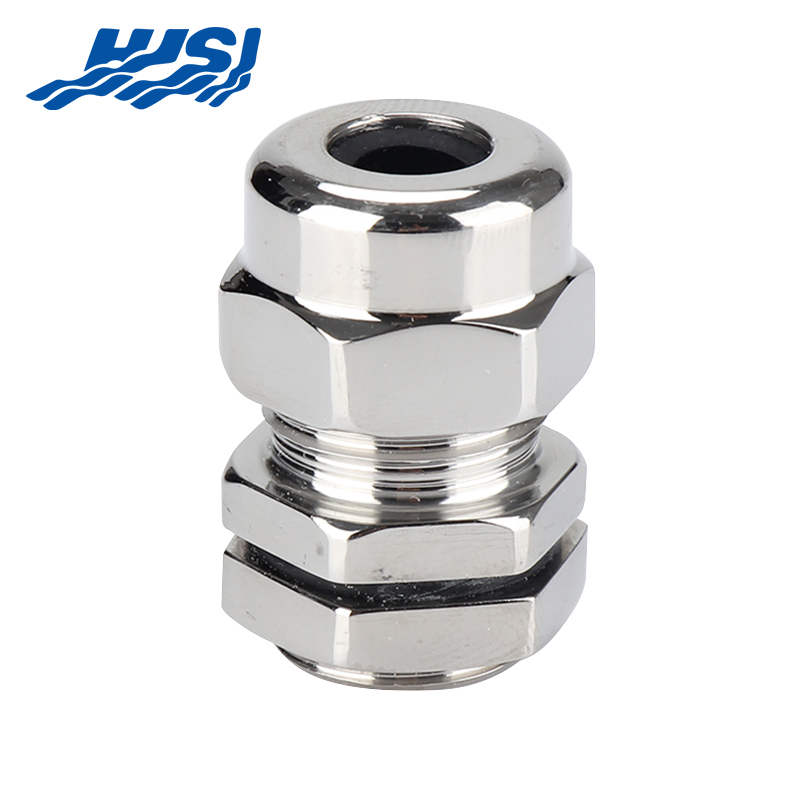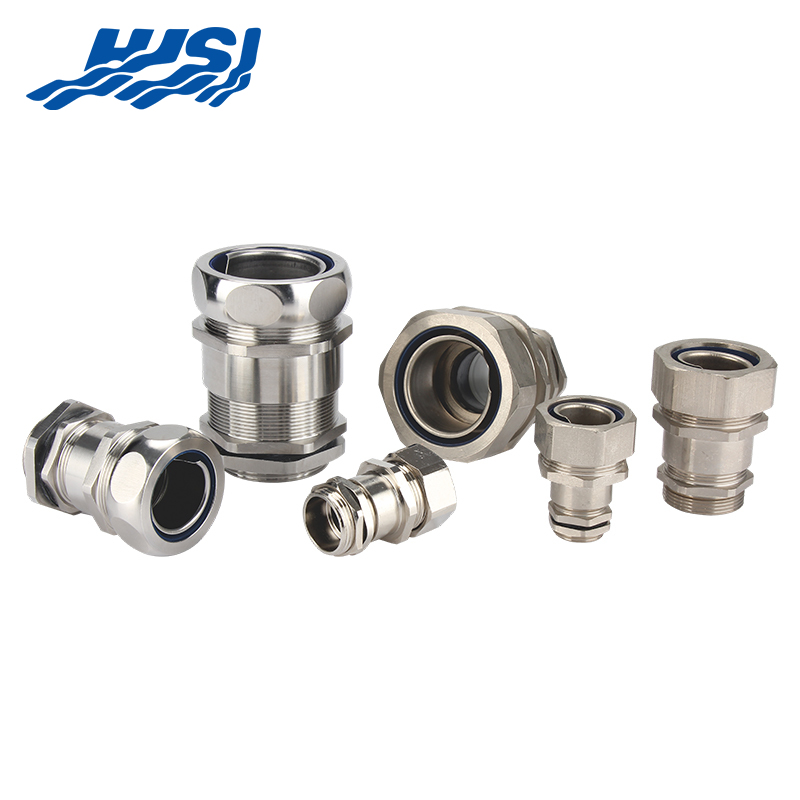
Cable connectors hold cables together in everything from building structures to boats, power lines, and factory equipment. When these connectors sit in tough spots—near the ocean, in chemical plants, or places with swinging temperatures—the material they're made from decides how long they last and how well they work. Stainless Steel Cable Gland shows up often in these roles because it fights off rust and wear while staying strong.
Stainless steel starts with iron and gets its special traits from added elements. Chromium is the main one—it builds a thin skin on the surface that keeps oxygen and water from eating into the metal. Nickel helps the structure stay steady and bend without breaking. Molybdenum steps in for extra guard against certain aggressive substances. Small bits of carbon and other metals tweak hardness and how easily the alloy shapes.
For cable connectors, this mix means the part can take pull without stretching too far and still flex a bit when workers tighten it. The surface stays hard enough to shrug off scratches from cables rubbing or tools slipping. Different recipes let makers pick versions that fit particular troubles, like heavy salt or acid fumes, without overdoing it.
That surface skin forms on its own in regular air and patches itself if it gets scraped. In connectors, this keeps the grip clean and firm, stopping loose fits that could let cables slip over time.
Rust happens when metal meets water and oxygen and starts breaking down. Stainless steel stops this cold with its built-in shield—the chromium oxide skin sits tight and blocks those attackers from getting deeper. If the skin gets nicked, fresh chromium jumps in and rebuilds it fast as long as there’s air around.
In a cable connector, keeping rust away matters because pits or flakes could rough up threads or weaken the hold. The shield stays put instead of flaking off like ordinary rust does, so the part keeps its shape and strength. The alloy itself is less eager to react, needing tougher conditions to start corroding than plain steel does.
This calm behavior lets connectors sit out in the weather or splash zones for years without turning into weak spots. The protection works quietly in the background, asking for little more than a basic wipe-down now and then.
Factories and cleaning areas throw all kinds of liquids and vapors at equipment. Stainless steel cable connectors take it in stride because the oxide skin doesn't dissolve easily in acids or bases. Mild spills or fumes roll off without leaving holes or cracks.
Acids that eat other metals find the shield tough to crack. Alkaline cleaners don't make the alloy brittle. Oils and solvents barely stick or soak in. This calm reaction suits places where drips happen or air carries chemical traces.
Connectors hanging near tanks or pipes stay firm even if something splashes. The material doesn't swell or soften, so the grip on the cable stays sure. Fewer surprises mean less time spent checking or swapping parts in busy plants.
Salt spray, common near oceans or on winter roads treated with de-icing salts, accelerates rust and pitting in many metals. Stainless steel cable glands resist this through specialized formulations that strengthen the protective oxide layer against chloride attack, resulting in much slower formation of pits or hidden cracks.
This resistance reduces the need for frequent inspections, climbs, or underwater checks, leading to improved safety and lower maintenance costs in salty environments.
Steamy jungles, greenhouses, or underground vaults keep everything damp. Stainless steel cable connectors shed water drops quickly thanks to the slick oxide coat. Moisture doesn't hang around long enough to start trouble.
Condensation beads up and rolls away instead of soaking in. Buried or partly dunked connectors fight off steady seep. The low pore count inside the metal keeps water from creeping through.
When days get hot and nights cool, parts expand and shrink. Stainless steel moves little with heat, so cracks don't open for water to sneak in. This steady nature fits damp spots where other materials would bloom rust fast.
Freezing winters or blazing summers test how materials hold up. Stainless steel cable connectors keep their nerve in both extremes. Cold doesn't turn them brittle; heat doesn't make them sag.
In icy pipelines or arctic rigs, a bump won't shatter the part. Near engines or desert solar setups, the grip stays tight without creeping loose. Quick shifts—like day-night in open land—don't tire the metal out fast.
Current running through some cables makes heat. The alloy spreads it out well, avoiding hot spots that could soften things. This wide comfort zone lets one material cover jobs from refrigerators to furnaces.
Stainless steel pulls hard without giving up shape. Connectors carry heavy cables day after day. The surface hardness fights dents from tight wraps or tool slips.
It bends just enough for shaping but snaps back strong. Vibration from wind or machines doesn't wear it down quickly. Threads and jaws stay sharp longer, keeping cables from slipping.
These everyday strength perks pair with the rust fight, making the whole part tough inside and out.
Power or signal cables need clean flow. Stainless steel carries current well enough for many jobs, and the oxide skin doesn't build thick insulating junk over time.
Wet or dirty air won't coat contacts with rust that blocks signals. Ground straps stay sure. While not the top conductor, it beats metals that corrode and lose touch.
| Aspect | Performance of Stainless Steel Cable Gland | Key Benefit |
|---|---|---|
| Electrical Conductivity | Provides adequate current flow for most power and signal applications | Sufficient for reliable operation in many uses |
| Oxide Layer Impact | Thin, stable oxide film avoids thick insulating buildup over time | Maintains low contact resistance long-term |
| Corrosion in Wet/Dirty Air | Resists rust on contacts, preventing signal blockages | Ensures consistent performance in harsh conditions |
| Grounding Reliability | Keeps ground straps secure and effective | Safe and stable grounding paths |
| Comparison to Alternatives | Outperforms metals that corrode and lose conductivity | Better long-term electrical integrity |
Stainless steel cuts, drills, and threads cleanly. Makers turn out accurate holes and grooves. Cold pressing hardens without ovens.
Welds hold if done right and keep the rust shield working. Finishes from rough to mirror suit looks or easy cleaning. These traits let factories build tricky shapes like quick-lock ends or adjustable links without trouble.
Up-front price sits higher than plain steel, but the long run flips the math. Parts last longer, so swaps happen rarely. Checks and fixes drop in wet or salty spots.
Scrap value stays good for recycling. In places where a loose cable means big trouble, the steady performance pays for itself fast.
Clean hands and tools start things right. Light grease on threads stops sticking when tightening. Even pull avoids bending the metal too far.
These small steps lock in the full strength and shield from day one.
Look them over now and then for dirt piles or nicks. Mild soap and water wash off salt or grime without hurting the skin. Stay away from scratchy pads.
A quick rinse after heavy exposure stretches life further. Easy care keeps them ready without big crews or downtime.
Stainless steel cable glands perform reliably in a variety of demanding environments where corrosion, weather, or chemicals create challenges.
All these locations depend on the material's ability to resist tough weather and chemical conditions over extended periods.
Stainless steel cable glands offer a balanced alternative compared to other materials commonly used in similar applications.
Stainless steel combines mechanical strength with effective corrosion protection, making it suitable for jobs that involve multiple environmental challenges.
| Material | Advantages | Disadvantages |
|---|---|---|
| Plain Steel | Cost-effective | Rusts quickly; coatings chip in harsh conditions |
| Aluminum | Lightweight | Prone to pitting in salty environments |
| Plastic | Fully rust-resistant | Lacks strength for heavy loads or tension |
| Brass | Good resistance to some acids | Poor performance in salt-heavy environments |
| Stainless Steel | High mechanical strength + excellent corrosion resistance | (Balanced option for multi-environment challenges) |
The sustainability benefits of stainless steel cable glands contribute to more environmentally responsible choices.
These factors align with designing and building systems intended to endure rather than require frequent renewal.
Very strong acids or hot thick salt water need the right recipe pick. Threads can bind if turned dry. First cost can scare tight budgets.
Knowing these keeps choices smart.
New mixes aim at niche fights. Better surfaces build thicker shields. More recycled metal keeps quality up.
Fresh making ways might shape inside channels for lighter weight. The material keeps getting sharper for tough jobs.
Stainless steel cable connectors, with their superior corrosion resistance and material advantages, are the ideal choice for harsh environments, effectively withstanding severe challenges such as chemical substances, salt spray, humidity, and temperature fluctuations. The inherent protective layer of the alloy, coupled with strong mechanical properties and easy maintenance, ensures the long-term reliable operation of the connectors and guarantees the safety of the cables.
Zhejiang HJSI Connector Co., Ltd. provides meticulously selected and precisely manufactured stainless steel cable connectors. Our products focus on maintaining stable corrosion resistance under harsh conditions, while also prioritizing secure grip and ease of installation, providing practical solutions that minimize system downtime and replacement needs. Choosing HJSI means partnering with a company committed to providing durable, reliable, and high-performance solutions for demanding environments.

2nd Floor, Building 2, No. 188, Punan 3rd Road, Economic Development Zone, Yueqing City, Wenzhou City, Zhejiang Province, China

Copyright @ Zhejiang HJSI Connector Co., Ltd. All rights reserved.

China Waterproof Breathable Valve Manufacturer
 +86-15858552966
+86-13356176555
+86-15858552966
+86-13356176555
 English
 русский
 عربى
عربى