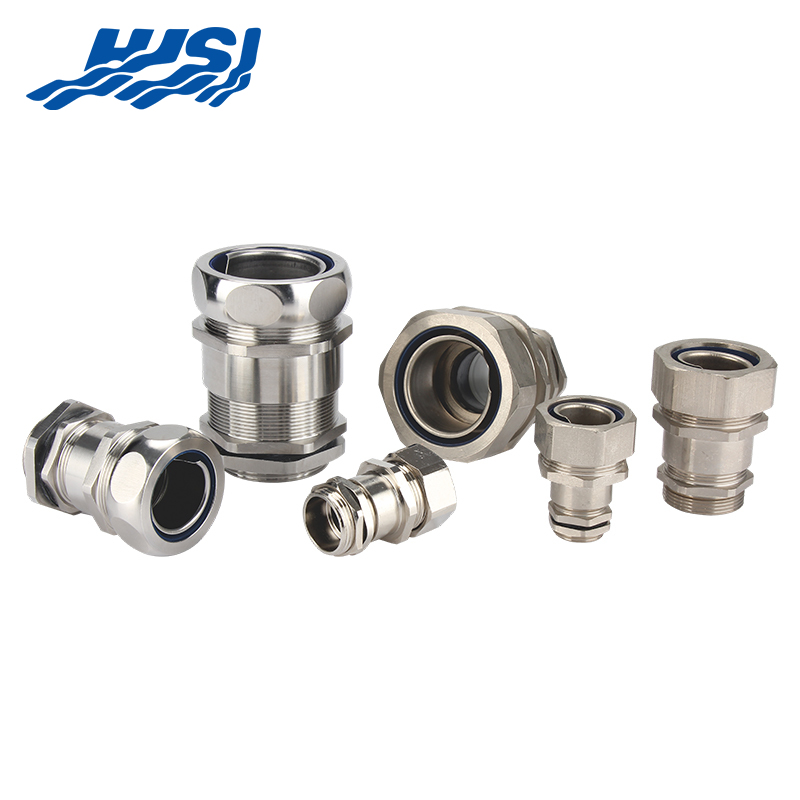
Electrical systems in chemical plants, refineries, offshore platforms, steel mills, and outdoor industrial yards face conditions that quickly destroy ordinary wiring protection. Extreme heat, corrosive vapours, saltwater spray, flying debris, and constant vibration demand conduit materials that remain intact for decades while keeping cables safe and operations running. Flexible steel conduit have become a standard solution in these settings because they combine mechanical strength with the ability to bend around obstacles and absorb movement.
A typical flexible steel conduit starts with a helically wound, interlocked or continuously welded steel strip that forms the core. This metal backbone provides crush resistance and a smooth inner surface for pulling cables. A tough outer jacket—usually extruded PVC, sometimes liquid-tight versions with additional sealing compounds—protects against moisture and chemicals. Some variants add an inner thermoplastic liner for extra smoothness or a braided stainless-steel over-jacket for abrasion.
The combination gives three essential properties in harsh areas:
| Topic | Key Points | Optimized Summary |
|---|---|---|
| Flexible Steel Conduit Construction | Helically wound steel core; outer PVC or sealed jacket; optional inner liner or stainless over-jacket | Provides mechanical protection, flexibility for routing, and environmental sealing in harsh conditions. |
Inside chemical processing facilities, conduits routinely encounter acids, alkalis, solvents, and hydrocarbon vapours. Rigid galvanised steel rusts quickly, while standard PVC conduits soften or become brittle. Liquid-tight flexible steel conduit with a specially formulated jacket resists a long list of aggressive substances. Engineers route these conduits along pipe racks, around reactors, and into control rooms without rigid sweeps or expensive alloy alternatives.
In explosive atmospheres (Zone 1 and Zone 2), the steel core also serves as an inherent grounding path and helps contain any internal fault energy until the protection device operates. Maintenance teams appreciate that the conduit can be cut to length on site with ordinary tools and re-used during plant modifications, reducing downtime and waste.
Steel mills, glass factories, and power-generation plants regularly exceed 150 °C near furnaces and turbines. Ordinary PVC jackets melt or harden, but high-temperature flexible conduits use silicone-coated fiberglass or special thermoplastic alloys rated for continuous operation up to 200 °C and short excursions higher. The interlocked steel core maintains its shape and protects cables even when the jacket becomes soft during a heat spike.
Steam lines and hot-oil tracing systems also benefit from flexible steel conduit. It accommodates thermal expansion without stressing terminations, unlike rigid pipe that can crack or pull fittings loose. In boiler rooms and turbine halls, the conduit’s ability to snake between obstacles saves hours of fabrication compared with welded rigid runs.
Saltwater, constant wave motion, and ultraviolet exposure make offshore platforms and ship decks punishing environments. Liquid-tight flexible stainless-steel conduit with a heavy-duty PVC or halogen-free jacket withstands years of salt spray and flexing. The steel core resists damage from dropped tools and shifting cargo, while the sealed jacket prevents water ingress that would corrode cables inside.
On floating production vessels, flexible conduit absorbs hull flexing and vibration that would fatigue rigid pipe joints. In engine rooms below deck, the same conduit handles oil mist and high humidity while meeting strict fire-performance standards required by maritime authorities.
Outdoor switchyards, mining conveyors, and wastewater treatment plants expose conduits to rain, snow, ice, and wide temperature swings. Direct-buried rigid PVC can crack under ground movement, while exposed galvanised rigid rusts at joints. Liquid-tight flexible steel conduit, often with UV-resistant jackets, is simply strapped to structures or laid in cable trays. It follows settlement and expansion without leaking, and the steel armour protects against rodents, lawn equipment, or vehicle traffic in yard areas.
In cold climates, the conduit remains flexible down to –40 °C, allowing installation in winter without special heating. In desert regions, the same product resists sand abrasion and intense sunlight for decades.
Steel rolling mills and automotive assembly plants generate constant vibration and occasional impact from overhead cranes or moving machinery. Interlocked flexible steel conduit absorbs vibration that would loosen rigid conduit couplings and eventually cause ground faults. Where robots and automated guided vehicles operate, the conduit flexes daily without fatigue failure. The smooth inner bore reduces cable-pulling friction, allowing longer runs become practical without intermediate pull boxes.
| Topic | Key Points | Optimized Summary |
|---|---|---|
| Heavy Industry and Mechanical Stress | Vibration and occasional impact from machinery; daily flexing from robots and vehicles | Flexible steel conduit absorbs vibration, prevents coupling loosening, and allows long cable runs with reduced friction and fatigue. |
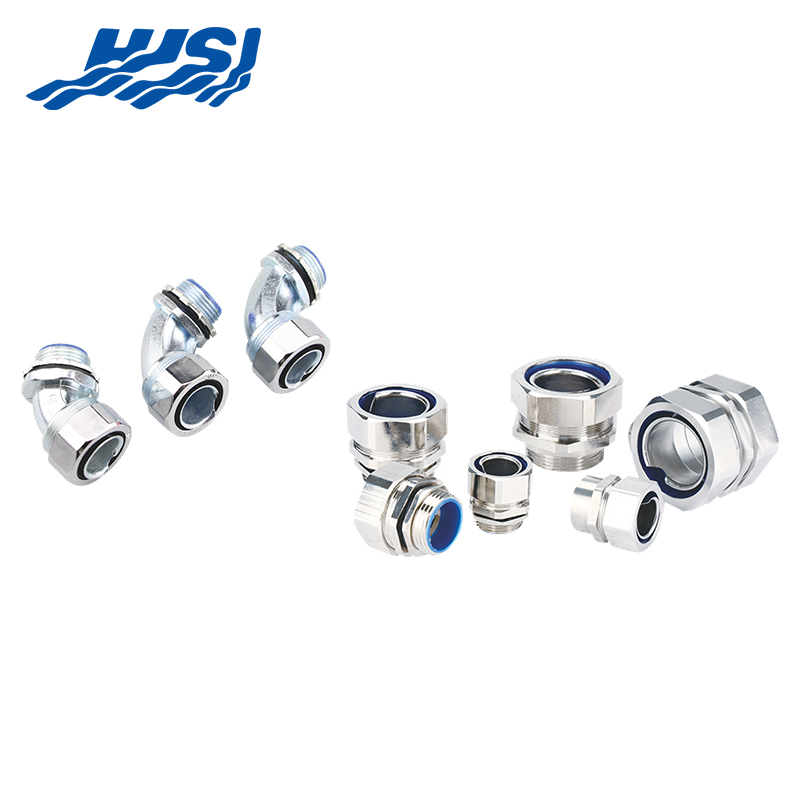
Rigid conduit demands precise measurement, threading, bending, and explosion-proof fittings in hazardous areas. Flexible Steel Conduit cuts with a hacksaw, bends by hand, and connects with simple screw-on fittings. A three-man crew can install hundreds of metres per day instead of tens of metres with rigid pipe. When processes change or equipment is relocated, the conduit is easily rerouted or shortened, reducing modification costs.
Maintenance teams also benefit: if a cable fails, the flexible conduit can be opened along its length with a specialised cutting tool, the faulty cable replaced, and a repair sleeve applied in minutes rather than replacing entire rigid runs.
In tunnels, public buildings attached to industrial sites, and offshore escape routes, fire survival is non-negotiable. Many flexible steel conduits now carry two-hour or three-hour fire ratings when tested with ceramic-fibre packing or intumescent sealants at terminations. The steel itself does not burn and maintains cable circuit integrity long enough for safe evacuation and firefighting.
Always confirm jacket material compatibility with the specific chemicals present and verify temperature rating against both normal and upset conditions.
Although the initial purchase price per metre is higher than ordinary rigid conduit, total installed cost is frequently lower because of reduced labour and fittings. Lifecycle savings become even clearer: fewer leaks, fewer cable faults, and minimal replacement over twenty to thirty years in aggressive environments. Downtime caused by electrical failure is expensive; reliable conduit prevents that hidden cost.
Recent variations include:
In environments where electrical continuity must survive decades of chemical attack, heat, saltwater, vibration, and physical abuse, flexible steel conduits have proven themselves as the practical, long-term solution. They reduce installation time, minimise future maintenance, and prevent the costly failures that ordinary conduit materials cannot withstand. When reliable performance directly affects safety, uptime, and total ownership cost, choosing a manufacturer with proven materials expertise and consistent quality becomes essential. Zhejiang HJSI Connector Co., Ltd. continues to deliver exactly that combination – robust, field-tested flexible steel conduit systems engineered specifically for harsh industrial and marine applications, helping plants and installations worldwide keep power and data flowing safely under the conditions.

2nd Floor, Building 2, No. 188, Punan 3rd Road, Economic Development Zone, Yueqing City, Wenzhou City, Zhejiang Province, China

Copyright @ Zhejiang HJSI Connector Co., Ltd. All rights reserved.

China Waterproof Breathable Valve Manufacturer
 +86-15858552966
+86-13356176555
+86-15858552966
+86-13356176555
 English
 русский
 عربى
عربى