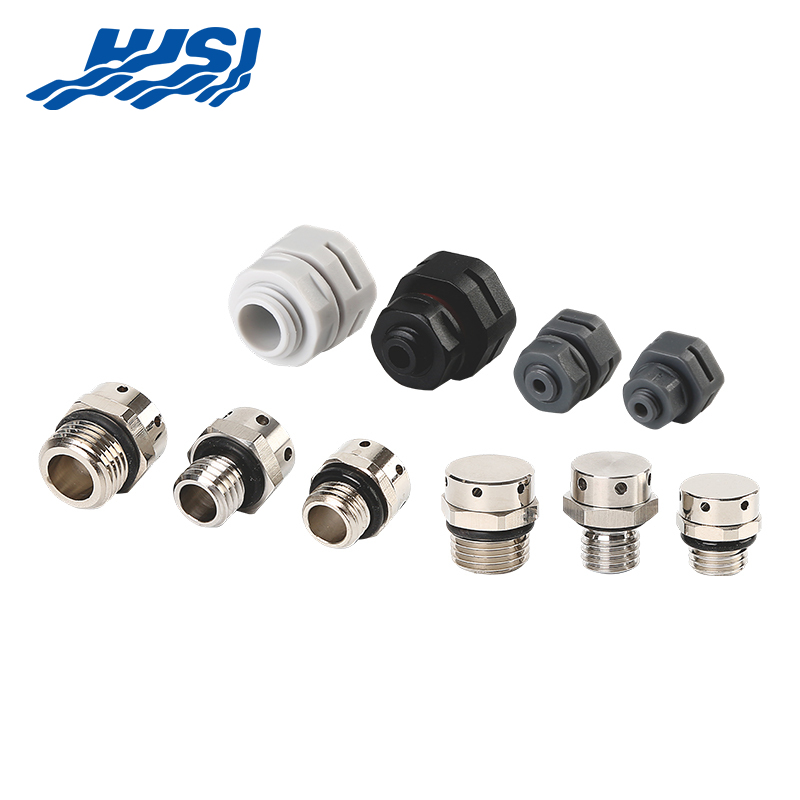
Equipment failures in marine environments follow a pattern that engineers recognize quickly: the component that was specified for general outdoor use starts degrading within months of saltwater exposure. Housing cracks. Seals loosen. What was functioning as a protective enclosure begins admitting the moisture it was designed to exclude. For anyone specifying pressure equalization or venting components for boats, offshore enclosures, coastal monitoring systems, or marine electronics, the housing material is not a secondary consideration. A Waterproof Breathable Valve installed in a marine environment without appropriate material specification will underperform — not eventually, but reliably, and often sooner than expected.
Before addressing why the housing material matters, it helps to be precise about the function these components serve. Sealed enclosures — whether electronic housings, lighting fixtures, sensors, or junction boxes — face a problem when temperature changes. As temperature rises, air inside the enclosure expands and builds pressure. As it falls, pressure drops and the enclosure attempts to draw air inward. Over repeated cycles, that pressure differential can force moisture past seals that would otherwise hold.
A breathable valve manages this by allowing air — and the pressure it carries — to pass through a microporous membrane while blocking liquid water. The membrane structure permits gas molecules through while the pore size is too small for water droplets to penetrate, even under pressure. The result is pressure equalization without moisture ingress.
The valve body's role is to protect that membrane and maintain the integrity of the seal between the valve and the enclosure it is mounted in. If the body corrodes, deforms, or degrades, the membrane it protects becomes functionally compromised even if the membrane material itself is intact.
The marine environment is not simply wet. It combines several degradation factors that do not typically appear together in other outdoor settings.
Salt spray and chloride exposure are the defining challenge. Chloride ions penetrate oxide layers on metal surfaces and initiate localized corrosion — pitting — that progresses from the surface inward. Standard carbon steel and many standard aluminum alloys cannot sustain prolonged chloride exposure without visible deterioration. Even coated or plated metals can develop corrosion once the coating is scratched, chipped, or aged.
Constant humidity cycling accelerates the process. Condensation forms on surfaces as temperatures shift between day and night. In coastal and offshore environments, that condensation carries dissolved salt from the surrounding air. The repeated wet-dry cycling means corrosion never fully stalls between exposures.
UV radiation degrades polymer materials over time. Plastic valve bodies that appear robust when installed can become brittle and crack after extended UV exposure, particularly in tropical or high-altitude marine environments where UV intensity is elevated.
Temperature range in marine applications can span from cold overnight coastal air to direct sun heating of metal enclosure surfaces in summer. Materials that expand and contract at different rates — particularly plastic housings — can develop micro-gaps at sealing interfaces over repeated thermal cycles.
None of these factors operates independently. Together, they create a degradation environment that standard materials are not designed to withstand over the service life that marine installations typically require.
Stainless steel's corrosion resistance comes from chromium content in the alloy. Chromium forms a thin, stable oxide layer on the metal surface that reforms rapidly when damaged. In the presence of chlorides — the primary corrosive agent in marine environments — the relevant question is which stainless steel grade maintains that protective layer effectively.
Marine-grade stainless steel alloys include molybdenum in their composition alongside chromium and nickel. The molybdenum addition specifically improves resistance to chloride-driven pitting and crevice corrosion — the failure modes that are most relevant in saltwater environments. This is why the material distinction between standard stainless steel and marine-grade alloy matters for valve body specification, not just the general category of "stainless steel."
Key properties relevant to marine valve body performance:
Not always, and not immediately. The honest answer is that polymer housings vary considerably in how they perform under marine conditions, and some engineered plastics are more resistant than others.
That said, the failure modes for plastic valve bodies in marine environments are well-established:
UV degradation is the most common long-term failure path for polymer materials in outdoor marine use. UV radiation breaks polymer chains over time, reducing flexibility and eventually causing cracking. Once a plastic housing cracks — even a hairline crack at the base or around the mounting thread — the seal integrity of the valve assembly is compromised regardless of how well the membrane is functioning.
Thermal deformation affects plastic housings in environments with high direct sun exposure. Polymer materials soften at elevated temperatures and can take on slight deformation under load. At the interface between a plastic valve body and a metal enclosure, differential thermal expansion between the two materials creates cyclic stress on the seal — stress that accumulates over seasons and eventually produces gaps.
Chemical sensitivity is less commonly discussed but relevant in marine settings where cleaning agents, antifouling compounds, or fuel vapors may contact valve surfaces. Some engineering plastics are sensitive to specific solvents or acids that appear in marine maintenance contexts.
None of this means plastic housings are universally inappropriate for marine venting applications. For lower-exposure coastal or sheltered installations with defined service intervals, quality polymer bodies may be adequate. But for offshore equipment, harsh coastal environments, or systems designed for extended service without planned inspection, stainless steel removes failure modes that plastic cannot.
The membrane inside a breathable valve is typically a microporous polytetrafluoroethylene or similar expanded polymer material. It is chemically inert and handles the direct moisture exposure reasonably well. The housing, however, shapes the conditions under which the membrane operates — and this relationship is underappreciated in standard product comparisons.
Clamping force consistency matters for membrane sealing. The membrane must be held against its seat with consistent pressure to maintain the liquid barrier while allowing gas transmission. If the housing deforms — through thermal cycling, UV degradation, or corrosion — the clamping force changes. A slightly loosened membrane may still allow pressure equalization while admitting water in conditions the original specification would have excluded.
Dimensional stability at the mounting interface determines whether the seal between the valve and the enclosure holds over time. A stainless steel body maintains its thread dimensions and sealing face geometry as manufactured. A plastic body can creep — a slow, progressive deformation under sustained load — particularly in warm environments, which changes the compression on the mounting seal.
Contamination pathway protection is another indirect function of the housing. The body surrounds and shields the membrane from direct contact with debris, salt deposits, and biological fouling that accumulates on surfaces in marine environments. A structurally sound stainless steel body maintains this protective geometry over the service life. A corroded or cracked plastic body creates gaps through which contaminants can reach the membrane directly.
A direct comparison across the performance dimensions that matter for marine valve specification:
| Performance Factor | Plastic Housing | Stainless Steel Housing |
|---|---|---|
| Chloride corrosion resistance | Variable — depends on polymer type | High — particularly with marine-grade alloy |
| UV degradation | Progressive over time — can cause cracking | Not applicable — metals not UV-sensitive |
| Dimensional stability under heat | Limited — thermal deformation possible | Stable across marine temperature ranges |
| Crevice corrosion at fittings | Not applicable | Managed with marine-grade alloy selection |
| Structural integrity over service life | Declines with UV and thermal cycling | Maintained with appropriate alloy |
| Membrane seal consistency | Can be affected by housing deformation | Consistent — no deformation pathway |
| Impact resistance | Moderate | High |
| Chemical resistance to marine agents | Varies by polymer | Generally resistant |
| Suitable for offshore / harsh coastal use | With conditions and service intervals | Well-suited for extended service |
| Lifecycle cost | Lower upfront, higher replacement frequency | Higher upfront, lower replacement frequency |
Reading across this comparison, the case for stainless steel housing strengthens as exposure severity increases and as planned service intervals lengthen. For equipment that will be accessed and inspected regularly in moderate environments, the trade-off is more balanced. For remote installations, offshore applications, or systems where valve replacement is disruptive and costly, the stainless steel body offers a reliability margin that the polymer alternative cannot match.
Understanding failure modes concretely helps frame the material selection decision in terms of risk rather than just specification preference.
Corrosion-induced leakage occurs when the housing deteriorates at the mounting thread or sealing face, creating a path for water ingress that bypasses the membrane entirely. A valve that appears functional — the membrane is intact — can still allow moisture into the enclosure through a corroded housing interface. Stainless steel's resistance to this failure mode is the most direct justification for its use in marine applications.
Housing fracture from UV embrittlement can release the membrane from its retained position, eliminating the venting function and creating an unprotected opening in the enclosure. This failure typically appears suddenly after a period of apparently normal operation, making it difficult to catch through visual inspection alone.
Thread seizure or galling at plastic-to-metal interfaces can make valve replacement difficult without damaging the mounting hole in the enclosure. Stainless steel valve bodies are less prone to this because the material is harder and maintains its thread geometry more consistently.
Seal face damage from debris impact — a concern in environments where wave splash, flying spray, or mechanical contact is possible — is handled more reliably by metal housing than by polymer. A chip or crack in a plastic body at the sealing face immediately affects sealing performance. Stainless steel resists surface damage from comparable impacts.
Not all marine environments impose the same level of stress. The appropriate housing specification varies with the actual exposure conditions, and over-specifying carries its own cost implications.
Offshore and open ocean installations represent the harshest end of the spectrum. Continuous salt spray, no shelter from wave action, temperature cycling between day and night, and often extended periods between inspection or maintenance. Stainless steel housing with marine-grade alloy composition is the rational specification for these conditions.
Harsh coastal environments — installations within several hundred meters of the shoreline, particularly in exposed locations — experience consistent airborne salt deposition and high UV exposure. The corrosion risk is lower than offshore but still significant for long-service-life installations. Stainless steel is the more reliable choice, particularly for equipment that is not routinely serviced.
Sheltered coastal and harbor environments experience reduced salt spray exposure, particularly if the installation is not directly exposed to prevailing winds or splash. In these conditions, quality engineering plastic housings with proven UV stabilization may perform adequately for planned service intervals. The trade-off is managing replacement frequency rather than assuming indefinite service life.
Inland equipment near the coast — not directly exposed to salt spray but within the general coastal air mass — sits at the lower end of marine corrosion risk. Standard outdoor specifications may apply, with the understanding that salt deposition is still a factor over extended periods.
The key point is that the specification decision should be driven by actual installation conditions and maintenance planning, not by a blanket assumption that all coastal installations require identical treatment.
When evaluating waterproof breathable valve options for marine applications, a few practical checkpoints help avoid the compromises that lead to premature failure:
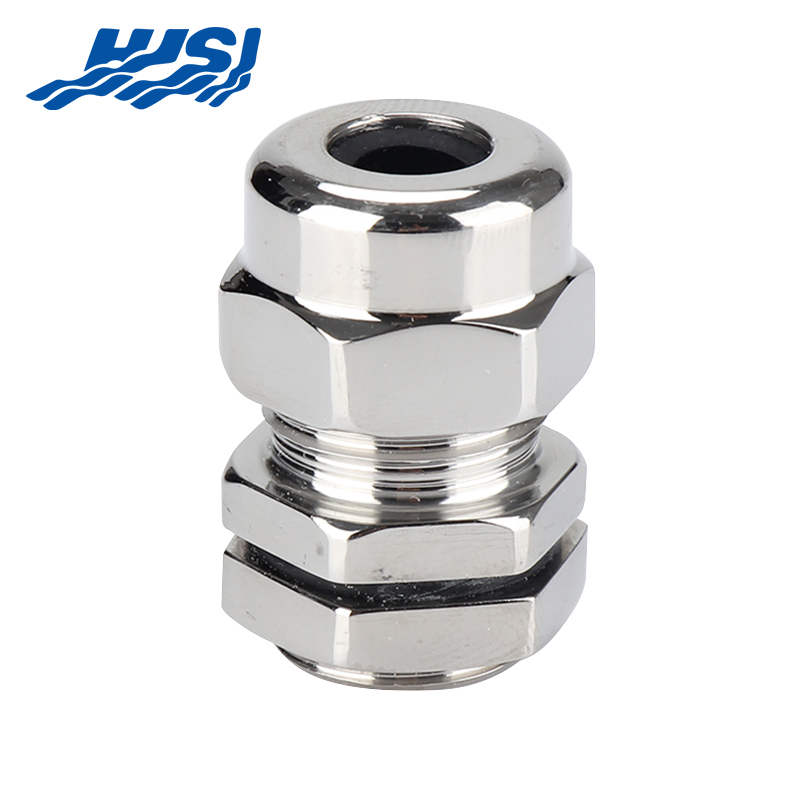
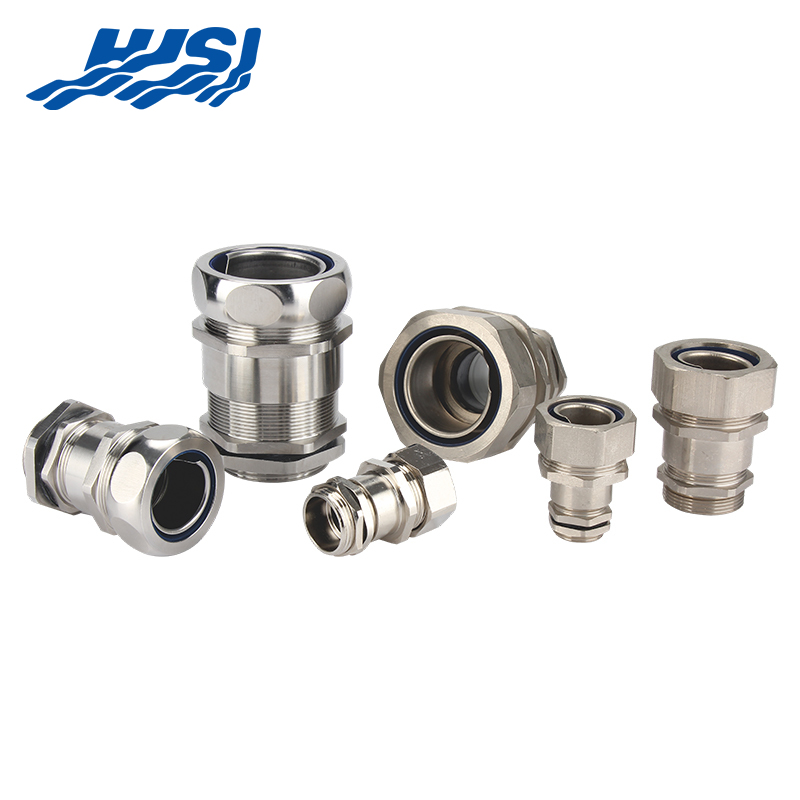
Housing material selection for a waterproof breathable valve in marine use is not about choosing the most expensive option or applying maximum specification across every application. It is about matching material properties to the degradation environment the installation will actually face, and making that match in a way that supports the service life the system is designed for. Where salt spray, UV exposure, thermal cycling, and extended service intervals are the reality, stainless steel housing removes failure modes that polymer materials cannot reliably prevent over the long term. The membrane does the venting work; the housing protects everything else. Getting that combination right is what separates a valve specification that holds up from one that creates field problems years after installation. For engineering teams and procurement decision-makers working on marine-grade enclosure protection systems, Zhejiang HJSI Connector Co., Ltd. manufactures waterproof breathable valves with stainless steel housing designed for demanding outdoor and marine environments, offering the material reliability and sealing performance that long-service-life installations require. If your current specification involves venting components for marine or high-corrosion outdoor use, discussing the application conditions in detail is a productive starting point.

2nd Floor, Building 2, No. 188, Punan 3rd Road, Economic Development Zone, Yueqing City, Wenzhou City, Zhejiang Province, China

Copyright @ Zhejiang HJSI Connector Co., Ltd. All rights reserved.

China Waterproof Breathable Valve Manufacturer
 +86-15858552966
+86-13356176555
+86-15858552966
+86-13356176555
 English
 русский
 عربى
عربى