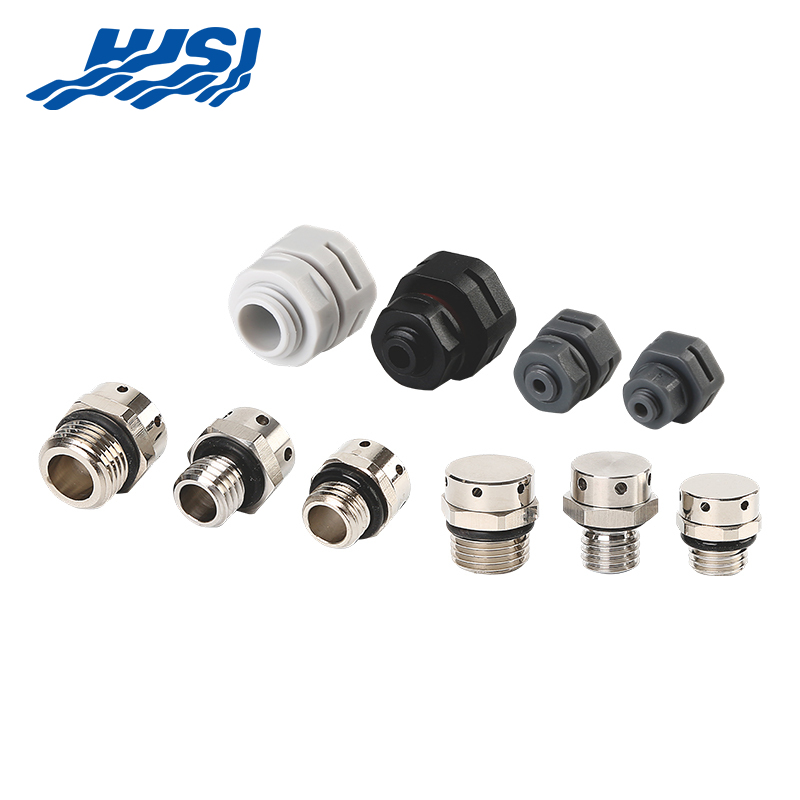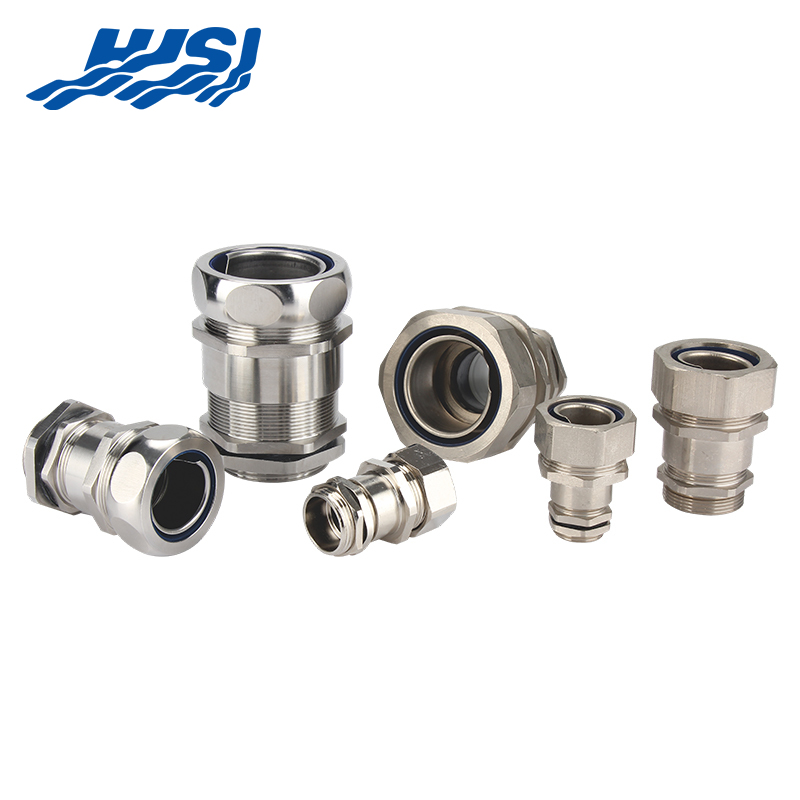
A device passes bench testing, clears IP certification, gets deployed in the field — and then fails months later in ways that shouldn't be possible given the specification. Water intrusion in an enclosure rated for submersion. Pressure buildup in a sealed housing that was designed to breathe. Condensation inside a unit that's supposed to manage moisture. These failures often trace back not to a defective component, but to an installation decision that nobody questioned during assembly. The mounting orientation of a Waterproof Breathable Valve is one of those decisions — quietly consequential, rarely documented in assembly instructions with the specificity engineers actually need, and directly responsible for whether the valve maintains consistent performance over months and years of real-world service. Understanding which orientations work, which introduce risk, and why the answer shifts depending on application context is what separates installations that hold up from those that gradually degrade.
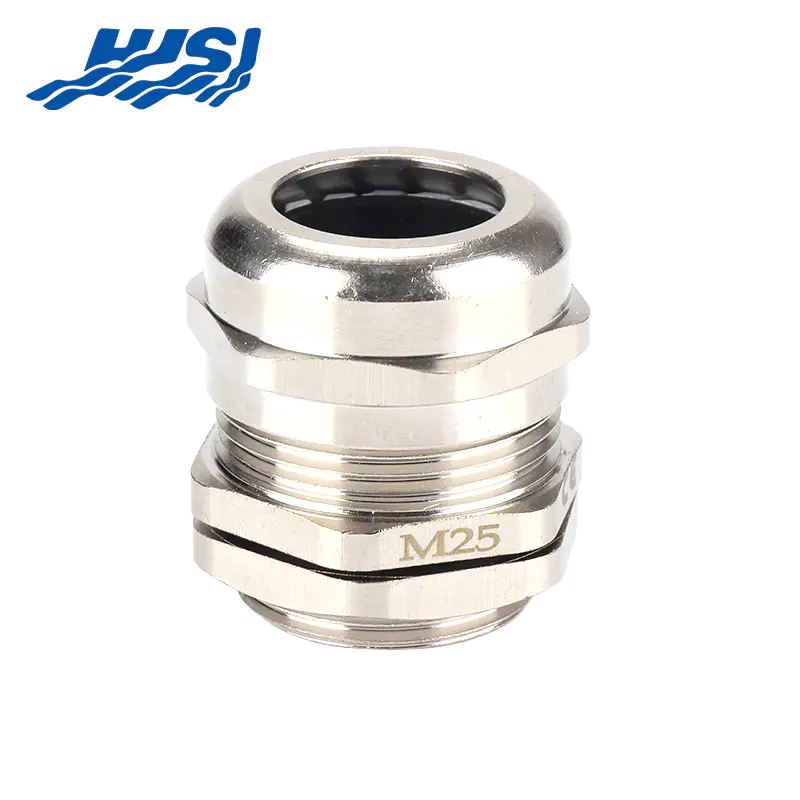
Before getting into orientation specifics, it's worth being clear about what this component is actually doing inside an enclosure. A Waterproof Breathable Valve serves two simultaneous functions that are, on the surface, in tension with each other: it prevents liquid water from entering the enclosure while allowing air — and water vapor — to pass through the membrane.
The mechanism that makes this possible is a microporous membrane, typically expanded PTFE or a similar hydrophobic material. The pore structure is small enough to block liquid water droplets (which are much larger than individual gas molecules) while remaining permeable to air and water vapor. This allows the enclosure to equalize internal and external pressure — preventing vacuum stress or overpressure from thermal cycling, altitude changes, or rapid temperature swings — without compromising its waterproof integrity.
The physical behavior of this membrane is what makes mounting orientation a meaningful engineering variable. The membrane performs differently depending on what it's exposed to — liquid water pooling on its surface, spray hitting it at an angle, condensation forming on or around it, or submersion pressure being applied in a specific direction. Orientation controls all of these exposure conditions.
Pressure equalization only works when the membrane can freely exchange air with the surrounding environment. Any condition that blocks or restricts airflow through the membrane — even temporarily — interrupts this function and allows pressure differential to accumulate inside the enclosure.
Common obstruction causes that orientation affects:
None of these failure modes require a defective product. They can develop with a properly functioning valve installed in an orientation that creates conditions the membrane wasn't designed to handle continuously.
The foundational principle behind mounting orientation for breathable valves is straightforward: liquid water should not be able to rest against the membrane. Water that pools on the membrane surface blocks the micropores, disrupts vapor transmission, and under sufficient depth can force liquid through even hydrophobic membranes.
An orientation where the membrane faces downward or laterally — rather than upward — uses gravity to move water away from the membrane surface rather than toward it. Rainwater, wash-down water, and condensation all drain away from a downward-facing or angled membrane naturally.
Orientations that generally support consistent performance:
Orientations that introduce risk:
In automotive applications — control units, sensor housings, lighting assemblies, battery management enclosures — the valve encounters a combination of factors that don't apply to static installations. Vibration, high-pressure wash-down during vehicle cleaning, variable orientation as the vehicle moves through different terrain, and wide temperature cycling all create demands on the membrane that static outdoor electronics don't face.
For automotive applications, the mounting orientation guidelines shift somewhat:
Outdoor lighting housings face persistent condensation cycling as the enclosure heats during operation and cools during non-operation periods. Without effective pressure equalization, this thermal cycling drives moisture-laden air into any micro-gap in the sealing system. A properly functioning valve prevents this by allowing air exchange before pressure differential builds.
Orientation considerations for outdoor lighting:
Industrial enclosures in manufacturing, process control, and energy infrastructure face a different challenge set: wash-down with cleaning agents, high-humidity environments, chemical vapor exposure, and the need for consistent performance over multi-year maintenance cycles without intervention.
Industrial mounting orientation priorities:
A valve installed in a workable orientation may show no immediate performance problems. The issues that develop from suboptimal orientation tend to emerge gradually, and by the time they're obvious, some degree of irreversible change has occurred.
Progressive degradation from poor orientation:
The practical consequence is that a valve in a poor orientation may function adequately for an initial period and fail to meet its long-term performance expectation — leading to field failures that are difficult to trace back to the installation decision made at assembly.
Yes, and this is one of the more technically specific orientation questions for applications that may encounter temporary submersion. The pressure differential created by submersion works against the membrane in a direction-dependent way.
When a valve is submerged with the membrane facing downward, the hydrostatic pressure at the membrane is the pressure at that depth — which the valve must resist to prevent liquid intrusion. When the membrane faces upward or to the side in a submerged condition, the pressure relationship is similar, but the orientation affects how quickly water reaches the membrane surface once submersion begins.
For applications where submersion is a defined part of the use case — outdoor equipment exposed to flooding, marine electronics, or devices used in wet environments — the valve specification and mounting position should be validated in actual submersion conditions at the expected depth and duration, not assumed to be equivalent based on IP rating alone. The IP rating describes performance under controlled test conditions; field conditions may present different orientations, durations, or pressure combinations than the test scenario.
| Mounting Orientation | Water Drainage | Airflow Access | Spray Resistance | Submersion Risk | General Suitability |
|---|---|---|---|---|---|
| Membrane facing down | Gravity-assisted drainage | Good if not recessed | High — water drains away | Lower exposure | Widely suitable |
| Membrane facing horizontally | Partial drainage | Good | Moderate — depends on spray direction | Moderate | Suitable for most vertical surfaces |
| Membrane facing up | No drainage — pooling risk | Good in dry conditions | Low — collects water | Higher exposure | Avoid in wet environments |
| Angled downward (not fully vertical) | Assisted drainage | Good | High | Low to moderate | Suitable for most enclosures |
| Recessed cavity, any direction | Depends on cavity design | Restricted if cavity fills | Variable | High if cavity floods | Requires drainage provision |
| Behind protective guard | Protected | May be restricted | High | Depends on guard design | Suitable with correct guard design |
In production environments, assembly decisions are typically made by operators following documented procedures. If the correct valve orientation isn't specified in the assembly documentation — with clear reference to the enclosure's final installed position — the assembly team will make a judgment call. That judgment call may be reasonable, or it may be based on what's easiest to access rather than what produces the intended performance.
Specifying valve orientation at the design stage means:
For OEM manufacturers integrating breathable valves into product lines, this level of specification detail is the difference between a valve integration that delivers consistent field performance and one that produces a pattern of field returns without obvious cause.
Before committing to a final valve position in an enclosure design, a structured verification check reduces the risk of discovering orientation problems after product launch:
Understanding the failure modes that incorrect orientation produces helps engineers identify problems that may already exist in deployed products, and helps quality teams trace field returns to root cause more accurately.
Orientation-related failure patterns:
For product development teams specifying valve positions in new enclosure designs, a consistent assessment process reduces orientation-related risk:
Consistent valve performance over the field life of a product isn't only about selecting the right valve — it's about integrating it correctly for the specific application environment and enclosure design. The engineering decisions made during product development, the specifications written into assembly documentation, and the validation testing conducted before launch all shape how the valve performs in actual use.
For engineering teams and procurement professionals sourcing breathable valve components for electronic enclosures, automotive applications, outdoor equipment, or industrial installations, Zhejiang HJSI Connector Co., Ltd. manufactures Waterproof Breathable Valves designed for reliable long-term performance across a range of environmental exposure conditions. Their product range supports application-specific selection based on enclosure type, exposure severity, and installation requirements — including technical consultation on mounting orientation, integration design, and performance validation for OEM programs. Getting the valve specification right is one part of the solution; understanding how installation decisions affect field performance is the other. If your current product design includes breathable venting components and you want to verify that the mounting orientation is optimized for your specific use conditions, reaching out to discuss application requirements and integration details is a practical next step toward field performance that holds up over the full product lifecycle.

2nd Floor, Building 2, No. 188, Punan 3rd Road, Economic Development Zone, Yueqing City, Wenzhou City, Zhejiang Province, China

Copyright @ Zhejiang HJSI Connector Co., Ltd. All rights reserved.

China Waterproof Breathable Valve Manufacturer
 +86-15858552966
+86-13356176555
+86-15858552966
+86-13356176555
 English
 русский
 عربى
عربى