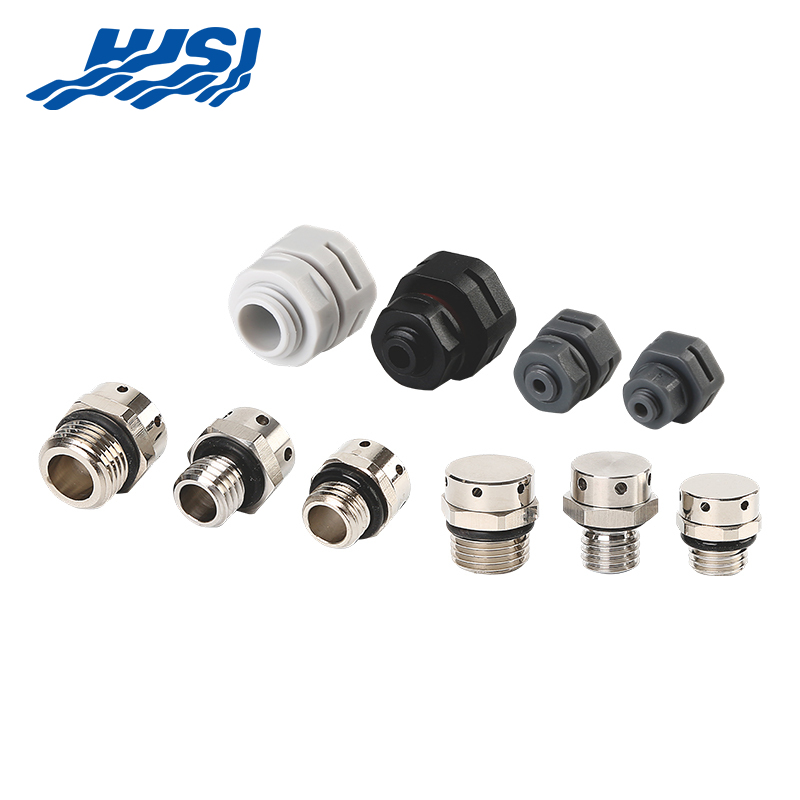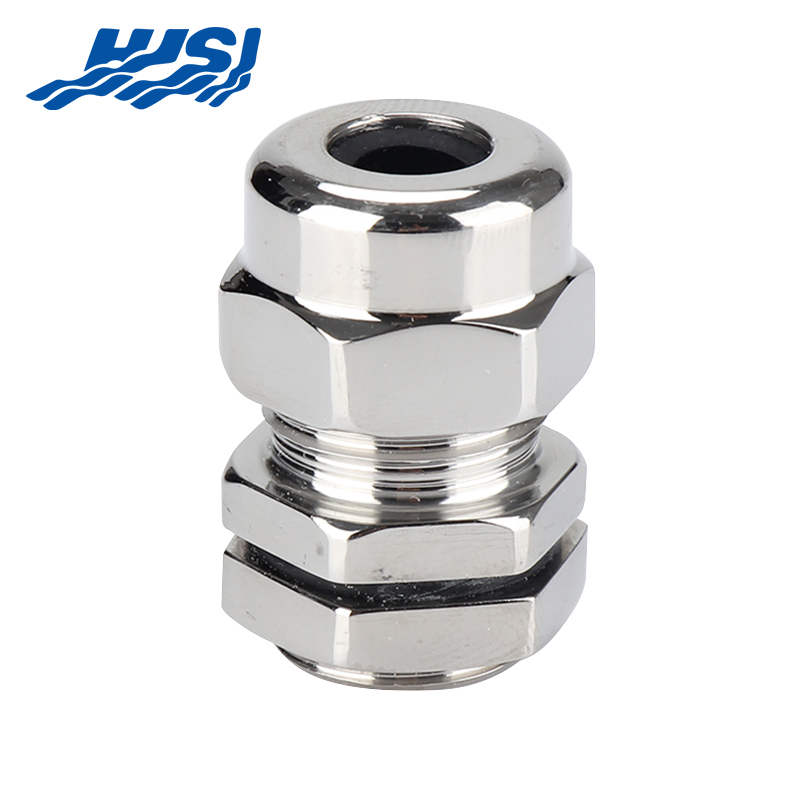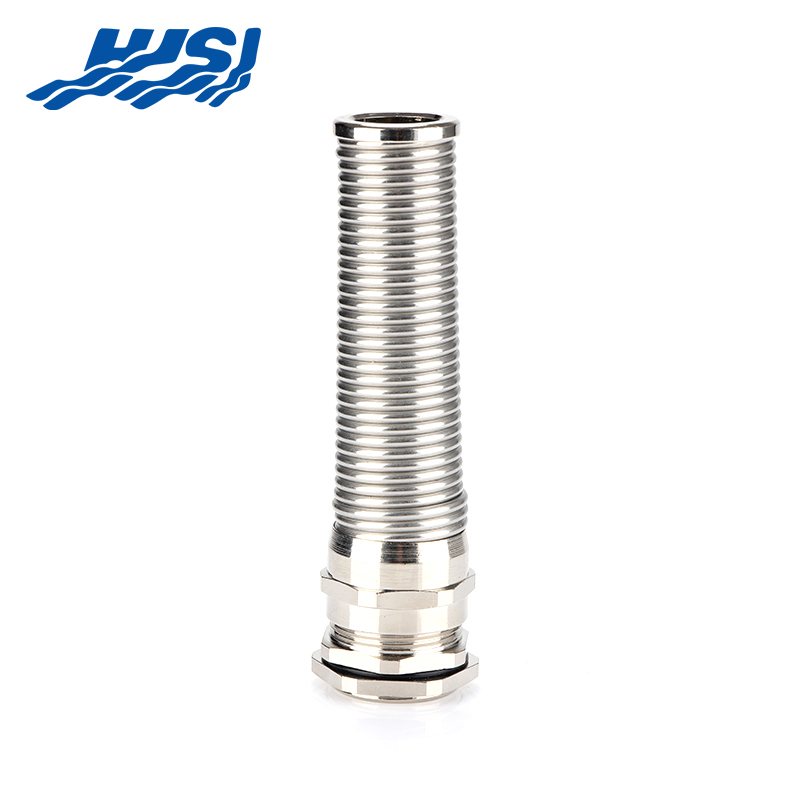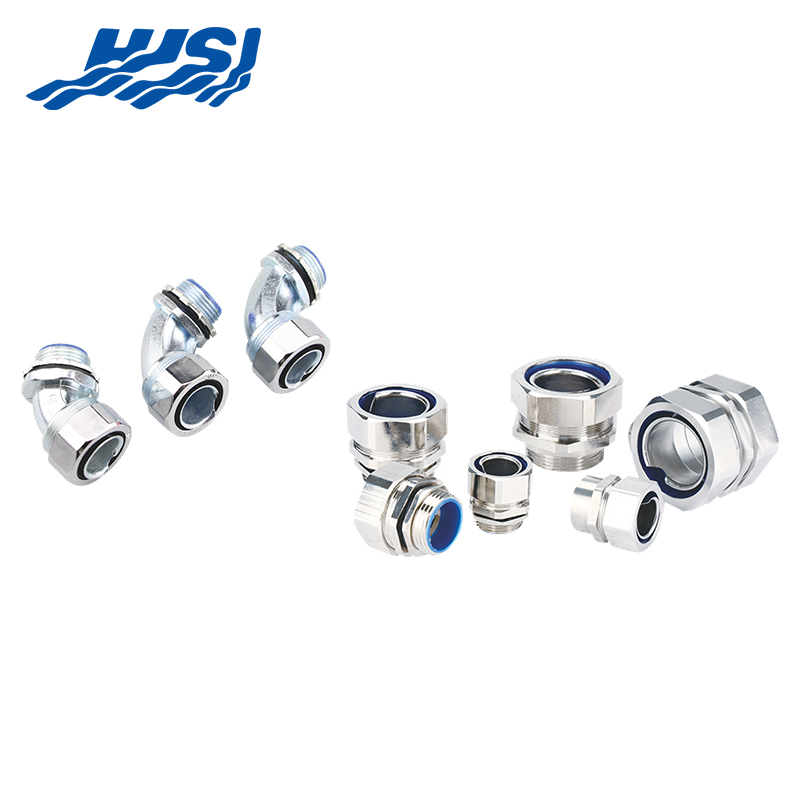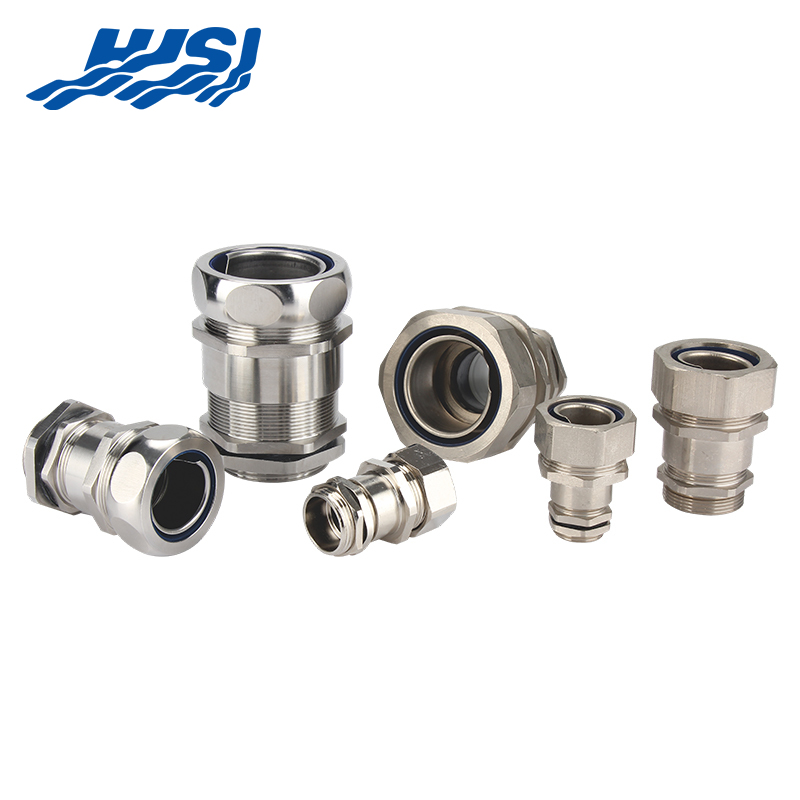
Running conduit outdoors is a different game from inside walls. Inside, you mostly worry about neat runs and code. Outside, the conduit and especially the fittings, including any Conduit Gland, have to stand up to rain, temperature swings, direct sun, physical bumps, and whatever chemicals are in the air or soil. One weak joint or bad seal and water sneaks in, insulation breaks down, and you end up with shorts or corroded wires.
Conduit protects the wires, but the fittings are where things connect, turn corners, or enter boxes. Outdoors they face real punishment:
If a fitting leaks or loosens, moisture gets inside and causes trouble fast—corroded wires, failed insulation, or ground faults. Good fittings keep the system sealed, provide strain relief, maintain grounding where needed, and make future repairs easier.
Most outdoor jobs use either metal or nonmetallic (usually PVC) conduit, and each has its own fittings.
Metal conduit fittings (rigid steel, aluminum, or IMC) give solid mechanical protection and can serve as part of the grounding path. Typical pieces include:
Nonmetallic (PVC) fittings are lighter, resist corrosion naturally, and are cheaper in many cases. You'll see:
Both types often rely on gaskets, O-rings, thread sealant, or caulk at the joints. Weatherproof boxes pair with these fittings to protect splices and terminations.
Material choice depends on the environment, budget, and how long you want the system to last.
Many fittings come with extra coatings, epoxy, or built-in UV protection. In really tough spots, add thread compound or weatherproof caulk at every joint.
Good design starts with thinking about water. Avoid low spots where moisture collects. Don't create long horizontal runs that trap condensation. Give yourself access points for future inspection. Route around trees, foundations, and other obstacles when possible.
When burying conduit, follow local burial depths and use extra protection if the soil is rocky or corrosive. Above ground, support the runs properly so they don't sag and put stress on the fittings.
During installation:
Grounding matters on metal systems—make sure continuity stays solid across fittings, especially at transitions.
Outdoor conduit needs regular eyes on it. After heavy storms, spring thaw, or just once a year in harsh areas, walk the runs and check for:
Tighten what's loose, replace damaged seals, clean off dirt and vegetation, and touch up sealant where needed. In coastal or industrial spots, you may need to inspect more often.
Electrical codes (like the NEC) are stricter outdoors because water and electricity don't mix. They spell out allowed materials, sealing methods, support spacing, and burial depths. Always check local amendments—coastal areas or places with heavy snow load often have extra rules.
Common headaches include:
Using the right rated fittings, proper seals, and allowing for movement helps avoid most of these.
The industry keeps improving. You'll see better flexible gaskets that stay supple longer, modular fittings that are easier to replace in the field, and even sensors that can alert you to moisture before it becomes a big problem. Pre-assembled sections and composite materials are making some jobs faster and more reliable in tough environments.
At the end of the day, outdoor conduit work comes down to respect for the weather. Choose fittings that match the site conditions, install them carefully with good seals and support, and stay on top of maintenance. Do it right and the system stays safe and dependable for years, even when the rain, sun, and temperature keep doing their worst.
When it comes to ensuring the safety and stability of outdoor electrical wiring, cable glands serve as the "unsung heroes." It is precisely their presence that effectively blocks moisture, dust, and mechanical vibrations—preventing an otherwise robust system from devolving into a maintenance nightmare due to external intrusions. Opting for high-quality glands ensures that every connection point remains tightly sealed, provides appropriate strain relief, and facilitates grounding whenever necessary.
Zhejiang HJSI Connector Co., Ltd. offers a comprehensive range of cable glands meticulously engineered to meet the demands of real-world applications. Available in materials ranging from UV-resistant plastics to corrosion-resistant metals, these products are designed to assist installers in maintaining the integrity and reliability of wiring systems, even within harsh and unpredictable environments.

2nd Floor, Building 2, No. 188, Punan 3rd Road, Economic Development Zone, Yueqing City, Wenzhou City, Zhejiang Province, China

Copyright @ Zhejiang HJSI Connector Co., Ltd. All rights reserved.

China Waterproof Breathable Valve Manufacturer
 +86-15858552966
+86-13356176555
+86-15858552966
+86-13356176555
 English
 русский
 عربى
عربى