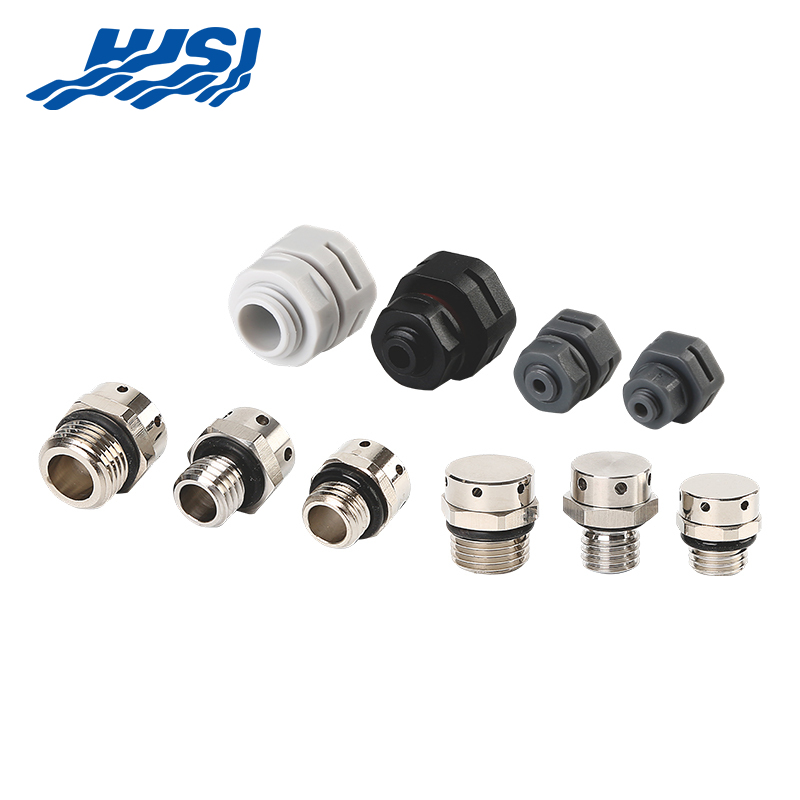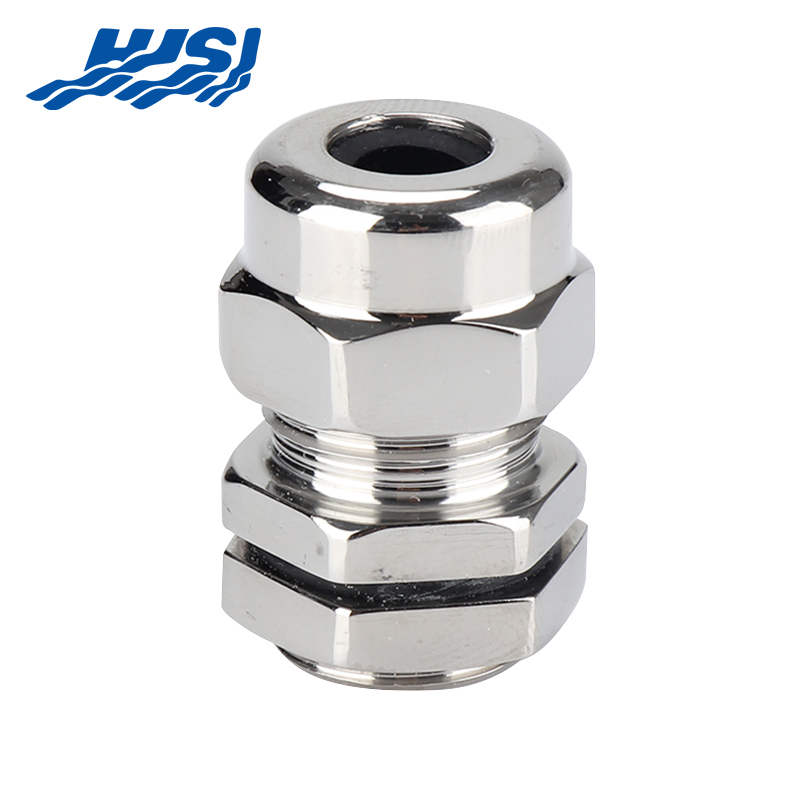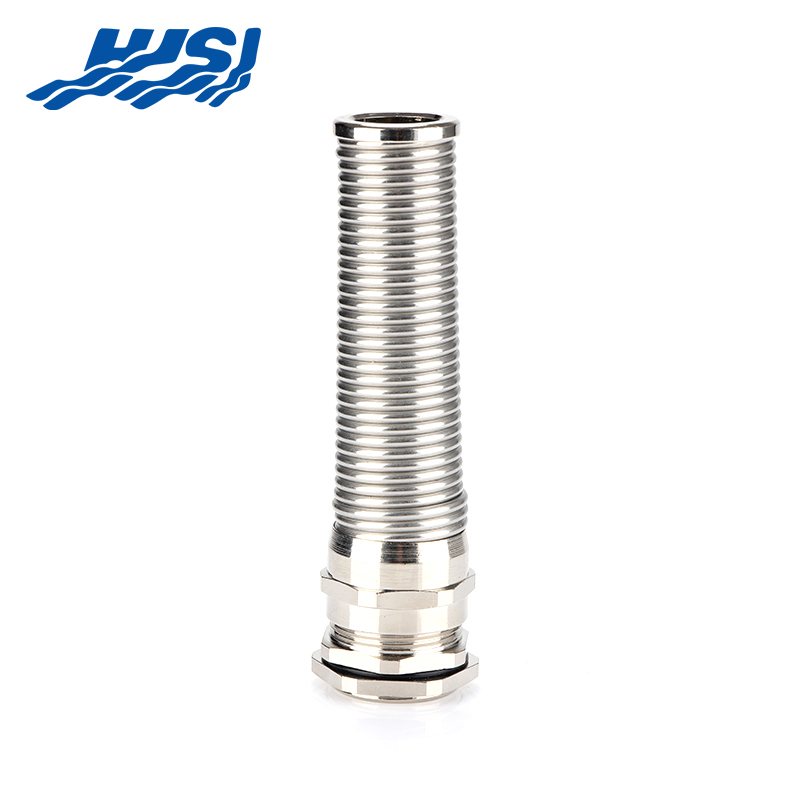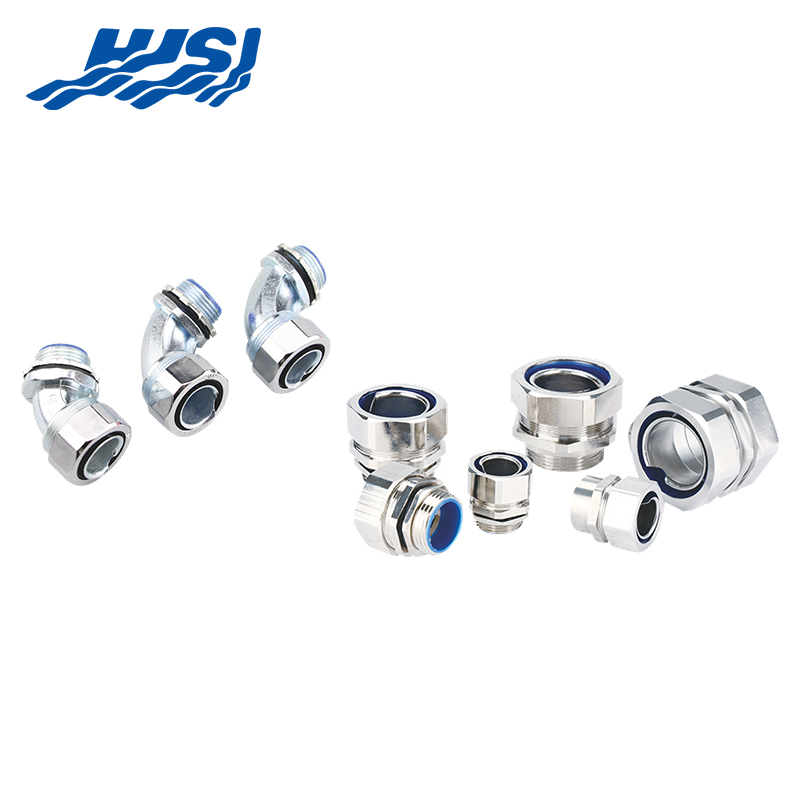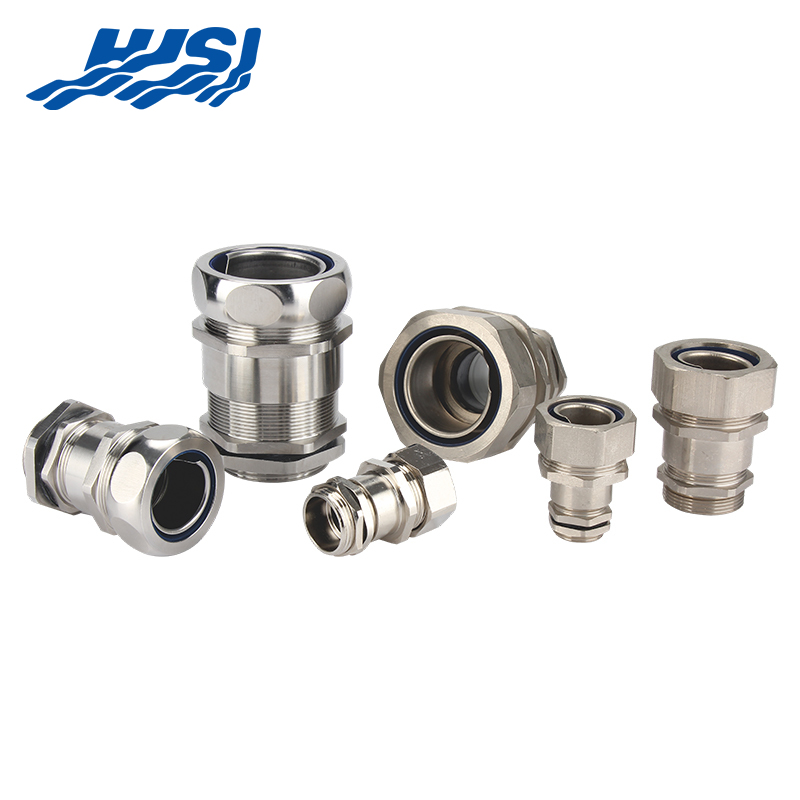
Cable glands show up in almost every electrical system out there. They fasten the cable to the equipment and handle a few key things at once: stop the cable from getting yanked out, make a decent seal, protect it from dust, water, or whatever the job site throws at it, and help avoid basic electrical headaches. It's smart to know the difference between regular standard cable glands and the EMC Cable Gland type, especially when you're building something that needs to run smoothly and stay on the right side of the rules.
Put simply, cable glands are the fittings that clamp the end of a cable onto electrical equipment. They keep the cable from being pulled around or putting too much strain on the connections inside the box. They also help keep dust, water, moisture, chemicals, and vibration from causing problems. That's why you see them everywhere — factory floors, office buildings, or regular home jobs.
They grip the cable tight so it doesn't come loose by accident or stress the terminals inside the enclosure. This really counts in places with lots of vibration or where cables get handled often.
A lot of glands come with seals or gaskets that block water, dust, or chemicals from sneaking in. That's handy for outdoor wiring or rough industrial spots that need a bit more protection.
The gland helps keep the cable's insulation and shielding in decent shape. It can lower the risk of shorts or other faults, especially on higher voltage lines or cables carrying sensitive signals.
They give you a fairly simple, repeatable way to finish off a cable. That usually means fewer screw-ups during setup and less trouble later when something needs fixing.
Standard cable glands are the common ones you run into in most everyday electrical and industrial work. They focus on holding the cable securely, relieving strain, and giving basic protection from the environment. They don't have any special stuff built in for electromagnetic interference.
| Feature | Description |
|---|---|
| Primary Function | Provide a solid grip and reliable seal |
| Material Options | Plastic, metal, or composite, depending on application |
| Environmental Protection | Protects against dust and moisture; limited EMI protection |
| Installation & Maintenance | Easy to install and maintain |
Advantages of Standard Cable Glands They're usually cheaper, which helps when the budget is tight. Because they're everywhere, they're easy to find and swap out. They also fit a wide range of cable sizes and types, from flexible cords to stiffer conduits.
EMC cable glands do the same holding and sealing as the standard ones, but they add protection against electromagnetic interference. They help shield signal and data cables from outside electrical noise that could mess with performance or cause compliance issues.
EMI is when magnetic or electrical fields from nearby machines start interfering with other equipment. It can weaken signals, scramble data, or make things act up. In factories packed with big motors or lots of electronics, dealing with that noise often becomes part of the job.
These glands use metal parts that connect directly to the cable's shield. That link carries the shielding up to the enclosure and gives interference a safe way to drain off. It helps keep the signal cleaner where it matters.
They help systems handle electromagnetic compatibility concerns. They cut down on noise that affects data and control lines. And on top of that, they still give you the usual mechanical grip and environmental sealing.
| Feature | Standard Cable Glands | EMC Cable Glands |
|---|---|---|
| Primary Function | Mechanical retention and basic sealing | Mechanical retention, sealing, and EMI shielding |
| Electromagnetic Protection | None | Provides EMI control through shield grounding |
| Material | Plastic, metal, or composite | Conductive metals and corrosion-resistant alloys |
| Installation Considerations | Generally simple | Requires proper clamping of the cable shield |
| Typical Applications | Industrial machinery, building wiring, consumer electronics | Data centers, industrial automation, medical equipment, renewable energy systems |
| Cost | Lower | Higher due to the shielding feature |
No matter which type you use, getting the installation right makes a difference. Do it wrong and you can lose holding power, sealing, or the shielding effect.
What the gland is made from affects how long it lasts and how well it handles the environment. Both kinds come in different materials picked for toughness and resistance.
Deciding which one to go with depends on the actual job:
Future Trends in Cable Glands
Cable glands keep changing slowly as demands around safety, efficiency, and rules shift.
Cable glands matter for keeping electrical systems running reliably and safely. Standard ones cover the mechanical and environmental side in a lot of everyday cases, while EMC versions bring shielding when interference starts becoming an issue. Thinking through the site conditions, the cables you're using, the rules that apply, and the practical limits of the project helps point you toward the right choice. Taking a bit of care with selection and installation goes a long way toward systems that keep working without constant trouble, whether you're dealing with machinery, networks, medical gear, or energy projects.
When electromagnetic interference becomes a tangible hazard in practical operations, many construction teams turn to EMC cable glands to secure additional shielding protection—without sacrificing the fundamental clamping force and sealing performance upon which they rely. To ensure reliable performance in such scenarios, many teams ultimately choose Zhejiang HJSI Connector Co., Ltd. as their partner.
Leveraging years of specialized manufacturing expertise, the company consistently maintains high quality in the design of its metal components and clamping structures, while offering pragmatic, customized solutions tailored to various cable types and operating environments. Their transparent and efficient delivery timelines—coupled with a strong emphasis on product corrosion resistance—streamline the entire process from order placement through to installation. Ultimately, choosing HJSI means acquiring cable glands that quietly and reliably fulfill their shielding duties, thereby ensuring that the entire system operates with sustained stability, free from the disruptions of extraneous noise and compliance-related concerns.

2nd Floor, Building 2, No. 188, Punan 3rd Road, Economic Development Zone, Yueqing City, Wenzhou City, Zhejiang Province, China

Copyright @ Zhejiang HJSI Connector Co., Ltd. All rights reserved.

China Waterproof Breathable Valve Manufacturer
 +86-15858552966
+86-13356176555
+86-15858552966
+86-13356176555
 English
 русский
 عربى
عربى