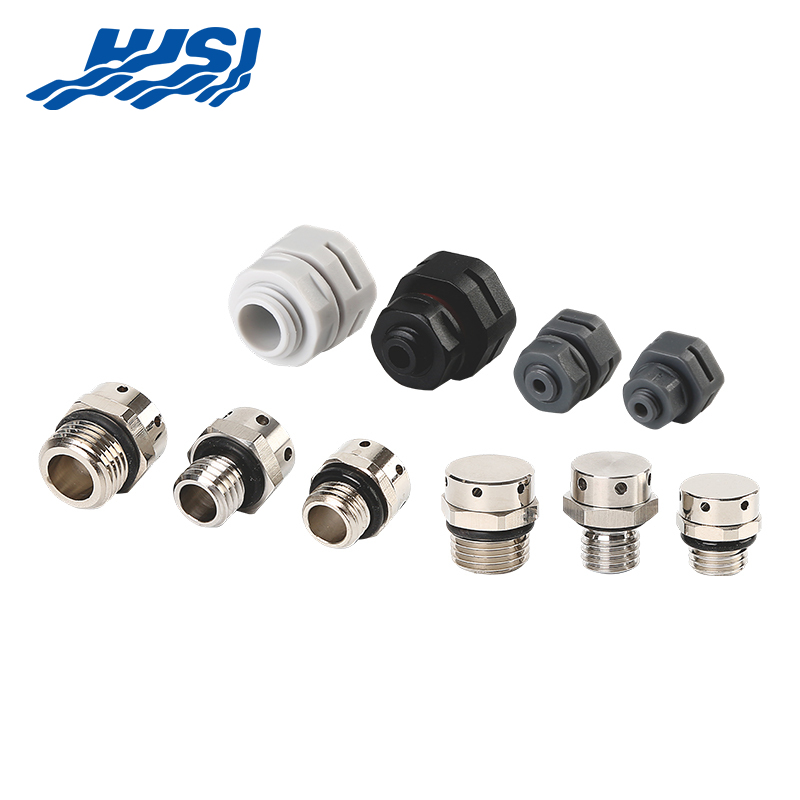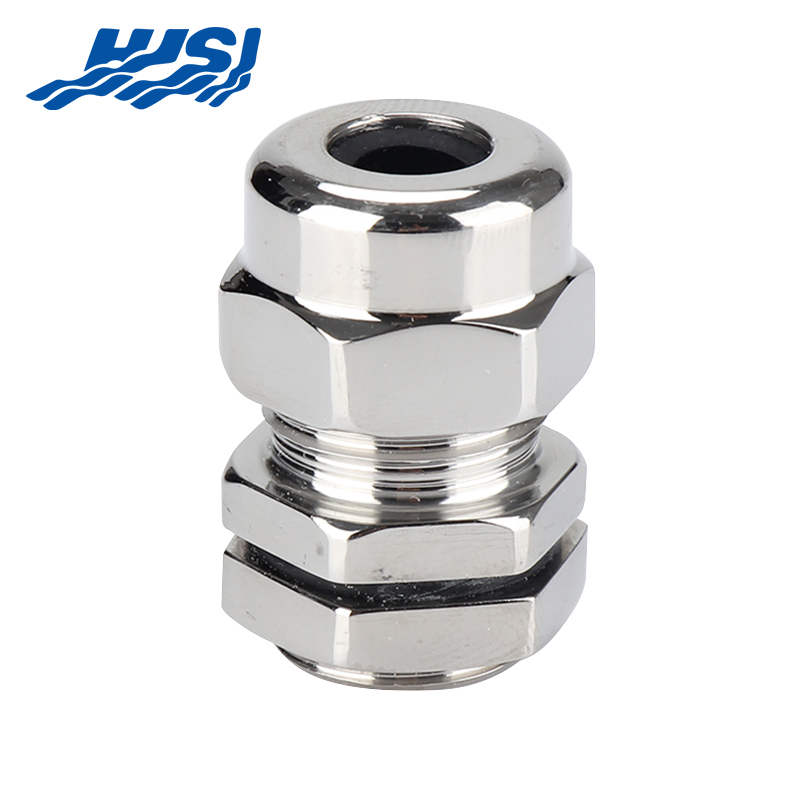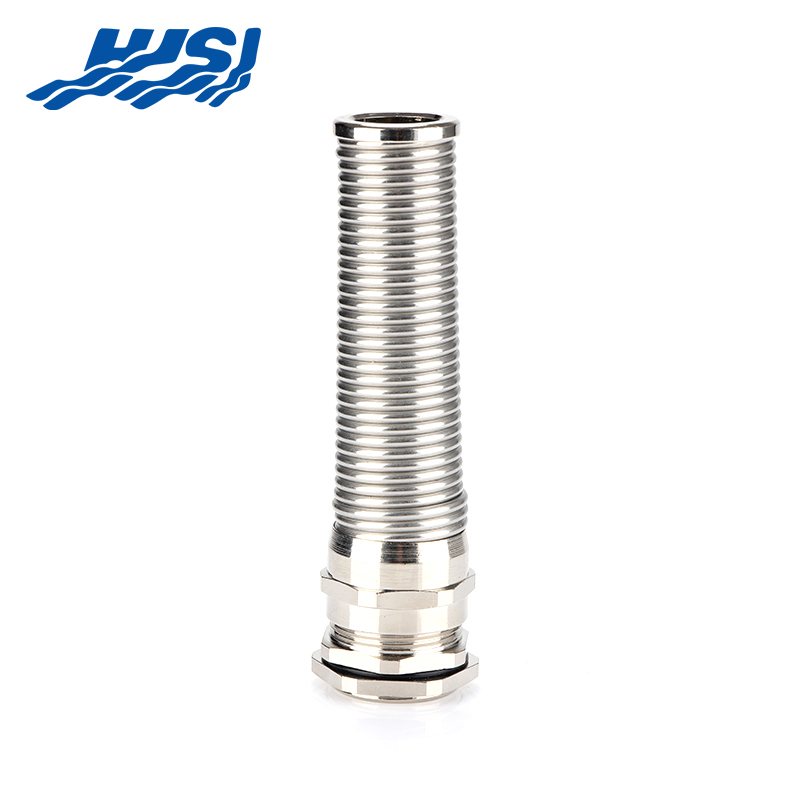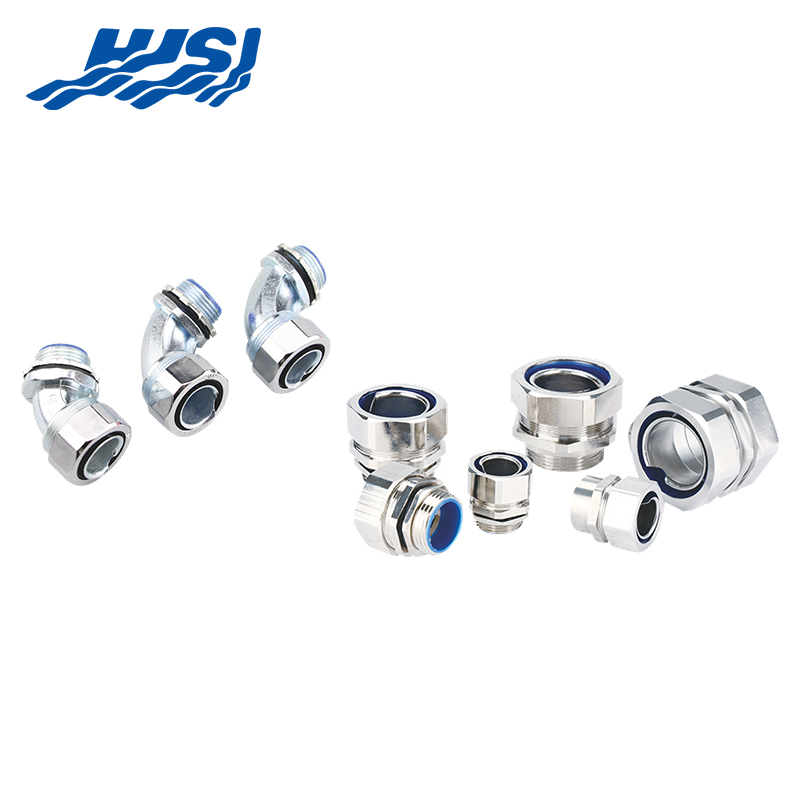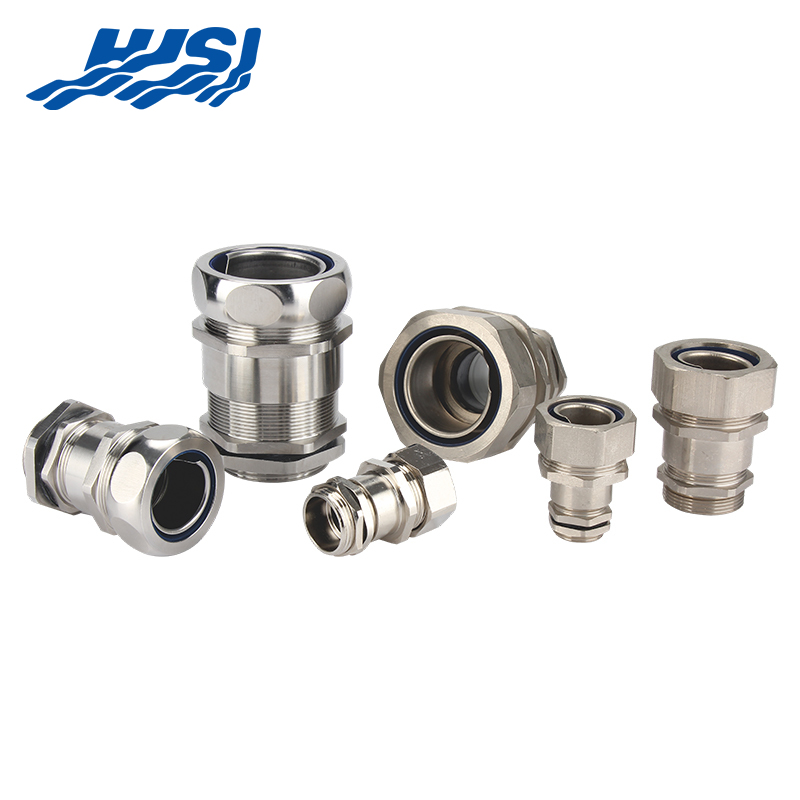
Pipe fittings, including Conduit Gland, serve as vital components in various systems, including plumbing, heating, cooling, fire suppression, industrial processes, and fluid handling. These elements—such as elbows, tees, couplings, unions, reducers, caps, crosses, adapters, flanges, wyes, and conduit glands—connect sections of pipe, change flow directions, create branches, alter sizes, or close off ends. They need to manage pressure, avoid leaks, maintain form under stress, and withstand the fluids, heat levels, and surrounding conditions they face during use. The effective service period of a fitting refers to the time it operates without issues like leaks, breaks, shape changes, significant wear from corrosion or erosion, or material decline that calls for fixes or swaps. Choosing the right material plays a key role in this duration, as it affects how the fitting handles fluid chemistry inside, exposure outside, physical forces, heat variations, pressure, and setup processes.
A well-chosen material can support dependable operation over extended periods, whereas an unsuitable one might result in early issues, despite proper setup and care. This discussion looks at how material traits influence fitting durability, including resistance to corrosion, compatibility with chemicals, strength under mechanics, reaction to heat, interactions during installation, effects of upkeep, and typical trends seen in home, business, and factory piping setups.
Corrosion contributes to many fitting problems. When metal fittings come into contact with dampness, air, salts, acids, or other active substances, their surfaces can break down. The speed and extent of this depend on the material's natural ability to counter such effects.
Carbon steel fittings offer solid strength and affordability for indoor gas lines in dry settings or areas with managed air. In places with low moisture, they can function reliably for many years. However, in open-air spots, underground placements, or ongoing wet conditions, unprotected carbon steel can show rust quickly, leading to deep damage that causes holes and leaks over time.
Galvanized steel fittings include a zinc layer that wears away first, shielding the steel below. In regular air exposure or light water touch, this zinc can protect the metal for a considerable time. In acidic waters, those with high salt content, or cycles of wet and dry, the zinc wears faster, after which the steel breaks down more rapidly.
Stainless steel fittings, mixed with chromium and often nickel or molybdenum, form a protective film that fights corrosion in various situations. In water supply lines, chemical flows, or coastal air, these fittings tend to stay functional for long stretches. Spot damage might happen in very salty fluids, but general material reduction occurs more slowly than with carbon steel or galvanized options.
| Material | Key Protective Mechanism | Performance in Typical Conditions | Performance in Aggressive Conditions | Overall Corrosion Rate |
|---|---|---|---|---|
| Galvanized Steel | Zinc layer sacrifices itself first (sacrificial protection) | Good in dry air or light water exposure; long protection | Faster zinc depletion in acidic water, high salt, or wet-dry cycles; base steel corrodes rapidly afterward | Faster in harsh environments |
| Stainless Steel | Passive chromium oxide film (self-healing) | Excellent in potable water, chemical lines, and coastal air; very long service life | Possible localized pitting in extremely high-chloride fluids; overall material loss remains slow | Slower and more consistent |
Copper fittings build a steady layer in clean water setups, supporting service over many years in household plumbing. This layer reduces further breakdown and keeps insides smooth. In soft, acidic waters or those with raised salts, spot corrosion can form, potentially shortening the service time. Copper handles growth from organisms and buildup from minerals better than some metals, helping keep flow steady over time.
Brass fittings, mainly alloys of copper and zinc, resist wear in neutral or slightly basic waters for extended periods in common plumbing uses. In waters that cause zinc loss, the zinc dissolves out, creating a weak, porous form that can fail sooner. Current brass mixes with managed zinc or added protectors lengthen this span.
Cast iron fittings, often in drains, sewers, and large water lines, stand up to outside pressure from soil and can endure when buried. Outer layers guard against soil agents. Inside, buildup or soft corrosion might narrow flow, but the main body usually keeps strength for the planned time.
Aluminum fittings fight air breakdown via a self-made layer, offering service in dry or balanced air uses like air vents or low-pressure gas. In acidic or basic fluids, the layer breaks down, causing quick loss and issues in wrong applications.
The material's skill in countering the environment—be it air, ground, vapor, or fumes—manages the rate of attack from both sides of the fitting.
The fluid inside touches the fitting's inner wall constantly. Fluids that corrode, wear, or react speed up inner material loss.
Acidic fluids can remove protective coats on many metals. Stainless steel, some nickel mixes, or acid-proof plastics hold up longer than carbon steel, copper, or basic brass.
Basic fluids might crack some plastics or cause zinc loss in brass. Plastics like polypropylene, polyethylene, or those with fluorine keep form in strong bases where metals wear down.
Salts in water, brine, or sea water encourage spot damage in stainless steel unless the mix has enough molybdenum. Copper faces challenges with high salts, while titanium or high-nickel options handle these for longer.
Fluids with particles wear soft materials fast. Harder mixes, fittings lined with ceramics, or dense plastics counter wear, keeping thickness and size inside.
Buildup from hard water can focus corrosion under it. Copper and some plastics resist sticking better than steel, lessening spot attacks and sustaining flow.
Matching material to the fluid prevents inner decline that could otherwise cut fitting life notably.
Fittings must hold inner pressure without breaking, swelling, or splitting. Stronger materials manage higher pressure well.
Carbon steel and stainless steel deal with high-pressure steam, fluid power, or gas lines effectively, often lasting the system's intended period. Plastics like PVC or CPVC have lower pressure limits and weaken at higher heats, limiting them to milder, cooler uses.
Resistance to hits is important in zones prone to shocks or outer loads. Ductile iron and some alloy steels take impacts better than stiff cast iron or hard plastics, preventing breaks from tools or soil shifts.
Shaking from machines fatigues connections over time. Flexible materials or fittings that dampen shakes lower force buildup leading to cracks.
Material traits in mechanics suited to pressure, hits, and shakes avoid early structure issues.
Temperature changes lead materials to expand with heat and contract with cooling. When fittings and pipes share similar expansion behaviors, the movement differences remain small, which lessens tension on connections.
Copper and steel expand in ways that are close enough to keep strain minimal on soldered or threaded joints in lines for hot and cold water. Plastics expand at higher rates, so setups often use expansion loops, flexible parts, or custom joints to keep connections from coming loose.
Long-term high temperatures speed up slow changes like deformation, softening, or oxidation in various materials. Stainless steel and alloys made for heat hold their strength and resist scaling in settings where carbon steel or plastics usually weaken.
In places with freeze-thaw patterns, stiff materials like cast iron or PVC can break if water freezes and pushes outward inside the pipe. Flexible plastics such as PEX adjust to this pressure without splitting, aiding ongoing use in cold areas.
Coordinating thermal traits among fittings, pipes, and the planned temperature span helps joints stay strong through ongoing heat shifts.
How materials handle during setup affects their reliability in the long run.
Threaded links in steel or brass call for exact torque. Too much pressure on fragile materials like cast iron can create cracks right away or later on. Too little lets parts move, slowly damaging threads and seals.
Soldering copper connections needs clean areas, right flux, and steady heat. Weak prep or uneven warming can form empty spots or thin bonds that give out early.
Glued plastic connections rely on clean, ready surfaces and smooth adhesive spread. Solid cleaning, priming if needed, and enough setting time make a merged joint as firm as the pipe.
Press or push fittings count on material flexibility and form hold. Harm from scratches or wrong placement during setup can weaken seals gradually.
Linking different metals without barriers often starts galvanic corrosion at the spot. Isolating unions, padding inserts, or non-metal fittings cut off contact and halt this quick wear.
Using setup methods matched to each material supports its full working potential.
Steady checks and care lengthen fitting use for any material.
Usual sight reviews spot starting problems like corrosion, drips, color shifts, swells, or breaks. Fast cleaning takes away piles that heighten local harm.
Cathodic shielding or outer layers guard buried or underwater fittings from ground corrosion.
Timed rinsing removes inside buildup that leads to scraping or hidden corrosion under layers.
Changing out used-up pieces, updating protective covers, or switching tired parts brings back defenses.
Tracking work pressures and heats keeps things inside material ranges.
Set care plans find upcoming issues soon, stopping leaks or breaks and adding to service time.
In home cold-water plumbing with copper fittings and balanced water, service tends to last for extended periods. Galvanized steel fittings in like uses often get leaks from inside rust after some time.
Hot-water heat setups with CPVC fittings work steadily in treated water, while regular PVC softens and fails faster at warmer levels.
Chemical flow lines with stainless steel fittings keep up against wear for longer spans, while carbon steel needs changes more often.
Buried drinking water lines with ductile iron fittings and guarding coats stay working for long times, compared to plain ones that may face outer corrosion earlier.
Pressed air setups with aluminum fittings skip rust troubles and keep going in dry spots, while steel ones need more regular checks.
These seen trends show how material picks tie to working settings to shape actual lasting power.
| Application | Material Used | Typical Service Life / Performance | Comparison / Notes |
|---|---|---|---|
| Chemical flow lines | Stainless steel fittings | Long-lasting; excellent resistance to wear | Carbon steel requires more frequent replacement |
| Buried drinking water lines | Ductile iron with protective coatings | Extended service life; reliable for many decades | Uncoated ductile iron may fail earlier due to external corrosion |
| Compressed air systems | Aluminum fittings | Rust-free; reliable performance in dry conditions | Steel fittings need more regular maintenance and checks |
Along with basic traits, making ways like forging, casting, or pressing shape starting grade and steady work. Forged fittings often have tighter builds with less inner flaws, giving better hold against tiredness and pressure changes. Cast fittings might hold tiny gaps that focus stress, though better casting ways have raised evenness.
Rules and field standards lead material picks. Codes for drinking water call for choices that avoid harmful releases, often pointing to copper or cleared plastics. Industrial pressure gear standards set low limits for strength and corrosion hold, aiding longer runs.
Money thoughts often weigh first cost against ongoing worth. Materials with more lasting power, like stainless steel or special mixes, have higher start prices but can cut repair and swap needs, fitting well for busy systems.
Fresh material growth keeps adding choices. Mixed builds joining metals with polymers or strength fibers give combined corrosion hold and firm build, handling limits of usual materials and possibly lengthening use in hard spots.
Actual uses show material effects. In home plumbing, where water makeup changes by area, copper stays common for its cost balance, easy setup, and handling of usual corrosive settings. In spots with even pH water, copper setups show little wear, with fittings holding through years of standard work.
Factory sites dealing with strong chemicals often pick lined fittings or forward mixes. For acid work, steel with fluoropolymer lining joins metal firm with plastic chemical hold, skipping fast inner wear in plain metals.
Business heat and cool systems need materials that deal with temperature changes well. Brass fittings in cooled water lines hold against damp buildup corrosion while keeping steady pressure hold for good running.
City underground water lines count on ductile iron to bear ground weights and shifts. Guarding coats boost this, cutting need for upsetting fixes.
Lengthening fitting use needs a planned way to pick materials. Start with full look at working settings: fluid makeup, heat span, pressure calls, surround touch, and possible physical strains. Weigh these against material info on corrosion speeds, pull strength, heat growth, and fit.
Guides from engineering groups give handy marks for hoped work. Where ready, model tools can show strains and wear to help guess use time.
Plan steps should add safety bits, like extra wall thick for corrosion space or fittings with joint shapes that spread loads even.
Setup calls for teaching on ways fit to each material to skip slips like too much twist or weak surface ready. After setup tests, like pressure tries and sight looks, help find troubles early.
Ongoing watch with sensors for pressure, flow, and corrosion lets early spot of shifts. Care plans made for the material and surround help on-time steps.
Using these ways helps systems reach fitting use times that aid full reliability, less stop time, and cost handling.
With gains, some hurdles stay. Changes in water makeup, mainly in public feeds, can at times speed wear without notice. Shifting weather ways may put systems to tougher heat swings, raising calls on materials.
Study keeps looking at lasting materials that cut need for rare supplies. Bio-made polymers and mixes from reused stuff give earth-kind choices that keep work level.
Surface work with nanotechnology may make covers that fix small harm on their own, possibly lengthening use in tough spots.
Steady teaching for engineers, planners, and setters on new materials makes sure picks show current know and field use.
Material picks stay a main part in pipe fitting lasting, setting how fittings deal with corrosion, chemical touch, physical loads, heat changes, and daily work. Metals give steady work in hard uses, plastics offer handy answers for milder settings, and special materials handle far needs. Close look at system calls supports picks that build reliable service, lower care needs, and raised efficiency in home, business, and factory spots.
Choosing HJSI fittings provides a practical and reliable solution for piping, industrial, and fluid handling systems. These fittings offer strong corrosion resistance, compatibility with various fluids, excellent mechanical performance under pressure, and good thermal performance under temperature variations. Their design facilitates easy installation, and standard maintenance extends their service life. By selecting the appropriate HJSI fittings based on the specific needs of residential, commercial, or industrial applications, systems will benefit from reliable connections, reduced risk of leaks or failures, and ultimately improved overall efficiency and lifespan of the piping network.

2nd Floor, Building 2, No. 188, Punan 3rd Road, Economic Development Zone, Yueqing City, Wenzhou City, Zhejiang Province, China

Copyright @ Zhejiang HJSI Connector Co., Ltd. All rights reserved.

China Waterproof Breathable Valve Manufacturer
 +86-15858552966
+86-13356176555
+86-15858552966
+86-13356176555
 English
 русский
 عربى
عربى