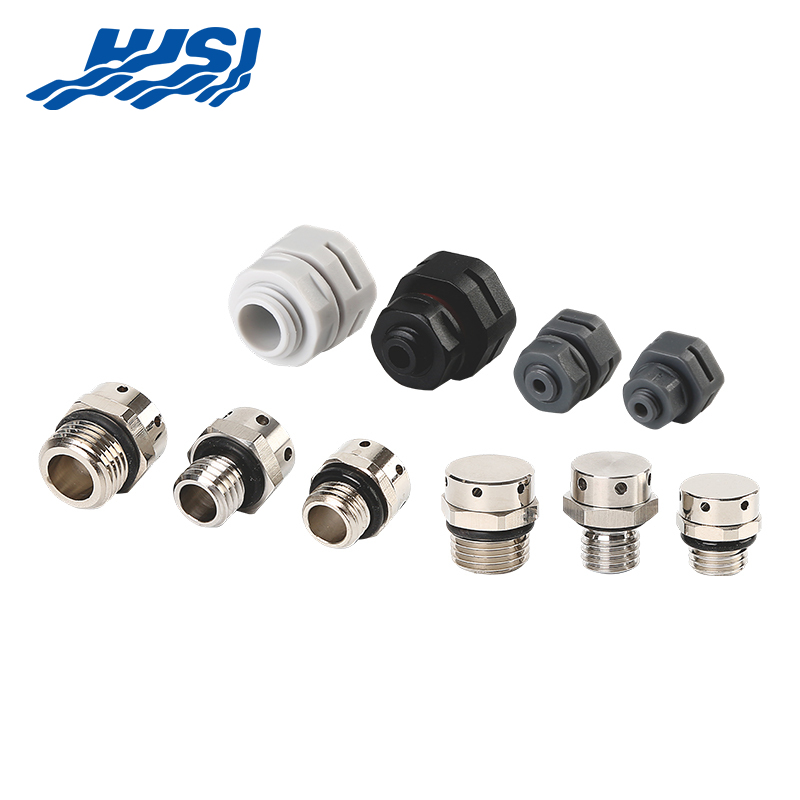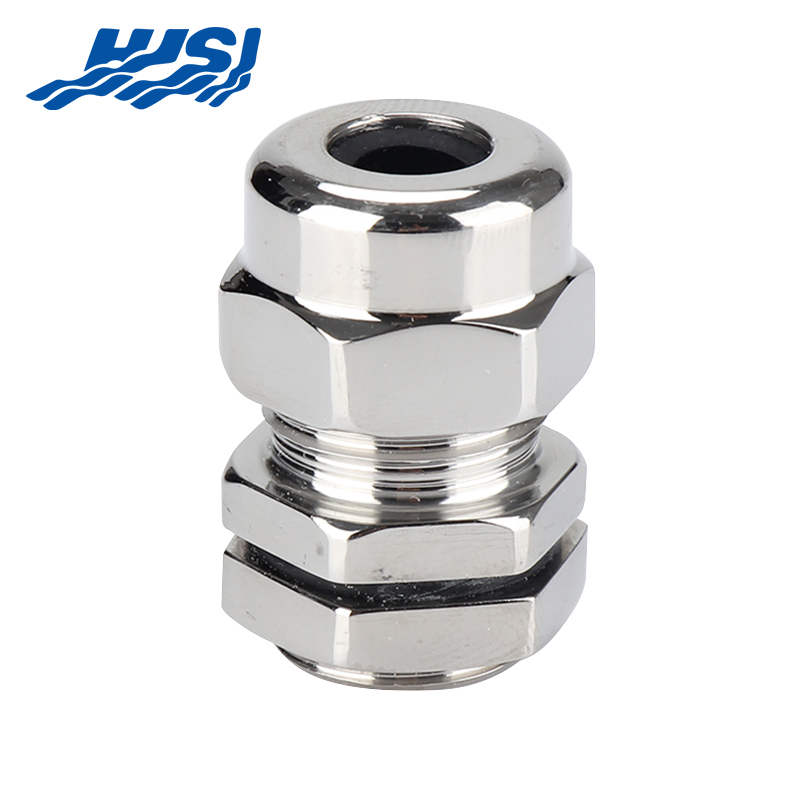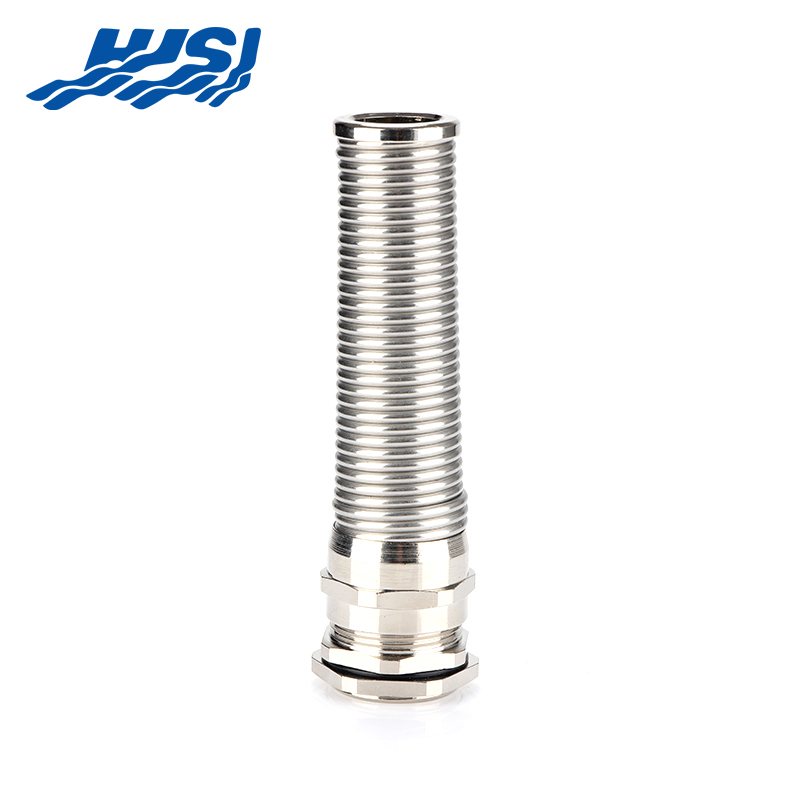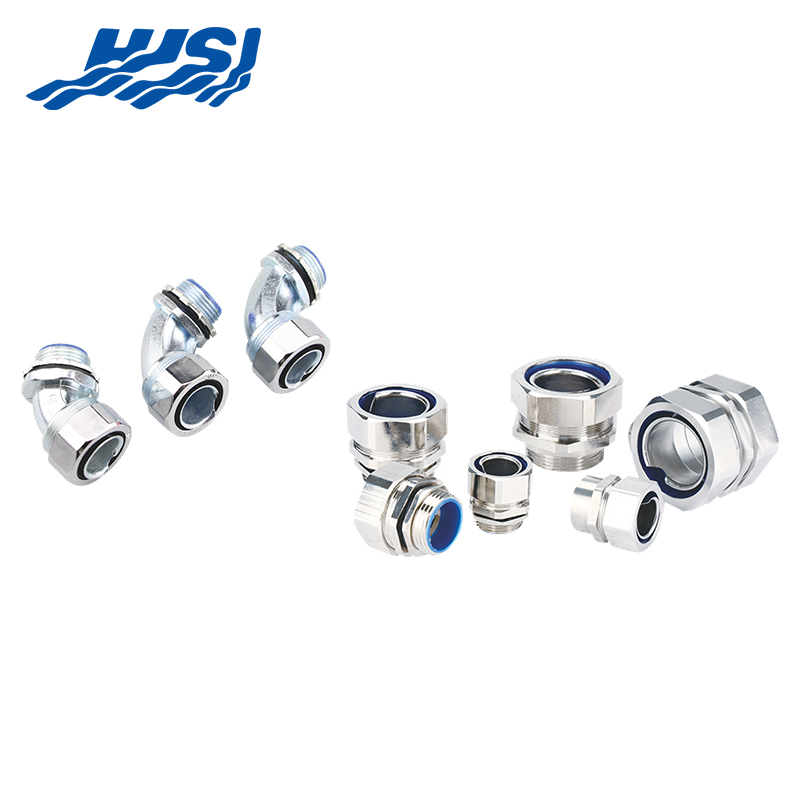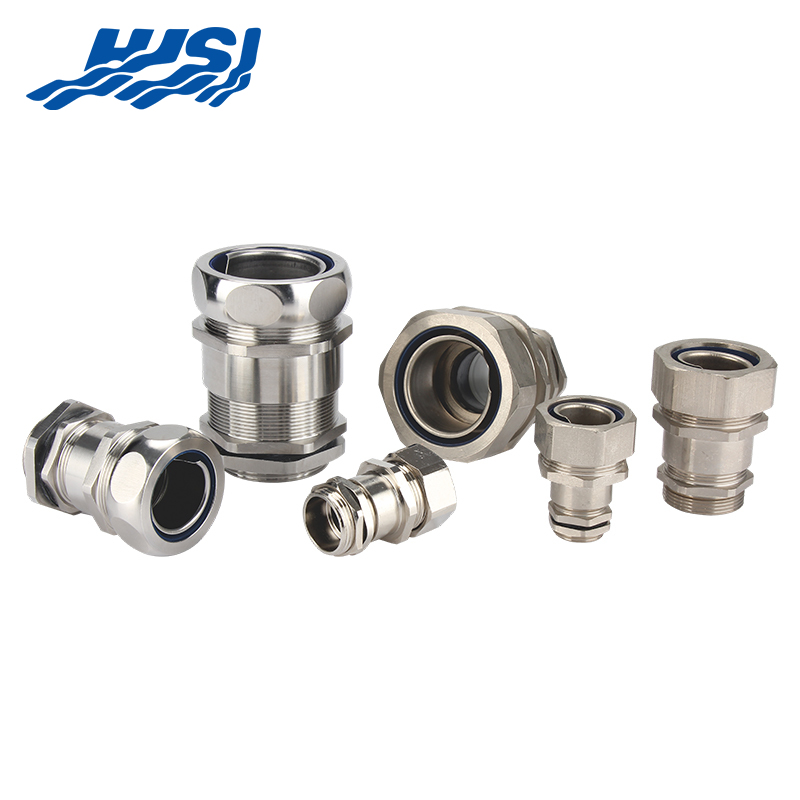
Conduit Gland are standard components in industrial electrical conduit setups. They connect pieces of conduit, fix conduit lines to junction boxes, panelboards, motor terminals, or equipment casings, and manage shifts in direction, conduit diameter, or conduit material. In industrial places like factories, refineries, water treatment setups, mining zones, food processing spaces, and power plants, conduit systems guard electrical wires from knocks, water, harsh chemicals, dust, shaking, and big temperature changes. Connectors make sure the whole conduit path stays joined and guarded, keeping wires from being exposed and leading to insulation wear, short circuits, ground faults, too much heat, or sparking.
Industrial power and control wires go over long stretches and through tricky paths to reach motors, pumps, valves, sensors, lights, and control panels. Conduit makes a special protected route for these wires. Connectors are the spots where that route stays connected and sealed.
A well-fitted connector stands up to pull from wire weight, heat expansion, or strain when pulling wires in. In metal conduit, it keeps grounding steady so fault currents can go back safely. It blocks water, dust, or chemical fumes from getting in and harming insulation. Near equipment that shakes or moves—like pumps that go back and forth, robotic arms, conveyor belts, or shaking screens—connectors let some bend without breaking the joint or stressing the conduit. In air with corrosive stuff, connectors hold up against breakdown that would let moisture or gases reach the wires. In spots labeled hazardous due to flammable gases, vapors, or burnable dust, connectors help keep any spark or arc inside the system. These tasks help cut sudden stops in work, lower fix costs, and make the place safer to work.
Straight connectors link two conduit ends straight on, making long runs along ceilings, floors, or walls. Compression couplings grab the conduit outside when a nut squeezes a ferrule or gland ring. Threaded couplings twist onto conduit with threads already cut.
Union connectors let you take conduit parts apart and put them back without turning either side, which simplifies fixes or changes in set conduit lines.
Elbow connectors switch the conduit direction. Ninety-degree elbows make tight turns around columns, machine bases, pipe groups, or building supports. Forty-five-degree elbows give softer bends that ease wire pulling and put less pressure on insulation. Pull elbows have covers you can take off to make putting in or pulling wires simpler in long or winding runs.
Offset connectors move the conduit path sideways while keeping it even, helping go around beams, ducts, or other lines.
Reducing or enlarging connectors shift from one conduit size to another, letting the system change when wire numbers or load needs vary along the way.
Rigid-to-flexible adapters join rigid conduit to flexible conduit, mixing firm protection where things are steady with shake absorption near moving gear.
Liquid-tight connectors have built-in seals—gaskets, O-rings, or squeeze rings—that keep out water, cutting oil, process liquids, or wash sprays. Straight and elbow types work in areas with spills sometimes, regular cleaning, or rain.
Connectors made for hazardous classified spots have thick bodies, exact threads, and grounding paths that hold any arc or spark inside, stopping it from setting off gases or dust outside.
Each kind fits a certain need based on the route, surroundings, movement level, or hazard type.
| Connector Type | Key Features / Design Elements | Typical Use / Benefit |
|---|---|---|
| Liquid-Tight Connectors | Built-in seals (gaskets, O-rings, compression/squeeze rings) | Prevents entry of water, cutting oil, process liquids, wash sprays |
| Liquid-Tight – Straight & Elbow | Straight and 90° elbow versions | Suited for areas with occasional spills, frequent washdowns, or rain exposure |
| Hazardous Location Connectors | Thick-walled body, precision-machined threads, grounding continuity path | Contains arcs/sparks internally to prevent ignition of flammable gases, vapors, or combustible dust |
| General Purpose | Adapted to route, environment, movement, or hazard level | Matches specific installation needs (routing, surroundings, vibration, classified areas) |
Connector bodies are made from materials chosen to handle strength, corrosion, temperature, and electrical needs in the spot they will be.
Zinc-plated steel connectors offer good strength and resistance to hits in indoor areas or spots with managed humidity. The zinc layer guards the surface from early rust.
Galvanized steel connectors have a thicker zinc coat, making them better against air moisture, condensation, and short water touch in outdoor or half-exposed places.
Aluminum connectors are lighter, which helps when putting in overhead or long runs, and they make a natural oxide layer that fights corrosion in neutral or lightly acidic air.
Stainless steel connectors hold up to strong acids, chlorides, frequent high-pressure washes, and very humid conditions. Types with more nickel or molybdenum fight pitting and small-spot corrosion in rough chemical settings.
Non-metallic connectors, shaped from strong polymers or composites with glass fiber, handle many acids, bases, solvents, and oils. They avoid galvanic corrosion and insulate electrically when needed.
Brass connectors give corrosion resistance with good machining and clean threads, fitting threaded joints in damp or lightly corrosive air.
Sealing parts—gaskets, O-rings, bushings—are from rubber-like materials like neoprene, nitrile, silicone, or fluorocarbon, picked to match the fluids, temperature range, and aging they will see.
The material chosen matches the expected conditions while keeping setup practical and cost fair.
Installation begins with getting conduit ends ready. Sections are cut straight with a conduit cutter or saw, then deburred on inside and outside to take off sharp edges that could cut insulation or harm seals.
Threaded connectors get pipe thread sealant or PTFE tape put on thinly and evenly on the male threads to make a tight seal without too much buildup that could block grounding touch.
Compression connectors have the nut and ferrule slid on the conduit first. The conduit goes all the way into the body, and the nut is tightened evenly until the ferrule holds the conduit without crushing it.
When attaching to an enclosure, the right knockout is removed, the connector body pushed through the hole, and a locknut tightened from inside against the enclosure wall. Grounding bushings or bonding jumpers go on when grounding must keep going.
Flexible conduit connectors have an inner bushing or throat that stops wires from rubbing during bending. Enough slack is left in flexible parts to allow movement without pulling on the connector.
In hazardous classified areas, connectors are tightened to the needed thread depth, and any required sealing fittings are added by the area rules.
After the mechanical part is done, wires are pulled through the conduit with pulling compound to cut friction and protect insulation and seals.
A last check looks at seating, gaps, alignment, and locknut tightness. A hand tug on each joint confirms it holds before power comes on.
Connectors boost safety by keeping the protective conduit system whole. Strong joints stop wires from pulling out and showing live parts or making spots that heat from resistance.
Good seals in liquid-tight connectors cut the chance of water linking conductors to each other or to grounded metal, reducing faults or shock dangers.
In metallic conduit, connectors keep grounding paths with low resistance so fault currents flow back and trip protective devices fast.
Features that fight vibration—serrated surfaces, lock washers, or extra locking parts—stop slow loosening that could break grounding or let water in.
During repair or testing, connectors that let sections be cut off safely without showing live wires make work safer for technicians. Clear labels and color codes help avoid hooking circuits back wrong.
Training on right tightening force, sealing ways, and material matching cuts mistakes that could make dangerous situations.
Regular visual checks find surface corrosion, cracks, color changes from heat, or loosening. In corrosive spots, cleaning removes buildup that speeds damage.
Compression nuts, locknuts, and threaded joints are tested for tightness and tightened to the right amount when loose, without going too far and bending parts.
Seals and gaskets in liquid-tight connectors are checked for hardening, cracking, cuts, or flattening. Worn seals are swapped to keep protection going.
| Maintenance Task | What to Check / Do | Purpose / Benefit |
|---|---|---|
| Visual Inspection | Look for surface corrosion, cracks, heat discoloration, loosening | Early detection of wear or damage |
| Corrosive Environments | Clean buildup (salt, chemicals, grime) from surfaces | Prevents accelerated corrosion |
| Mechanical Tightness | Test compression nuts, locknuts, threaded joints for tightness; re-torque if loose | Maintains secure, vibration-resistant joints |
| Tightening Limit | Tighten to proper amount – avoid over-tightening | Prevents deformation or cracking of parts |
| Seals & Gaskets (Liquid-Tight) | Inspect for hardening, cracking, cuts, or compression set | Ensures continued ingress protection |
| Seal Replacement | Replace worn or damaged seals/gaskets | Restores reliable sealing performance |
Connectors on flexible conduit get extra look at where bending is common. Cracked bushings, loose clamps, or worn spots are fixed to avoid wire harm.
Ground continuity in metallic conduit is tested now and then, especially after changes or long shake periods.
Upkeep happens more in tough conditions—lots of dust, steady water, strong chemicals, or heavy vibration. Logs note dates, what was seen, and fixes done to guide future checks.
Manufacturing plants put rigid connectors on fixed runs to control panels and flexible connectors near moving parts like presses, robotic arms, and conveyors.
Chemical and petrochemical sites use corrosion-resistant and sealed connectors in areas with process fumes, spills, or outdoor weather.
Food and beverage plants install liquid-tight and easy-to-clean connectors in wash zones to meet cleanliness and safety rules.
Water and wastewater plants use water-resistant and chemically stable connectors for outdoor runs and places with splashing or standing water.
Mining sites depend on tough, hit-resistant connectors that handle dust, shocks, and vibration underground and on top.
Renewable energy setups—wind towers, solar fields—use weatherproof and UV-stable connectors for long outdoor wiring.
Big facilities with heavy mechanical systems use connectors to keep conduit in order in mechanical rooms, tunnels, and overhead paths.
Conduit connectors are a key piece of safe and lasting electrical systems in industry. Picking the right ones, installing them carefully, and checking them regularly lets these fittings work reliably in hard conditions.
Thanks to its consistent focus on safe mechanical performance, reliable environmental sealing, and excellent compatibility with harsh field conditions, HJSI products are a reliable choice for industrial electrical conduit systems. HJSI connectors feature a durable design that effectively withstands vibration, corrosion, and moisture, while also offering convenient installation features and thoughtful grounding continuity and conductor protection designs. This ensures long-term system integrity and reduces maintenance requirements.
By focusing on these core industrial needs and avoiding unnecessary complexity, HJSI enables electrical professionals to build stable, safer, and more cost-effective conduit networks suitable for a variety of environments, including manufacturing, processing, and heavy industry.

2nd Floor, Building 2, No. 188, Punan 3rd Road, Economic Development Zone, Yueqing City, Wenzhou City, Zhejiang Province, China

Copyright @ Zhejiang HJSI Connector Co., Ltd. All rights reserved.

China Waterproof Breathable Valve Manufacturer
 +86-15858552966
+86-13356176555
+86-15858552966
+86-13356176555
 English
 русский
 عربى
عربى