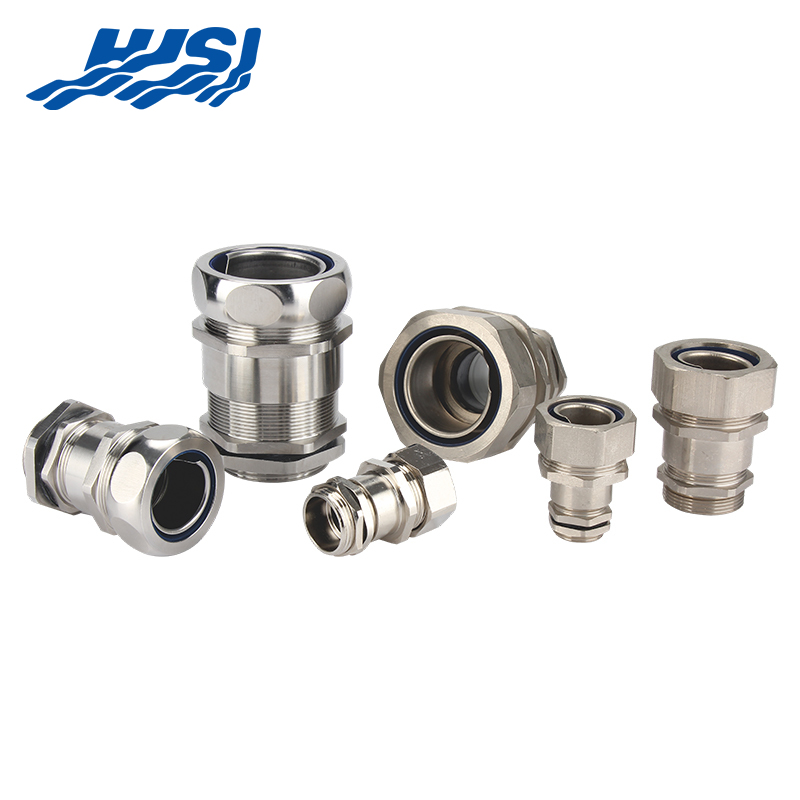
Standing inside a processing plant where a single spark could set off something a lot worse than an inconvenience, and realizing the cable gland you're about to install is one of the details standing between a routine day and a genuinely dangerous one, tends to make people slow down and actually read the specs instead of grabbing whatever's closest on the shelf. Plenty of buyers worry about whether a cable gland can provide suitable protection, hold cable connections steady, and genuinely match the conditions of the area it's going into. If you've been searching for what features matter in Cable Glands for Hazardous Areas, working through the practical details before ordering makes a real difference once that gland is actually installed and doing its job. Cable Glands for Hazardous Areas support cable entry points where environmental conditions demand a lot more thought than a typical office building would ever require. These components manage the connection between cables and equipment while supporting protection, organization, and dependable installation across conditions that don't leave much room for shortcuts.
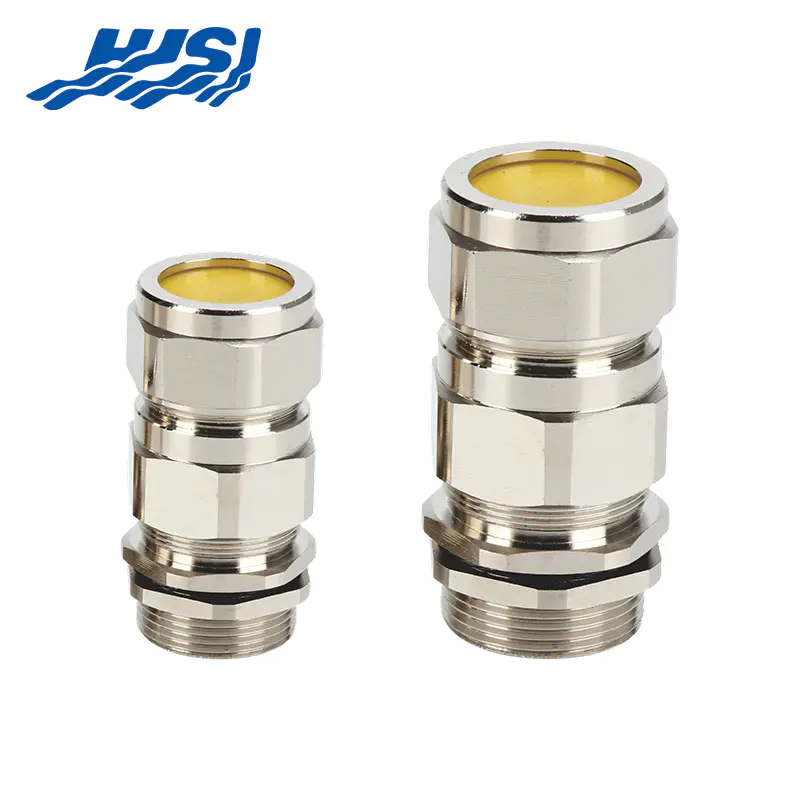
The design of a cable gland shapes how well it actually fits into an electrical system built for demanding conditions.
In industrial environments, cable entry points need genuine care during setup. A suitable gland creates a connection between cable and equipment while supporting protection against whatever conditions surround it, whether that's dust, moisture, or something more volatile.
A few design areas worth paying attention to:
| Design Feature | Why It Matters |
|---|---|
| Connection structure | Supports proper cable installation from the start |
| Sealing design | Helps manage exposure to surrounding conditions |
| Material selection | Shapes how well it holds up over long-term use |
| Installation method | Affects how practical daily operation actually is |
A genuinely well-considered design lets the cable gland function as part of the complete system rather than as an isolated component bolted on as an afterthought. Buyers benefit from thinking through how the gland will interact with cables, equipment, and the surrounding environment together, not separately.
Sealing ability sits near the top of most buyers' concerns when choosing Cable Glands for Hazardous Areas, and for good reason.
Cable entry points face genuinely different environmental conditions depending on the facility, from constant humidity to airborne particles that shouldn't be getting anywhere near live connections. A suitable seal helps create a more controlled connection between the cable and equipment despite all that.
A few sealing considerations worth thinking through:
A proper seal genuinely supports the entire installation's function. When choosing a cable gland, thinking through the actual environment it's headed into, and how well the sealing design matches those conditions, matters more than picking whatever's cheapest on a supplier list.
The material a cable gland is made from shapes how it handles daily use across a working facility.
Different environments expose components to genuinely different conditions, and material selection affects durability, how much maintenance it eventually demands, and how well it plays with surrounding equipment.
A few material considerations worth knowing:
| Material Factor | Buyer Consideration |
|---|---|
| Strength | Supports regular installation and ongoing use |
| Surface condition | Shapes the quality of the connection itself |
| Resistance to environmental factors | Relates directly to the working conditions faced |
| Maintenance requirements | Affects how much long-term management it needs |
The right material really depends on the specific application it's going into. Buyers benefit from evaluating the environment, the equipment requirements, and expected usage patterns before settling on a decision, rather than assuming one material fits every facility equally well.
A cable gland needs to genuinely match the cable it's supporting, or the whole connection becomes a weak point rather than a solution.
Different cables carry different structures and usage requirements, and choosing a compatible gland helps create a connection that actually holds up rather than one that looks fine on installation day but fails months later.
Cable compatibility involves a few things:
| Area | Question to Consider |
|---|---|
| Cable size | Does it actually fit the intended cable? |
| Cable structure | Is the connection method suitable for this type? |
| Installation environment | Does it match the application it's going into? |
| Equipment connection | Can it integrate properly with existing equipment? |
Compatibility is a genuinely important part of a successful installation. A cable gland shouldn't just connect the cable physically. It needs to fit the overall electrical setup it's becoming part of.
A product suitable for industrial use also needs to support practical, real-world installation, not just theoretical performance on a spec sheet.
Installation affects how much prep time gets used up, how much adjustment is needed afterward, and how manageable future maintenance turns out to be once the system's running.
A few installation features worth looking for:
A simpler installation process helps users manage equipment a lot more effectively from day one. Buyers often think not just about how a cable gland performs once installed, but about how easily it integrates into systems that already exist on-site.
Protection sits at the center of choosing Cable Glands for Hazardous Areas, since the whole point of these components is managing risk.
Cable connections need to handle a range of operating conditions, and a suitable design helps maintain a stable connection between cable and equipment even when conditions aren't ideal.
A few protection-related features worth considering:
| Feature Area | Importance |
|---|---|
| Cable securing | Helps maintain the cable's position over time |
| Connection stability | Supports a consistent, reliable installation |
| Environmental protection | Helps manage whatever outside conditions exist |
| Structural design | Shapes overall usability across the system |
The right protection features genuinely depend on the specific challenges present in a given application. Buyers benefit from evaluating what their particular environment actually throws at equipment before settling on a cable gland.
Maintenance is a genuinely important part of managing industrial equipment over its working life, and cable glands are no exception.
A cable gland that fits naturally into regular maintenance practices makes inspections and service work noticeably easier for whoever's handling it.
A few maintenance considerations worth thinking through:
| Consideration | Reason |
|---|---|
| Inspection access | Helps users check connection condition without hassle |
| Cleaning needs | Supports regular care throughout the working life |
| Replacement process | Shapes how manageable future upkeep actually is |
| Component condition | Helps maintain organization across the whole system |
Understanding these maintenance requirements upfront helps buyers plan realistically for long-term use. A genuinely practical design supports both the initial installation and the ongoing management that follows for years afterward.
Comparing cable glands means looking at several factors together rather than fixating on one impressive-sounding spec.
A product might list plenty of appealing features, but those features only matter if they genuinely match the application they're being considered for.
| Consideration | Question |
|---|---|
| Environment | Does it actually suit the working area? |
| Cable compatibility | Does it match the specific cable type? |
| Installation | Is it genuinely practical to install on-site? |
| Material | Does it fit the demands of this application? |
| Maintenance | Is it convenient to manage over time? |
Working through comparisons this way helps buyers make decisions grounded in real requirements rather than surface impressions. The whole selection process becomes noticeably clearer once the cable gland gets evaluated as part of the complete electrical system it's joining.
Cable Glands for Hazardous Areas show up in industrial settings where cable connections genuinely demand careful planning rather than routine handling.
They tend to get considered for applications involving equipment that needs organized cable entry and connection management under conditions that carry real risk if handled poorly.
A few common application areas:
Each of these applications brings its own specific requirements. The cable gland genuinely needs to match the equipment design, the cable arrangement in use, and the working environment surrounding it. Understanding the specific application helps buyers identify which features deserve the closest attention during selection.
Cable Glands for Hazardous Areas are a lot more than simple connection accessories sitting quietly inside a system. They're part of the overall cable management setup, shaping how equipment connections get organized and maintained across the working life of a facility. Features like sealing design, material selection, cable compatibility, installation convenience, protection capability, and maintenance requirements all shape the real user experience far more than how a product looks in a catalog photo. Understanding these factors gives buyers a much clearer path to evaluating available options and selecting cable glands that genuinely fit their application needs, equipment requirements, and the working environment they're actually operating in.

2nd Floor, Building 2, No. 188, Punan 3rd Road, Economic Development Zone, Yueqing City, Wenzhou City, Zhejiang Province, China

Copyright @ Zhejiang HJSI Connector Co., Ltd. All rights reserved.

China Waterproof Breathable Valve Manufacturer
 +86-15858552966
+86-13356176555
+86-15858552966
+86-13356176555
 English
 русский
 عربى
عربى