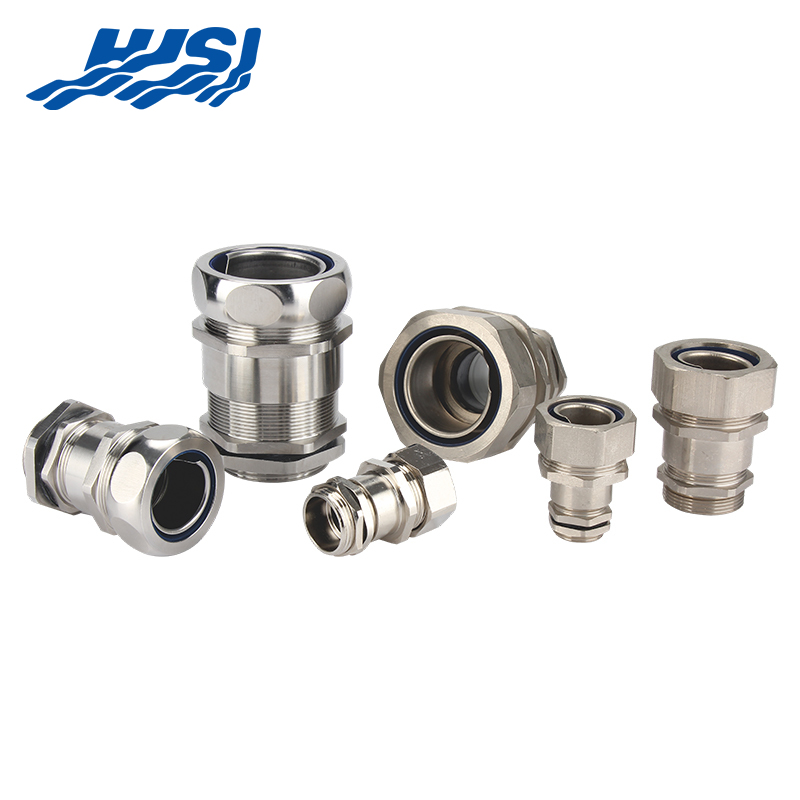
Picking the wrong material for a cable seal can mean corrosion, water ingress, or a mechanical failure showing up months after installation, right when it's hardest to fix. If you've spent time weighing brass against stainless steel for an Industrial Gland and aren't sure which one actually fits your environment, that hesitation makes sense, since the wrong choice here isn't just a cosmetic mismatch, it can compromise the entire cable protection system it was meant to secure.
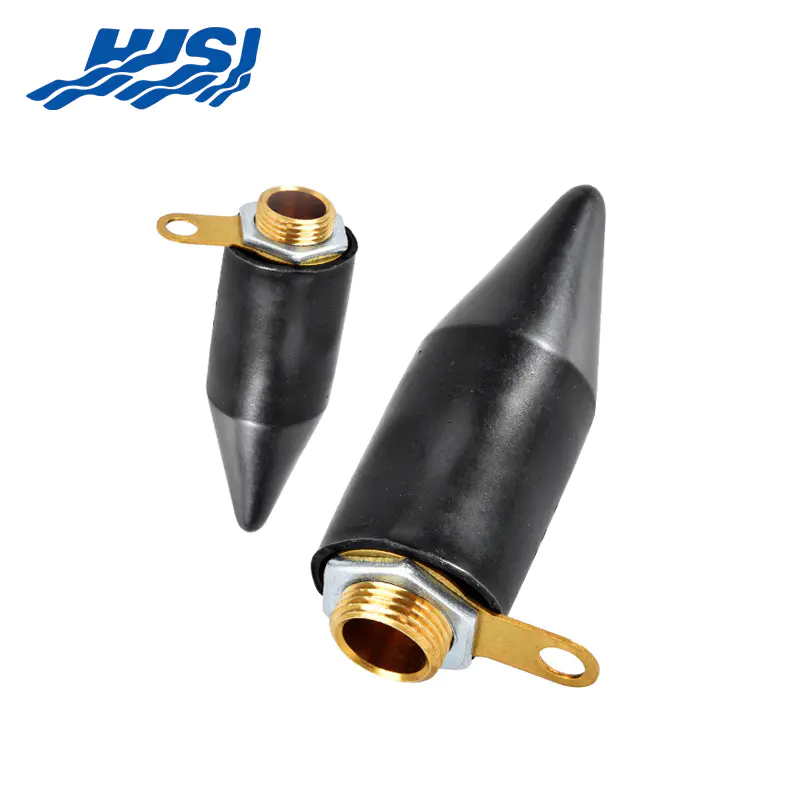
Before comparing materials, it helps to be clear on the function itself. This component seals a cable entry point into an enclosure, panel, or piece of equipment, keeping moisture, dust, and mechanical stress away from the internal wiring. It also provides strain relief, holding the cable firmly in place so movement or vibration doesn't pull on internal connections over time.
Because the gland sits at a physical boundary between the protected interior of a system and whatever environment surrounds it outside. A material that corrodes, cracks, or weakens under specific conditions puts everything behind that seal at risk, whether that's sensitive electronics, high-voltage wiring, or safety-critical control systems. Getting the material right isn't a minor detail, it's central to whether the entire seal holds up over the equipment's working life.
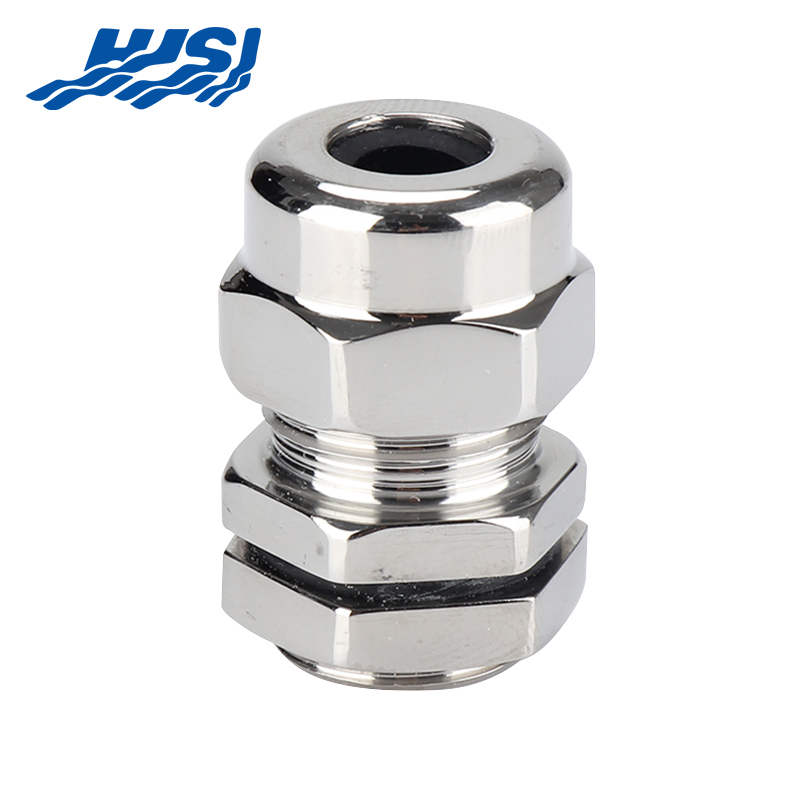
Brass has been a common choice in cable sealing hardware for a long time, and for good reason.
Brass doesn't hold up as well in environments with high salt exposure, constant moisture, or aggressive chemical contact. Coastal installations, marine equipment, and certain chemical processing facilities tend to push brass past its comfortable operating range, resulting in gradual corrosion that can compromise the seal over time.
Stainless steel takes a different approach, trading some cost efficiency for a notable jump in durability under harsh conditions.
The tradeoff is cost. Stainless steel components typically run more expensive than brass equivalents, and for projects with tight budgets or lower-risk environments, that added expense may not be necessary. Weight can also be a small factor in certain installations, though this rarely becomes a deciding issue on its own.
| Factor | Brass | Stainless Steel |
|---|---|---|
| Corrosion resistance | Moderate | Strong |
| Cost | Lower | Higher |
| Mechanical strength | Good | Very good |
| Suitability for marine or chemical exposure | Limited | Well suited |
| Suitability for hazardous areas | Situational | Frequently specified |
| Machinability | Easy | Requires more specialized processing |
| Typical indoor dry environment use | Well suited | Suitable, though often unnecessary |
Not really, and that's the point worth understanding clearly. Performance depends entirely on the environment a gland will actually operate in. A dry, climate-controlled facility rarely justifies the added cost of stainless steel, while a coastal processing plant or chemical facility genuinely needs the corrosion resistance that brass simply can't match over time. Treating this as a strict better-or-worse comparison misses the actual decision-making process engineers go through.
It helps to think about failure modes rather than general reputation alone. Brass tends to fail gradually through surface corrosion, which can often be spotted during routine inspection before it becomes a serious problem. Stainless steel, when properly specified for the application, tends to resist that gradual degradation far longer, though it isn't entirely immune to certain forms of pitting corrosion under prolonged exposure to chloride-rich environments. Neither material is invincible, and that reality is exactly why matching the choice to the specific operating conditions matters more than defaulting to whichever option sounds more durable on paper.
A practical way to approach this decision is by starting with the environment rather than the material itself.
Material choice is a major factor, but it isn't the only variable that determines whether a gland performs well over time.
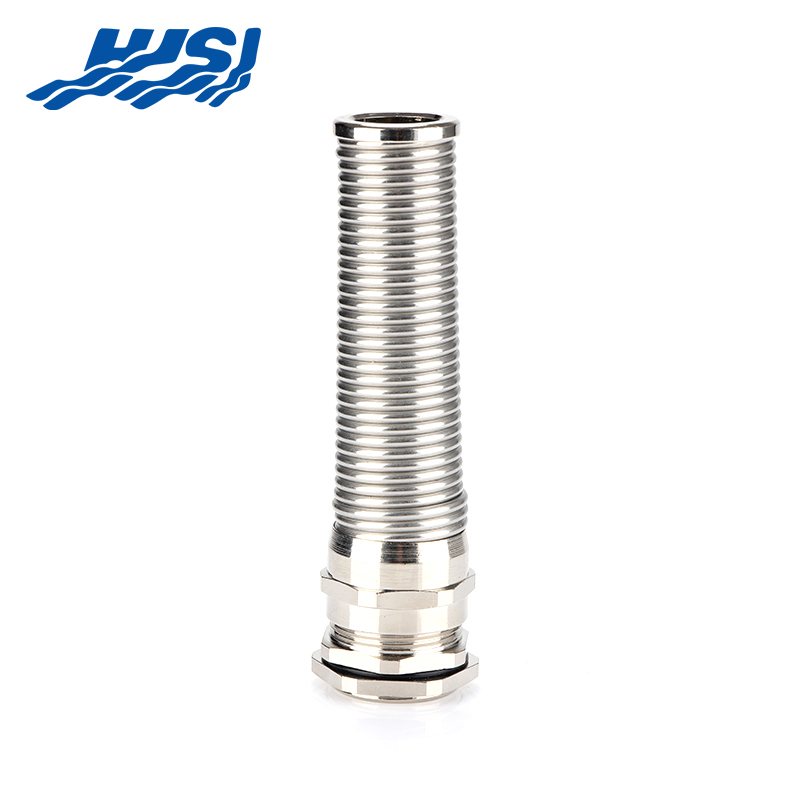
Beyond the raw material, features like anti-bending protection matter for cables subject to repeated flexing or movement, since a rigid seal without strain relief can eventually damage the cable itself at the entry point. Sealing ring quality, thread design, and overall build precision all interact with material choice to determine how well a gland actually performs under real conditions, rather than material alone carrying the entire burden of protection.
Projects involving hazardous areas or specific regulatory environments often require components that meet defined certification standards. Working with a manufacturer that understands these requirements, rather than treating certification as an afterthought, helps avoid costly delays during project approval or inspection stages. It also pays to confirm early whether documentation for a given batch will be readily available, since inspectors and regulatory bodies frequently ask for proof of compliance before signing off on an installation.
Material comparison only solves part of the equation. The manufacturer behind the product plays just as significant a role in whether a bulk order performs consistently across an entire installation.
It's generally a sensible step, particularly for projects involving unfamiliar suppliers or unusual environmental demands. Verifying fit, finish, and material quality firsthand avoids the risk of discovering a mismatch only after an entire shipment has arrived and needs to be installed across multiple sites.
Purchase price tells only part of the story when comparing these two materials, and procurement decisions built purely around the smallest upfront number sometimes end up costing more over the full life of an installation. Brass components that need replacing every few years in a corrosive environment can quietly outpace the total cost of a single stainless steel installation designed to last considerably longer without intervention.
Maintenance labor factors into this calculation too. Replacing a corroded gland often means shutting down equipment temporarily, sending a technician to the site, and dealing with whatever downtime that interruption creates. For facilities where equipment access is difficult or costly to schedule, that maintenance burden can outweigh the initial savings from choosing a cheaper material. Weighing these longer-term factors alongside the upfront quote gives a more complete picture of which material actually represents the more sensible investment for a specific project.
A few recurring missteps tend to show up during material selection, and being aware of them ahead of time saves both time and budget.
Avoiding these pitfalls generally comes down to slowing the selection process just enough to match the material against the real conditions a project will face, rather than defaulting to habit or price alone.
Choosing between brass and stainless steel ultimately comes down to matching material properties with the actual environment a cable seal will face, corrosion exposure, temperature variation, chemical contact, and hazardous area requirements all shape which option makes more practical sense for a given project. Brass remains a solid, cost-effective choice for controlled indoor environments, while stainless steel earns its higher price tag in demanding outdoor, marine, or chemically aggressive settings where long-term durability genuinely justifies the added investment. Beyond material selection alone, working with a manufacturer that understands certification requirements, offers customization where needed, and maintains consistent production quality makes a measurable difference once an order moves from specification sheets into actual installed hardware. For engineering teams and procurement professionals ready to move forward with sourcing decisions, reaching out to a manufacturer with proven experience across both material types is a practical next step, and the team at Zhejiang HJSI Connector Co., Ltd. is available to discuss specifications, certifications, and bulk supply options suited to your project's environmental demands. Taking the time to align material choice, mechanical design, and supplier reliability before finalizing an order tends to pay off well beyond the initial installation, saving both budget and unnecessary maintenance headaches once equipment is operating in the field.

2nd Floor, Building 2, No. 188, Punan 3rd Road, Economic Development Zone, Yueqing City, Wenzhou City, Zhejiang Province, China

Copyright @ Zhejiang HJSI Connector Co., Ltd. All rights reserved.

China Waterproof Breathable Valve Manufacturer
 +86-15858552966
+86-13356176555
+86-15858552966
+86-13356176555
 English
 русский
 عربى
عربى