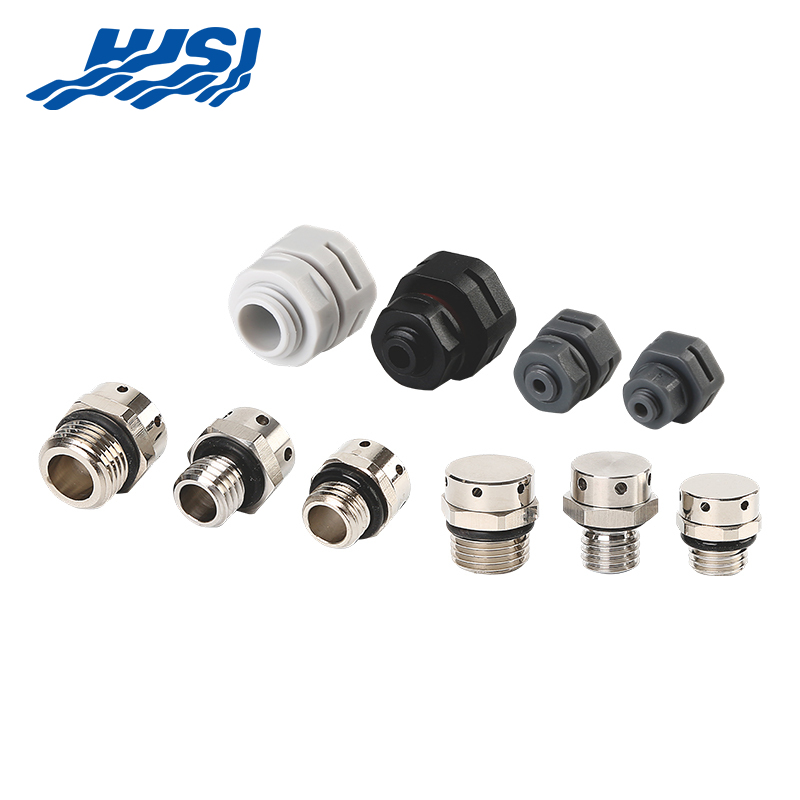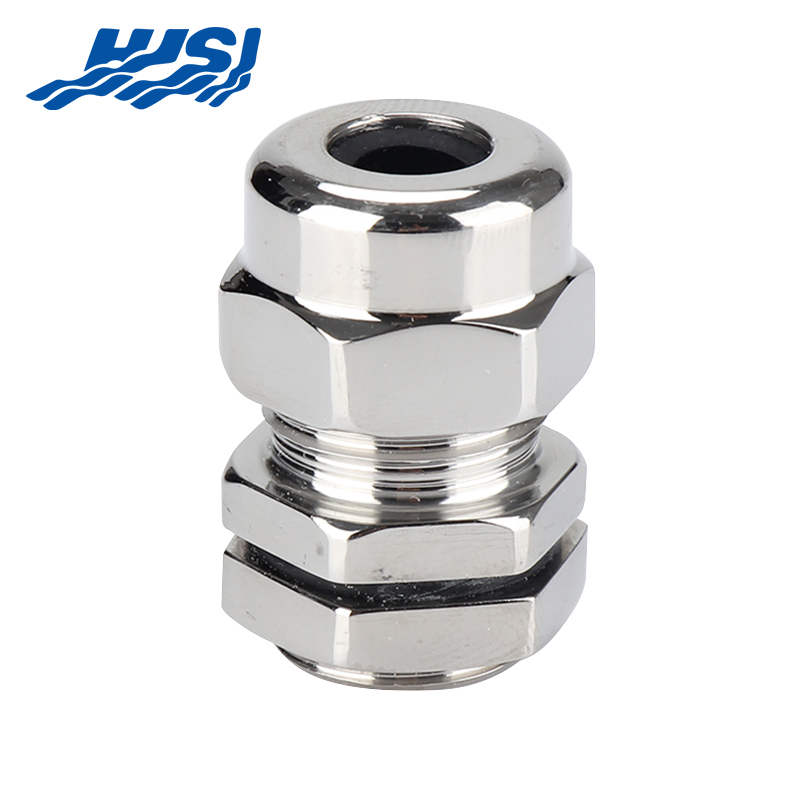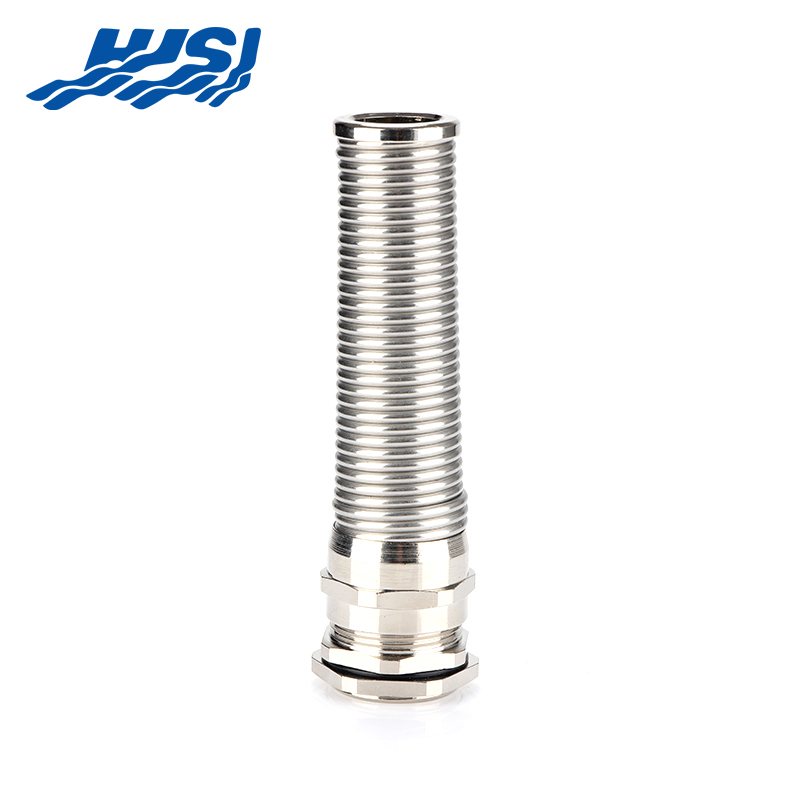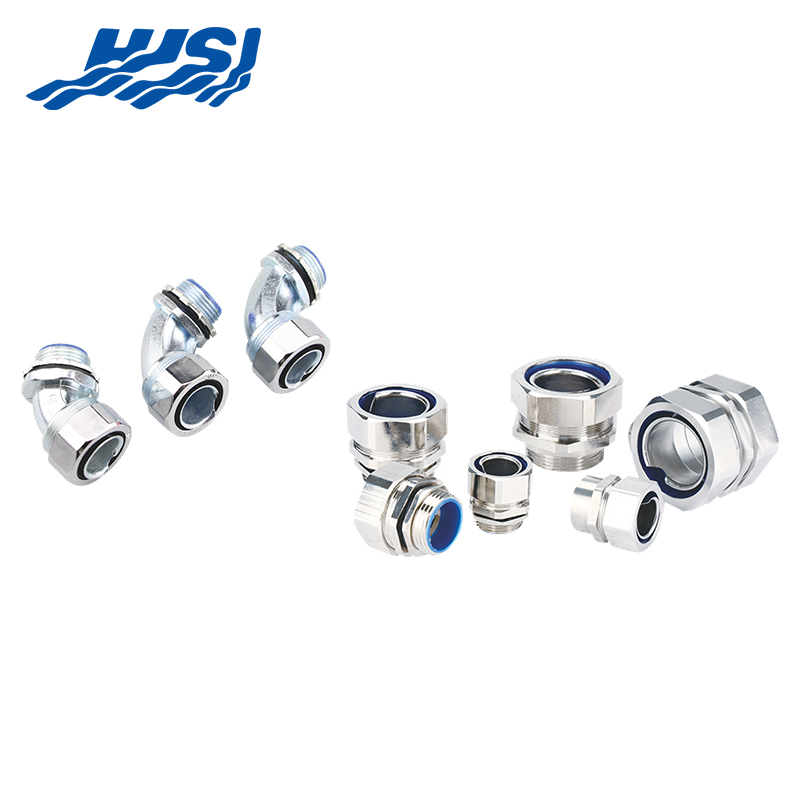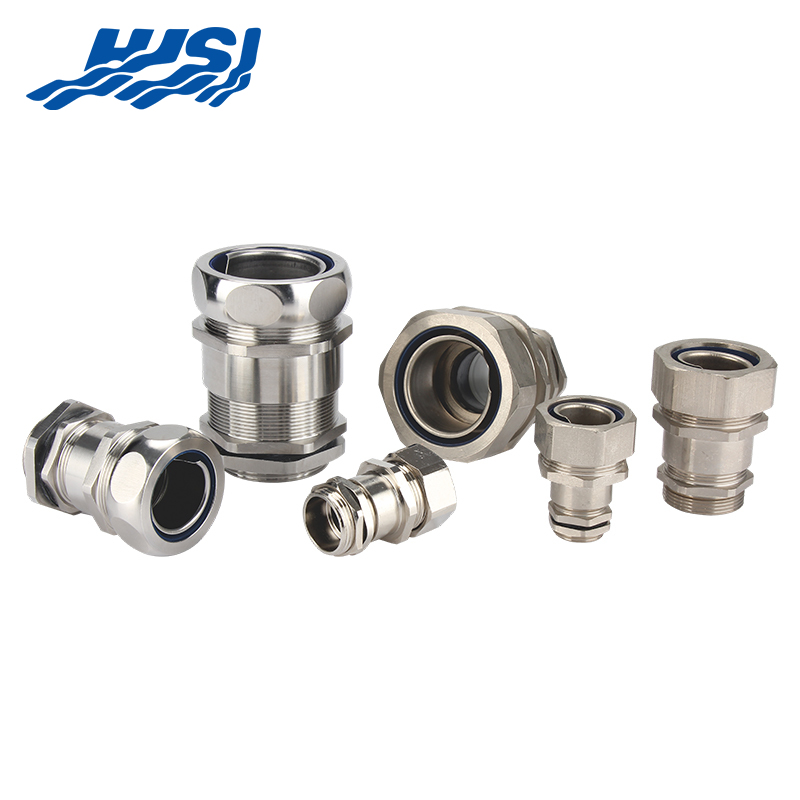
In industrial environments, electrical connections often have to hold up under pretty demanding conditions. Areas with flammable materials, dust, gases, or other sensitive substances need careful equipment selection, since even a small connection issue can turn into a real operational concern. Cable Glands for Hazardous Areas exist to support safer cable installation by protecting the connection point between cables and electrical equipment. Their job goes beyond just holding a cable in place — they help create a more controlled connection environment, cut down exposure to outside conditions, and support reliable operation in places where protection actually matters.
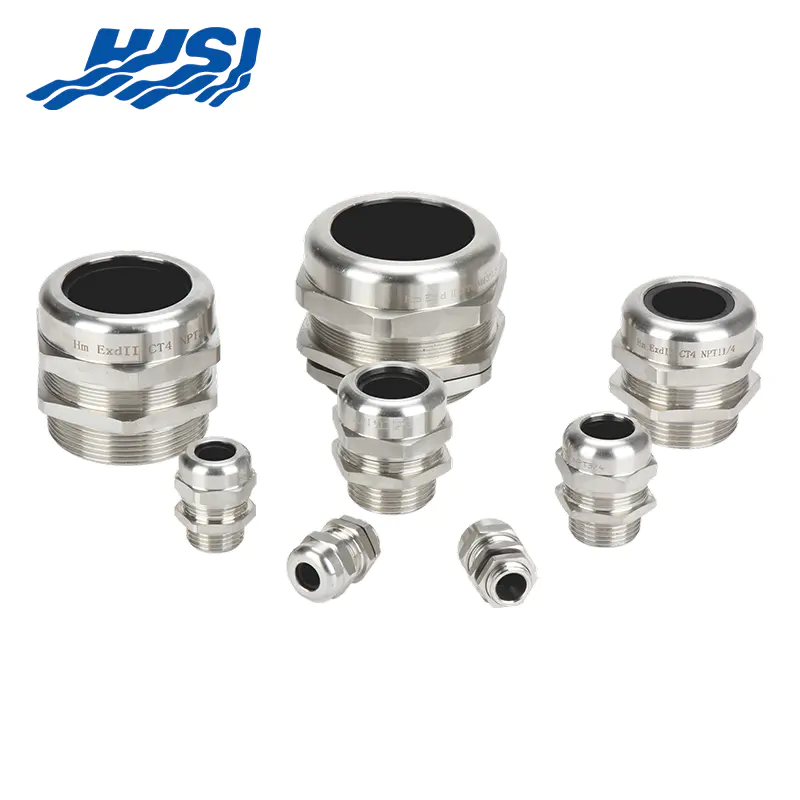
Electrical systems rely on a lot of connected parts working together. A cable might carry power or signal just fine, but the point where it enters the equipment can become a weak spot if it isn't properly protected.
In industrial settings, cables often deal with:
Without the right protection, these conditions can start to affect the connection between the cable and the equipment.
A cable gland acts as that transition point — it connects the cable to the equipment enclosure while helping maintain the protection level the system is supposed to have. It's a small component and often gets less attention than the bigger equipment around it, but its position in the setup makes it a genuinely important part of electrical installation planning.
The main job of a cable gland is straightforward — create a secure connection between a cable and an enclosure. Every opening where a cable enters equipment is a potential pathway for outside influences, and a properly chosen gland helps close off that risk by sealing the entry point and keeping the cable positioned correctly.
| Function | Purpose |
|---|---|
| Cable securing | Helps prevent unwanted movement |
| Entry protection | Supports the sealed connection point |
| Environmental protection | Reduces exposure to outside conditions |
| Connection support | Keeps the installation organized |
A stable cable entry tends to help equipment run more consistently, especially in environments where outside conditions keep shifting.
Not every industrial location deals with the same conditions. A standard indoor workspace usually has a fairly controlled environment. Hazardous areas tend to bring more complicated requirements, simply because the surroundings themselves can affect how equipment performs.
These locations often show up in facilities involved in:
Equipment used in these settings needs to match the environment it's working in. A cable gland built for a demanding setting is focused on maintaining protection right at the cable entry point — which helps reduce potential weak spots across the broader electrical installation.
Installation quality plays a big role in how well an electrical system performs. Even a well-made cable won't do its job properly if the entry connection is handled poorly.
Cable glands give installers a structured way to connect cables to equipment, which helps address some fairly common installation issues:
A properly installed gland keeps the cable positioned correctly while supporting the equipment around it — which matters a lot in industrial settings where cables deal with regular movement from operation, maintenance work, or vibration.
Sealing is really one of the main reasons these components exist in the first place. An electrical enclosure needs to keep its protective function intact even after cables are connected, and the entry point shouldn't turn into an easy path for dust, moisture, or anything else from outside.
A suitable cable gland helps maintain that barrier between the inside of the equipment and whatever's happening outside it — which matters in situations like:
That sealing function doesn't work in isolation, though. It depends on picking the right product, installing it correctly, and keeping up with maintenance over time.
Cable organization is another piece of industrial safety that's easy to overlook. Poorly arranged cables can make inspection, maintenance, and troubleshooting a lot harder than they need to be.
Cable glands help keep things tidier by keeping cables properly positioned right where they enter the equipment, which brings a few practical benefits:
| Benefit | Impact |
|---|---|
| Organized cable routes | Makes inspection easier |
| Stable cable placement | Reduces unnecessary movement |
| Clear installation layout | Helps maintenance work go smoother |
| Protected entry points | Supports equipment reliability |
A well-organized electrical system is just easier for technicians to work with — small improvements in installation design tend to make daily operations noticeably more manageable.
Picking the right component starts with understanding the actual application. Different environments bring different challenges, so selection really needs to start with the real working conditions, not a generic spec sheet. Worth thinking through:
The surrounding system should always be considered as a whole — a cable gland is one piece of a bigger electrical setup, and how well it performs depends on how well it works with the cable, the enclosure, and the operating environment around it. Talking with experienced suppliers or installation professionals often helps narrow down the right solution for a specific application.
Even durable components need attention over time. Industrial environments change — equipment gets moved, cleaned, modified, or exposed to different conditions than it started with. Regular checks help catch issues before they turn into bigger problems.
Maintenance activities typically include:
Simple, routine inspections go a long way toward keeping an installation in good shape. Maintenance teams often catch small changes during regular work — a loose connection or a damaged part tends to be a lot easier to spot when inspections happen on a consistent schedule rather than only when something goes wrong.
Electrical safety comes from a lot of individual decisions stacking up over time. Large equipment gets attention because of its size and cost, but smaller components shape how a system actually performs just as much.
Cable Glands for Hazardous Areas help create safer cable entry points by supporting protection, organization, and stable connections in demanding industrial settings. Their role might look simple on the surface, but they contribute to the overall condition of an electrical installation by managing risk right at the cable connection. Chosen correctly and maintained properly, they end up being a reliable part of industrial systems where safe operation and equipment protection genuinely matter.

2nd Floor, Building 2, No. 188, Punan 3rd Road, Economic Development Zone, Yueqing City, Wenzhou City, Zhejiang Province, China

Copyright @ Zhejiang HJSI Connector Co., Ltd. All rights reserved.

China Waterproof Breathable Valve Manufacturer
 +86-15858552966
+86-13356176555
+86-15858552966
+86-13356176555
 English
 русский
 عربى
عربى