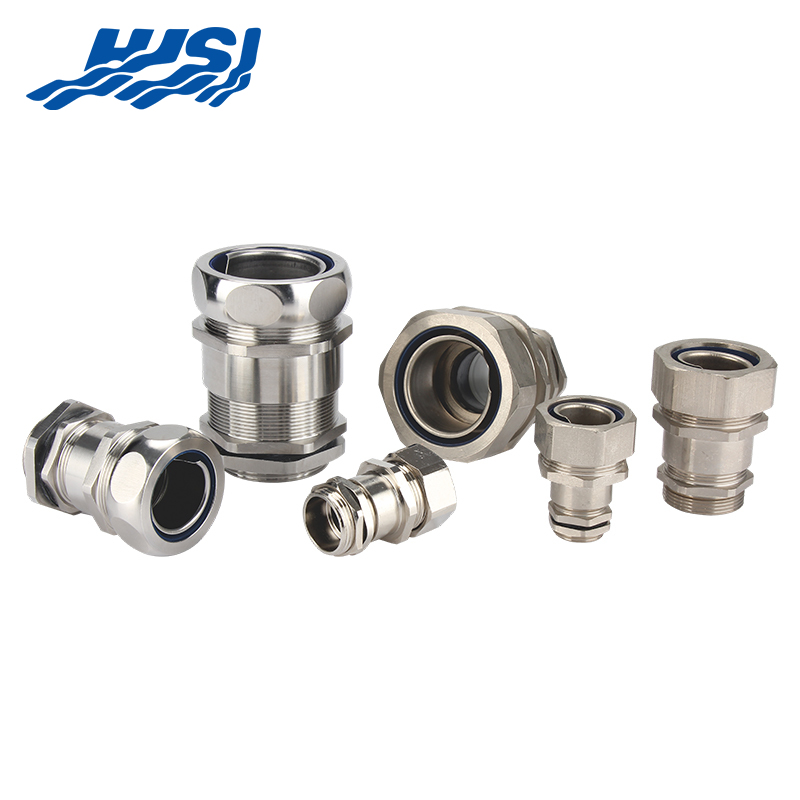
Outdoor electrical enclosures deal with conditions that look nothing like what's happening inside a building. A distribution box might sit in direct sun all afternoon and cool off fast once the sun drops, while a junction box goes through repeated swings in temperature and humidity depending on the season or even the time of day. Rain, dust, wind, and general moisture can hang around the enclosure for long stretches too.The enclosure's job is to protect whatever's inside while still being something an installer can actually work with and a technician can maintain later. A Breathable Valve fits into that picture as part of managing what's happening inside the housing itself. Instead of treating an enclosure like a sealed box and leaving it at that, designers can think about how pressure and moisture inside the housing shift as outdoor conditions change around it. That's a more balanced way to approach enclosure protection than assuming a closed box handles everything on its own. The valve isn't there to replace solid enclosure construction or good installation habits. Its job is managing the internal environment while the housing itself keeps doing the heavy lifting of protecting the electrical equipment inside.
An enclosure looks static sitting on a wall, but what's happening inside it keeps shifting through ordinary daily operation.
Temperature swings make the air inside the housing expand or contract. When that happens over and over, a pressure difference builds up between the inside of the enclosure and the atmosphere outside it.
Moisture becomes a concern too, especially when warm air runs into cooler surfaces inside the box.
| Outdoor Condition | Possible Internal Effect |
|---|---|
| Strong sunlight | Internal temperature may rise |
| Cooler evening air | Internal air may contract |
| Humid surroundings | Moisture can enter through vulnerable points |
| Rainy conditions | External moisture exposure increases |
| Daily temperature changes | Pressure conditions may fluctuate |
None of this is obvious on a quick visual inspection. The enclosure stays closed the whole time while the air trapped inside keeps reacting to whatever's going on outside it.
If moisture builds up gradually, the components inside end up working in a steadily worse environment without anyone noticing until something goes wrong. That's why enclosure design has to go beyond just picking a tough outer shell — what's happening in the air inside deserves real attention too.
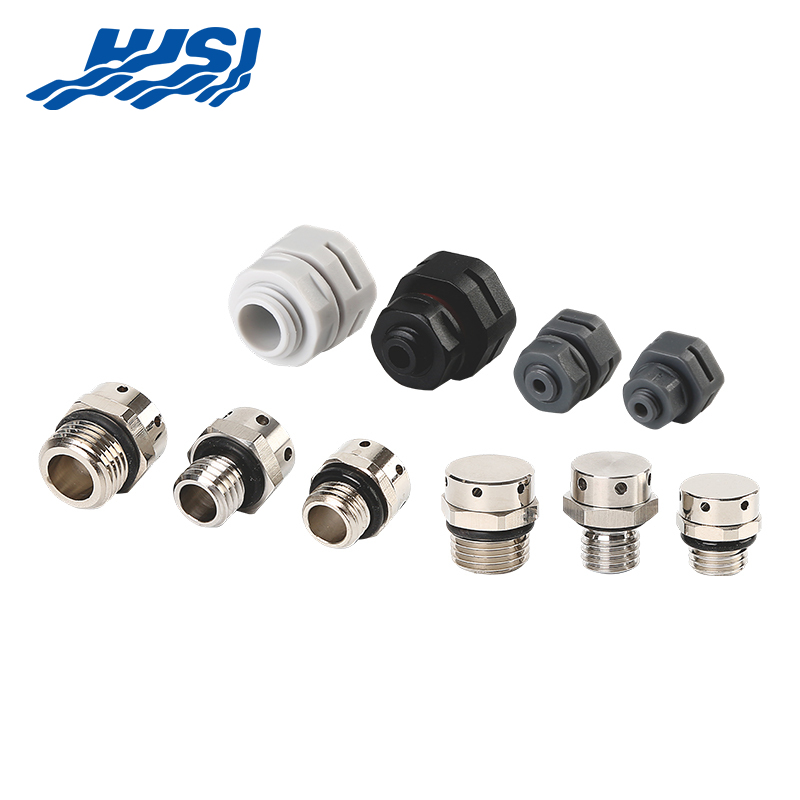
A Breathable Valve gives air a controlled path to move through while limiting how much unwanted moisture and contamination gets in along with it.
Its job ties directly to the pressure balance between the inside of the enclosure and the environment around it. When conditions on either side shift, the valve lets air exchange happen in a more controlled way instead of forcing pressure to build up unchecked.
That cuts down on the pressure stress that would otherwise develop inside a sealed housing over time. How exactly it behaves depends on the valve's design and the enclosure it's installed in.
| Valve Function | Enclosure Benefit |
|---|---|
| Supports air exchange | Helps manage internal pressure |
| Limits unwanted moisture entry | Supports a drier internal environment |
| Provides a defined ventilation path | Reduces reliance on accidental openings |
| Works as part of enclosure design | Supports overall environmental management |
It's worth being clear that this valve isn't just an open hole cut into the housing. A plain opening would let dust, water, and other contaminants through without any resistance at all. A purpose-built breathable component tries to strike a balance between letting air move and keeping the environment protected.
That distinction matters a lot once electrical equipment needs to stay protected through actual outdoor weather rather than a lab test.
Outdoor distribution boxes go through repeated swings in surrounding temperature, day after day.
The air inside reacts to those swings even while the box stays sealed. A box that's warmed up through the afternoon sits at a different internal pressure than the same box after it's cooled down at night.
Repeated pressure changes like this put stress on seals, joints, covers, and other interfaces around the enclosure over time.
A well-chosen air-management component helps close the gap between what's happening inside and outside the box. That doesn't erase temperature variation altogether — it just gives the enclosure a controlled way to respond instead of letting pressure build unchecked.
For designers, the real question is how the valve fits into the whole distribution box structure. Where the component sits, what sealing surrounds it, where cables enter, and how the enclosure itself is built all shape the final outcome. A valve works as part of a system, not as some accessory bolted on afterward.
Junction boxes usually sit where several cables come together or where connections need protection from whatever's happening outside.
Being compact doesn't stop internal humidity from becoming an issue. Moisture can trace back to outdoor weather, cable entry points, temperature swings, or a mismatch between what's happening inside the box versus outside it.
Condensation is another thing to watch for. When internal surfaces cool down, moisture already in the air can settle onto them.
| Moisture Source | Potential Concern |
|---|---|
| Humid outdoor air | Increased internal humidity |
| Temperature changes | Possible condensation |
| Cable entry points | Possible moisture pathway |
| Damaged seals | Reduced enclosure protection |
| Poor installation | Greater environmental exposure |
A Breathable Valve helps manage internal air, but it can't fix every source of moisture on its own. Cable entry design still matters a lot. Seals need to go in correctly, and covers need to sit exactly as designed.
Moisture management usually works better when several design pieces are pulling in the same direction rather than counting on one component to handle everything.
Cable entry points matter a lot in outdoor electrical enclosures, arguably as much as the housing itself.
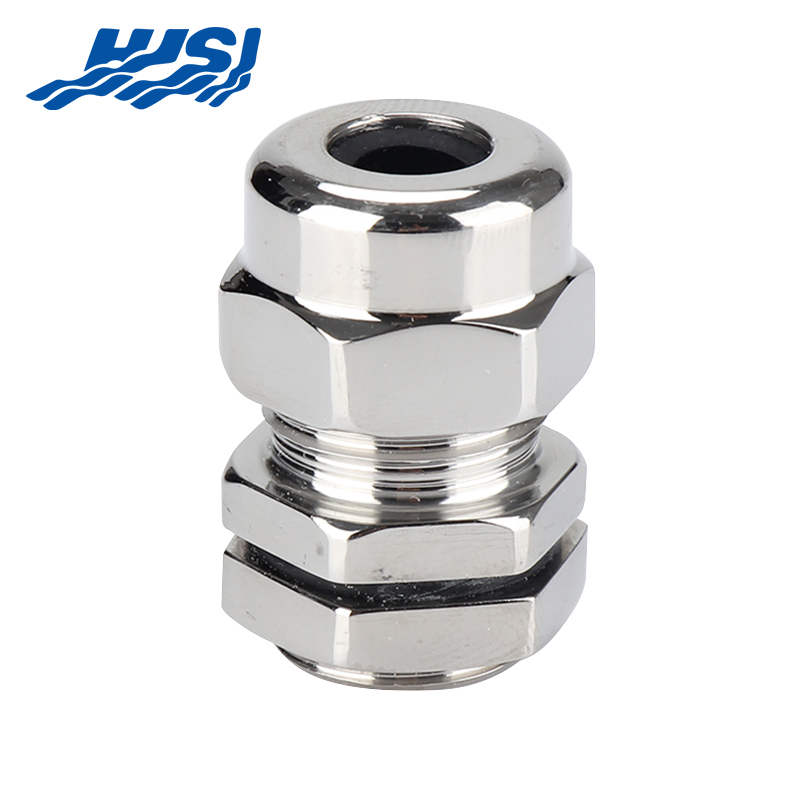
A cable gland secures a cable right where it passes through the enclosure wall, supporting the protective job the housing is doing. Different jobs call for different cable entry setups.
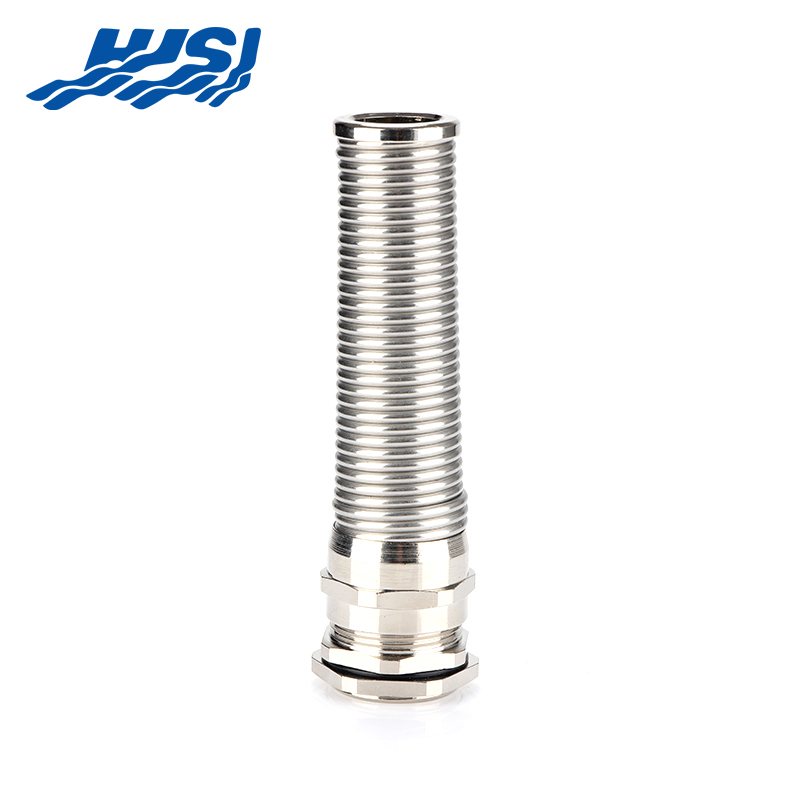
An Anti-bending Cable Gland comes in handy when cable movement or bending near the enclosure needs some extra attention — say, in a spot where cables get jostled or flex repeatedly.
Its job is different from a Breathable Valve's, but the two can sit in the same enclosure without stepping on each other.
| Component | Main Role |
|---|---|
| Anti-bending Cable Gland | Supports cable entry and bending control |
| Cable gland | Helps secure and seal cable entry |
| Breathable Valve | Supports internal air and pressure management |
| Enclosure cover | Protects the internal components |
Cable entry points aren't a minor afterthought. An enclosure can have a carefully built housing and still get undermined by poorly managed cable openings. The gland needs to match the cable, the enclosure, the installation method, and the environment it's going into.
The Breathable Valve handles a separate job — controlled air exchange at one specific spot. Put together thoughtfully, these components add up to a more considered enclosure design overall.
Not every electrical installation involves cables and enclosure openings that match up perfectly.
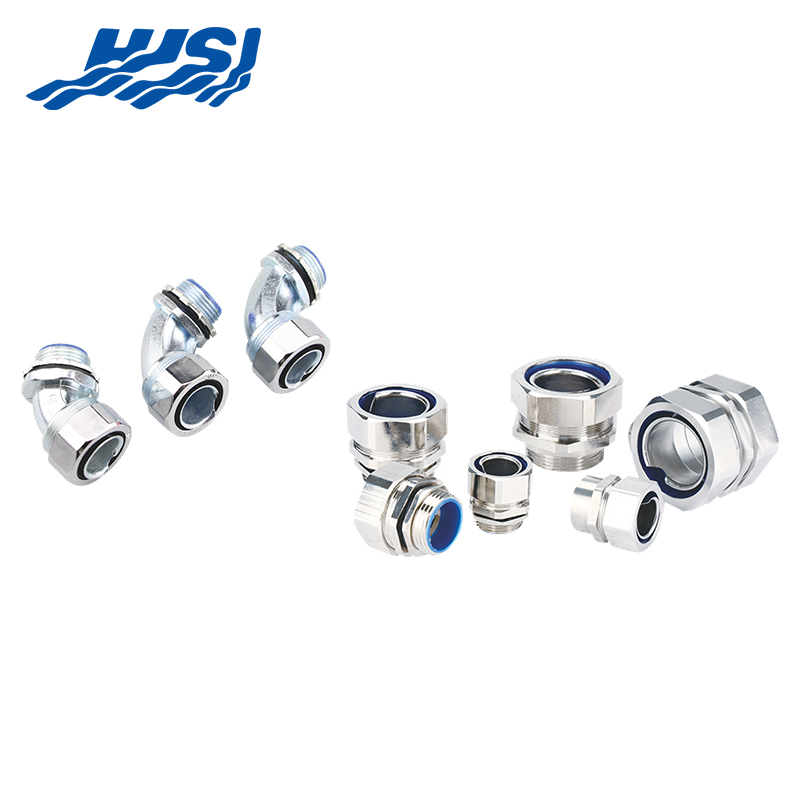
Different projects often need connections between parts with different dimensions or connection formats. A Cable Gland Reducer and Adaptor helps bridge those gaps when the product picked actually suits the job at hand.
That opens up more flexibility when planning cable entry layouts, especially on a retrofit or a project pulling parts from different suppliers.
| Installation Challenge | Possible Consideration |
|---|---|
| Different cable entry sizes | Suitable reducer |
| Different connection formats | Suitable adaptor |
| Limited enclosure space | Appropriate entry planning |
| Cable routing changes | Compatible gland arrangement |
| Replacement work | Matching existing openings |
A reducer or adaptor doesn't remove the need for proper sealing — compatibility still matters just as much. Whatever gets chosen needs to work together without leaving gaps or putting extra stress on the cables involved.
That's especially true for outdoor boxes, where the cable entry sits out in the same weather as the rest of the enclosure. A well-planned entry setup backs up the broader environmental protection strategy rather than working against it.
Control boxes often hold components that need a fairly stable environment to keep working normally.
The box might sit near machinery, outdoor equipment, lighting systems, communication gear, or other electrical infrastructure, and the conditions around it shift over the course of a day just like anywhere else.
A Breathable Valve offers one way to manage the relationship between what's inside the box and what's happening outside it. The goal isn't making the two environments identical — it's cutting down on uncontrolled pressure swings and reducing the chances of moisture-related problems creeping in.
| Control Box Design Area | Environmental Consideration |
|---|---|
| Housing | Provides physical protection |
| Cable entries | Controls external access points |
| Sealing | Helps limit unwanted entry |
| Breathable Valve | Supports pressure and air management |
| Internal layout | Allows practical inspection and maintenance |
How components are arranged inside matters too. Anything producing heat affects the air around it inside the box, and a crowded layout makes inspection harder while changing how heat and moisture move around individual parts.
A well-planned enclosure works these things out at the design stage rather than trying to patch problems after it's already installed and running.
Picking the right component depends on the enclosure and the environment it's actually going to live in.
Designers need to think about where the enclosure will be installed, how it's built, how cables get in, and what kind of environmental exposure is realistic to expect.
The valve also needs to work with the enclosure's material and installation method, not fight against it.
A few practical questions help guide the decision:
An outdoor box exposed to shifting weather has different needs than one tucked into a sheltered spot.
The valve should work with the overall sealing setup, not undercut it.
How cable glands relate to the breathable component affects how the whole installation gets planned out.
Sensitive electrical parts often need closer attention to moisture and the internal environment overall.
The valve and everything around it should stay accessible enough for someone to actually inspect it when the time comes.
These questions push selection away from thinking about one component in isolation. A Breathable Valve does its job well when it's built into a complete enclosure strategy rather than tacked on as an afterthought.
Manufacturers have been paying closer attention to how enclosure structure relates to the environment it sits in.
Outdoor electrical boxes need to support practical installation while still protecting whatever's inside from constantly shifting surroundings. That's pushed more thought into cable entry systems, sealing arrangements, pressure management, and how accessible components stay for maintenance.
| Design Focus | Practical Objective |
|---|---|
| Enclosure structure | Provide a suitable protective housing |
| Cable entry | Manage connection points |
| Pressure management | Support internal air balance |
| Moisture control | Reduce environmental exposure |
| Maintenance access | Make inspection practical |
| Component compatibility | Help different parts work together |
Product development also has to account for different installation scenarios. A distribution box mounted outside faces different conditions than a control box tucked under protective equipment. A junction box sitting near machinery deals with a different set of challenges again.
The underlying idea stays the same across all of them, though. Every opening, seal, cable entry, and environmental component adds up to how the enclosure performs as a whole assembly, not as a collection of separate parts.
This kind of thinking also opens the door for manufacturers to build compatible product families instead of treating every enclosure accessory as its own isolated item.
The Breathable Valve, Anti-bending Cable Gland, and Cable Gland Reducer and Adaptor each handle a different piece of outdoor enclosure management. Chosen with the enclosure structure and installation environment in mind, they work together to support a more controlled internal space for the electrical equipment sitting inside.

2nd Floor, Building 2, No. 188, Punan 3rd Road, Economic Development Zone, Yueqing City, Wenzhou City, Zhejiang Province, China

Copyright @ Zhejiang HJSI Connector Co., Ltd. All rights reserved.

China Waterproof Breathable Valve Manufacturer
 +86-15858552966
+86-13356176555
+86-15858552966
+86-13356176555
 English
 русский
 عربى
عربى