A field technician opening an outdoor control cabinet after a cold snap and finding condensation dripping down the inside wall, right onto components that were supposed to stay dry, understands exactly why enclosure design involves more than just sealing every gap shut. Equipment enclosures often need to perform two jobs at the same time, pulling in opposite directions. They need to keep unwanted moisture, dust, and outside contaminants away from internal components. They also need to respond to changes in the surrounding environment as conditions shift throughout the day.
This creates a genuinely practical challenge for anyone designing or maintaining that equipment.
A completely sealed enclosure may protect internal parts from outside conditions on paper, but pressure can change as the enclosure heats, cools, or moves between different environments over the course of a season. A controlled path for air movement can help reduce this pressure difference before it causes trouble elsewhere.
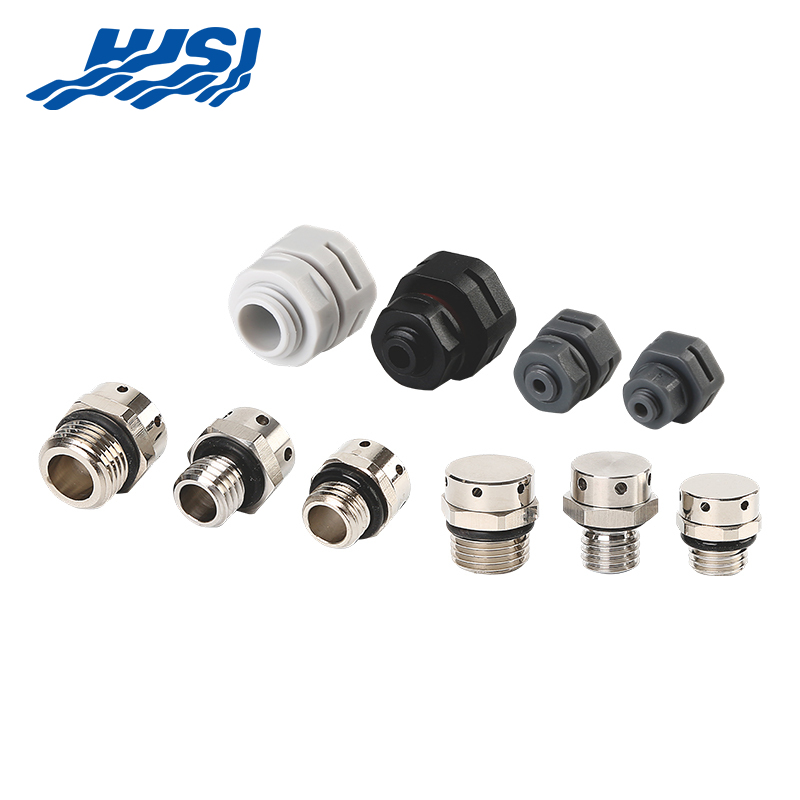
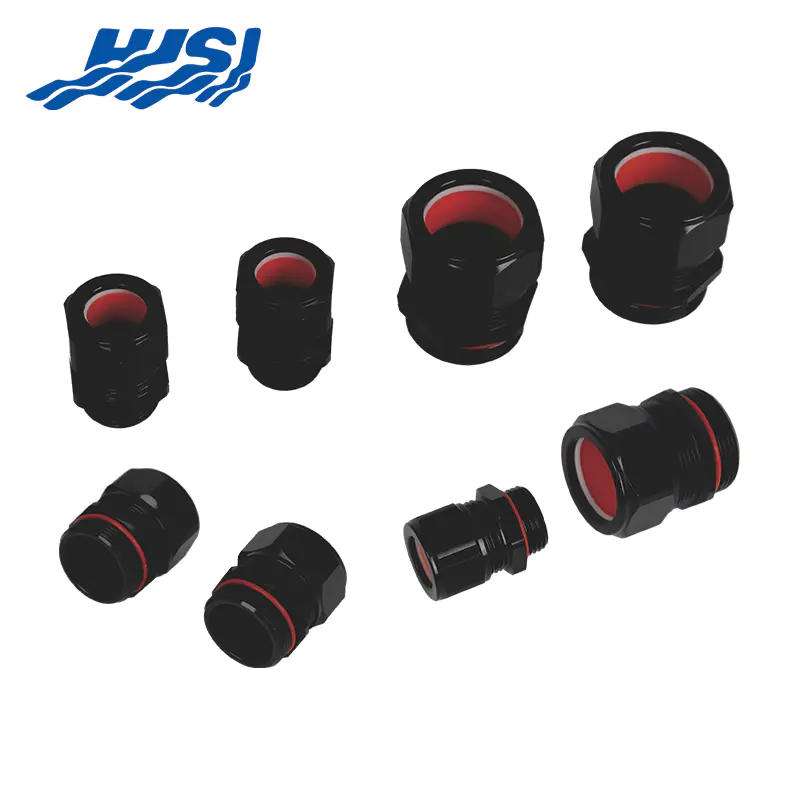
This is where a Breathable Valve can become part of the enclosure design from the start. It allows controlled air exchange while helping limit the entry of unwanted substances at the same time. The result is a genuine balance between ventilation and protection, rather than a simple choice forced between the two.
An enclosure may appear completely still from the outside, sitting quietly on a pole or wall, but the air inside can change considerably as operating conditions shift.
When internal air warms during operation, it can expand against the enclosure walls. When the equipment cools down afterward, the air can contract back. Changes in weather, operating cycles, or installation environments can create genuinely similar pressure changes throughout a typical week.
A sealed enclosure has genuinely limited ways to respond to any of this on its own.
Pressure differences may place additional stress on seals, covers, and connection points that weren't built to flex much. Over time, repeated changes can affect how well the enclosure maintains its intended protective function, wearing down seals that once fit tightly.
Controlled air exchange provides another approach entirely, rather than fighting against physics.
Instead of allowing air movement through an uncontrolled opening or a failing seal, the enclosure can use a dedicated component designed to support air movement while limiting exposure to the surrounding environment.
| Environmental Change | Possible Enclosure Effect |
|---|---|
| Internal heating | Air expansion |
| Internal cooling | Air contraction |
| Weather changes | Pressure variation |
| Outdoor exposure | Moisture and contamination risk |
| Equipment cycling | Repeated pressure changes |
The purpose isn't creating constant ventilation running around the clock.
It's giving pressure changes a controlled path to follow, while maintaining the protective role the enclosure was built to serve in the first place.
Pressure differences may seem genuinely minor during a single operating cycle, easy to dismiss. But equipment can experience repeated changes throughout normal use, day after day, season after season.
An enclosure may heat during operation and cool once the equipment stops for the night. Outdoor equipment can also experience changes caused by surrounding weather conditions rolling through unpredictably.
If the enclosure has no suitable way to balance these changes, the pressure inside and outside can become genuinely different over time.
That difference can influence seals and joints in ways that compound with each cycle.
A controlled ventilation component can help reduce this pressure imbalance before it becomes a real issue. Air can move through the designed path instead of forcing its way through less suitable areas like a worn gasket.
This matters because an enclosure's protection depends on a lot more than just its outer shell alone.
The connections between the enclosure, cables, covers, and fittings also contribute to the overall result in meaningful ways. A weak point in one area can affect the protection of the entire assembly, no matter how solid everything else looks.
Pressure management should therefore get considered together with the enclosure structure, not treated as a separate concern.
Moisture is a genuinely common concern for outdoor and exposed equipment sitting through changing seasons.
Water can come from rain, condensation, humid air, or changes between warm and cool conditions throughout a single day. Even when an enclosure prevents direct water entry successfully, moisture may still become a concern inside the enclosure once temperatures shift.
Condensation can form when internal surfaces become cooler than the surrounding air, a common problem overnight.
A ventilation path can help manage the internal environment by allowing air exchange in a controlled way. This doesn't mean the enclosure becomes openly exposed to outside air the way an open window would be. The purpose is controlled exchange that supports pressure balance while limiting unwanted environmental entry at the same time.
A well-planned enclosure may therefore consider both water protection and moisture behavior together.
These two concerns are related but genuinely not identical in practice.
A housing can be designed to resist direct water exposure effectively while still needing a way to deal with internal pressure and moisture conditions building up inside.
Outdoor equipment faces a genuinely wider range of environmental conditions than equipment installed in a controlled indoor space like a server room.
Rain, humidity, temperature changes, dust, and wind can all affect the enclosure over the course of its service life.
Examples include:
In these applications, protection can't simply mean sealing every opening shut and hoping for the best.
Cables must enter the enclosure somehow. Covers need to get installed and removed periodically. Components may generate heat during operation that has to go somewhere. Pressure may change constantly as the equipment cycles through its day.
A Breathable Valve can be incorporated into the enclosure to support controlled air movement, without turning the housing into an open ventilation system that lets everything through.
Its location can also influence performance considerably.
The component should get positioned according to the enclosure structure, environmental exposure, and expected drainage conditions on site. Placement shouldn't create an easy path for water to collect or enter through a low spot.
Outdoor installation therefore requires attention to the entire enclosure, rather than the valve alone sitting in isolation.
Cable entry points are another genuinely important part of enclosure design, easy to underestimate.
Every cable opening creates a potential path between the internal and external environments, whether anyone thinks about it that way or not. If the connection is poorly matched to the cable or enclosure, protection can be reduced right at that entry point.
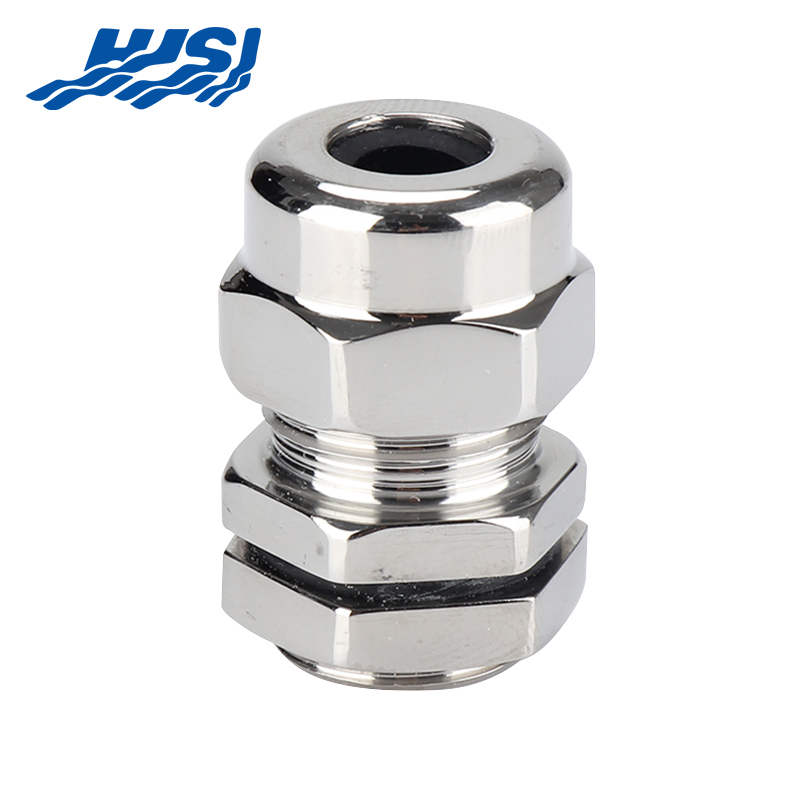
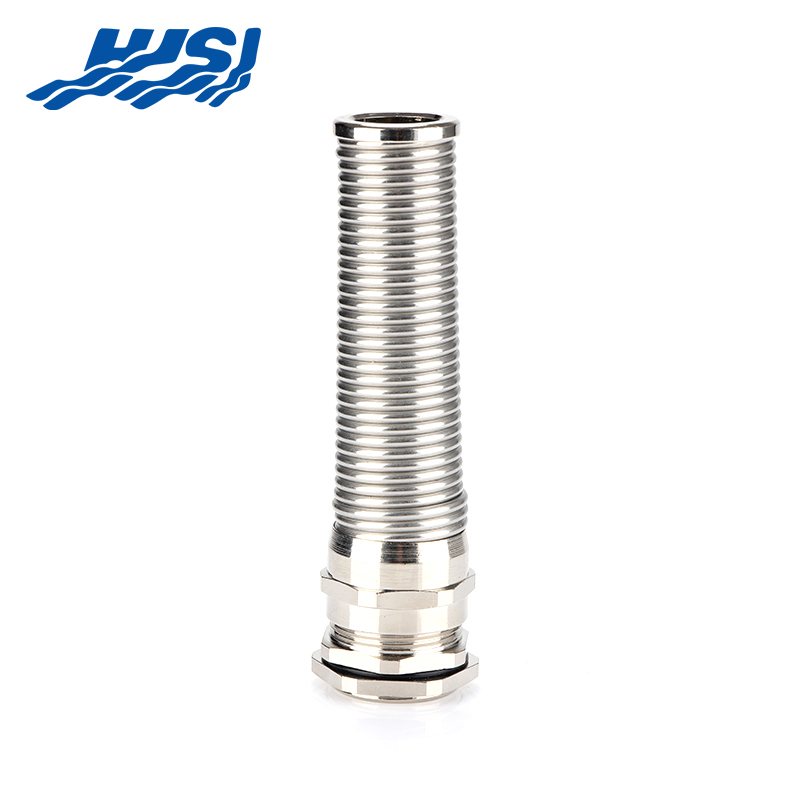
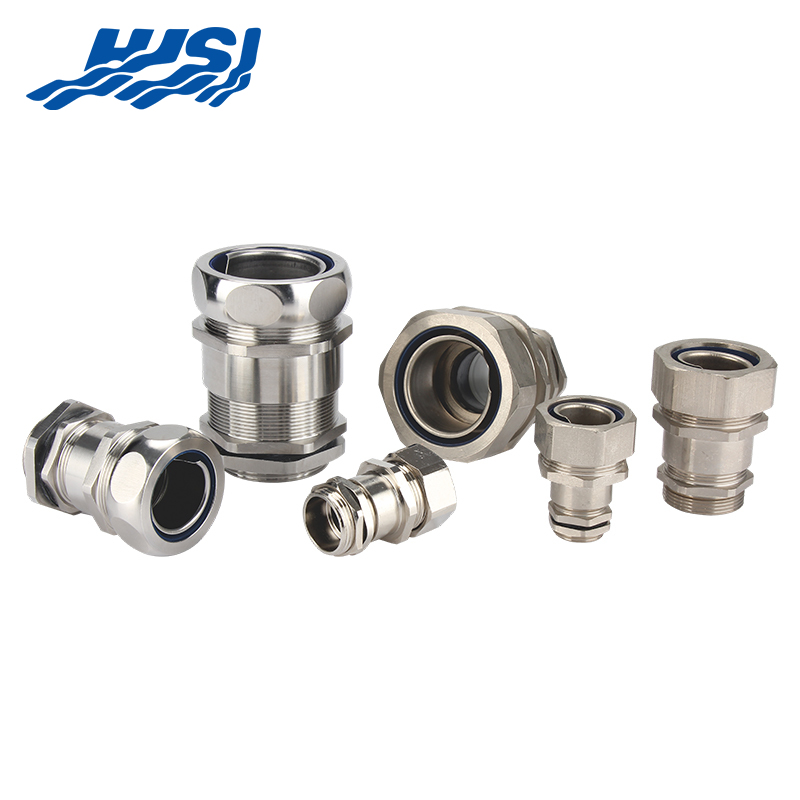
An Anti-bending Cable Gland can help manage cable movement while supporting a genuinely more organized connection between the cable and enclosure.
Cable movement may occur because of vibration, installation conditions, or routine equipment operation shaking things loose over time. Supporting the cable near the entry point can reduce unnecessary stress on the connection before it becomes a failure point.
The cable entry system should work together with the enclosure's ventilation strategy, not sit apart from it.
The goal isn't treating cable glands and ventilation components as unrelated parts bolted on separately. Both influence how the enclosure interacts with its surroundings in practice.
A suitable arrangement considers several things together.
| Design Area | Practical Concern |
|---|---|
| Cable entry | Protection around cables |
| Cable movement | Stress on connections |
| Ventilation point | Controlled air exchange |
| Sealing surfaces | Environmental protection |
| Enclosure layout | Component placement |
When these elements get planned together, the enclosure can provide a genuinely more consistent protective structure overall.
Equipment designs don't always use the same connection size or cable arrangement, which creates a genuine mismatch problem in the field.
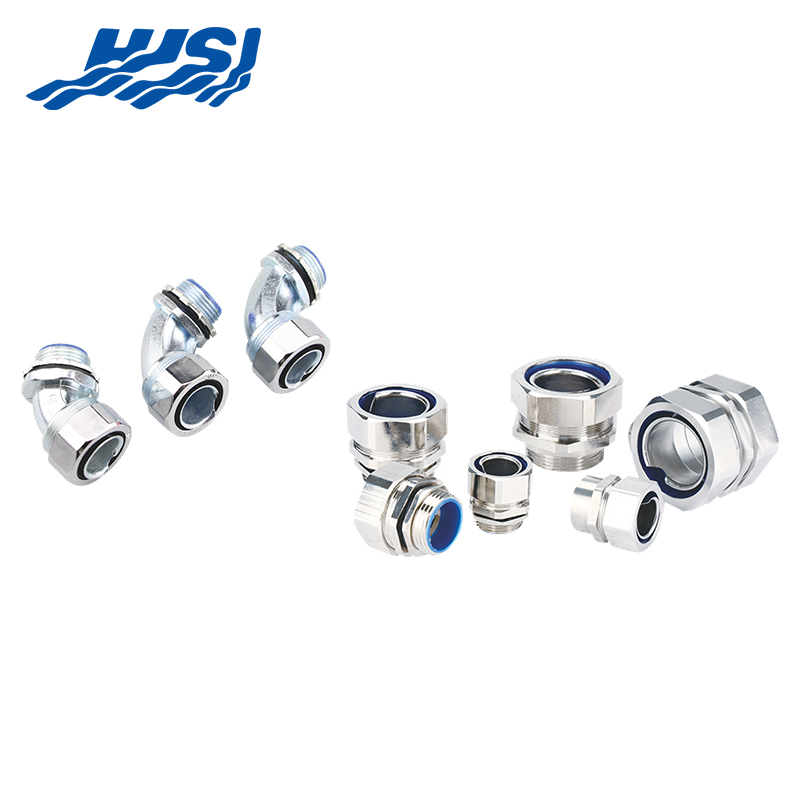
This can create a need for a transition between different connection formats on short notice. A Cable Gland Reducer and Adaptor can help connect components when the available openings and selected cable entry parts don't directly match up.
The purpose here is genuinely practical, solving a real problem without a full redesign.
Instead of changing the entire enclosure design to fit one odd cable, an appropriate adaptor arrangement can help accommodate different connection requirements as they come up.
However, compatibility should get considered carefully before committing to this approach.
The connection needs to fit the enclosure, cable, and surrounding components without forcing anything. The adaptor shouldn't create unnecessary gaps or interfere with the protective function of the assembly as a whole.
Ventilation and cable entry also need to remain genuinely separate in their roles, even when they sit close together physically.
A cable entry point is designed around cable management and enclosure protection specifically. A breathable component is intended to support controlled air exchange instead. Combining these functions without considering their differences can create avoidable problems down the line.
Component placement affects how an enclosure behaves in ways that aren't always obvious from a drawing.
A ventilation component installed in an unsuitable location may not provide the intended air exchange at all. Nearby structures can restrict movement around it, while areas exposed to direct water contact may create additional environmental concerns nobody planned for.
The surrounding equipment should therefore get considered before installation begins, not after.
Heat-producing components may influence internal air conditions more than expected. Cable bundles can occupy space around the enclosure wall, blocking airflow paths. Internal partitions may also affect how air actually moves through the space.
A simple layout review can help identify potential issues before they turn into field problems.
Questions worth considering include:
The answers depend heavily on the equipment and installation environment in question.
There's no single placement arrangement that fits every enclosure equally well.
A ventilation component can only perform its intended role when its air path remains genuinely available, unobstructed.
Dust, dirt, oil, and other contaminants may collect around exposed equipment over months of service. Outdoor installations can face additional environmental deposits that indoor equipment never encounters.
Regular inspection can help identify changes before they interfere with normal operation and cause a bigger problem later.
Maintenance checks may include several distinct areas.
| Inspection Area | What to Look For |
|---|---|
| Valve surface | Dirt or physical damage |
| Air path | Possible blockage |
| Enclosure opening | Signs of poor fit |
| Cable entry | Movement or visible gaps |
| Sealing area | Changes caused by wear |
| Surrounding environment | New exposure risks |
Cleaning should follow the component manufacturer's care instructions closely, rather than guesswork.
Rough handling can create another problem entirely on its own. A small component may get damaged if it's struck, removed incorrectly, or exposed to unsuitable cleaning methods during a routine check.
Maintenance should therefore focus on observation and careful handling, rather than unnecessary intervention that risks doing more harm than good.
A practical enclosure design starts with the operating environment it's actually headed into.
Indoor equipment may face relatively stable conditions year-round. Outdoor equipment can experience wider changes in temperature, humidity, dust, and weather exposure across every season.
The design process can consider several factors together, rather than in isolation.
Pressure changes determine whether controlled air exchange may prove useful for a given application. Moisture conditions influence how the enclosure should manage condensation and environmental exposure over time. Cable entry points affect the protective boundary at every connection. Equipment layout influences heat and air movement throughout the whole assembly.
These elements are genuinely connected to one another, not separate boxes to check off.
For example, adding a ventilation component doesn't automatically solve a moisture problem if the enclosure has poor drainage or an unsuitable layout underneath. Likewise, a well-sealed cable entry can't compensate for poor placement of other enclosure openings elsewhere on the housing.
The protective system works as a whole, not as isolated parts.
A balanced design should allow necessary air movement while maintaining suitable protection around sensitive internal components sitting inside.
This approach is especially relevant when equipment must operate outdoors or in genuinely changing environments throughout the year.
Manufacturers can begin by considering the complete enclosure, rather than treating ventilation as an isolated feature bolted on at the end.
The enclosure material, cable entry system, sealing points, ventilation location, and internal component arrangement should all work toward the same practical purpose together.
A suitable design process can examine several areas at once.
This helps reduce the risk of solving one issue while quietly creating another somewhere else.
For example, improving enclosure sealing without considering pressure changes may create an unwanted pressure imbalance that stresses seals elsewhere. Adding ventilation without considering water exposure may create another vulnerable point that undoes the benefit.
A balanced approach avoids both extremes at once.
The purpose of controlled ventilation isn't making an enclosure more open to the outside world. It's giving the enclosure a managed way to respond to environmental and operating changes, while continuing to protect the equipment sitting inside through every season it faces.

2nd Floor, Building 2, No. 188, Punan 3rd Road, Economic Development Zone, Yueqing City, Wenzhou City, Zhejiang Province, China

Copyright @ Zhejiang HJSI Connector Co., Ltd. All rights reserved.

China Waterproof Breathable Valve Manufacturer
 +86-15858552966
+86-13356176555
+86-15858552966
+86-13356176555
 English
 русский
 عربى
عربى