Cables rarely remain completely still once they're installed and running.
They may move because of equipment operation, vibration, maintenance work, or shifts in the surrounding environment that nobody planned for at the outset.
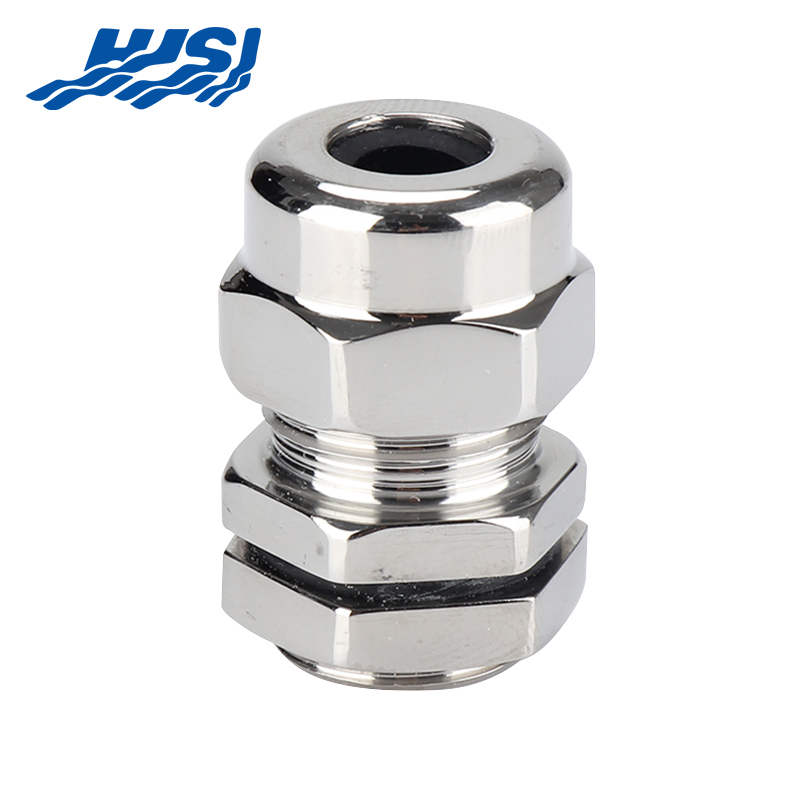
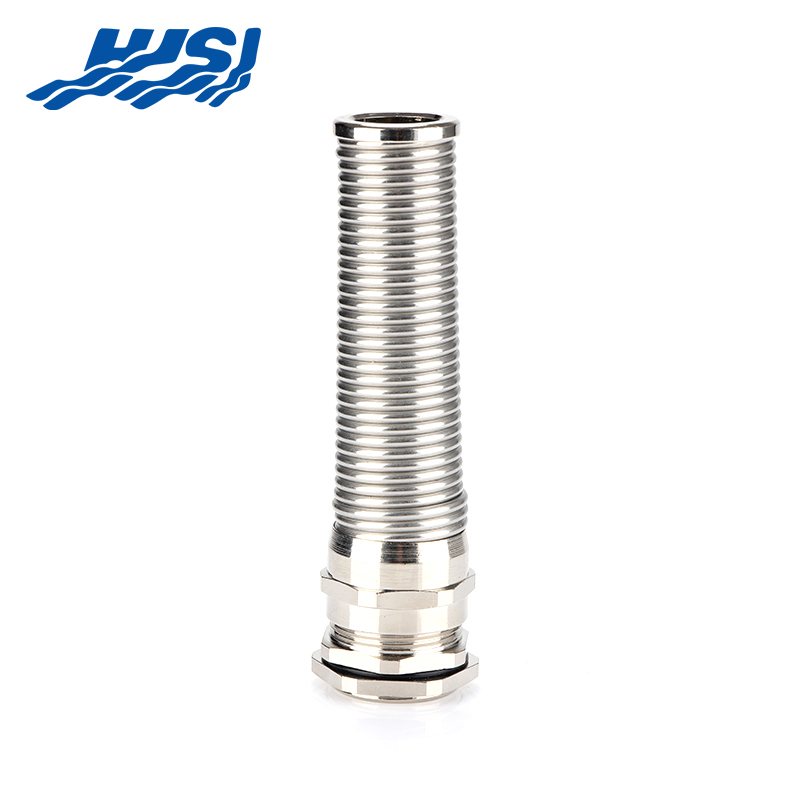
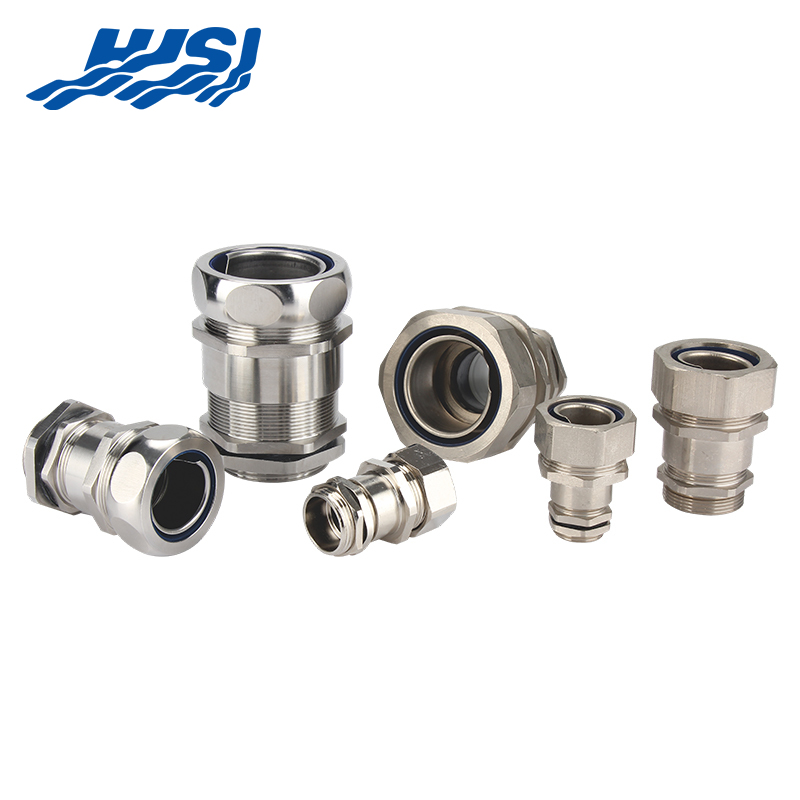
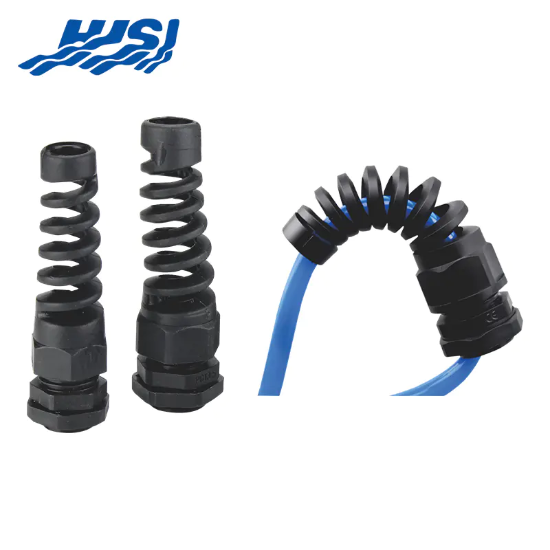
Repeated movement can gradually place stress on the point where a cable enters an enclosure or piece of equipment, wearing away at a spot that gets flexed over and over. This area deserves real attention because the cable may bend repeatedly at the exact same location every single time. An Anti-bending Cable Gland is designed to help manage this type of mechanical stress by supporting the cable near its entry point. Instead of letting the cable bend sharply right after leaving the gland, the design can provide a more controlled transition between the fixed enclosure and the moving cable. This can help reduce unnecessary strain on the cable structure during repeated movement over months and years of service. The value of such protection becomes a lot easier to understand once cable routing, bending radius, vibration, and exit location get considered together as one picture.
A cable can tolerate normal movement without much trouble, but repeated bending in the same area can gradually affect its physical condition over time.
When a cable gets repeatedly forced into a tight curve, the outer surface and internal components may experience quite different levels of movement relative to each other.
The stress becomes a lot more noticeable when the cable repeatedly returns to the same position again and again.
This can happen around machinery, moving equipment, control cabinets, and other installations where cables simply can't remain completely stationary during operation.
A sharp change in direction near the cable entry point can concentrate movement into a small area rather than spreading it out.
Instead of distributing movement along a natural curve, the cable may repeatedly flex at one exact location every cycle.
Over time, this can contribute to wear around the cable surface and increase the mechanical demands placed on the entry point itself.
| Source of Movement | Possible Cable Stress |
|---|---|
| Equipment vibration | Repeated small movements |
| Moving machinery | Frequent bending |
| Maintenance activity | Temporary repositioning |
| Cable routing | Direction changes |
| Equipment operation | Continuous movement |
The actual effect depends heavily on the cable construction, installation conditions, and type of movement involved in that particular setup.
This is exactly why cable protection should get considered during installation planning, rather than only after signs of wear start showing up on the surface.
An Anti-bending Cable Gland can provide a supported transition where the cable exits an enclosure.
Its purpose isn't simply holding the cable in place like a clamp.
The design can also help guide the cable away from the entry point without forcing an abrupt change in direction right at that spot.
This matters because the cable entry area is often exactly where movement becomes concentrated in the first place.
A suitable gland can help create a smoother path from the fixed enclosure to the flexible cable section beyond it.
The exact design varies quite a bit between products, but the general principle stays fairly straightforward across the board.
The cable should be supported without getting forced into an unnecessarily sharp bend that strains it.
This can help distribute mechanical stress over a more natural section of the cable, rather than concentrating it at one point.
The exit direction matters here too.
If the cable immediately turns against the gland right after leaving the enclosure, the entry point may experience additional strain it didn't need to take on.
A supported transition can make the whole route a lot easier to manage over the long run.
| Design Consideration | Practical Purpose |
|---|---|
| Cable support | Helps control movement near the entry |
| Flexible transition | Allows a more natural cable path |
| Exit direction | Reduces abrupt changes in cable routing |
| Secure connection | Helps maintain the intended position |
| Bend management | Helps avoid concentrated movement |
The gland therefore becomes part of the cable routing system itself, rather than functioning only as some enclosure accessory bolted on afterward.
The bending radius describes how tightly a cable can curve without placing unnecessary stress on its internal structure.
Every cable carries its own handling requirements, so installers should follow the guidance provided for that specific cable rather than eyeballing it.
A cable forced into a tighter curve than intended may experience additional mechanical strain it wasn't built to absorb.
This issue can become a lot more significant once the cable moves repeatedly instead of sitting still.
A static cable may remain in one position for long stretches of time, while a moving cable can flex through the same area again and again, day after day.
The gland can help manage the transition at the entry point, but it can't replace appropriate cable routing further along the path.
Installers should therefore consider the available space carefully before deciding where the cable should exit an enclosure.
A route with enough room for a natural curve can make the installation a lot easier to maintain down the line.
A cramped route may force the cable into an unwanted position regardless of how good the gland design actually is.
When selecting an Anti-bending Cable Gland, the gland and cable should get treated as connected parts of the same installation, not separate purchases.
The product should support the cable's intended movement, rather than forcing the cable to adapt to a route that was never quite suitable to begin with.
Where a cable exits an enclosure can shape how easily it gets routed afterward through the rest of the installation.
An exit positioned close to a wall, machine component, or another obstruction may force the cable to change direction immediately, right at the worst possible spot.
This can create unnecessary stress near the gland that a better exit location would have avoided entirely.
A more suitable exit location can give the cable enough space to move naturally without fighting its own path.
The surrounding layout should therefore get considered before the enclosure is even prepared for installation.
Installers can look at the cable's intended path and identify possible obstacles sitting along the route ahead of time.
They can also consider whether the cable will remain fixed or move during normal equipment operation once everything's running.
| Exit Location Consideration | Why It Matters |
|---|---|
| Nearby surfaces | May restrict cable movement |
| Moving components | Can create repeated cable motion |
| Available routing space | Allows more natural cable curves |
| Access area | Affects maintenance handling |
| Cable direction | Influences stress near the gland |
This kind of planning can prevent a fairly common installation problem where the cable gland itself is perfectly suitable, but the surrounding routing leaves insufficient room for it to actually do its job.
An Anti-bending Cable Gland can support cable movement, but the overall installation still needs a practical exit path built around it.
Vibration can create repeated small movements that are genuinely easy to overlook during a walkthrough.
A cable may appear stationary at a glance while the equipment around it keeps moving continuously underneath.
These small movements can cause the cable to flex near its connection point without anyone noticing right away.
When the same area experiences repeated movement over weeks and months, mechanical stress can accumulate steadily over time.
This matters particularly around equipment that operates continuously or contains moving parts that never really stop.
The gland can help keep the cable positioned while allowing a more controlled transition away from the enclosure it's mounted on.
A secure connection can also reduce unwanted movement at the exact point where the cable enters the equipment.
The surrounding cable route still matters a great deal here too.
If the cable gets held tightly against a rigid surface, vibration may transfer movement into one small section of the cable rather than spreading it out.
If the cable has enough room to follow a suitable path instead, the movement may get distributed a lot more naturally along its length.
The aim isn't eliminating all movement entirely, which would be unrealistic anyway.
The aim is preventing unnecessary or concentrated movement at the points most vulnerable to it.
Not every cable and enclosure opening share the same arrangement right out of the box.
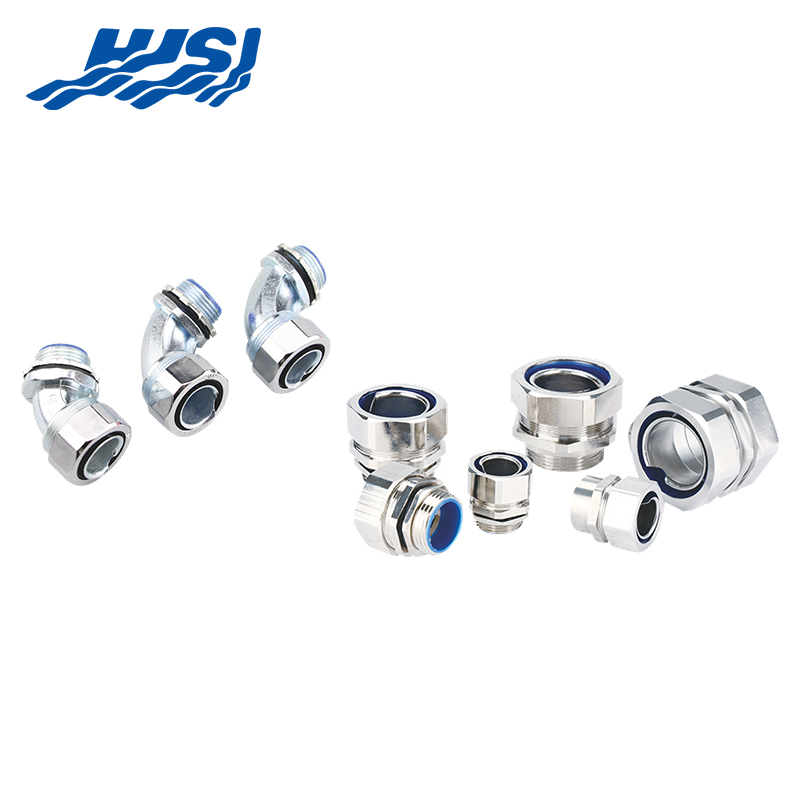
A Cable Gland Reducer and Adaptor can help accommodate different installation combinations where a change in connection arrangement is genuinely needed.
This proves useful when the enclosure opening and selected cable gland don't directly match the intended installation as planned.
Reducers and adaptors can also help installers organize cable entry arrangements when the available space carries specific limitations nobody anticipated.
Their role should get considered as part of the complete installation, rather than treated as some separate accessory tossed in afterward.
Compatibility remains genuinely important here.
The selected component should suit the enclosure, cable gland, and intended installation method all at once.
An unsuitable combination may create alignment problems or make cable routing a lot more difficult than it needs to be.
| Installation Need | Possible Role of Reducer or Adaptor |
|---|---|
| Different connection arrangement | Helps accommodate the installation |
| Limited enclosure options | Provides another connection approach |
| Component compatibility | Helps connect suitable parts |
| Installation adjustment | Supports practical positioning |
These components don't remove the need for proper cable routing elsewhere in the installation.
The cable still needs sufficient space to follow its intended path without fighting its own route.
A reducer or adaptor can help with the connection arrangement itself, while the gland and surrounding installation handle the actual cable movement.
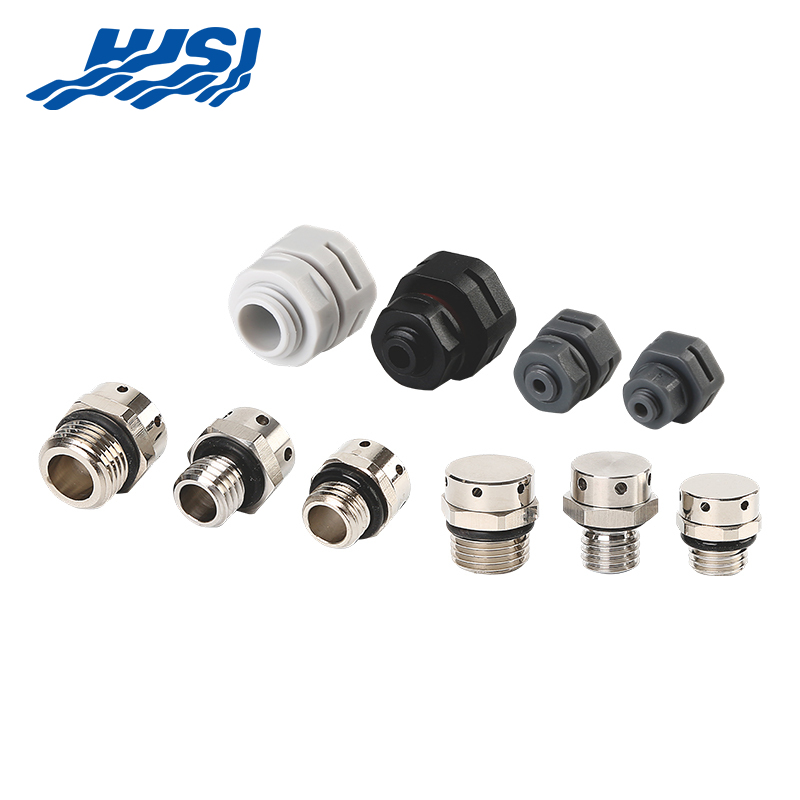
Cable entry systems may also need to manage changes in pressure or moisture conditions building up inside an enclosure.
A Breathable Valve can provide a controlled path for air movement while helping limit the entry of unwanted environmental elements, depending on its design and intended application.
This function is genuinely different from bending protection, even though both live in the same general area of the enclosure.
The two features address quite different aspects of enclosure management altogether.
An anti-bending design focuses on mechanical movement around the cable entry point.
A breathable valve is concerned with air exchange and environmental conditions within the enclosure as a whole.
Both may become relevant when an installation needs to manage several sources of stress at once.
An enclosure located around equipment that experiences temperature swings, for example, may need a way to manage internal pressure changes as things heat up and cool down.
At the same time, cables entering that same enclosure may require suitable mechanical support of their own.
These functions shouldn't get confused with each other.
| Component | Main Consideration |
|---|---|
| Anti-bending Cable Gland | Cable movement and entry support |
| Cable Gland Reducer and Adaptor | Connection arrangement |
| Breathable Valve | Controlled air movement and environmental management |
Selecting components according to their actual roles can make the overall installation a lot easier to understand at a glance.
It also helps prevent one product from getting expected to solve a problem it was never designed to address in the first place.
Long-term cable protection begins with installation planning done properly the first time around.
The cable route should provide enough space for the intended movement and should avoid unnecessary sharp direction changes wherever possible.
The entry point should also get supported so normal movement doesn't repeatedly concentrate in one small area over time.
Installers can review the installation through several simple checks worth running through.
These checks don't require complicated procedures or special tools to carry out.
They simply encourage real attention to the relationship between the cable, gland, enclosure, and surrounding equipment as a connected system.
Maintenance teams can also benefit from understanding why the cable got routed in a particular way to begin with.
If a cable needs moving during service work, returning it to a suitable position afterward can help preserve the original installation arrangement rather than leaving it worse off.
Small changes can matter a great deal when movement occurs repeatedly over the life of the equipment.
A cable that looks perfectly flexible may still experience unnecessary stress when it's repeatedly bent at the exact same point over and over.
The purpose of an Anti-bending Cable Gland is helping manage this transition and provide additional support right where the cable leaves its fixed enclosure.
This makes cable protection a matter of installation planning just as much as component selection on a shopping list.
The combination of suitable cable routing, appropriate bending space, stable connections, and regular inspection can help maintain a genuinely more consistent cable installation during repeated use over the years ahead.

2nd Floor, Building 2, No. 188, Punan 3rd Road, Economic Development Zone, Yueqing City, Wenzhou City, Zhejiang Province, China

Copyright @ Zhejiang HJSI Connector Co., Ltd. All rights reserved.

China Waterproof Breathable Valve Manufacturer
 +86-15858552966
+86-13356176555
+86-15858552966
+86-13356176555
 English
 русский
 عربى
عربى