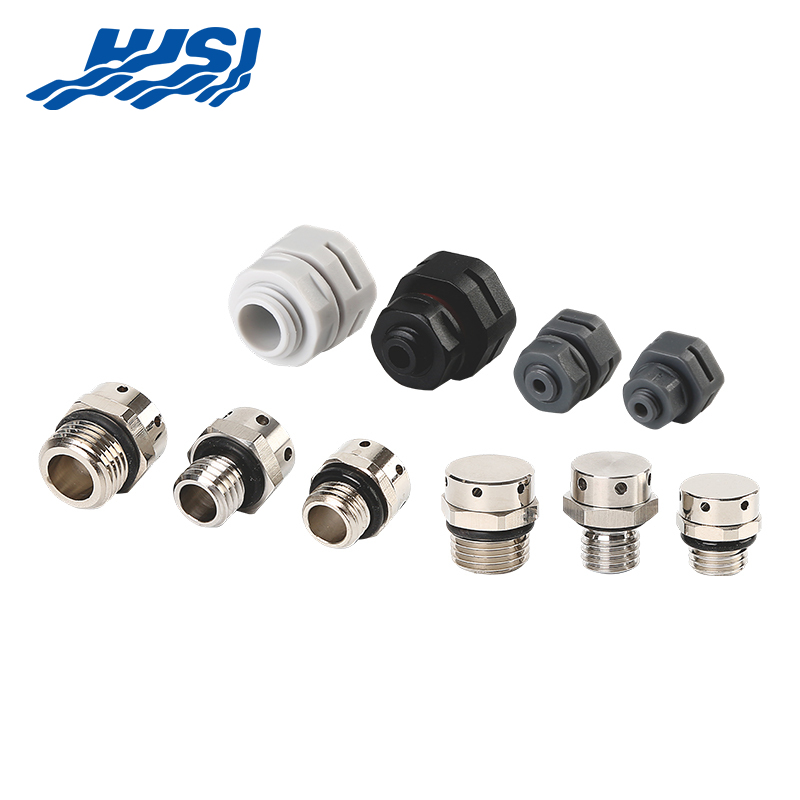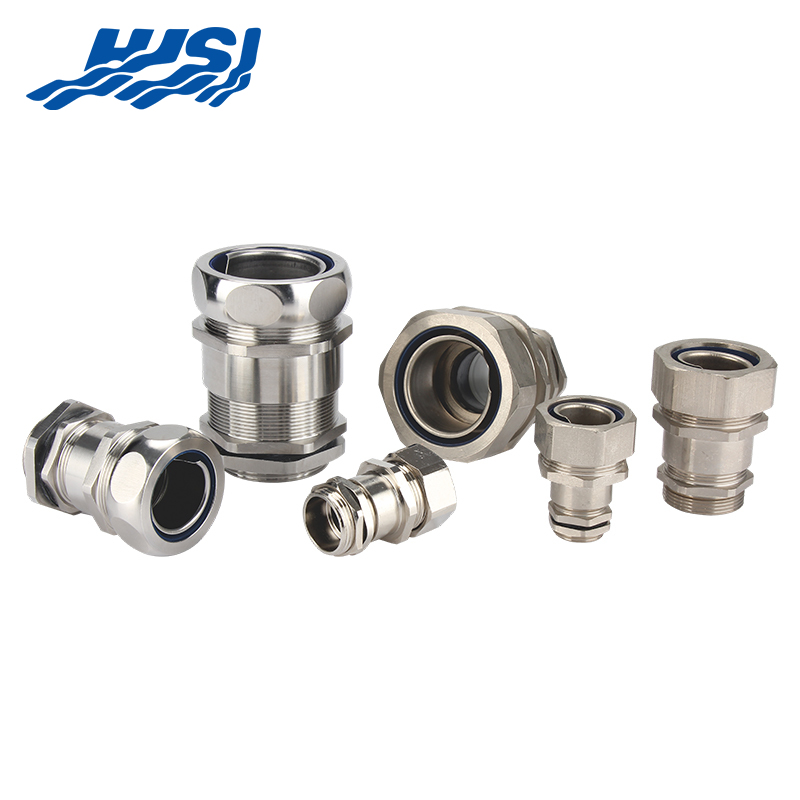
A breathable vent that has stopped venting properly is worse than no vent at all — it creates a sealed enclosure that builds pressure, traps moisture internally, and progressively degrades everything it was installed to protect. And the frustrating part is that many vent failures are not product defects. They are maintenance failures. Dust accumulates across the membrane surface and reduces airflow. Oil mist from nearby machinery coats the microporous structure and blocks the very pores that make the vent work. Someone with good intentions applies a high-pressure air blast or a solvent wipe, and the membrane — already under stress — either tears microscopically or becomes chemically degraded. The Waterproof Breathable Valve looks robust from the outside, but the functional heart of it is a membrane structure that demands careful handling if it is to keep performing as specified. Understanding why the membrane is vulnerable and how to clean around it correctly is what separates maintenance that extends service life from maintenance that ends it.
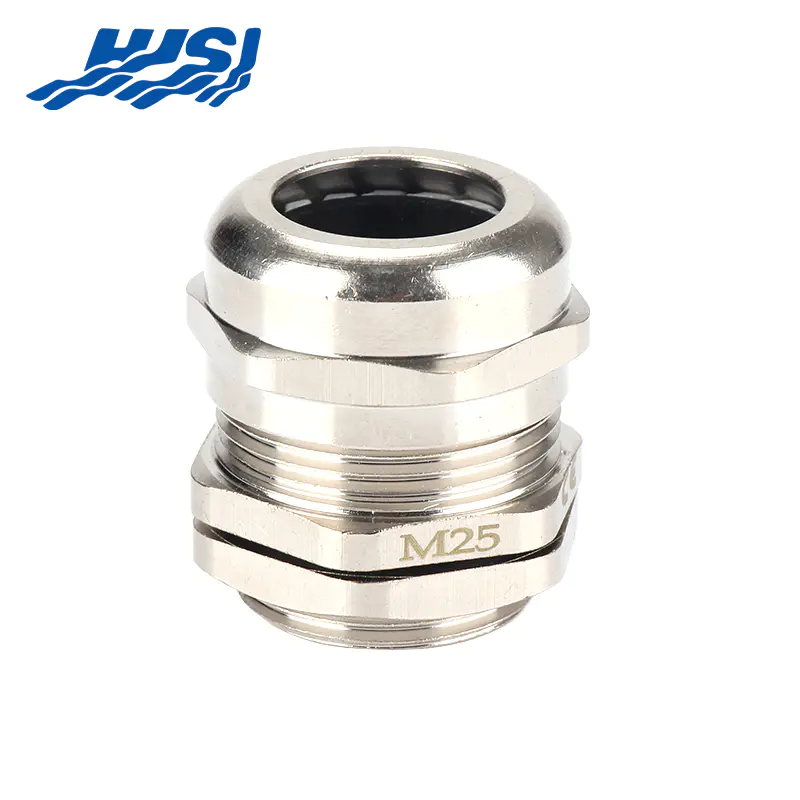
The breathable function of a waterproof vent depends entirely on a membrane — a thin, microporous layer typically made from expanded polytetrafluoroethylene (ePTFE) or a similar engineered polymer. The membrane contains a very large number of tiny pores. These pores are small enough to block liquid water droplets — which are much larger than the pore openings — while remaining large enough to allow water vapor and air to pass through freely.
This is the mechanism behind IP-rated waterproof venting: air pressure equalization occurs across the membrane without allowing water ingress. The performance depends on those pores remaining open and undistorted. Any physical, chemical, or thermal event that collapses, blocks, or enlarges those pores degrades the membrane's dual function — either reducing breathability, reducing waterproofing, or both simultaneously.
This is why cleaning method matters so much. The membrane does not need to be visually damaged to have its performance compromised. A surface that looks intact may have microscopic pore collapse that reduces airflow below acceptable levels or introduces leak paths that break the waterproof rating.
Different contaminants affect the membrane differently, and the cleaning approach should match the type of contamination present. Applying the same method to every situation is one of the more common sources of maintenance-induced damage.
Dust and particulate matter — the most common contamination in most environments. Dry particles settle on the membrane surface and accumulate in the pore openings over time. In low-dust environments, this buildup is slow. In high-particulate environments — manufacturing floors, roadside cabinets, agricultural settings — accumulation can be significant within months.
Oil and lubricant residue — present wherever the enclosure is installed near machinery, compressors, or hydraulic systems. Oil does not just sit on the surface. It wicks into the pore structure and, once dried or oxidized, forms a semi-solid coating that blocks airflow. Oil contamination is the hardest common contaminant to address without solvent exposure, which creates its own risks.
Chemical splash and residue — in chemical processing environments, exposure to acids, bases, or cleaning agents used in the facility can attack the membrane polymer itself rather than just blocking the pores. The result is accelerated aging and potential perforation.
Salt deposits — in marine or coastal installations, salt crystals can form on the membrane surface as water evaporates. The crystalline deposits are abrasive and, if rubbed, can physically damage the membrane surface.
Identifying which type of contamination is present before starting any cleaning procedure avoids the mistake of using a method that addresses the visible problem while causing invisible damage.
The cleaning approaches that damage breathable membranes share a common characteristic: they apply force or chemical action that the microporous structure cannot withstand.
High-pressure compressed air. It is intuitive to think that a blast of air will clear a vent that is no longer flowing freely. The problem is that compressed air at typical shop pressures applies a mechanical force to the membrane that exceeds what the pore walls can tolerate. The result is micro-tears in the pore structure — not visible to the naked eye, but sufficient to allow water ingress under pressure and to invalidate the IP rating.
High-pressure water washing. Direct water jets at the membrane combine mechanical force and moisture penetration. Even a membrane that survives the mechanical impact may trap water within the pore structure, and if the vent is installed in an orientation where that water cannot drain, internal contamination can follow.
Sharp or pointed tools. Attempting to clear blocked pores with a needle, pin, or pointed object physically enlarges those pores. The membrane may appear to flow air again, but the waterproof barrier has been perforated. The vent is now a hole, not a membrane.
Aggressive solvents. Acetone, MEK, and strong alcohol concentrations can dissolve or swell the polymer structure of ePTFE membranes. What appears to clean the surface may be chemically altering the material itself — reducing its mechanical strength and changing its surface energy in ways that affect both breathability and waterproofing.
Abrasive wiping or brushing. Any material that scratches the membrane surface — stiff brushes, abrasive cloths, even paper towels under pressure — can tear the surface layer of the pore structure. The damage may not be immediately obvious but shows up as progressive performance degradation.
For dry dust and surface particles:
For light oil residue:
For salt deposits:
For chemical residue:
A reference overview of what works, what causes membrane damage, and what to use as alternatives:
| Cleaning Approach | Effect on Membrane | Recommended? | Alternative |
|---|---|---|---|
| Soft lint-free swab, gentle wiping | Safe for surface particles | Yes | Use for dust and light residue |
| Low-pressure puff of dry air | Safe at sufficient distance | Yes (with care) | Low-pressure bulb blower |
| Dilute IPA on foam swab | Safe for light oil at low concentration | Yes (in moderation) | Water-dampened swab for non-oil |
| High-pressure compressed air | Mechanical pore damage | No | Low-pressure bulb or brush |
| High-pressure water jet | Mechanical damage + water ingress | No | Damp swab, no pressure |
| Needle or pin clearing | Physical perforation of pores | No | Replacement if blocked |
| Strong solvents (acetone, MEK) | Polymer degradation | No | Dilute IPA only |
| Stiff brush or abrasive cloth | Surface abrasion, pore damage | No | Soft foam swab only |
| Ultrasonic cleaning bath | Potentially viable for some designs — check manufacturer guidance | With caution | Consult product specification |
There is no universal cleaning schedule that suits every installation. The appropriate frequency depends on what the vent is exposed to and how the application uses it.
Low-contamination indoor environments — offices, server rooms, light-use enclosures: inspection every twelve months is typically adequate, with cleaning only if inspection reveals visible contamination.
Outdoor installations with moderate exposure — roadside cabinets, outdoor equipment in general industrial settings: inspection every six months, cleaning as needed based on observation of contamination buildup.
High-contamination environments — manufacturing floors with oil mist, coastal installations with salt spray, agricultural settings with dust and organic material: monthly visual inspection and cleaning as frequently as quarterly may be warranted.
Post-event inspection — any event that exposes the vent to unusual contamination — a cleaning chemical spill, a dusty construction project in the vicinity, flooding — should trigger an unscheduled inspection regardless of the regular schedule.
Cleaning more frequently than the environment requires is not harmful in itself, provided the method used is correct. The risk is not over-frequency but over-aggressiveness — applying unnecessary force or solvent exposure in an attempt to clean a vent that is not significantly contaminated.
Not every underperforming vent can be recovered through cleaning. Some failure states require replacement, and recognizing them early prevents further problems in the equipment the vent protects.
Signs that replacement is more appropriate than cleaning:
A vent that appears clean but has compromised pore structure may pass a visual inspection and still fail in service. When there is doubt about whether cleaning has been effective, replacement with a known-good component is the lower-risk choice.
The membrane quality, housing construction, and IP rating of a breathable vent directly affect how it performs in service and how long it holds up under the maintenance cycles it will inevitably go through. Products from suppliers with documented IP testing, clear membrane specifications, and installation and maintenance guidance provide the basis for maintenance decisions that are grounded in actual product performance data rather than general assumptions. Zhejiang HJSI Connector Co., Ltd. manufactures waterproof connectors and sealing components including breathable vent products for industrial enclosure and electronics protection applications. Their product range is developed for reliable performance under the environmental and operational conditions that IP-rated enclosures encounter in real deployments. If you are sourcing breathable vent components for industrial equipment, outdoor installations, or replacement in existing systems, reaching out to discuss product specifications, IP ratings, and appropriate maintenance guidance for the specific application is a practical way to ensure the components you install continue performing as specified throughout their service life.

2nd Floor, Building 2, No. 188, Punan 3rd Road, Economic Development Zone, Yueqing City, Wenzhou City, Zhejiang Province, China

Copyright @ Zhejiang HJSI Connector Co., Ltd. All rights reserved.

China Waterproof Breathable Valve Manufacturer
 +86-15858552966
+86-13356176555
+86-15858552966
+86-13356176555
 English
 русский
 عربى
عربى