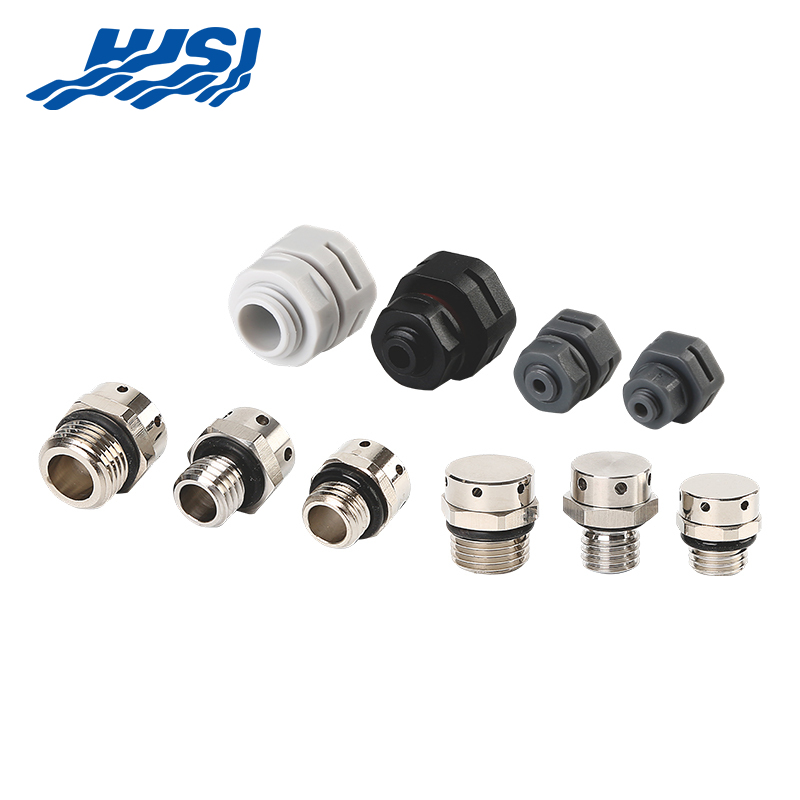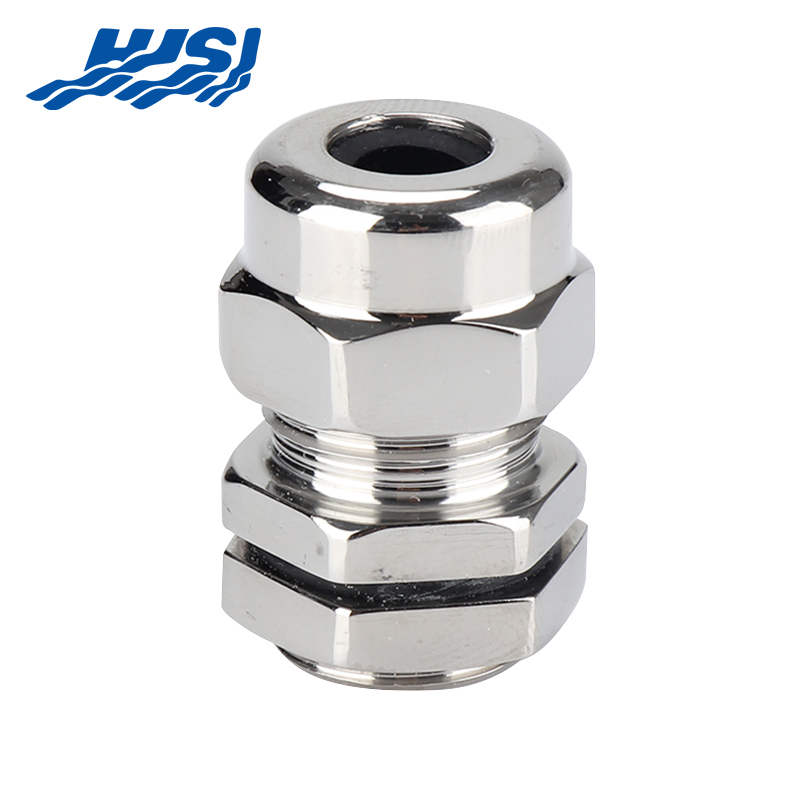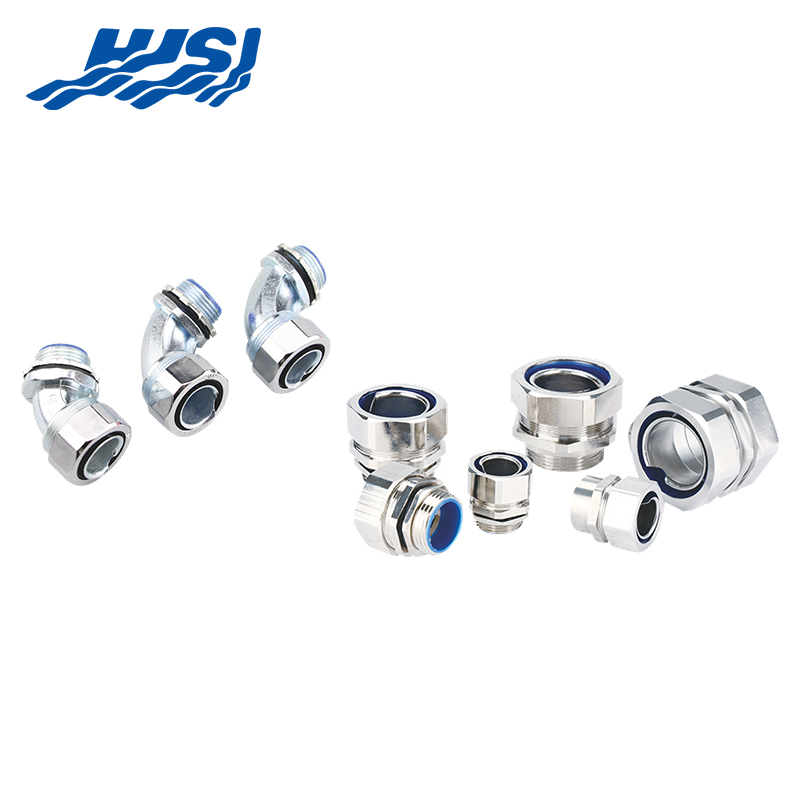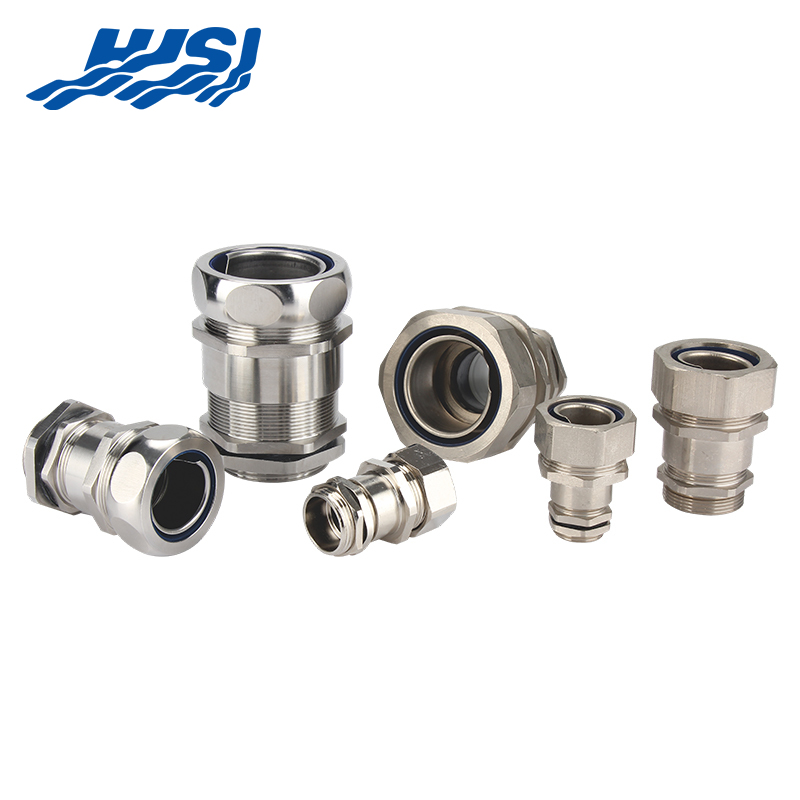
A control panel that trips for no obvious reason, a motor housing that corrodes from the inside out, a junction box that suddenly shorts after a rainy week — trace enough of these failures back far enough and a surprising number end at the same small point of entry. An Industrial Gland exists specifically to close that gap, and understanding why poor sealing causes so much downstream damage explains exactly why this small component deserves more attention than it usually gets. It rarely gets blamed first, and that's exactly the problem.
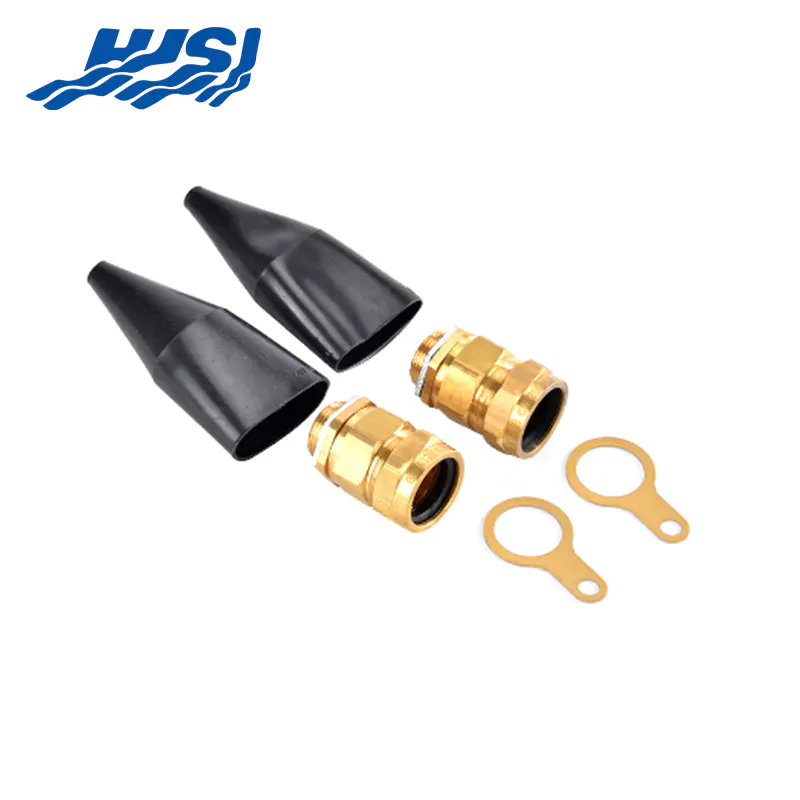
Cable entry points look simple from the outside, which is exactly why so many engineers underestimate how much damage a poor seal can cause once it starts failing.
Water rarely floods into an enclosure all at once through a bad seal. It seeps in gradually, condensing, wicking along a cable jacket, collecting in small amounts after each rain event, until enough has accumulated to actually cause a problem. This slow buildup is part of why the root cause is so often missed during troubleshooting.
By the time visible corrosion or a tripped breaker points clearly at moisture damage, the actual entry point has usually been quietly failing for months already. The delay between cause and visible effect is exactly what makes this such a deceptively patient failure mode.
A poorly sealed cable entry doesn't just let contaminants through, it also fails to protect the cable itself from movement and strain. Every bit of pulling, bending, or vibration that reaches the internal wiring connections instead of being absorbed at the entry point accelerates wear on connections that were never designed to handle that kind of ongoing mechanical stress. Left unchecked, this steady wear eventually shows up as an intermittent fault that seems to appear from nowhere.
Moisture ingress weakens insulation. Weakened insulation increases the risk of short circuits. Mechanical stress at a poorly sealed entry point loosens connections over time, which increases contact resistance and heat buildup. None of these issues stay contained to a single failure mode, they tend to feed into each other until a seemingly minor sealing gap turns into a genuine system failure worth real downtime and repair cost.
Understanding the mechanism behind a properly functioning gland clarifies why this small part carries so much responsibility for overall system reliability.
A gland's sealing mechanism compresses around the cable jacket to create continuous contact, closing the gap that would otherwise let moisture and dust travel along the cable surface into the enclosure. This differs meaningfully from a loose clamp or grommet, which might look sealed but leaves microscopic gaps that contaminants exploit over time.
The distinction matters more than it might seem at first glance. A gap invisible to the naked eye is still plenty large enough for water vapor to travel through steadily, given enough time and enough temperature cycling to drive that gradual movement.
Rather than letting pulling or bending force travel straight through to internal terminations, a properly installed gland absorbs that mechanical stress right at the entry point. This protects the more sensitive, harder-to-access connections further inside an enclosure from the kind of repeated stress that eventually causes failure.
Many Industrial Gland designs include grounding or bonding functionality alongside their sealing and strain relief roles, helping maintain electrical continuity across metal enclosures in a way that a simple cable pass-through never could, adding a layer of protection that goes beyond what sealing and strain relief alone would provide.
| Condition | With Proper Industrial Gland | Without Adequate Sealing |
|---|---|---|
| Moisture exposure | Blocked at the entry point | Gradually enters and accumulates |
| Dust and particulates | Sealed out effectively | Slowly infiltrates over time |
| Mechanical stress | Absorbed at entry, not transmitted inward | Travels directly to internal connections |
| Grounding continuity | Often maintained through gland design | May be inconsistent or absent |
| Long-term reliability | Stable performance over years | Gradual, hard-to-diagnose degradation |
Looking at this comparison, it becomes clear that the difference isn't cosmetic. Every row represents a genuine mechanism by which poor sealing eventually translates into a real operational problem, sometimes months or years after the original installation.
Because the actual root cause, a compromised seal at a cable entry point, sits far removed from where the symptom eventually shows up. A technician chasing an intermittent fault inside a control cabinet doesn't always think to check the cable gland first, especially if the entry point looks fine on a quick visual inspection despite years of slow moisture ingress happening beneath the surface.
A handful of recurring assumptions keep engineers and maintenance teams from identifying sealing failure as the actual root cause, even when the symptoms point fairly clearly in that direction with enough hindsight.
A gland that looks intact from the outside can still be failing internally, particularly if the sealing material has degraded or the compression has loosened slightly over time without any obvious external sign. Relying purely on visual inspection misses exactly the kind of gradual failure that causes the most persistent problems.
It's a natural instinct to suspect the component that actually failed, a relay, a sensor, a control board, before considering whether an environmental factor like moisture ingress contributed to that failure in the first place. This instinct sometimes leads teams to replace failed components repeatedly without ever addressing the underlying entry point that keeps causing the damage.
Not every gland in a system faces identical conditions. One entry point exposed to more direct weather, more vibration, or more frequent movement will degrade faster than others nearby, yet maintenance schedules sometimes treat every seal as equally reliable simply because they were installed at the same time.
Not every application faces the same combination of risks, and matching gland selection to actual environmental conditions matters more than defaulting to a generic option.
Facilities dealing with flammable gases, vapors, or combustible dust need Cable Glands for Hazardous Areas specifically designed and rated for that risk profile. A standard gland, even a well-sealed one, doesn't necessarily meet the ignition-prevention requirements these environments demand.
Treating this category as interchangeable with standard Industrial Glands is a genuinely risky assumption, since the certification and design requirements here exist for reasons that go well beyond simple moisture protection.
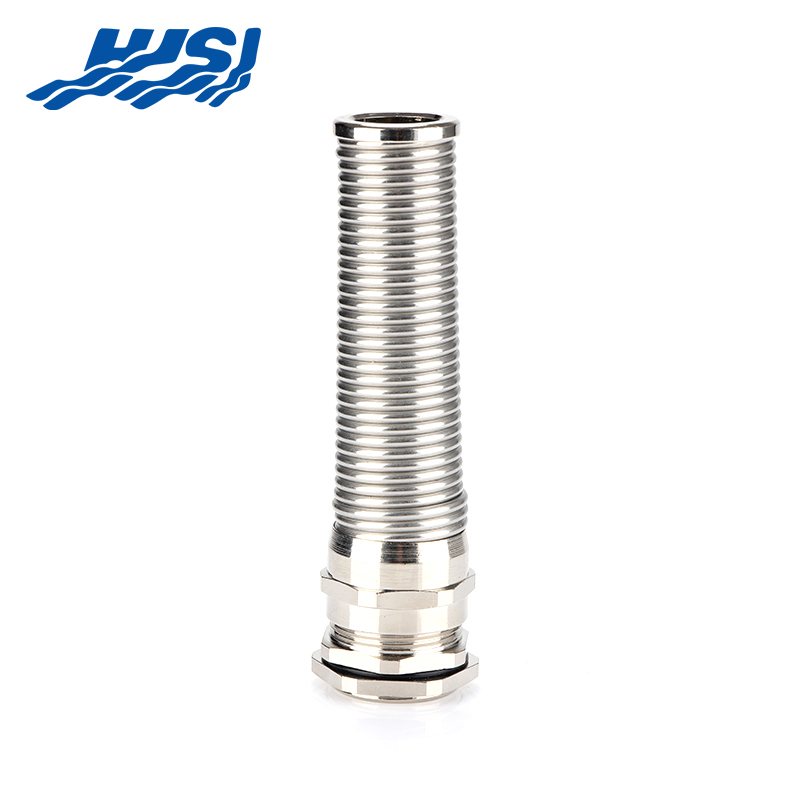
Equipment that flexes, rotates, or experiences frequent movement puts cables through repeated bending stress right at the entry point. An Anti-bending Cable Gland manages this stress directly, controlling bend radius so the cable doesn't crack or fatigue exactly where it enters the enclosure.
Facilities exposed to weather, salt air, or chemical processing byproducts need gland materials selected specifically to resist that kind of ongoing exposure, since a gland that seals well initially but corrodes or degrades quickly under these conditions still leads back to the same failure pattern eventually.
A material that looked adequate on a spec sheet can behave very differently after a few seasons of real salt spray or chemical vapor exposure, which is why matching material choice to the actual environment matters just as much as confirming a good initial seal.
Continuous machinery operation generates vibration that gradually loosens fittings not specifically designed to resist it. Choosing a gland engineered for secure, vibration-resistant grip prevents the slow loosening that eventually reopens the exact entry point a good seal was meant to close.
Selecting the right gland design matters, but sourcing it from a supplier capable of delivering consistent quality matters just as much.
Practical steps worth following:
Working through this checklist before finalizing a supplier relationship tends to surface mismatches early, while they're still easy and inexpensive to correct, rather than after a full order has already shipped and been installed across a facility.
A single well-performing sample doesn't guarantee that an entire production run will seal as effectively once installed across hundreds or thousands of units. Buyers sourcing at any real volume benefit from asking a cable gland factory directly how they maintain sealing consistency, material quality, and dimensional tolerance across large orders, rather than assuming early samples represent the full batch going forward.
A short pilot order before committing to a full production run is a reasonable way to confirm this consistency firsthand, since it reveals variability that a single approved sample simply can't.
A cable gland wholesaler serving distributors or large industrial projects needs a different kind of confidence than someone sourcing a small batch for a single installation. Volume reliability, consistent lead times, and batch-to-batch quality control become the deciding factors, since a supplier that performs well on a modest sample order doesn't automatically scale that same reliability across a much larger, ongoing supply relationship spanning many separate production runs over time.
Poor cable sealing rarely announces itself immediately, which is exactly what makes it such a persistent, expensive problem across industrial systems, moisture and dust accumulate quietly, mechanical stress transfers to connections never built to absorb it, and by the time a fault actually surfaces, the original cause is already buried under months or years of gradual degradation. A properly selected Industrial Gland interrupts this entire chain at its actual source, sealing the entry point, absorbing mechanical stress, and in many designs supporting grounding continuity all at once, rather than leaving a system to slowly accumulate the kind of hidden damage that eventually turns into unplanned downtime. Getting this right depends on matching gland selection to real environmental conditions, whether that means hazardous area certification, anti-bending protection, or simple corrosion resistance, and then sourcing that component from a supplier capable of delivering consistent quality across every unit in an order, not just the sample used to win the business. Diagnosing repeated, seemingly unrelated equipment faults often benefits from checking these entry points early rather than as a last resort, since a compromised seal explains far more mysterious failures than most maintenance routines initially give it credit for. For engineers and procurement teams looking to specify or source dependable Industrial Gland solutions for demanding applications, reaching out to Zhejiang HJSI Connector Co., Ltd. offers a practical next step toward closing this exact gap before it turns into the next unexplained system failure.

2nd Floor, Building 2, No. 188, Punan 3rd Road, Economic Development Zone, Yueqing City, Wenzhou City, Zhejiang Province, China

Copyright @ Zhejiang HJSI Connector Co., Ltd. All rights reserved.

China Waterproof Breathable Valve Manufacturer
 +86-15858552966
+86-13356176555
+86-15858552966
+86-13356176555
 English
 русский
 عربى
عربى