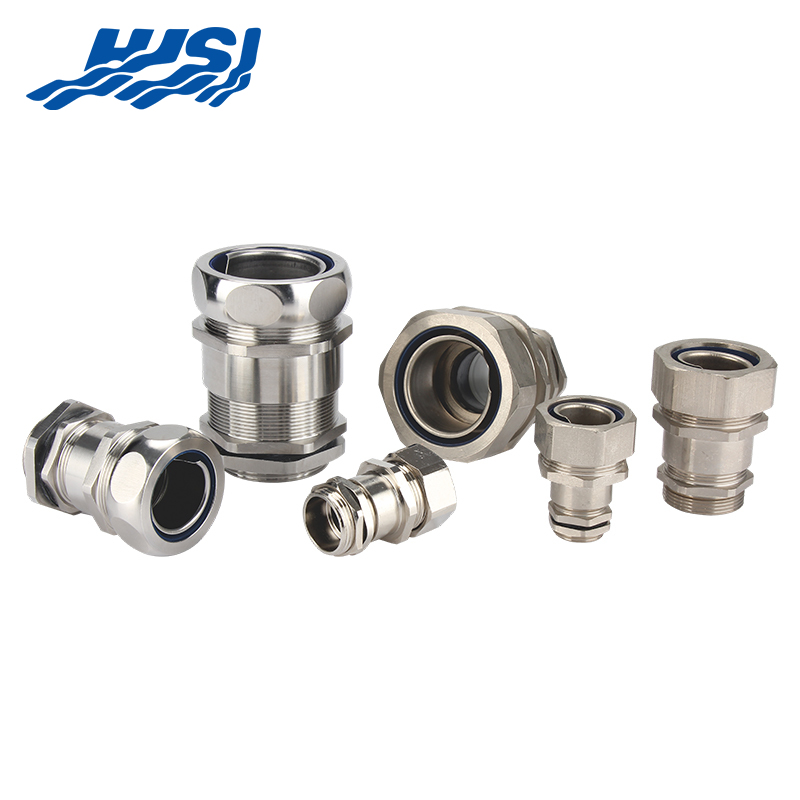
Cable connections may look like a small part of an equipment installation, easy to overlook next to the bigger machinery around them. But they can genuinely influence how easily a system gets assembled and maintained down the line. Different machines, enclosures, panels, and electrical devices may use different connection arrangements, while the cables entering them can also vary quite a bit in form, from thick outdoor-rated runs to slim control wiring.
This creates a practical challenge for installers standing at a panel with a cable that almost fits. A cable may be suitable for the application but may not naturally match the available opening or connection interface waiting for it. Without a suitable way to manage that difference, installation can become a lot less straightforward than the job originally looked on paper. A flexible connection approach can make this process considerably easier to organize. It allows installers to consider the cable and equipment interface separately, instead of expecting every component to match without adjustment right out of the box.

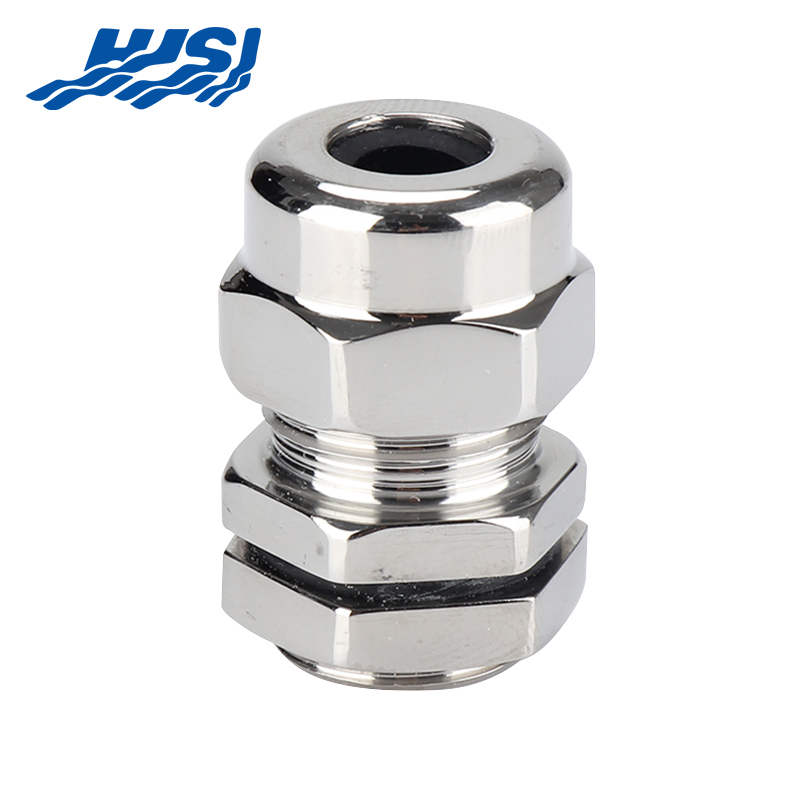
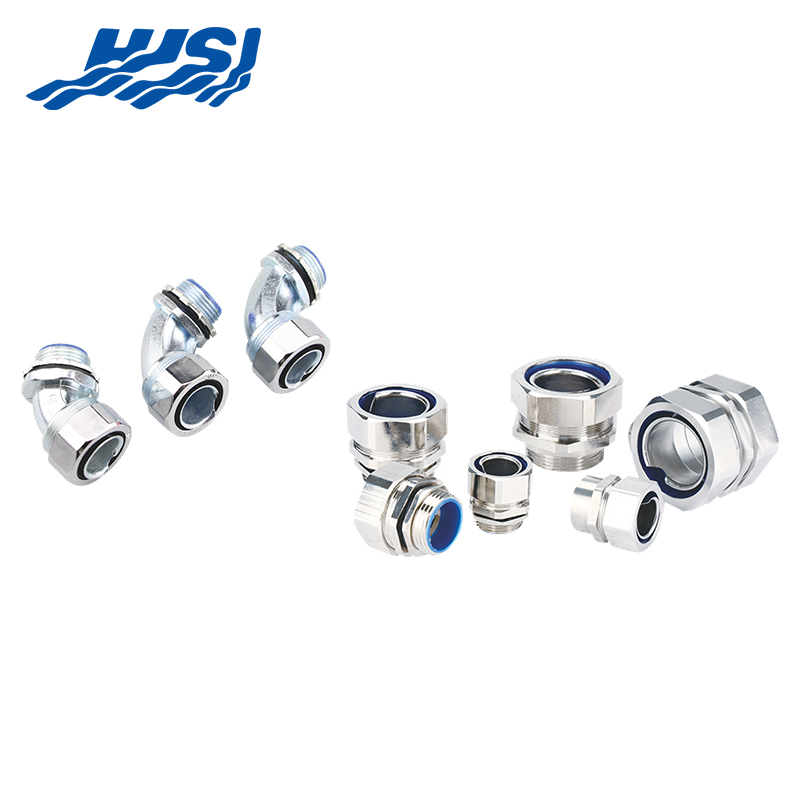
The Cable Gland Reducer and Adaptor is relevant to this type of situation, the kind that comes up more often than most people expect. It can provide an intermediate connection option when the cable, gland, enclosure, or equipment interface doesn't directly match. The value isn't simply about adding another component to a parts bin. It's about giving installers more choices when planning a practical connection that actually holds up once the panel door closes.
This can be useful in industrial equipment, control cabinets, machinery, outdoor enclosures, and other applications where cable entry needs to fit the surrounding equipment properly. Cable connection needs can also change during equipment upgrades, sometimes years after the original install. A replacement cable may have a different form from the original, or an enclosure may use a different connection arrangement entirely. An adaptable accessory can provide another route for handling such changes without tearing into the whole panel.
For purchasing teams, this makes connection accessories part of the wider installation plan rather than an item added at checkout. The goal is selecting components that fit the actual cable arrangement, equipment design, and working environment, not just whatever happens to be in stock.
Interface differences are common during equipment installation, more common than most spec sheets let on. A cable entry point may not directly suit the gland or accessory selected for the cable, creating a need for an intermediate connection right there on site. A Cable Gland Reducer and Adaptor can help bridge this difference without turning a five-minute job into an afternoon project. Instead of changing a larger part of the installation, an installer may be able to use an appropriate accessory to create a more suitable connection between the existing components already on hand.
This can be useful when equipment comes with a fixed connection opening that wasn't designed with the installer's specific cable in mind. The installer may need to accommodate a cable gland that doesn't directly correspond with that opening, especially on equipment sourced from a different supplier than the cabling. The same issue can appear during maintenance or equipment replacement work, sometimes on a facility that's been running for a decade. A new component may use a different connection arrangement from the one already present in the installation, leaving a technician staring at a mismatch nobody planned for.
Adaptors and reducers can provide a lot more flexibility in these situations, turning a potential redesign into a straightforward fix. They allow the installer to look for a suitable connection path, rather than redesigning the entire cable entry arrangement from scratch. Their role can also help simplify planning at the purchasing stage. Instead of treating every mismatch as a major installation problem worth escalating, the purchasing team can consider whether an appropriate connection accessory can address the difference on its own.
| Installation Situation | Potential Role of an Adaptor or Reducer |
|---|---|
| Different connection interfaces | Helps create a compatible connection path |
| Equipment replacement | Supports adjustment to an existing installation |
| Cable arrangement changes | Provides another connection option |
| Enclosure installation | Helps match cable entry components |
| Maintenance work | Can support practical component replacement |
| Mixed equipment | Gives installers more connection flexibility |
The exact suitability depends heavily on the products actually being connected, not just their general category. Installers should check compatibility and follow the relevant product instructions before use, rather than assuming one adaptor fits every gap. This makes interface conversion a practical part of cable planning, rather than an afterthought squeezed in during a site visit.
Cable selection depends on the equipment and application in front of the installer, not a one-size-fits-all standard. Different projects may involve different cable forms, outer surfaces, sizes, and installation conditions, sometimes within the same building. A single connection arrangement may not naturally suit every cable used across a facility, and that mismatch becomes more noticeable in projects where several types of equipment get installed together in the same room.
A Cable Gland Reducer and Adaptor can provide an additional option when connection requirements vary from one cabinet to the next. It can help installers work with different interface arrangements, without treating every variation as a completely separate installation challenge requiring its own solution. This flexibility can be useful for equipment manufacturers as well, not just field installers. A machine may be supplied to different customers, and the cable arrangement may change according to the installation environment each customer actually has.
Adaptable connection components can support a more flexible product design from the manufacturer's side. They give manufacturers another way to accommodate variations, without making every enclosure or cable entry completely different for each customer order. However, flexibility still needs limits worth respecting. The accessory should match the cable and equipment requirements closely, and the installer should confirm that the complete connection is suitable for its intended use before signing off.
Cable variation also affects purchasing in ways that add up across a large project. Procurement teams may need to manage several cable types across one project, so accessories that support practical connection planning can help organize the material list considerably. The key is considering the complete connection, rather than focusing only on the cable itself as if it exists in isolation.
A suitable cable needs a suitable route into the equipment, start to finish. The gland, adaptor, reducer, enclosure opening, and surrounding components all form part of that route together.
Equipment installation rarely takes place under identical conditions from one job to the next. The available space, cable direction, enclosure design, and position of nearby components can all affect how a cable actually needs to enter the equipment in front of an installer. Installers may therefore need to adjust the connection arrangement to suit the actual installation space they're working with, not the space assumed on a drawing.
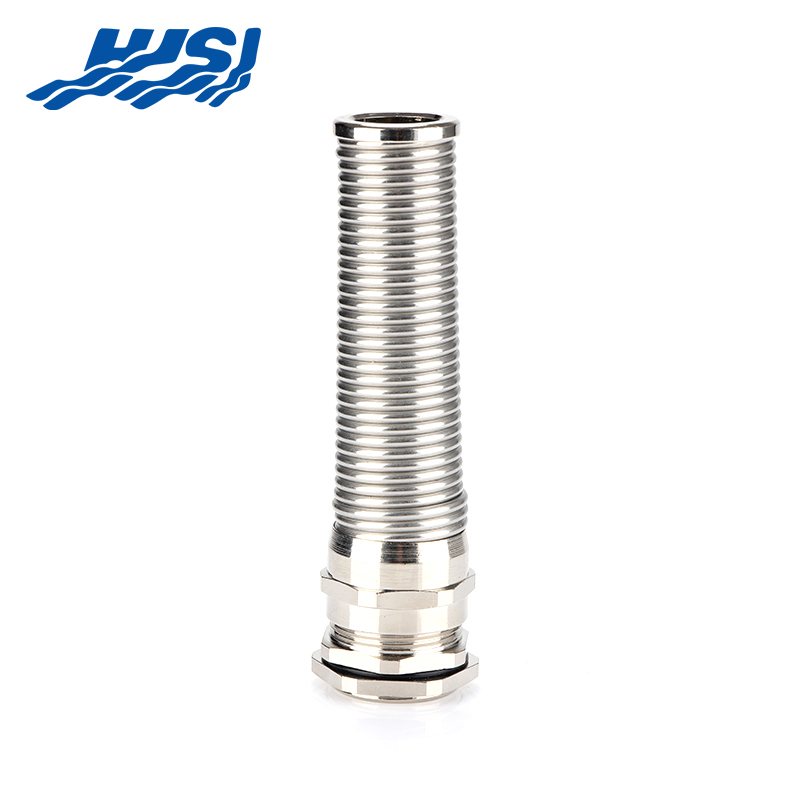
This is especially relevant when several cables enter the same enclosure, or when equipment is installed close to other structures that limit how a cable can approach. An Anti-bending Cable Gland can be considered when cable direction and movement around the entry point need additional attention, particularly in tight cabinet layouts. Its role is related to managing the cable transition near the connection area so it doesn't kink or strain over time.
The surrounding installation still matters more than the accessory's name suggests. A cable gland shouldn't be selected simply because of what it's called on a datasheet. The cable, equipment, available space, and installation method all need consideration together before ordering. Adaptors can also provide useful options when the original equipment interface doesn't align with the planned cable entry arrangement, which happens more often on retrofit jobs than new builds. This can reduce the need for unnecessary changes to the surrounding installation, saving both time and material.
For equipment manufacturers, this can support more adaptable enclosure design across product lines. For installers, it can make on-site adjustments a lot easier to plan for before showing up with tools. The result isn't necessarily a faster installation in every single case, to be fair. Instead, the value comes from having more practical options available when the expected connection arrangement changes partway through a job.
This can be particularly useful in renovation work, where existing equipment may need new cables or replacement components while the original connection layout stays in place. A flexible accessory can give installers another way to work with the existing arrangement already installed. This can help preserve more of the original installation, instead of requiring extensive modification that eats into a maintenance budget.
Wiring is not always installed in a straight and predictable path, no matter how clean the original drawing looked. Cables may need to move around equipment, enter from different directions, or pass through limited spaces that weren't obvious until the crew arrived on site. The connection area therefore needs to work with the cable's actual route, not an idealized one. Poorly planned cable movement can make installation a lot harder and may create unnecessary pressure around the entry point over time.
An Anti-bending Cable Gland can support applications where the transition between the cable and equipment needs careful handling, especially where a cable bends sharply right at the entry. It can be part of a broader approach to organizing cable movement near the entry area rather than a standalone fix. The cable path should still be planned before installation begins, though. The gland cannot replace good cable routing practices or correct equipment positioning that should have been sorted out earlier.
Flexibility also matters quite a bit during maintenance, sometimes years after the original install. A technician may need to remove or replace a cable without disturbing unrelated equipment sitting right next to it. A well-planned connection arrangement can make these tasks a lot easier to understand at a glance. Each cable has a clear entry point, and the associated components can be identified as part of the installation without guesswork.
Adaptors and reducers can provide further flexibility when a replacement component doesn't directly match the existing interface already in place. This can be particularly useful in older installations where equipment may have changed over time through incremental upgrades. The practical benefit is therefore linked with both installation and future maintenance together. A connection that's easy to understand and adapt can be a lot more convenient throughout the working life of the equipment, not just on install day.
For B2B buyers, this can influence how accessories get selected for larger projects spanning multiple sites. The purchasing decision should consider not only the initial installation, but also how technicians may interact with the connection later, possibly years down the line.
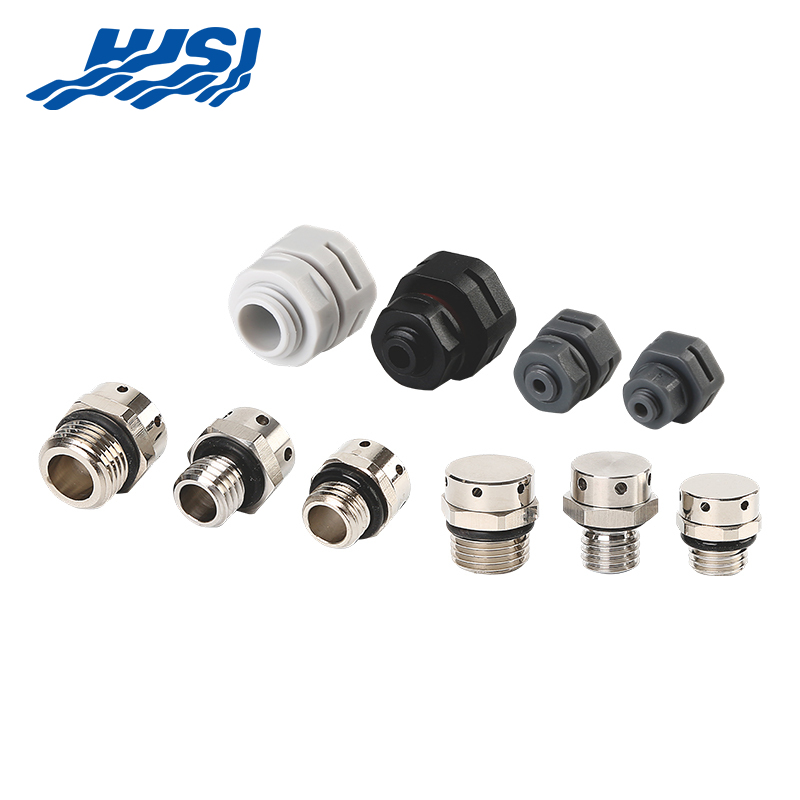
Cable entry is only one part of enclosure management, even though it tends to get most of the attention. Some equipment enclosures may also need to manage changes in internal and external conditions, like temperature swings that cause condensation inside a sealed cabinet. A Breathable Valve can be used in suitable enclosure applications where controlled air movement is part of the design from the start. It's separate from the cable connection itself, but it can appear within the same broader enclosure planning process on a project.
The relationship is worth considering, because cable glands, adaptors, and enclosure accessories often work around the same equipment housing at the same time. Each component has its own role to play, and the selection should be based on the function it actually needs to perform, not lumped together as generic accessories. The breathable valve should not be treated as a replacement for a cable gland or adaptor, since it addresses a genuinely different enclosure requirement altogether.
For equipment designers, separating these functions can make product planning considerably clearer during the design phase. Cable entry components deal with cable connections specifically, while other enclosure accessories may address different environmental or housing needs entirely. This distinction is useful during procurement as well. A project may require several enclosure accessories at once, but each one should be evaluated according to its intended application rather than bundled as one purchase decision.
The wider enclosure design also matters quite a bit here. Cable entry positions, available space, maintenance access, and other openings should be considered together as a whole layout, not addressed one at a time in isolation. This approach can help prevent a common installation problem, where individual components are selected separately without considering how they'll coexist within the same enclosure once everything's mounted.
Connection adaptability is therefore part of a larger equipment design conversation. The cable entry needs to work with the enclosure, while other accessories need to fit around the same layout without crowding each other out.
Cable connections are found across many equipment categories, more than most people realize until they start counting. Industrial machinery, electrical enclosures, control equipment, automation cabinets, outdoor housings, and other products may all require cable entry solutions suited to their particular setting. Each application can have a genuinely different installation pattern worth accounting for separately. Some equipment may have limited space to work with, while another installation may involve several cable routes converging in one spot.
Adaptable connection accessories can give designers a lot more options when dealing with these differences across a product line. The same basic equipment concept may be adjusted for different installation conditions, without completely changing the surrounding structure every time a new site comes up. This can also help equipment manufacturers serve different markets more easily. Customers may have their own cable preferences or installation arrangements already established, so flexible connection planning can make the equipment easier to adapt to what they already have in place.
For installers, the main concern remains practical compatibility above all else. The accessory needs to suit the cable, equipment interface, and working conditions actually present on site, not just on paper.
A simple application review can help sort through the details before work begins.
This process can reduce a fair amount of uncertainty before installation actually begins on site. It also gives purchasing teams a much clearer way to communicate with suppliers about what they actually need. Rather than requesting a generic cable accessory off a list, buyers can describe the actual connection problem they need to address in plain terms.
That kind of information can lead to a far more focused product discussion with a supplier who understands the job.
Purchasing decisions are a lot easier when the actual installation situation is clear from the start, rather than pieced together after materials arrive. Cable glands, reducers, adaptors, and related accessories should be selected according to the equipment and cable arrangement in front of the team, rather than general product descriptions pulled from a catalog.
Buyers can start by reviewing the connection interface closely. If the cable and equipment opening don't directly match, a suitable Cable Gland Reducer and Adaptor may be worth considering right away. The cable route should also get examined carefully at this stage. If the cable needs to change direction near the entry point, an Anti-bending Cable Gland may be relevant to the application in question.
The enclosure should receive separate attention from the cable entry itself. If the equipment requires a Breathable Valve or another housing accessory, its function should be considered alongside the cable entry arrangement, not folded into the same decision. Compatibility is another purchasing issue worth double-checking before anything ships. The complete combination of cable, gland, adaptor, enclosure, and equipment should be checked before installation begins, not discovered afterward.
A practical purchasing checklist can include several questions worth working through.
| Review Area | Question |
|---|---|
| Cable | What type of cable will enter the equipment? |
| Interface | Do the cable and equipment connections match? |
| Entry route | How will the cable approach the enclosure? |
| Flexibility | Does the cable need controlled movement near the entry? |
| Enclosure | Are other accessories needed around the same area? |
| Maintenance | Will future cable replacement be straightforward? |
| Compatibility | Are all connection components suitable for use together? |
| Installation | Do the products follow the required installation instructions? |
These questions can help procurement teams avoid treating cable accessories as minor items that get selected at the last stage of a project, almost as an afterthought. For equipment manufacturers, the same information can support product development and customer communication in a meaningful way. A clear understanding of connection needs can make it a lot easier to plan adaptable equipment designs from the outset.
As industrial wiring continues becoming more varied across equipment and installation environments, reducers, adaptors, cable glands, and enclosure accessories can provide practical ways to manage connection differences as they come up. The focus isn't simply adding more components to a parts list for the sake of coverage. It's creating a connection arrangement that actually fits the cable, equipment, installation space, and future maintenance needs of the people who'll be working with it long after the initial install.

2nd Floor, Building 2, No. 188, Punan 3rd Road, Economic Development Zone, Yueqing City, Wenzhou City, Zhejiang Province, China

Copyright @ Zhejiang HJSI Connector Co., Ltd. All rights reserved.

China Waterproof Breathable Valve Manufacturer
 +86-15858552966
+86-13356176555
+86-15858552966
+86-13356176555
 English
 русский
 عربى
عربى