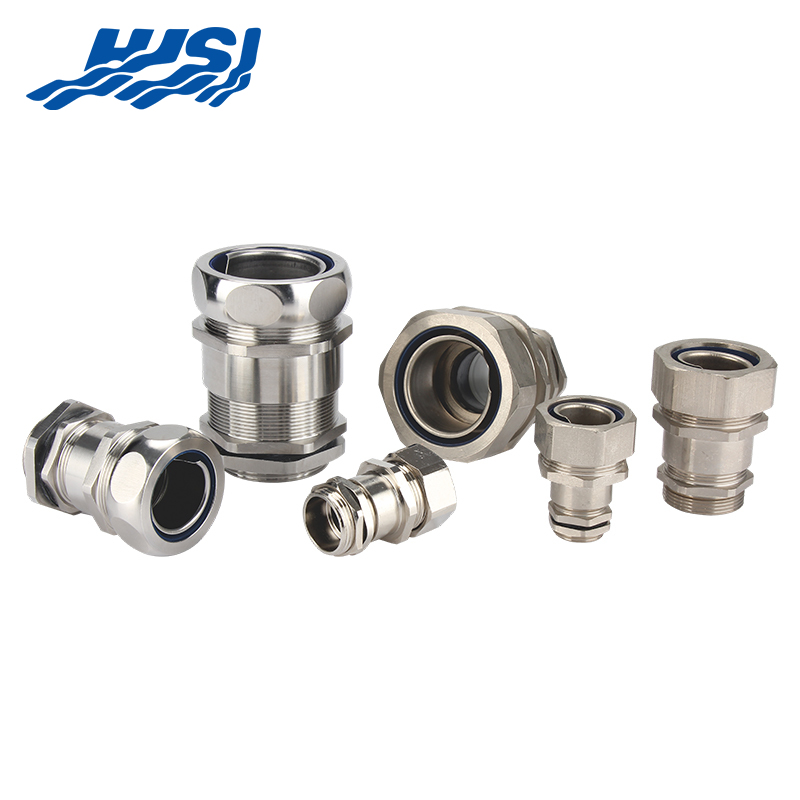
Industrial electrical systems work in environments that test every component daily. Dust from production lines, moisture from weather or cleaning, constant vibration from equipment, shifting temperatures, and general mechanical stress all take their toll on cables and enclosures. In facilities where uptime and safety matter, choosing the right supporting parts becomes essential. A Stainless Steel Cable Gland stands out in this area, offering a practical way to secure cables where they enter enclosures and helping reduce the flow of unwanted dust or moisture inside.
These glands create a stable passage for cables through enclosure walls. When selected and fitted with care, they hold cables steady and support the overall sealing of the space. Stainless steel versions see frequent use in tougher settings because the material handles corrosion well and brings structural strength that keeps seals working through changing conditions.
Ingress protection ratings give a clear framework for understanding how well enclosures and their fittings resist particles and liquids. The ratings help teams match components to the conditions they will face. This article looks at how these ratings operate in real situations and considers why stainless steel cable glands contribute to reliable performance across many industrial applications.
Facilities ranging from manufacturing plants to outdoor installations deal with varied stresses. Particles in the air can build up on surfaces, affecting cooling and creating maintenance headaches. Moisture finds its way in through condensation, splashes, or humidity, sometimes leading to corrosion or electrical issues. Vibration travels through structures and slowly loosens connections. Temperature changes cause materials to expand and contract, which can stress seals over months and years.
These elements rarely appear alone. Dust mixed with moisture can create problems that worsen gradually. Equipment near washdown zones or loading areas faces extra exposure. Outdoor units handle rain, wind, and wide temperature swings. Good protection therefore involves thinking about the full picture—enclosure construction, cable routing, sealing methods, and the fittings at every entry point.
Cable glands address a key vulnerability. Cables must enter enclosures, and without proper sealing at those transitions, contaminants can follow the cable surface directly into protected areas.
| Aspect | Explanation | Purpose |
|---|---|---|
| Cable entry point | Cables must pass through enclosure openings | Necessary connection for electrical systems |
| Potential vulnerability | Unsealed transitions allow contaminants to travel along cable surfaces | Risk of dust or moisture entering enclosure |
| Cable gland function | Seals the cable entry point | Maintains enclosure protection and integrity |
Cable glands do several things at the same time. They anchor the cable to limit movement and reduce strain on internal connections. They compress sealing materials around the cable and against the enclosure to block particles and liquids. They also offer some protection to the cable itself at the entry point, helping prevent damage from rubbing or tight bends.
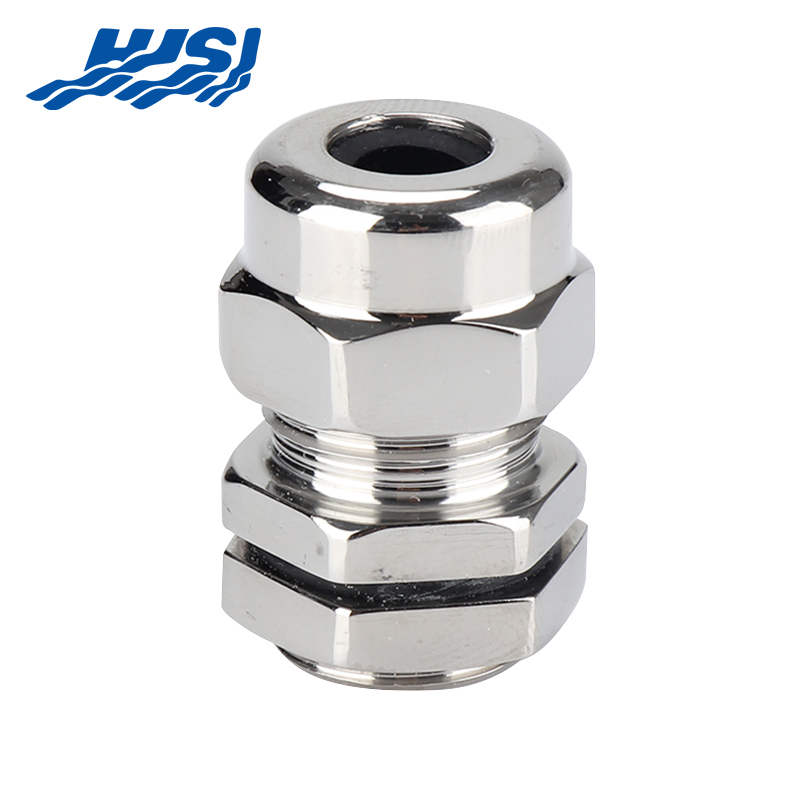
A typical gland includes a threaded body that fits through the enclosure, along with components that tighten and seal. Stainless steel construction brings particular value in places where moisture, salts, or chemicals appear regularly. The material keeps its shape and surface qualities even after long exposure, supporting consistent sealing performance.
Ingress protection ratings use a two-digit system. One digit addresses resistance to solid particles and dust. The other covers exposure to water in different forms. These ratings come from standardized testing that allows comparison between products.
Real-world performance depends on more than the rating alone. Installation quality, cable fit, maintenance practices, and the specific mix of site conditions all play a part. The ratings serve as a useful guide rather than a complete picture of long-term results in every location.
Many industrial processes create dust or fine particles that stay in the air for extended periods. In areas handling powders, grains, or machined materials, this debris can settle inside equipment and interfere with operation. Accumulation on components may reduce cooling efficiency or affect electrical contacts over time.
Cable glands help limit particle entry by creating a tight interface around each cable. Flexible sealing elements compress to fit the cable surface, reducing any gaps. Stainless steel bodies provide a sturdy frame that holds this compression even when vibration or temperature changes occur. This stability supports ongoing protection in environments where particles are part of daily operations.
Liquid threats vary widely. Some locations see rain or wind-driven water. Others deal with regular cleaning sprays or high humidity. Condensation can form inside enclosures when temperatures shift, and occasional spills add further risk.
Glands contribute by sealing around the cable so water cannot travel along its outer surface into the enclosure. Stainless steel versions support this sealing through their resistance to corrosion, which helps the entire assembly maintain its shape and function. Proper cable sizing and careful tightening during installation influence how well the seal holds up under repeated exposure.
Stainless steel offers a balance of properties suited to demanding conditions. It develops a natural surface layer that resists corrosion in the presence of moisture or certain chemicals. This makes it suitable for coastal areas, processing facilities with frequent cleaning, or locations where occasional chemical contact occurs.
The material also provides mechanical strength. Glands face tightening forces during installation and ongoing stresses from cable movement or vibration. Stainless steel helps the body resist deformation, keeping threads engaged and seals under proper pressure. Its behavior across temperature ranges supports compatibility with common sealing materials, reducing the chance of gaps forming from expansion differences.
These characteristics lead to use in manufacturing, outdoor installations, marine-related work, and food processing environments where durability supports continued operation.
Effective glands balance sealing and mechanical holding. They need to grip cables securely while allowing for different sizes and types. Stainless steel versions often feature clean machining that aids assembly and cleaning. The material choice also considers compatibility with enclosure walls to limit any interaction between metals.
In practice, glands form part of a larger system. Their performance connects with enclosure gaskets, cable routing, and overall design. Attention to how all elements work together supports better results across varying conditions.
Good results depend on careful fitting. The cable diameter needs to align with the gland's capabilities for even sealing pressure. Mounting areas should be clean and properly prepared. Tightening follows practices that distribute force evenly without damaging components.
Teams benefit from consistent methods across shifts. Visual checks after installation confirm proper seating and cable alignment. In vibration-prone areas, additional steps may help maintain long-term tightness. These details, though straightforward, influence how well the entire setup performs over years of service.
Manufacturing areas with airborne particles use glands to protect control panels and equipment cabinets. Outdoor electrical systems need components that handle weather exposure. Coastal or marine setups require resistance to salt air. Food processing lines often involve frequent cleaning and hygiene considerations.
Across these applications, stainless steel cable glands help maintain both mechanical security and environmental separation. They support the intended function of enclosures housing controls, sensors, and power equipment.
Protection levels can change gradually. Vibration may loosen fittings over time. Temperature cycles affect sealing materials. External buildup can add stress. Regular inspections look for signs of wear, check tightness, and examine cable condition near entry points.
When needed, replacing seals or glands restores performance. Facilities often include these tasks in preventive schedules. Keeping appropriate spares on hand reduces downtime. Records of installations and observations help adjust maintenance intervals based on actual site conditions.
Glands work alongside other elements such as enclosure design, cable management, and drainage features. No single part carries the full responsibility. Consistent attention across all areas supports more stable protection in complex industrial settings.
Multiple entry points on one enclosure require similar care to avoid creating weaker areas. Matching approaches for power, control, and other cables helps maintain overall integrity.
Material improvements and manufacturing refinements continue in this field. New sealing compounds aim for better flexibility and resistance in varied conditions. Production techniques may extend service intervals. Stainless steel remains relevant because its core properties align with ongoing industrial needs.
As automation and sensor use increase, reliable cable entry protection stays important for system dependability.
Teams evaluate expected conditions, cable types, enclosure requirements, and access for maintenance when choosing glands. Review of application details and experience from similar setups inform decisions. Standardization within a facility can simplify inventory and training.
Proper documentation of choices supports future work and helps maintain protection consistency during expansions.
| Consideration | Key Action | Benefit |
|---|---|---|
| Environmental conditions | Evaluate operating environment and exposure risks | Helps select suitable cable glands |
| System compatibility | Review cable types and enclosure requirements | Supports proper sealing and system performance |
| Standardization | Use consistent gland types within a facility | Simplifies inventory and staff training |
| Documentation | Record selection decisions and application details | Maintains protection consistency for future work |
Electrical systems in industrial settings support production, safety, and compliance. Components that help preserve enclosure conditions reduce unexpected interruptions and support equipment longevity. Stainless steel cable glands, applied with attention to site needs, play a part in addressing vulnerabilities at cable entries.
Selection, installation, and maintenance practices determine how much value these parts deliver. In environments with dust, moisture, and mechanical challenges, such practices help keep internal conditions stable for sensitive equipment.
Understanding the interaction between protection ratings and stainless steel cable glands offers one window into effective system design. Those responsible for equipment can use this knowledge to support decisions that fit their particular operations. Over time, thoughtful approaches in these areas contribute to systems that handle industrial realities while continuing to perform their intended functions.
For facilities that must contend with the rigorous realities of daily industrial operations, HJSI's stainless steel cable glands offer a pragmatic choice grounded in proven real-world performance. Their components embody the deep expertise HJSI has cultivated over years of manufacturing durable metal cable glands, having been specifically engineered to withstand a wide spectrum of harsh environments.
Engineers and maintenance teams favor HJSI because its stainless steel construction delivers consistent corrosion resistance in conditions rife with moisture, salinity, or cleaning chemicals; concurrently, its precision mechanical design ensures that a secure seal and steadfast cable retention are maintained, even in the face of vibration and temperature fluctuations. This combination of advantages helps safeguard the integrity of equipment enclosures, requiring no additional effort or special attention during routine operations.
When complemented by meticulous installation and regular maintenance, HJSI cable glands serve as a robust guarantee of equipment reliability and operational continuity—performing their duties silently yet effectively across manufacturing, outdoor, and marine environments, as well as various processing applications.

2nd Floor, Building 2, No. 188, Punan 3rd Road, Economic Development Zone, Yueqing City, Wenzhou City, Zhejiang Province, China

Copyright @ Zhejiang HJSI Connector Co., Ltd. All rights reserved.

China Waterproof Breathable Valve Manufacturer
 +86-15858552966
+86-13356176555
+86-15858552966
+86-13356176555
 English
 русский
 عربى
عربى