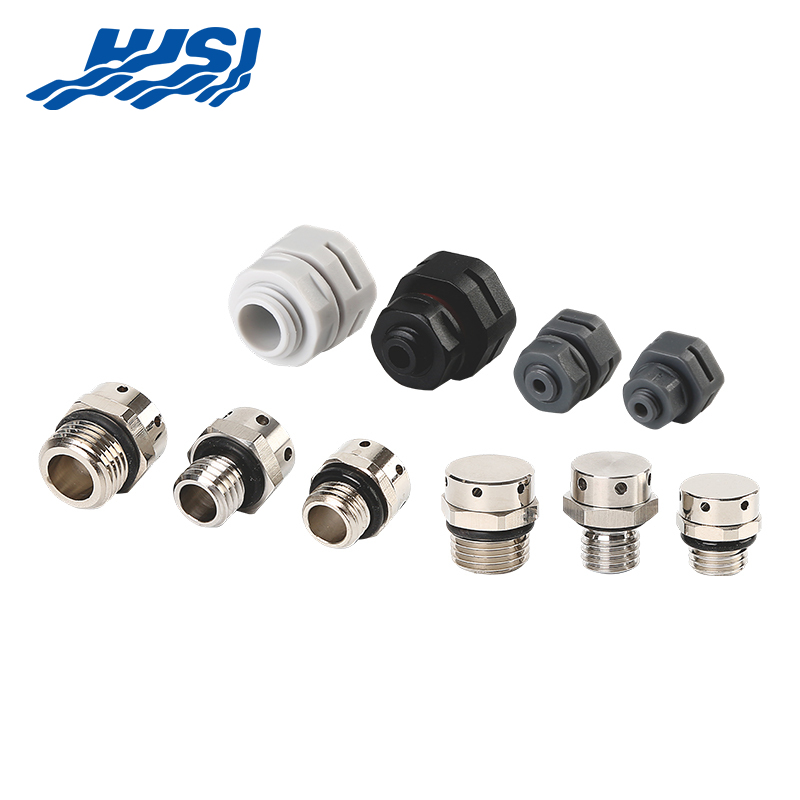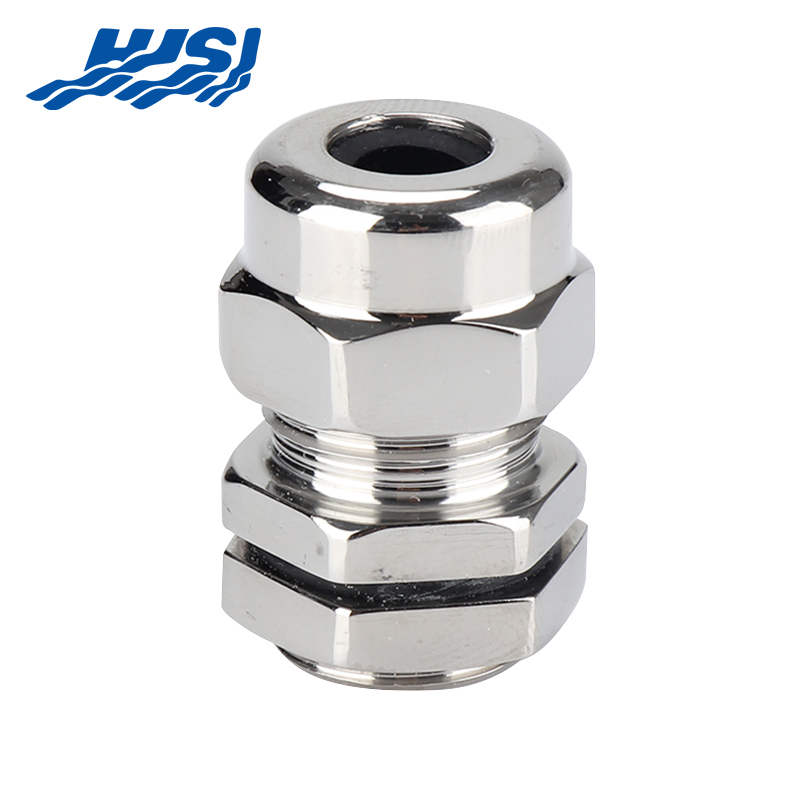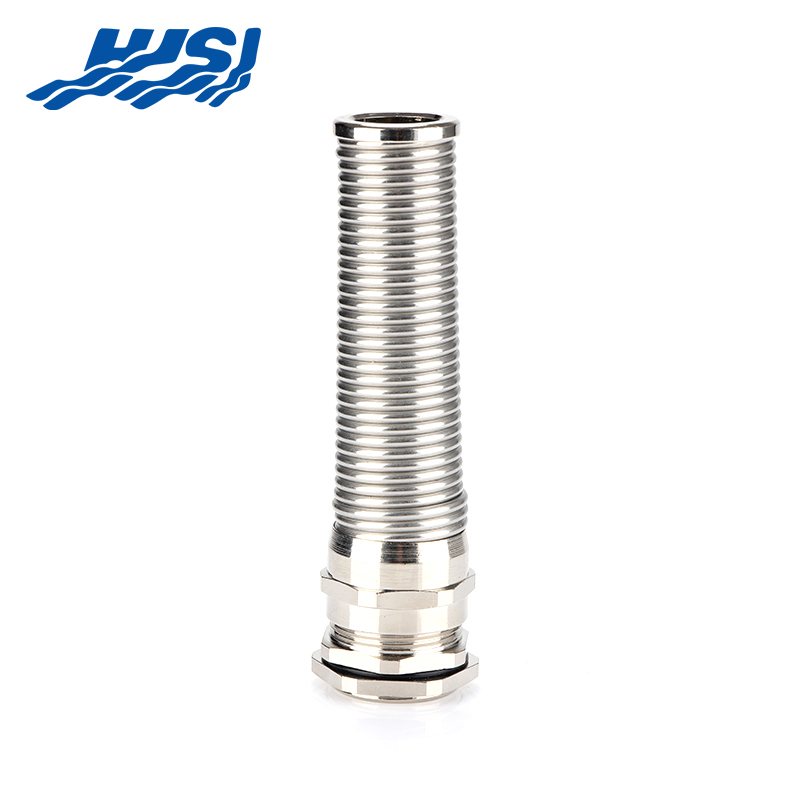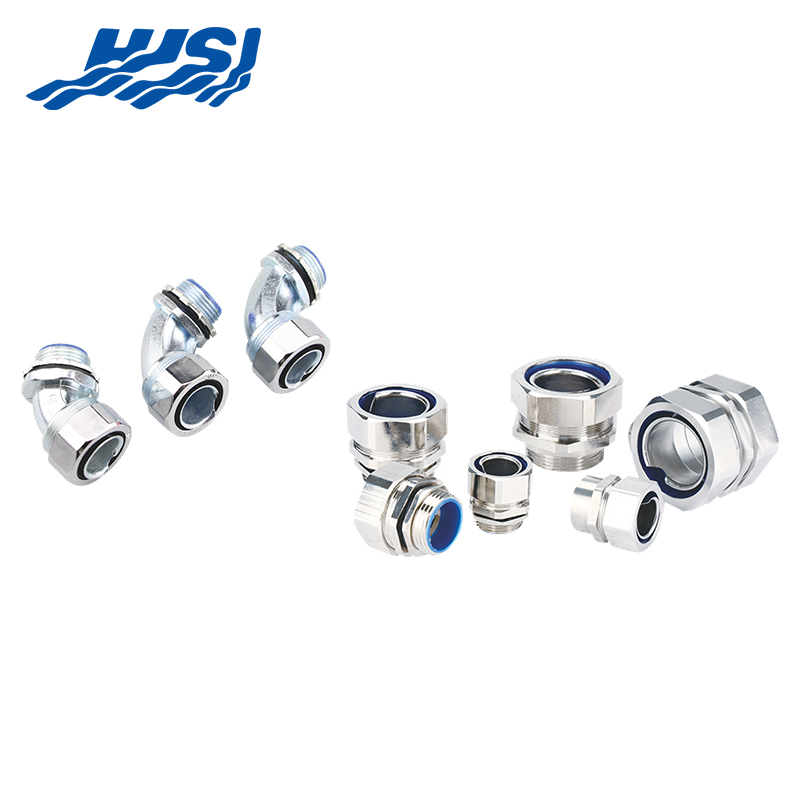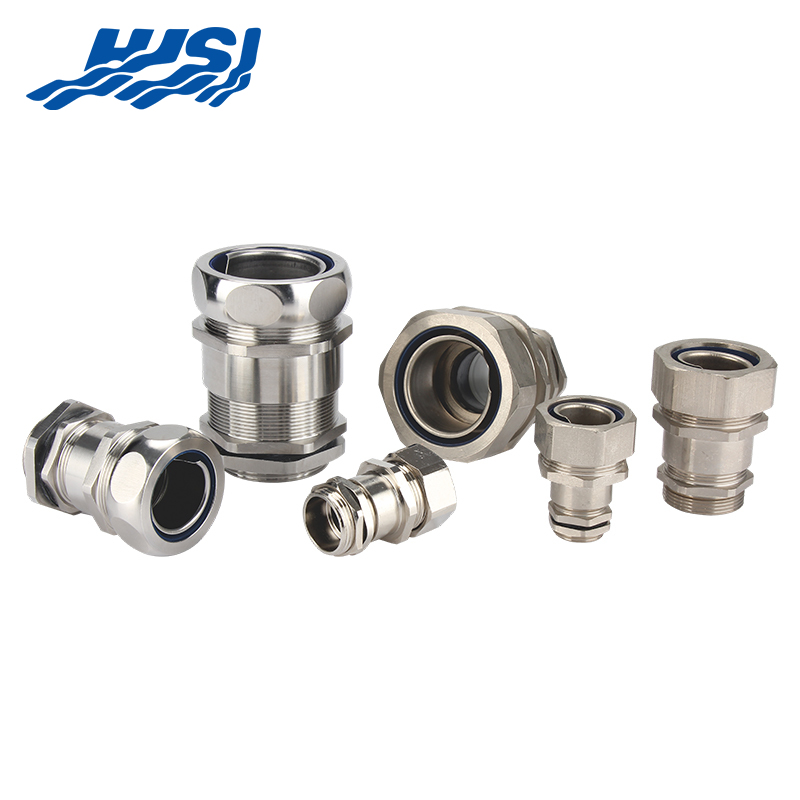
Conduit fittings, including the essential Conduit Gland, serve as essential linking components in electrical installations, joining sections of conduit, directing cable paths, and securing entries into enclosures while contributing to the overall protection of conductors. In systems that distribute power through buildings, industrial sites, and outdoor locations, these fittings help shield wiring from mechanical damage, environmental exposure, and conditions that could lead to faults. As electrical demands increase with more devices and complex layouts, conduit fittings play a role in maintaining pathway integrity and supporting safe operation.
Electrical conduit systems organize and protect conductors from the source to termination points. Conduit fittings complete these pathways by connecting runs, allowing direction changes, and transitioning to boxes or equipment. Without secure fittings, cables could face abrasion, moisture intrusion, or unintended movement that increases risks of insulation failure or accidental contact. In practice, fittings help create stable routes that align with principles of containment and accessibility, reducing exposure to hazards during normal use and maintenance.
Conduit systems appear in residential wiring, commercial buildings, and industrial facilities, where routes navigate structural elements, machinery areas, or external conditions. Fittings adapt to these environments by providing secure joints and organized transitions. Their selection considers compatibility with conduit materials, ease of assembly, and the need to support grounding where applicable. Through these functions, conduit fittings form part of layered protection that helps limit fault energy and supports reliable performance over time.
Conduit systems offer a structured method to contain conductors while providing a barrier against physical contact, moisture, and other influences. Early wiring methods sometimes left conductors exposed or used basic coverings, but as power distribution grew and safety awareness expanded, enclosed conduit became a common approach. Conduits guide cables through walls, ceilings, floors, and outdoor areas while allowing future access for inspection or replacement.
Conduit fittings link these runs, create bends, and secure connections to enclosures. In residential settings, fittings might join conduit along framing or through partitions. In commercial or industrial environments, they handle longer distances, frequent turns, and areas with higher activity levels. The fittings ensure that the pathway remains continuous and accessible, supporting both initial installation and later service work.
Safety in conduit systems centers on keeping conductors isolated from surrounding materials and limiting the effects of faults. Fittings contribute by maintaining alignment and support so that cables stay properly positioned. In locations subject to vibration or movement, fittings help stabilize the route and reduce stress on insulation. This context shows why fittings are integral to systems designed for consistent operation under varying conditions.
Practices for conduit installation have evolved with changes in construction methods and material options. Rigid conduit required precise preparation for threading, while flexible types offered adaptability in tight spaces or vibration-prone areas. Throughout these developments, fittings have remained central to creating secure, adaptable pathways that support electrical safety without introducing additional risks.
Conduit fittings provide mechanical stability by securing conduit sections and protecting cable entries from damage. When conduits pass through structural elements, fittings prevent cables from contacting sharp edges or shifting under load. A well-assembled fitting distributes forces to limit separation or stress during building movement or external pressure.
Strain relief at enclosure entries represents one mechanical function. Fittings clamp or secure the conduit to the box, reducing pull on internal conductors if external forces act on the run. This arrangement helps cables remain in position even in areas with occasional disturbance.
Direction changes receive support through fittings that allow smooth transitions without tight bends that could stress insulation. Elbows or offsets guide the conduit around obstacles while preserving suitable routing for cable movement. This guidance contributes to conductor longevity and reduces wear that might lead to faults.
In dense installations, such as inside panels or junction boxes, fittings organize entry points to avoid interference between multiple conduits. The resulting arrangement supports clear access during maintenance and limits accidental contact with live parts.
Sealing features in some fittings close gaps at connections, helping to restrict entry of dust or debris that could affect internal conditions. In environments with airborne particles or occasional moisture, these aspects help preserve the pathway over extended service periods.
Conduit fittings support electrical safety by helping maintain grounding continuity in metallic systems. Secure joints ensure that conduit sections remain electrically connected, providing a path for fault current to return and activate protective devices. This continuity helps limit energy release during faults and reduces shock hazards.
| Function | How It Works | Safety Benefit |
|---|---|---|
| Grounding Continuity | Secure joints keep conduit sections electrically connected | Provides return path for fault current |
| Fault Current Management | Allows fault current to flow back to source | Activates protective devices quickly |
| Hazard Reduction | Limits energy release during faults | Reduces risk of electric shock |
Fittings intended for grounding applications include provisions that bond the conduit to equipment grounds. When assembled correctly, they contribute to a return path that works with circuit protection. In non-metallic conduit systems, fittings still aid safety by securing the route and preventing cable movement that could cause abrasion or contact issues.
Insulation protection occurs indirectly as fittings keep conductors away from sharp edges or compressive points. By preserving spacing and alignment, fittings reduce the chance of damage during installation or service activities. This becomes relevant in systems with multiple conductors or frequent access.
In locations where flammable materials may be present, sealed fittings help contain any internal events within the conduit pathway. The connections limit migration of vapors or gases, supporting area safety measures. Fittings thus form part of a coordinated approach to hazard control.
Maintenance safety benefits from fittings that allow controlled access points. Removable covers or inspection ports enable testing without full disassembly, encouraging regular checks while minimizing exposure to energized components.
Conduit fittings address environmental factors by creating barriers against moisture, dust, and corrosive influences. In outdoor or damp areas, fittings with sealing elements help prevent water entry that could lead to corrosion or insulation issues. The seal at joints maintains pathway integrity during weather variations or cleaning.
Industrial settings with airborne contaminants benefit from fittings that restrict particle ingress. Tight connections reduce dust accumulation inside the conduit, helping to limit tracking or overheating over time. This control supports performance in facilities where air quality fluctuates.
Temperature variations receive attention through fittings that accommodate expansion and contraction. This adaptability helps prevent gaps or loosening at joints caused by thermal cycling.
In corrosive atmospheres, such as near processing areas or coastal locations, material choices for fittings help resist degradation and extend conduit service life. Matching fittings to surroundings contributes to long-term pathway reliability.
Installation of conduit fittings starts with careful planning of the entire route. Installers map out the path to keep bends to a minimum and provide solid support at regular intervals. They cut conduit pieces to the right length so that fittings slide into place smoothly without any forcing. Careful alignment during assembly prevents crossed threads or small gaps that could weaken the connection over time.
Getting the tightness of each joint right matters a great deal. Enough pressure creates solid contact, yet excessive force can strip threads or damage sealing surfaces. Following general guidance for the particular fitting style helps crews achieve steady, dependable results throughout the job.
Proper spacing of supports along the conduit run works together with the fittings to stop sagging or excessive movement that might eventually loosen joints. On vertical sections, crews often add extra support close to the fittings to handle the downward weight and keep everything stable.
Once the fittings are in place, a final check involves looking over each connection to confirm it sits correctly. In systems that rely on grounding, a quick continuity test verifies that the path remains intact. These simple steps give confidence that the fittings will perform their protective role once power is applied.
Teams doing the work benefit from clear training that highlights everyday pitfalls, such as using mismatched sizes or failing to fully engage the fitting. Building this practical awareness leads to safer installations and smoother overall progress on site.
Maintenance of conduit fittings relies on regular observation to catch small changes before they create problems. During normal walkthroughs, technicians look for any loosening, early signs of corrosion, or wear around seals. In easily reached areas, a light manual check confirms the fitting still holds firm.
| Maintenance Aspect | Key Actions | Purpose |
|---|---|---|
| Regular Observation | Check for loosening, early corrosion, seal wear | Catch small issues before they escalate |
| Normal Walkthroughs | Visual inspection during routine rounds | Identify potential problems early |
| Easily Accessible Areas | Perform light manual check | Confirm fittings remain tight and secure |
Locations exposed to ongoing vibration or repeated temperature changes call for closer attention to the joints. Periodic cleaning of the exterior removes dust or residue that might work its way into the connection during later service. Keeping records of these inspections helps teams spot patterns in certain zones, such as areas near heavy equipment or outdoors, so they can adjust how often they review those spots.
When a fitting eventually needs replacement, using the same type maintains compatibility with the rest of the system. Taking the old fitting apart and installing the new one follows the same careful steps used during initial work, ensuring the pathway returns to full strength without introducing fresh issues.
Conduit fittings tie into the larger electrical system by creating secure transitions into enclosures and equipment. They line up cleanly with box openings, forming smooth passages that help keep the enclosure’s protective qualities intact. This careful connection supports separation between circuits and reduces the chance that a fault in one area spreads further.
In grounding arrangements, fittings link the conduit sections to bonding conductors, completing a return path that allows protective devices to operate when needed. Inside enclosures, well-placed fittings organize the entry points, cutting down on crowding and making it easier to manage heat and plan future changes.
Coordination with other safety features happens naturally at the points where conduit meets equipment. The fittings keep conductors protected right up to the final connection, helping the entire system work together reliably.
Modern electrical setups often combine automation, renewable energy sources, and networked controls, which means conduit routes must adjust to new and changing layouts. Flexible conduit used with appropriate fittings makes it easier to handle modular or frequently reconfigured spaces.
Choices about materials and how simply cables can be replaced later also shape which fittings are selected, especially in projects that aim for long-term efficiency. Fittings that allow straightforward access and renewal support adaptability as the installation grows or changes over the years.
In areas filled with sensitive technology, fittings help keep dense cabling organized while maintaining clear separation from power lines. This arrangement protects both safety and operational performance.
As specialized terminal connection accessories, conduit fittings serve to enhance the overall protection system by providing secure and sealed access points at the interface between conduit systems and various enclosures, mechanical equipment, or outdoor installations.
In the solutions provided by Zhejiang HJSI Connector Co., Ltd., these fittings ingeniously combine robust mechanical clamping capabilities with reliable environmental sealing performance. This ensures that wires remain safeguarded against tensile stress, vibration, and the ingress of moisture or contaminants—even in demanding industrial, marine, or hazardous installation environments.
By maintaining consistently reliable ground continuity whenever necessary—and by offering compatibility with a wide range of conduit types and cable diameters—HJSI’s conduit fittings play a pivotal role in preserving the structural integrity of the entire electrical pathway. As the complexity and scope of electrical systems continue to expand, these fittings will remain a steadfast pillar, providing solid support for ensuring both immediate safety compliance and long-term operational robustness.

2nd Floor, Building 2, No. 188, Punan 3rd Road, Economic Development Zone, Yueqing City, Wenzhou City, Zhejiang Province, China

Copyright @ Zhejiang HJSI Connector Co., Ltd. All rights reserved.

China Waterproof Breathable Valve Manufacturer
 +86-15858552966
+86-13356176555
+86-15858552966
+86-13356176555
 English
 русский
 عربى
عربى