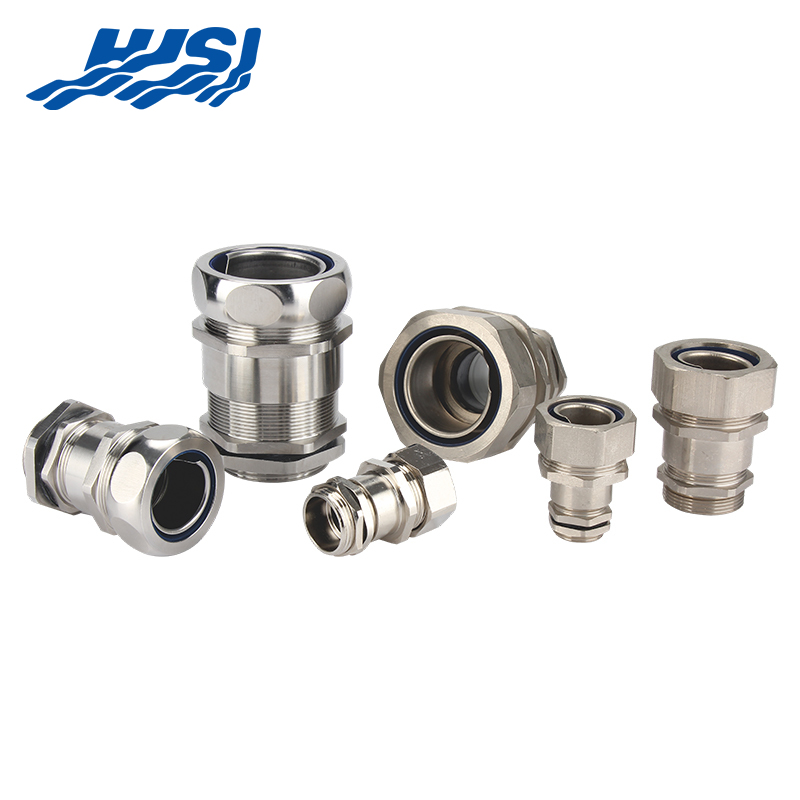
Open up almost any electrical enclosure on a factory floor and you'll find the same quiet tension at play: cables need a way in, the enclosure needs to stay sealed against dust and moisture, and the air trapped inside still has to go somewhere when the temperature swings from a cold morning to a hot afternoon. Solving all three at once is trickier than it sounds, because each opening in the housing pulls in a slightly different direction.
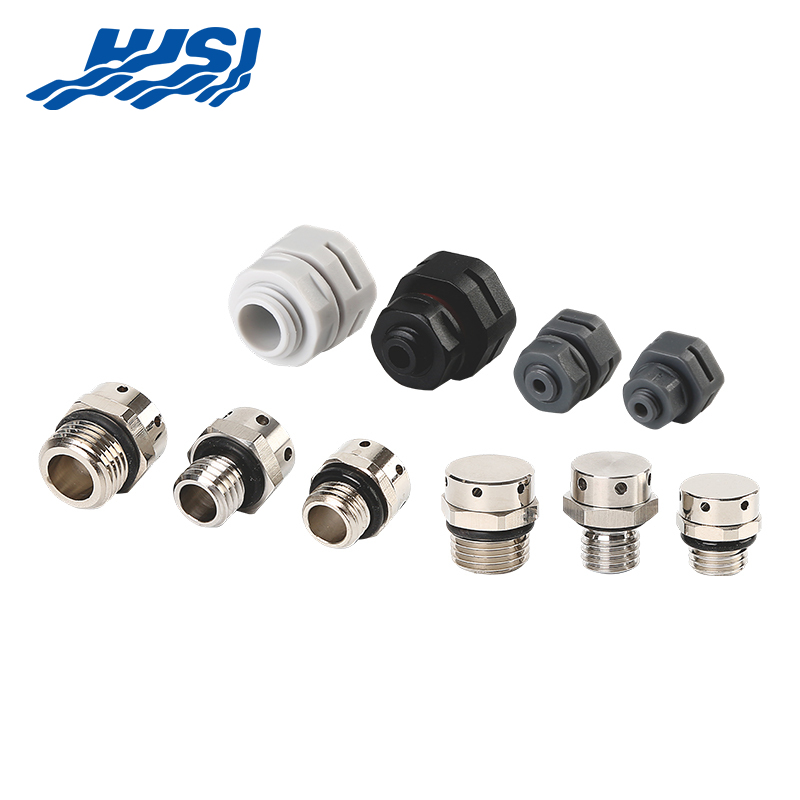
A cable entry point isn't just a hole for a wire to pass through. It shapes how that cable moves once it's inside, how well the enclosure stays protected against the outside world, and how much of the surrounding environment actually reaches the sensitive parts sitting inside the box. A Breathable Valve tackles a different piece of that same puzzle, managing air movement and pressure changes without turning the enclosure into an open window to the outside.
An Anti-bending Cable Gland, a Cable Gland Reducer and Adaptor, and a Breathable Valve can work as one coordinated protection approach when a design team actually thinks about them together rather than picking each one off a separate catalog page. Each part plays a distinct role, but their functions line up well once cable entry protection, bend management, interface adaptation, and enclosure ventilation get treated as connected tasks instead of unrelated product categories bought from three different suppliers.
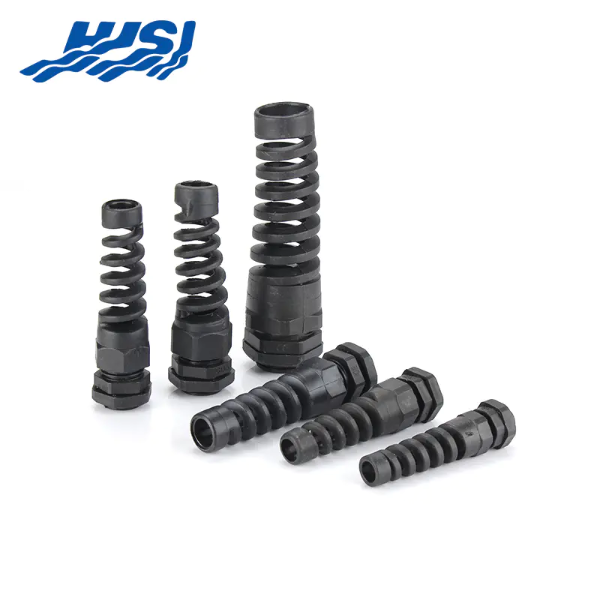
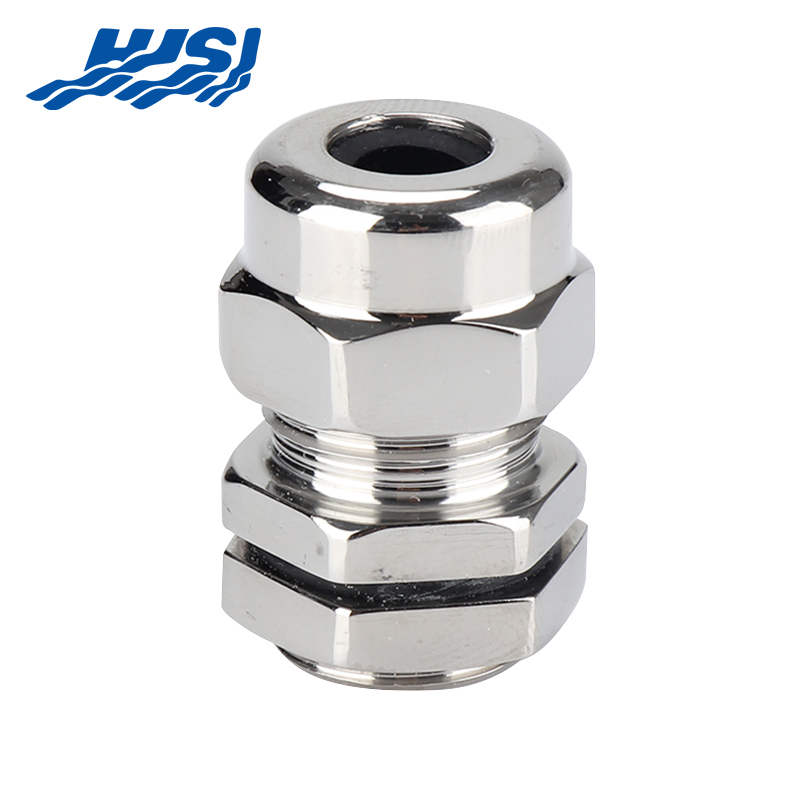
A cable entry creates a controlled path between the inside and outside of an enclosure, and the cable needs to pass through that spot without extra movement or a poorly sealed opening around it. At the same time, the enclosure itself lives through real temperature swings and shifting surrounding conditions — air trapped inside expands and contracts as things heat up or cool down, and without a sensible way to respond, pressure differences build up between the inside and the world outside.
This is exactly where cable glands and breathable valves split the work. The cable gland manages the space directly around the cable, while the Breathable Valve provides a separate, dedicated route for controlled air exchange rather than leaving that job to whatever gaps happen to exist elsewhere in the housing.
Keeping these two jobs separate actually makes the whole enclosure easier to organize. Cable entry can stay focused purely on holding and protecting the cable, while the ventilation component handles pressure response on its own terms, without either one getting in the other's way.
| Component | Main role | Related enclosure concern |
|---|---|---|
| Cable Gland | Supports and protects cable entry | Entry protection |
| Anti-bending Cable Gland | Helps manage cable movement near the entry | Bend protection |
| Cable Gland Reducer and Adaptor | Helps connect different interfaces | Interface adaptation |
| Breathable Valve | Allows controlled air movement | Pressure balancing |
| Enclosure | Houses internal equipment | Overall protection |
None of these components perform the same task as another. Their value shows up in how each individual function fits into the larger enclosure design rather than in any one part working alone.
Cable movement creates real stress right around the point where a cable enters an enclosure — think of a cable that has to make a sharp turn the moment it clears the wall, or one that gets tugged repeatedly by nearby machinery vibrating away all shift long. That stress concentrates exactly where the cable meets the housing.
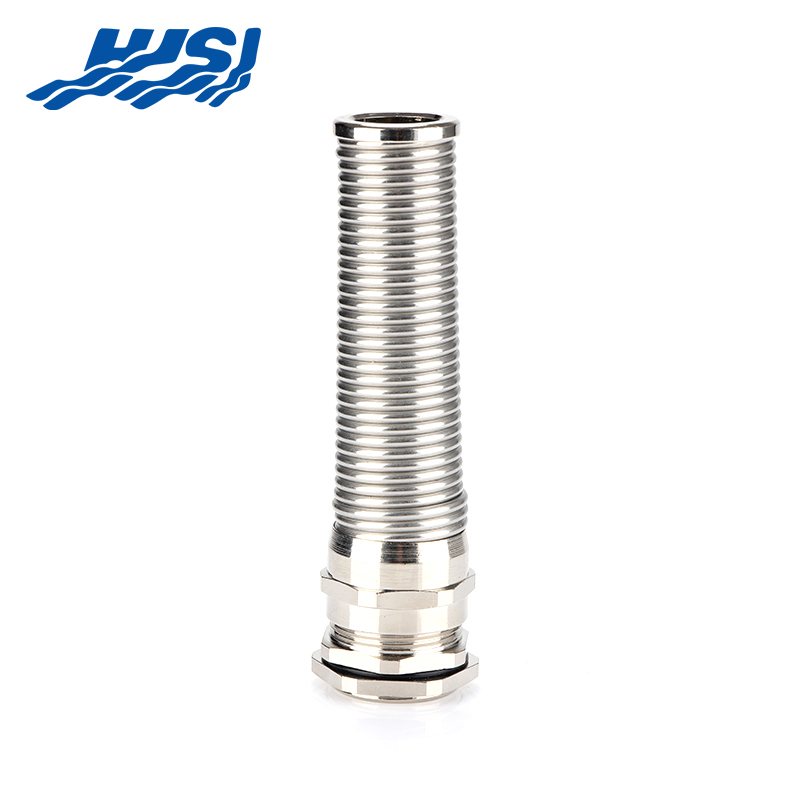
An Anti-bending Cable Gland exists to support that transition area specifically. Its job is guiding the cable away from the enclosure opening gently, rather than letting it bend sharply right at the entry point where the stress would otherwise concentrate hardest.
That produces a smoother connection between the fixed enclosure and whatever route the cable takes from there. The gland becomes a small but genuinely load-bearing part of the cable's overall path, not just a plug filling a hole.
Bend management matters across plenty of equipment layouts. A cable might need to turn almost immediately after entering an enclosure, or it might sit close enough to nearby machinery to pick up movement from equipment it isn't even connected to. Without decent support at that transition, repeated bending places ongoing stress on both the cable and its connection point, wearing at it cycle after cycle until something eventually gives.
The gland doesn't replace good cable routing on its own — it works alongside it. The cable path still needs enough physical space and a sensible direction to travel in, while the gland handles the transition right at the enclosure wall itself. This becomes especially relevant when several cables enter the same housing at once, each with its own route or orientation, since a well-thought-out entry arrangement makes those separate routes far easier to manage and cuts down on unnecessary strain building up around every opening.
Not every cable and enclosure pairing shares the same form factor. Equipment manufacturers work with different entry arrangements from one product line to the next, and cable sizes along with connection openings can vary considerably between applications that otherwise look similar on paper.
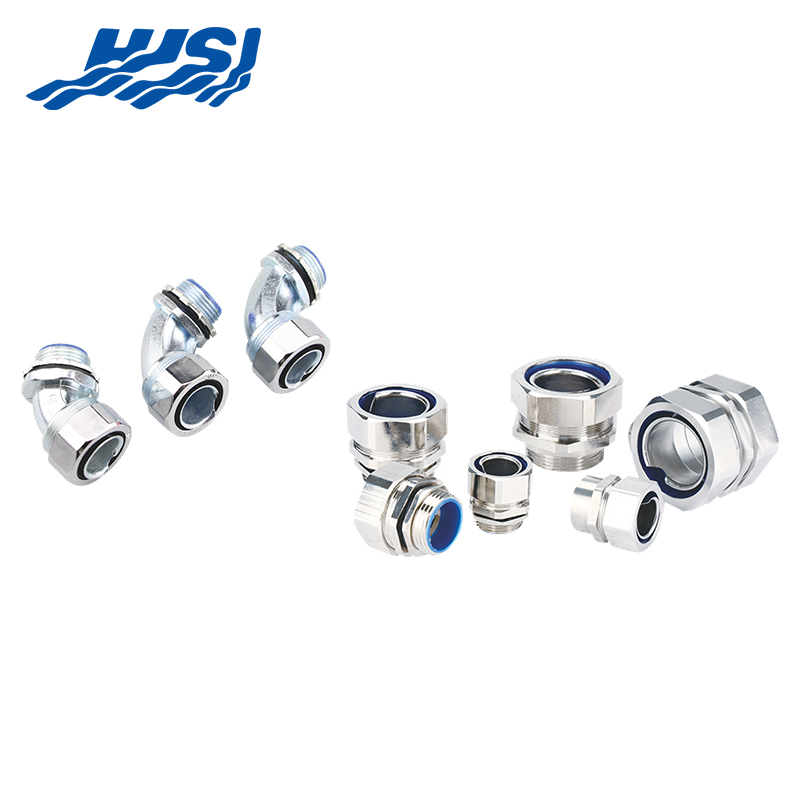
A Cable Gland Reducer and Adaptor bridges exactly this kind of mismatch, making the connection between the cable entry component and the enclosure interface actually practical to assemble rather than something that fights the installer at every step. This matters because interface compatibility touches the whole cable entry arrangement — a gland can offer perfectly good cable support and still be useless if the connection doesn't match the enclosure opening it's supposed to fit into.
Reducers and adaptors work best understood as transition components, connecting parts that were never designed around exactly the same interface to begin with. The concept sounds simple, but it ripples outward into the wider enclosure design — a properly matched interface makes cable routing easier to organize and helps maintain a more controlled, predictable entry point overall.
| Interface situation | Role of an adaptor or reducer |
|---|---|
| Different connection forms | Helps bridge the interface |
| Different entry arrangements | Supports practical assembly |
| Limited enclosure options | Provides another connection route |
| Changes in cable entry design | Helps connect compatible components |
| Multi-part enclosure layouts | Supports coordination between parts |
None of this means an adaptor solves every compatibility problem on its own. The surrounding enclosure design still counts for a lot, and the component needs to work alongside the enclosure structure, the cable entry arrangement, and whatever other protection elements are already in place. Planned together with an Anti-bending Cable Gland, the adaptor supports a genuinely organized cable path running from the enclosure wall all the way into the equipment space inside.
An enclosure is rarely a completely static space, even when it looks perfectly sealed from the outside. Changes in the surrounding environment reach the air trapped inside it, and as internal and external conditions shift relative to each other, the pressure relationship between the two spaces shifts right along with them.
A Breathable Valve provides a dedicated path for that air movement while still preserving the enclosure's protective function against dust, water, and other contaminants. It lets the ventilation process run through one specific, purpose-built component rather than depending on whatever accidental gaps happen to exist around cable entries or seams.
This matters a great deal for enclosed electrical and electronic equipment, where internal components genuinely need protection from the surrounding environment while the enclosure still needs some way to respond to pressure building up inside it. The valve's purpose is distinct from a cable gland's — one manages a cable opening, the other manages air movement through its own dedicated ventilation point, and confusing the two tends to create problems for both.
Keeping these functions separate produces a more predictable enclosure layout overall. Cable entry points stay focused purely on cable protection, while ventilation points get placed according to whatever the enclosure actually needs, rather than tacked on wherever there happened to be spare room. The result is a coordinated approach where the housing accommodates cables and responds to internal air changes without treating every single opening as though it serves the same purpose.
Cable glands and breathable valves serve different functions, but they still share the same enclosure environment, and a change around one part of the housing can influence how the whole thing behaves. Cable entry points need careful arrangement — a poorly planned opening can make cable routing awkward or create unnecessary paths straight through the enclosure wall that nobody intended. Ventilation points deserve the same level of consideration as part of the overall structure, rather than getting added wherever convenient without regard for what else sits nearby.
This relationship matters especially in compact equipment, where internal space runs tight and cable routes, entry points, ventilation areas, and electrical components all end up crowded close together. A well-organized layout separates these functions while still letting them work in concert — cables enter through protected glands, bend support sits near the entry where it's actually needed, and the Breathable Valve occupies its own dedicated position as a ventilation element rather than competing for the same real estate.
This kind of organization simplifies maintenance too. When the purpose of each opening is obvious at a glance, a technician can tell at a look which part manages cable entry and which part handles enclosure ventilation, instead of guessing or tracing wires back to figure it out. The enclosure becomes far easier to read as one complete protection system rather than a jumble of holes that all look roughly the same.
Equipment protection starts with the enclosure itself, but that protection only really holds up if the openings in it get proper consideration rather than an afterthought treatment. A cable entry is one of the spots where the outside environment connects most directly with the internal equipment space, and the cable gland organizes that transition. Bend protection adds support right where the cable needs to change direction near the wall, catching the stress before it builds into a real problem.
The adaptor or reducer keeps the connection between the entry component and the enclosure interface practical, cutting down on the need to treat every single enclosure opening as its own isolated design puzzle. The Breathable Valve addresses a separate path between the internal and external environment entirely, giving the enclosure a dedicated ventilation component instead of leaning on an uncontrolled gap somewhere to handle air movement by accident.
Together, cable entry control gives the cable gland a structured path for cables coming into the enclosure. Bend management, handled by the Anti-bending Cable Gland, guides cables near the entry and supports a smoother transition through that stress point. Interface adaptation, handled by the Cable Gland Reducer and Adaptor, connects mismatched enclosure and cable entry interfaces without forcing a redesign. Air movement management, handled by the Breathable Valve, provides its own dedicated route for enclosure ventilation. Equipment protection ties all of these functions together as part of the enclosure's broader protection strategy. No single part carries all of these jobs on its own — the real protection comes from how well the functions get coordinated across the whole design.
Manufacturers tend to get better results by thinking through cable entry and ventilation early in the design process, since waiting until an enclosure is nearly finished makes it much harder to rearrange cable routes or find sensible spots for ventilation later on.
The internal arrangement is a sensible starting point — understanding where cables actually enter, where they need to travel from there, and where movement is likely to occur helps pin down where bend support genuinely earns its place. The enclosure interface deserves its own review too, and if the cable entry and housing use different connection arrangements, an adaptor or reducer becomes a natural part of the planned assembly rather than an emergency fix bolted on after the fact.
Ventilation raises its own separate design question entirely. The Breathable Valve needs treatment as an intentional enclosure opening with a purpose of its own, positioned in a way that makes sense within the surrounding housing structure and internal layout rather than squeezed in wherever space happens to remain. A practical design review works through where cables actually enter the enclosure, how they change direction once inside, whether additional bend support is genuinely needed, whether the cable entry matches the enclosure interface, whether an adaptor or reducer would simplify the connection, where the enclosure needs controlled air movement, whether the ventilation point can stay separate from cable entry areas, and how all of these components will interact with the equipment sitting nearby. Working through questions like these moves the conversation away from isolated component choices and toward the complete path connecting the cable, the enclosure, the air space, and the internal equipment.
Good system design needs to carry through into actual manufacturing, since even well-chosen components can underperform if the assembly work around them is sloppy. The cable gland needs correct positioning within the enclosure opening, and the cable needs a sensible route once it's inside the housing — if an Anti-bending Cable Gland is part of the build, its orientation should support the intended cable path rather than fight against it from day one.
Adaptors and reducers need the same level of attention during assembly, since their whole purpose is connecting interfaces, and sloppy assembly can undo that careful matching before the enclosure ever leaves the factory. The Breathable Valve needs its own dedicated installation area too — it should never get treated as a convenient extra cable opening, since its function relates purely to air movement and its position needs to fit the enclosure's actual ventilation plan.
Manufacturing teams benefit from reviewing the enclosure after assembly is complete, since visual inspection tends to catch cable routes that are too crowded, bends that look poorly supported, or ventilation components sitting somewhere that never quite made sense.
| Production stage | Main focus |
|---|---|
| Enclosure preparation | Confirm opening locations and component arrangement |
| Cable entry assembly | Install and organize cable entry components |
| Bend management | Check cable direction near entry points |
| Interface assembly | Fit reducers or adaptors where needed |
| Ventilation assembly | Install the Breathable Valve as a dedicated enclosure opening |
| Final inspection | Review the relationship between cables, openings, and internal equipment |
Working through a process like this turns individual components into a genuinely coordinated enclosure solution rather than a pile of parts assembled without a plan, and it gives manufacturers a practical way to check how cable entry and ventilation actually interact under real assembly conditions rather than just on paper.
For equipment makers, the connection between these parts shapes more than installation convenience alone. It shapes how the enclosure handles its cables, manages internal air movement over the life of the product, and protects whatever equipment lives inside it day after day. The Anti-bending Cable Gland, the Cable Gland Reducer and Adaptor, and the Breathable Valve each cover a different piece of that relationship, together forming one connected design path running from cable entry all the way through to enclosure ventilation.

2nd Floor, Building 2, No. 188, Punan 3rd Road, Economic Development Zone, Yueqing City, Wenzhou City, Zhejiang Province, China

Copyright @ Zhejiang HJSI Connector Co., Ltd. All rights reserved.

China Waterproof Breathable Valve Manufacturer
 +86-15858552966
+86-13356176555
+86-15858552966
+86-13356176555
 English
 русский
 عربى
عربى