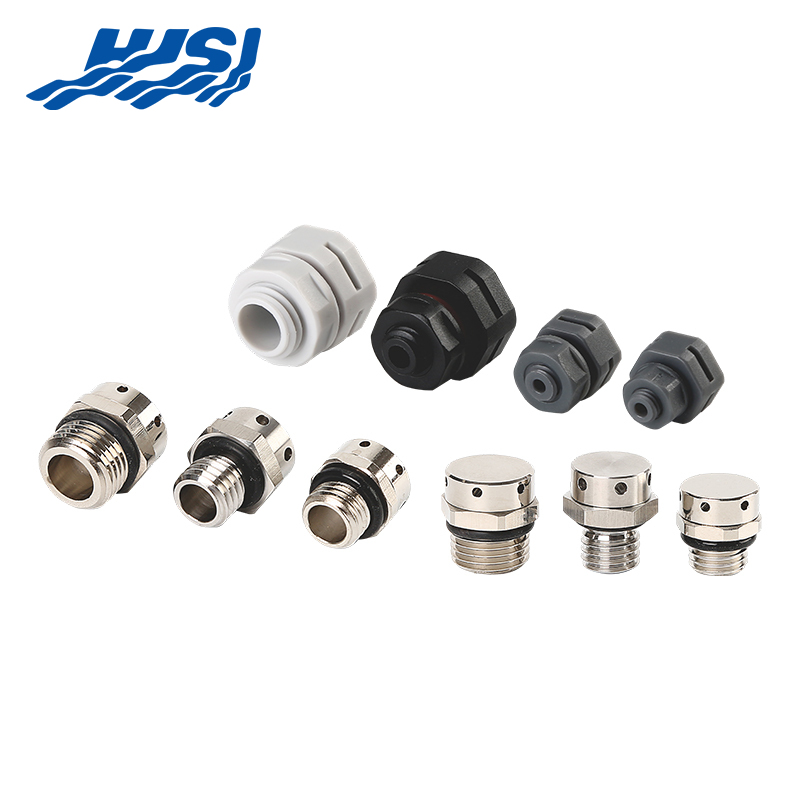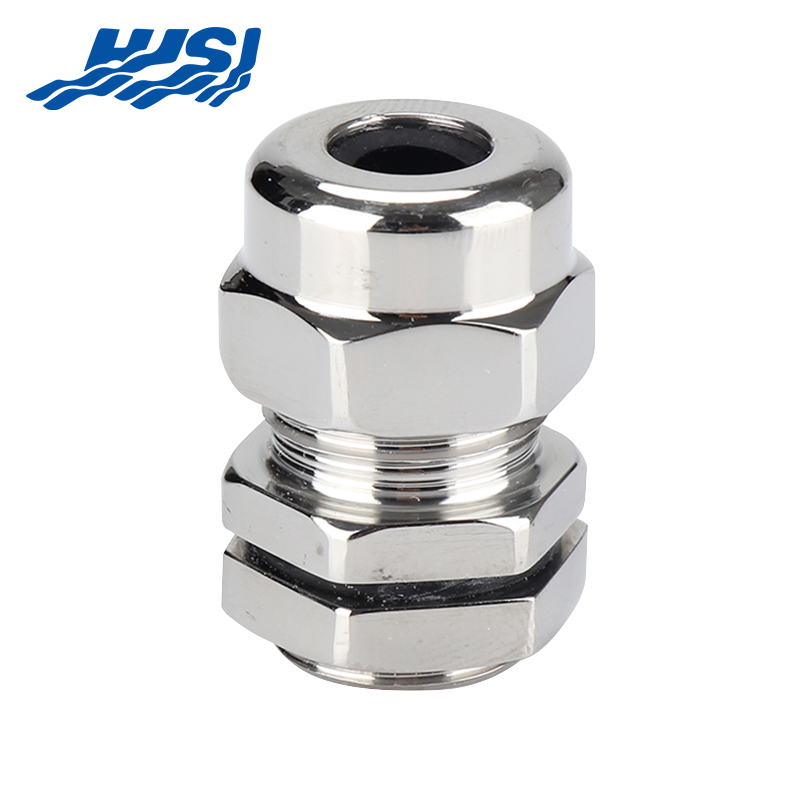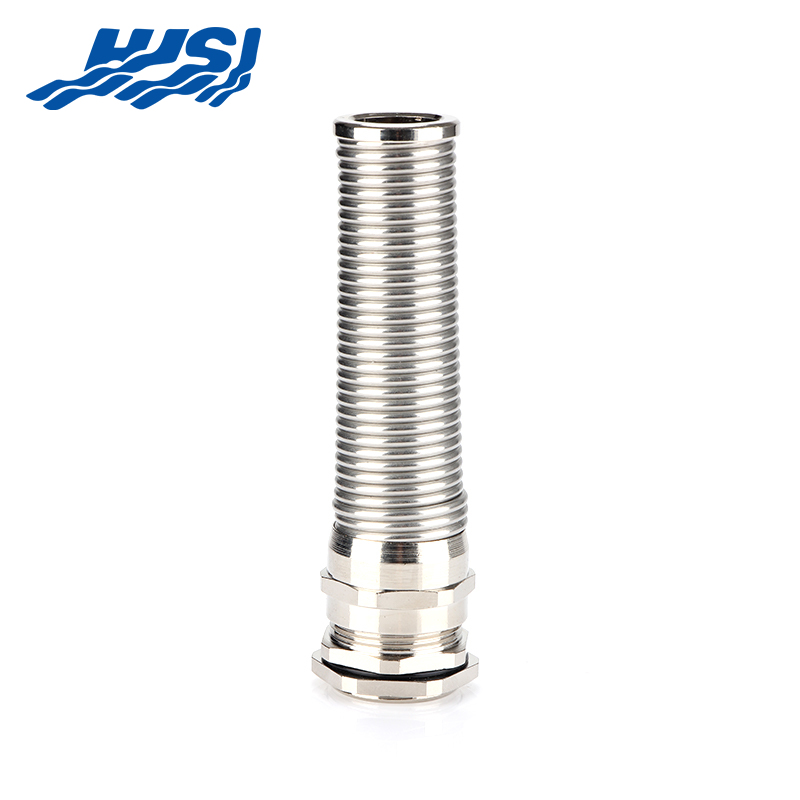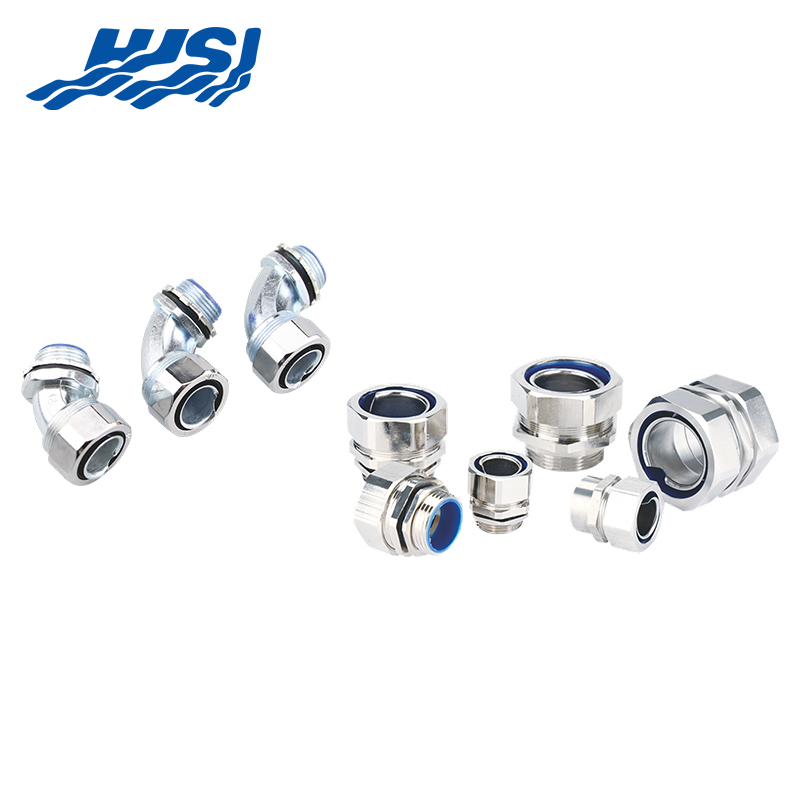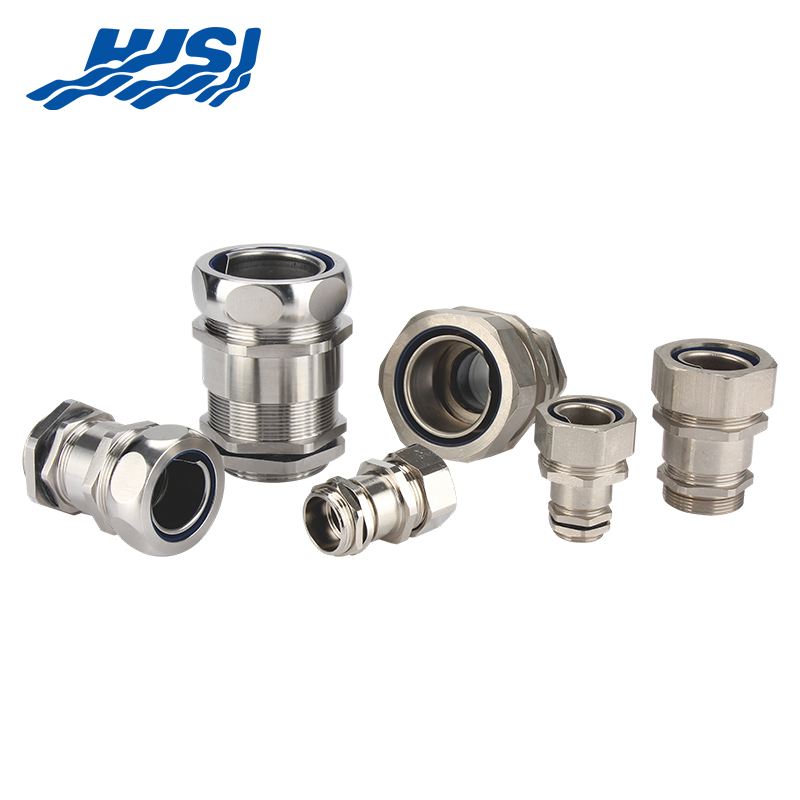
A cable gland can fit the cable and still be the wrong choice for the installation. The thread may not match the equipment entry, the sealing range may not suit the cable diameter, or the gland design may not support the cable construction. These details matter when selecting a connector cable gland for industrial equipment, control panels, and electrical enclosures.
For purchasing teams, distributors, and equipment manufacturers, the selection process starts with a few practical questions. What type of cable will be used? How large is its outer diameter? What thread is required at the entry point? Once these details are clear, it becomes easier to compare cable glands and avoid ordering parts that cannot be used as intended.
The cable itself provides the starting point for gland selection. Cable glands are designed for particular cable constructions and diameter ranges, so choosing a product based only on its general appearance or nominal size can cause problems during installation.
A connector cable gland must accommodate the actual outer diameter of the cable. If the cable is too small for the gland's sealing range, the seal may not compress as intended. If the cable is too large, it may be difficult to pass through the gland or secure it correctly.
Check the cable manufacturer's specifications or measure the cable before requesting a quotation. Where cables have different outer diameters despite sharing the same nominal designation, use the actual dimensions to guide product selection.
For purchasing departments handling several cable types, it is useful to record the diameter range for each application. This makes it easier to compare available gland models and reduces the risk of ordering a product that does not fit the cable supplied to the installation team.
Cable construction also affects the type of gland required. An unarmoured cable generally needs a gland suitable for its outer sheath and the intended sealing arrangement. An armoured cable may require additional components to secure the armour, depending on the cable design and installation requirements.
For example, steel wire armoured (SWA) and aluminium wire armoured (AWA) cables may require different considerations. The correct gland depends on the cable construction, the equipment entry, and the applicable installation requirements. Do not assume that a gland designed for an unarmoured cable will provide the required connection for an armoured cable.
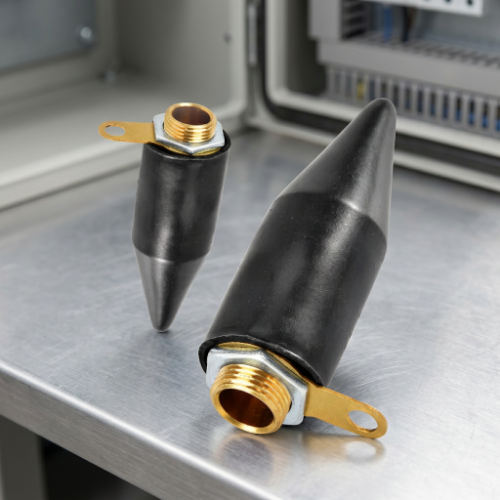
After identifying the cable, check the entry thread on the enclosure or equipment. A gland may accommodate the cable diameter but still be unsuitable if its mounting thread does not match the entry point.
Metric, British Standard Pipe (BSP), and National Pipe Thread (NPT) are different thread systems. Their dimensions and thread forms are not the same, so they should not be treated as interchangeable simply because they appear similar.
Metric threads are commonly identified by an M designation, while BSP and NPT threads follow their respective pipe-thread standards. When reviewing drawings, product labels, or equipment documentation, confirm the complete thread designation rather than relying on a general size description.
This is particularly important for overseas procurement. A supplier and buyer may use different thread conventions in their usual markets. Confirming the required standard before ordering helps avoid delays caused by incompatible mounting threads.
Two threaded components can look similar while having different thread profiles or specifications. Visual inspection may help identify a possible match, but it is not a reliable substitute for checking the equipment drawing, existing component information, or manufacturer's documentation.
If the thread type is unclear, provide the supplier with the available equipment details and request confirmation before placing the order. Where necessary, have the thread identified by a qualified person using suitable measuring tools.
Cable diameter and entry thread need to be considered together. Selecting a gland based on only one of these details can lead to a product that fits the cable but cannot be mounted correctly, or one that fits the entry but does not suit the cable.
When comparing a connector cable gland, review the following information:
| Selection Detail | What to Check |
|---|---|
| Cable diameter | Confirm that the actual outer diameter falls within the gland's specified cable range. |
| Cable construction | Identify whether the cable is armoured or unarmoured and check the required gland design. |
| Thread type | Confirm whether the equipment entry uses a metric, BSP, NPT, or another specified thread standard. |
| Thread size | Match the gland's mounting thread to the equipment entry specification. |
| Material | Consider the installation environment, corrosion exposure, and equipment requirements. |
| Sealing arrangement | Check the intended protection requirements and the manufacturer's stated application. |
| Included components | Confirm which parts are supplied with the gland kit and whether additional accessories are needed. |
If the available gland thread differs from the equipment entry, do not force the components together. This may damage the threads and affect the mounting connection.
Depending on the equipment design and installation requirements, a suitable adapter or another gland configuration may be an option. However, compatibility should be confirmed before using an adapter. The solution must maintain the required mechanical connection and sealing arrangement for the application.
Material selection is another part of matching a cable gland to its application. Brass cable glands are used in various industrial installations, while stainless steel options may be specified for environments with particular corrosion or material requirements. Other materials may also be suitable, depending on the product design and operating conditions.
Think about where the gland will be installed. An indoor control cabinet may have different environmental demands from equipment exposed to moisture, dust, cleaning processes, or outdoor conditions.
Material alone does not determine whether a cable gland is suitable. The seal material, enclosure entry, cable sheath, and complete gland assembly also affect performance. Check the manufacturer's documentation for the intended operating environment and stated protection capabilities.
For distributors and wholesale buyers, it can be useful to group product requirements by application. This helps separate standard industrial requirements from projects that call for a particular material or environmental specification.
A cable gland is not simply a threaded fitting. Depending on its design, it may provide cable retention, sealing, and other functions required by the installation. The exact functions vary by model, so the product description and technical documentation should guide the final decision.
Some installations require protection against dust or water, while others operate in relatively controlled indoor environments. The required protection level should be established before selecting a product.
Review the stated protection rating and the conditions under which it applies. Installation method, enclosure design, cable diameter, and correct assembly can all influence the result. A rating should not be assumed to apply to every installation condition unless the manufacturer's documentation supports that use.
For armoured cables, check how the gland is designed to accommodate the armour and whether the installation requires a particular earthing or bonding arrangement. These details depend on the cable type, equipment, and applicable electrical requirements.
A cable gland kit may include several components intended to work together. Before purchasing, review the parts list and confirm that the kit suits the cable construction and installation method. If the project has specific electrical or safety requirements, consult the relevant technical documentation and a qualified installer.
A clear enquiry helps a supplier identify a suitable connector cable gland without repeated requests for missing information. Rather than asking for a gland based only on a general cable description, include the details that affect compatibility.
For a quotation or product recommendation, prepare the following information:
If drawings or product labels are available, include them with the enquiry. A photograph may help provide context, but it should not replace dimensional information or thread specifications where these are needed to confirm compatibility.
When comparing quotations from different suppliers, make sure each product is being assessed against the same requirements. A difference in price may reflect variations in material, included components, thread specification, or application suitability.
For wholesale orders, confirm whether the quoted item is a complete gland kit or a gland supplied without certain accessories. Clear product descriptions also make repeat purchasing easier, especially when a project uses several cable sizes or entry thread types.
Several avoidable mistakes can complicate cable gland selection:
These issues can often be addressed during the purchasing stage. Recording cable and thread details in the project specification gives buyers, suppliers, and installers a common reference.
Some cable glands are designed to accommodate a defined range of cable diameters. Whether one model can be used for different cables depends on its specified sealing range and construction. Check the manufacturer's documentation for each cable rather than assuming that cables with similar nominal sizes will fit.
No. Metric and NPT threads use different specifications. A component that appears close in size may not form the intended connection. Confirm the thread standard and size before selecting the gland or any adapter.
Provide the cable type, outer diameter, thread standard and size, material preference, installation environment, and any required sealing or armour-related functions. Drawings and equipment specifications can help the supplier assess the application.
It is better to coordinate the cable and gland specifications before purchasing either item. If the cable has already been selected, use its actual dimensions and construction to identify a compatible gland. If both are still under consideration, review the requirements together to avoid mismatches during installation.
Matching a connector cable gland to cable size and thread type comes down to checking compatibility across the complete connection. Cable diameter, cable construction, entry thread, material, sealing requirements, and included components all influence the choice.
For manufacturers, distributors, and purchasing teams, a clear specification makes product comparisons more straightforward and helps reduce ordering errors. When any detail remains uncertain, confirm it with the supplier or equipment manufacturer before installation. This practical approach helps ensure that the selected cable gland is appropriate for the intended application.

2nd Floor, Building 2, No. 188, Punan 3rd Road, Economic Development Zone, Yueqing City, Wenzhou City, Zhejiang Province, China

Copyright @ Zhejiang HJSI Connector Co., Ltd. All rights reserved.

China Waterproof Breathable Valve Manufacturer
 +86-15858552966
+86-13356176555
 English
 русский
 عربى