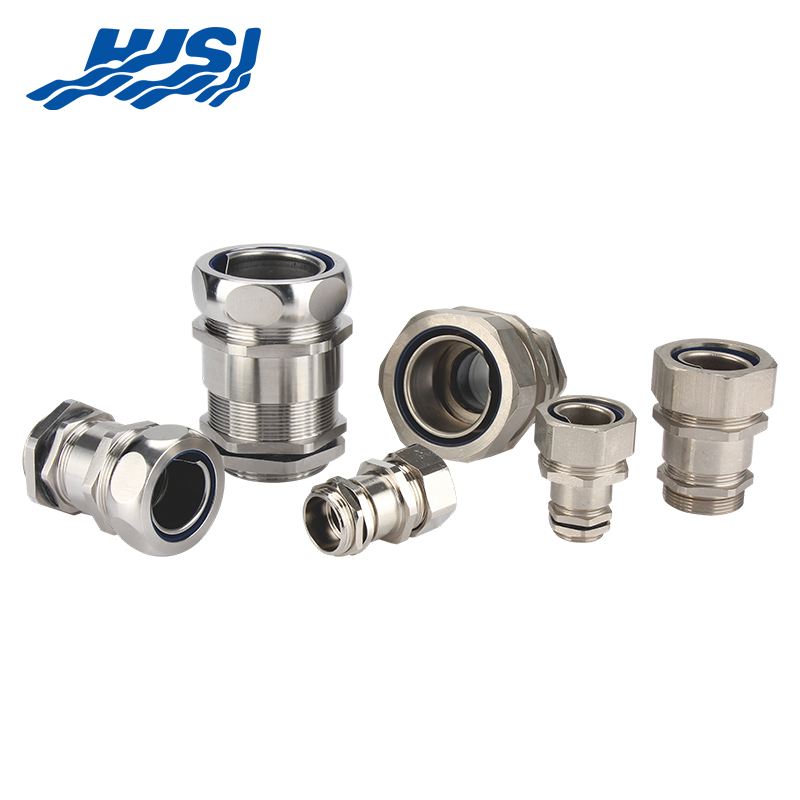
Choosing a cable gland kit may seem like a small part of an industrial project, but the wrong choice can cause problems during installation. The cable may not fit the gland properly, the thread may not match the equipment entry, or important components may be missing from the kit. These issues can delay work and create additional purchasing costs.
For industrial buyers, selecting a suitable cable gland kit means looking beyond the product price. Cable construction, gland material, connection threads, installation conditions, and included accessories all need to be considered. Understanding these details can help purchasing teams find a product that suits the application and installation requirements.
The cable should be the starting point when selecting a cable gland kit. Different cables have different construction and installation requirements, so a gland designed for one cable type may not be suitable for another.
Before requesting a quotation, confirm the cable type and its dimensions. For armoured cables, check the cable's outer diameter and armour construction. The gland must be compatible with the cable and provide the appropriate arrangement for securing the armour where required.
It is also worth checking the cable specification with the installation team. A purchasing description may identify a cable as armoured, but the actual construction can vary between projects. Confirming the details early helps reduce the risk of ordering an incompatible product.
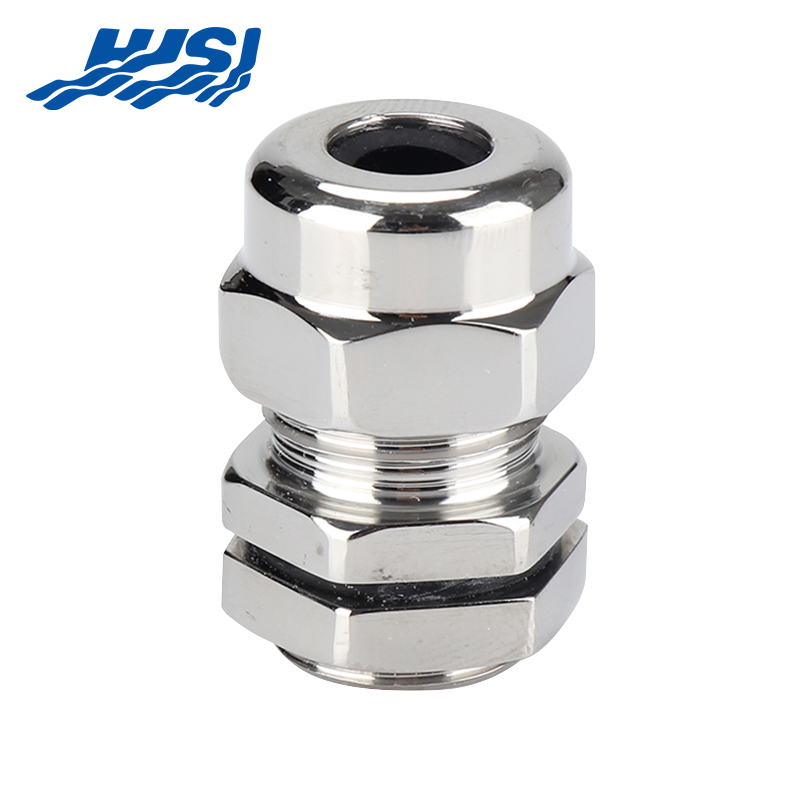
Brass cable glands are commonly used in industrial electrical installations. Brass offers useful mechanical properties and is suitable for many applications where a durable metal cable entry component is required.
However, material selection should reflect the working environment rather than purchasing preference alone. Consider whether the equipment will be installed indoors or outdoors, whether moisture or corrosive substances may be present, and what material requirements are stated in the project specification.
Brass cable glands are one option to consider, while stainless steel and other materials may be appropriate for different operating conditions. Buyers should check the manufacturer's material information and confirm that the selected product matches the intended environment.
A cable gland kit may contain several components needed for installation. The exact contents depend on the product design, cable type, and application. Checking the supplied parts before ordering can help prevent installation delays.
When reviewing a kit, buyers should confirm the following details:
Do not assume that every cable gland kit contains the same accessories. Compare the supplier's product description with the project's bill of materials and installation requirements. If a particular component is essential, ask the supplier to confirm whether it is included.
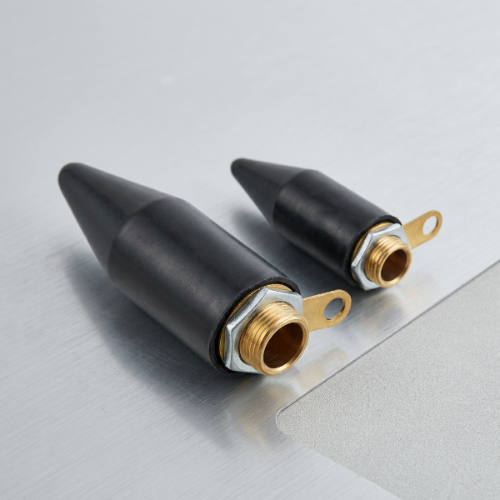
Thread compatibility is another important point when choosing a cable gland kit. The gland thread must match the entry provided on the electrical enclosure or equipment, taking account of the specified thread type and size.
Industrial projects may use different thread standards, so a gland that looks suitable may not fit the intended entry. Buyers should verify the thread specification rather than relying on appearance or a general product description.
It is also useful to confirm the entry arrangement with the equipment manufacturer or installation team. Where an adapter or additional accessory may be required, identify it before placing the order. This helps avoid unnecessary changes during installation.
The location where a cable gland will be installed affects the selection process. An indoor control cabinet and an outdoor electrical installation may have different requirements for sealing, material compatibility, and environmental protection.
Consider the potential exposure to dust, water, temperature changes, vibration, and chemicals. Check the product documentation to determine whether the gland is suitable for the intended conditions. Any required ingress protection rating or other project-specific requirement should be verified against the manufacturer's stated specifications.
Safety requirements also need attention. A cable gland intended for an ordinary industrial environment should not automatically be treated as suitable for a hazardous area. If the installation is in a potentially explosive atmosphere, confirm the applicable certification and approval requirements for the exact product and application.
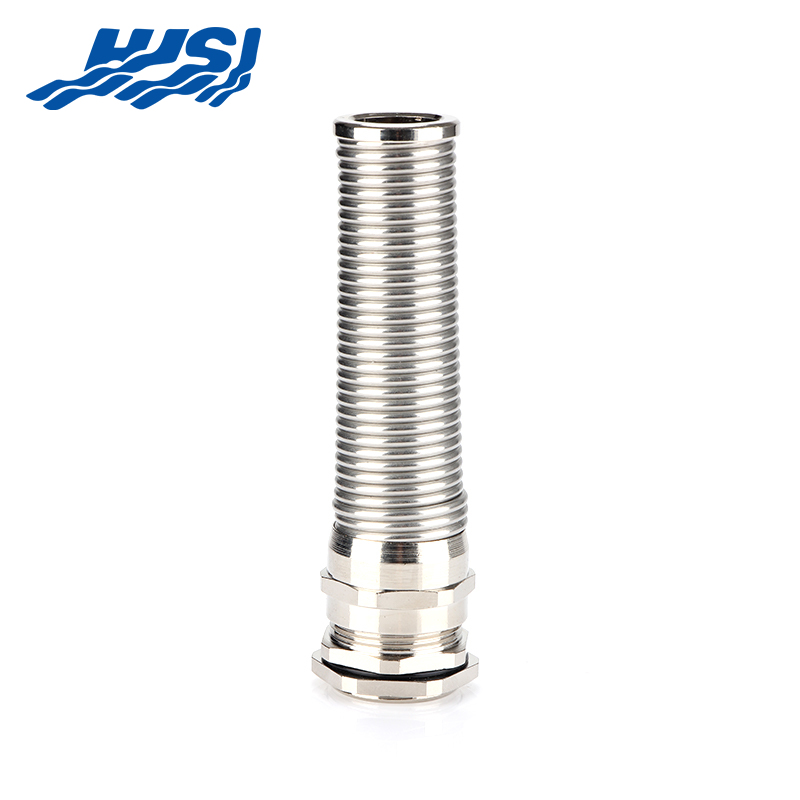
When working with armoured cables, the gland must be compatible with the cable's armour construction. The clamping arrangement is important because the gland may need to secure the armour as part of the installation design.
Different armoured cable types can require different gland designs. For example, the armour construction and cable dimensions should be checked before selecting a gland for steel wire armoured or aluminium wire armoured cable.
Buyers should review the manufacturer's product information to confirm the supported cable type and installation method. The gland must be selected and installed according to its instructions and the applicable electrical installation requirements.
Price matters when purchasing cable gland kits in bulk, but comparing quotations only by unit cost can leave important differences unnoticed. Products may vary in material, compatible cable range, thread specification, supplied accessories, documentation, and suitability for the installation environment.
Before making a purchasing decision, compare the same requirements across suppliers. Ask for clear product descriptions and technical documentation when the information is not available on the product page.
For distributors and wholesalers, consistency of supply and clear product identification may also matter. Confirm packaging details, order quantities, delivery arrangements, and whether the supplier can support repeat orders for the same product specification.
A CW industrial cable gland kit may be considered for suitable armoured cable installations in non-explosive atmospheres. Before selecting this type of product, buyers should confirm that the cable construction, gland size, thread, and installation conditions match the project requirements.
Review the product details for the specific model rather than assuming that every cable gland in the same product category has identical features. Material options, compatible cable dimensions, and included components should be checked against the manufacturer's information.
For procurement teams sourcing cable gland kits for industrial equipment, sharing the cable specification and equipment entry details with the supplier can make the selection process more straightforward. It also helps the supplier identify any information that needs to be confirmed before an order is placed.
A cable gland kit is used to provide a suitable cable entry connection for electrical equipment or enclosures. Depending on its design, it may support cable retention, sealing, and the connection of cable armour. The functions and supplied components vary by product type.
Brass cable glands may be suitable for certain outdoor applications, provided the specific product meets the environmental and installation requirements. Buyers should check the material specification, sealing arrangement, and stated protection rating before selecting a product.
Start by confirming the cable type, outer diameter, and armour construction. Then check the gland's compatible cable range, thread specification, clamping arrangement, and installation requirements. The selected product should match the manufacturer's instructions and the project's specifications.
Confirm the cable dimensions, thread type and size, material requirements, installation environment, kit contents, and any project-specific approvals. For bulk orders, it is also helpful to confirm packaging, availability, and delivery arrangements with the supplier.
Choosing a cable gland kit for industrial applications starts with understanding the cable and the equipment it needs to connect. Material, thread compatibility, kit contents, environmental conditions, and armour clamping requirements all influence whether a product is suitable for the job.
For purchasing teams, a clear product specification is often more useful than a broad product description. Confirming these details with the supplier before ordering can help reduce compatibility issues, simplify installation planning, and support more consistent purchasing decisions.

2nd Floor, Building 2, No. 188, Punan 3rd Road, Economic Development Zone, Yueqing City, Wenzhou City, Zhejiang Province, China

Copyright @ Zhejiang HJSI Connector Co., Ltd. All rights reserved.

China Waterproof Breathable Valve Manufacturer
 +86-15858552966
+86-13356176555
 English
 русский
 عربى