An electrical enclosure may look completely sealed from the outside, but the conditions inside can change throughout the day. A control box sitting in the sun heats up, then cools when the weather changes. Equipment that runs for several hours and shuts down overnight goes through a similar cycle. As the air inside warms and cools, its pressure changes too.
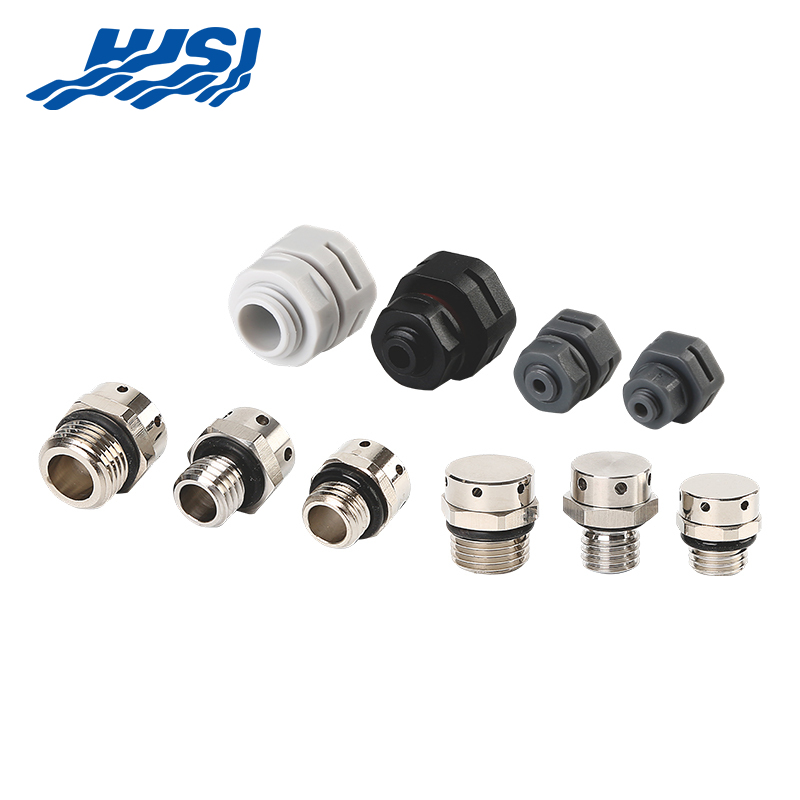
A Waterproof Breathable Valve gives this air a way to move in and out without leaving an ordinary opening in the housing. For manufacturers of outdoor electrical equipment, this can help reduce pressure differences that develop during normal operation. It is not a fix for every sealing or moisture problem, but it can be a useful part of enclosure design.
Whether a valve is needed depends on how the equipment works, where it is installed, and what the housing is expected to withstand. Looking at these details before production is often easier than trying to identify the cause of a leak after the equipment has been installed.
Temperature is a common reason.
Imagine a metal control box installed on an outdoor machine. When the sun heats the box, the air inside becomes warmer. Later, the temperature drops, and the air cools. Because the housing cannot expand freely, these changes can create a difference between the pressure inside and the pressure outside.
Electrical components can add to the problem. A housing may warm up while a system is running and cool down after it stops. If this happens regularly, the enclosure goes through repeated heating and cooling cycles.
The effect is not the same for every product. A small sensor housing, a large control cabinet, and a lighting unit have different internal volumes and operating conditions. Their venting requirements may therefore differ as well.
The housing itself may appear unchanged, but its sealing points can be affected.
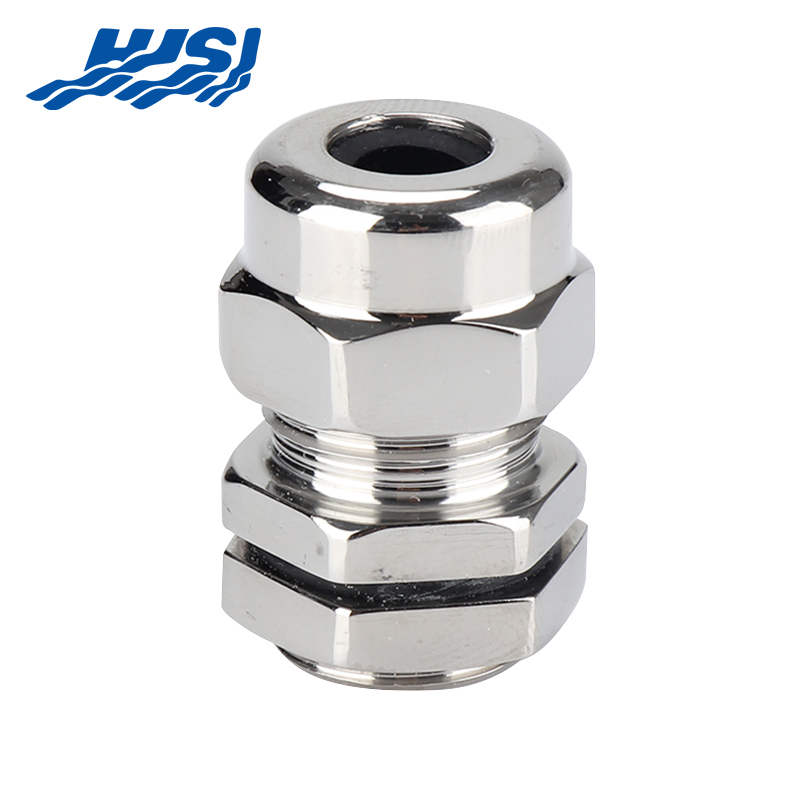
Gaskets, joints, and cable entry points all play a role in keeping water and dust out. Repeated pressure differences can place additional loads on these areas. If a connection is already poorly sealed, air may move through it as the internal pressure rises or falls.
This is one reason a housing can develop moisture problems even when there is no obvious crack or opening.
Not every enclosure needs a vent, of course. If the equipment operates in a stable environment and the housing is designed for its working conditions, additional venting may not be necessary. The decision should be based on the actual application.
A waterproof breathable valve provides a controlled route for air exchange. Many designs contain a microporous membrane that allows gas to pass through while resisting liquid water under specified conditions.
When pressure inside the housing rises above the surrounding pressure, air can move outward through the membrane. When the internal pressure drops, air can move inward. This exchange helps bring the two pressures closer together.
The valve does not force air through the housing, and it does not maintain an exact balance at every moment. The rate of air movement depends on the membrane, the pressure difference, and the design of the product.
That distinction matters when selecting a valve. A component that permits air exchange may still be unsuitable if it cannot support the venting needs of the finished equipment.
An open hole would allow air to move, but it could also give rainwater and contaminants a direct route into the equipment.
A breathable membrane is designed to address both concerns. It permits gas exchange while providing resistance to liquid water under its specified test conditions.
The membrane is only part of the system, however. Water can still enter around a poorly installed valve or through other weak points in the housing. Correct mounting and a well-designed sealing arrangement remain necessary.
Sometimes, yes. But it helps to understand where the moisture comes from.
When warm, humid air meets a cold surface, water vapor can turn into droplets. This is condensation, and it can occur inside a sealed housing even when rainwater has never entered.
Pressure differences may make the situation more complicated. As the air inside cools, the resulting pressure drop can encourage outside air to enter through gaps in the sealing system. If that air carries moisture, conditions inside the housing may become less favorable.
A breathable valve gives air a designated route through the enclosure boundary. Depending on the application, this may reduce pressure-driven air movement through unintended openings.
It does not dry the air or remove all water vapor. If the enclosure experiences high humidity or substantial temperature swings, condensation may still occur. Some designs need additional measures, such as moisture management or changes to the thermal arrangement.
For manufacturers, the important question is whether pressure equalization addresses the actual cause of the problem. If water is entering through a damaged cable gland, installing a vent will not correct that fault.
Product selection starts with the equipment, not the valve catalogue.
A manufacturer designing an outdoor control box may need to consider several things at once: how much heat the equipment generates, how quickly its temperature changes, how much space is available for mounting, and how the housing will be exposed to rain or dust.
The following points can help narrow down the options.
| What to Check | Why It Matters |
|---|---|
| Air permeability | Determines how readily air can pass through the membrane. |
| Housing volume | Helps establish the amount of air that may need to move. |
| Temperature cycle | Indicates how the internal conditions may change during operation. |
| Installation location | Affects exposure to water, dirt, and possible blockage. |
| Connection and mounting | Determines whether the valve can be fitted and sealed correctly. |
| Material compatibility | Helps avoid problems caused by the surrounding environment. |
| Test documentation | Shows the conditions under which the stated product performance was assessed. |
These points are connected. A valve may fit the mounting opening but still have airflow characteristics that do not meet the application's needs. Similarly, water resistance alone does not tell you how quickly pressure can equalize.
A valve should be assessed as part of the complete housing.
For example, the mounting surface must provide a proper seal. The vent should not be placed where standing water or nearby components can obstruct its breathable area. The housing's cable entries and gaskets also need to meet the intended protection requirements.
If the equipment must comply with a particular ingress protection rating, check the applicable test requirements. Do not assume that a rating stated for one component automatically applies to the entire assembled product.
For a new project, sharing the enclosure drawing, operating environment, and main technical requirements with the supplier can make the discussion more useful than simply asking for a general-purpose valve.
The answer depends on the design, but several applications commonly require consideration of pressure management.
The same principle applies to many other electrical products. What matters is whether the enclosure's operating conditions create a reason to manage pressure through a dedicated vent.
Choosing a suitable component is only part of the job. Installation can affect how well it performs.
One issue is obstruction. Paint, adhesive, dust, or other material covering the membrane can restrict air movement. The vent should remain exposed according to the manufacturer's installation instructions.
Another concern is the mounting interface. If the valve is not seated or sealed correctly, water may pass around the component. This can be mistaken for a failure of the membrane itself.
The surrounding structure also matters. A vent installed in a position that collects water or faces direct exposure to conditions outside its design limits may not perform as intended.
Before approving the finished assembly, manufacturers should check the installation method and verify the complete enclosure under the conditions relevant to its intended use.
No. The valve allows air exchange and helps reduce the difference between internal and external pressure. The result depends on the rate of air movement and how quickly the operating conditions change.
It is designed to resist liquid water under specified conditions, but the result depends on the product, installation, and exposure. The rest of the housing must also be properly sealed.
Not necessarily. Condensation depends on humidity and temperature as well as pressure. A vent may help with some pressure-related moisture risks, but it cannot guarantee a dry interior.
No. Some enclosures can operate without a separate venting component. The need depends on temperature variation, internal heat, sealing design, environmental exposure, and the equipment's requirements.
Useful details include the enclosure type, intended application, installation environment, mounting requirements, and any relevant protection or testing requirements. Drawings and photographs can also help clarify space limitations and connection details.
A waterproof breathable valve can help reduce pressure differences when air inside a sealed housing heats up or cools down. By providing a controlled route for air exchange, it may also reduce some of the pressure-related stress placed on seals and joints.
It is not a replacement for sound enclosure construction, and it does not solve every moisture issue. The housing, gasket, cable entries, membrane, and mounting arrangement all need to work together.
For manufacturers developing electrical and outdoor equipment, it makes sense to consider venting while the housing is still being designed. Reviewing the operating conditions and product requirements with a valve supplier can help establish whether a vent is needed and which characteristics deserve attention.
The aim is straightforward: choose a venting solution that fits the actual equipment, rather than adding a component and hoping it will solve a problem later.

2nd Floor, Building 2, No. 188, Punan 3rd Road, Economic Development Zone, Yueqing City, Wenzhou City, Zhejiang Province, China

Copyright @ Zhejiang HJSI Connector Co., Ltd. All rights reserved.

China Waterproof Breathable Valve Manufacturer
 +86-15858552966
+86-13356176555
+86-15858552966
+86-13356176555
 English
 русский
 عربى
عربى