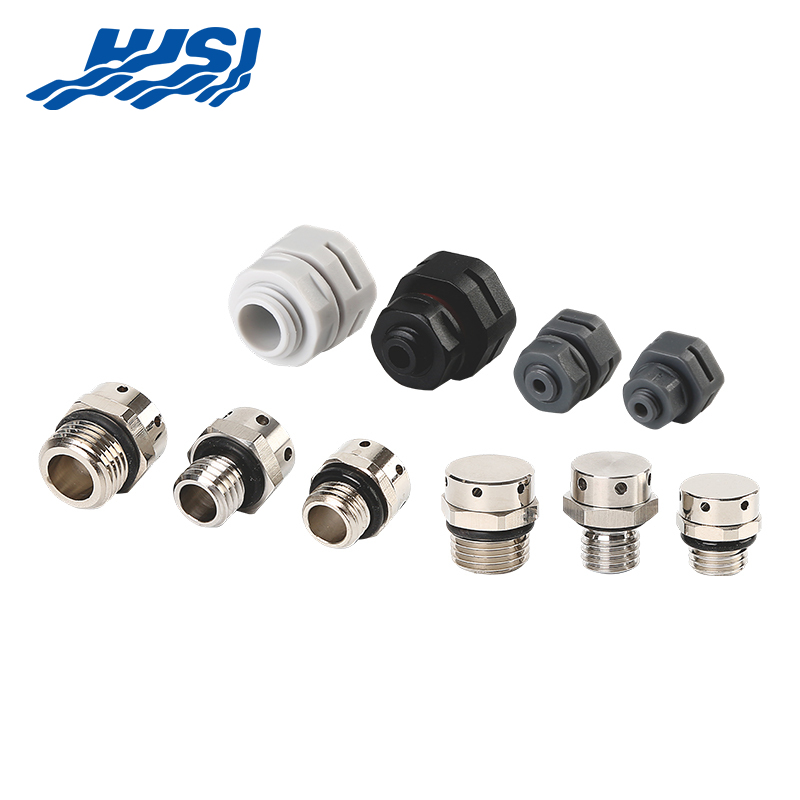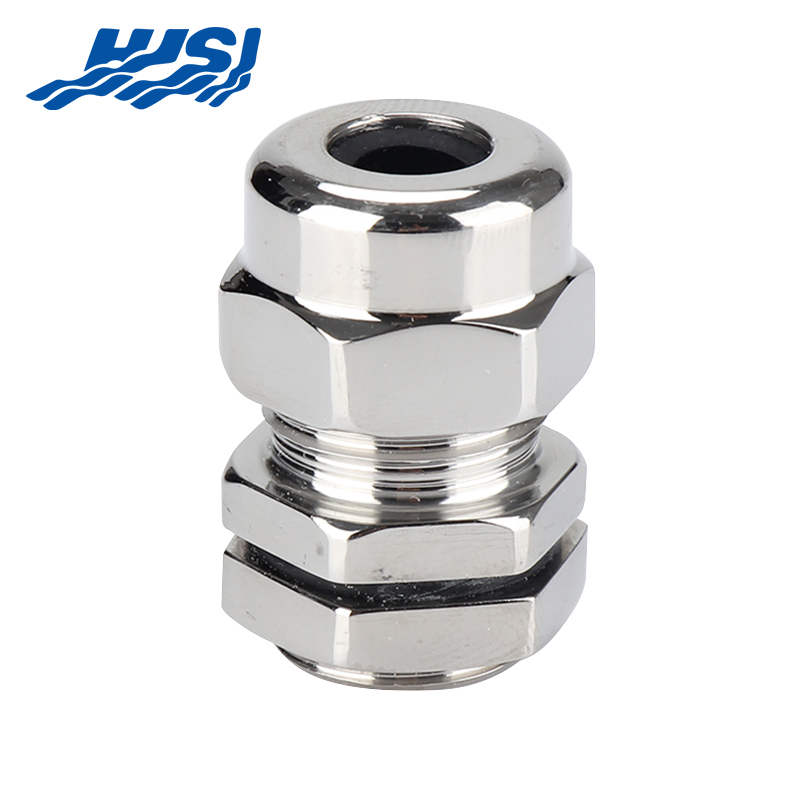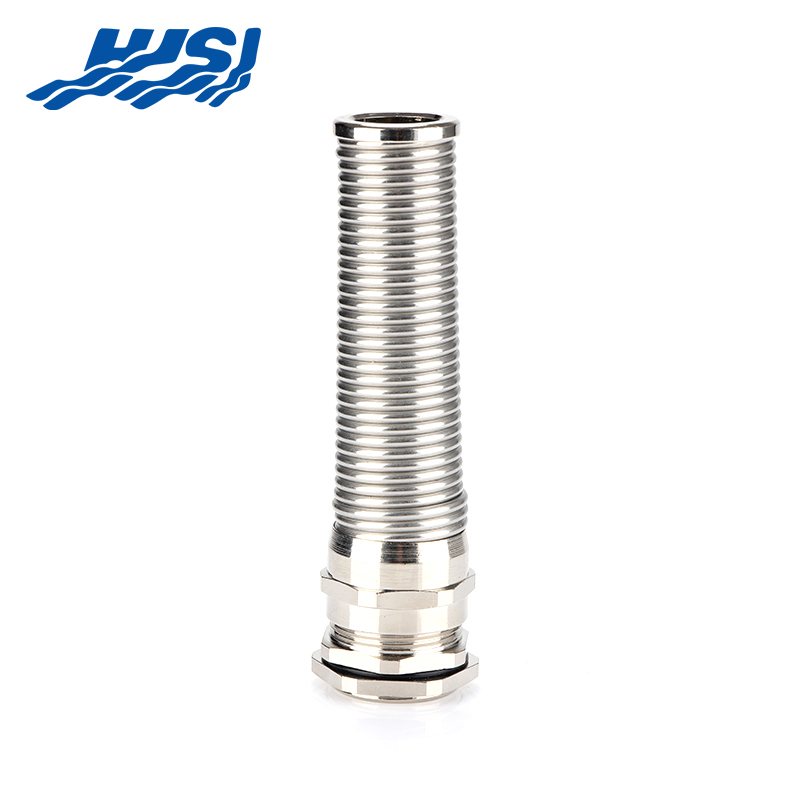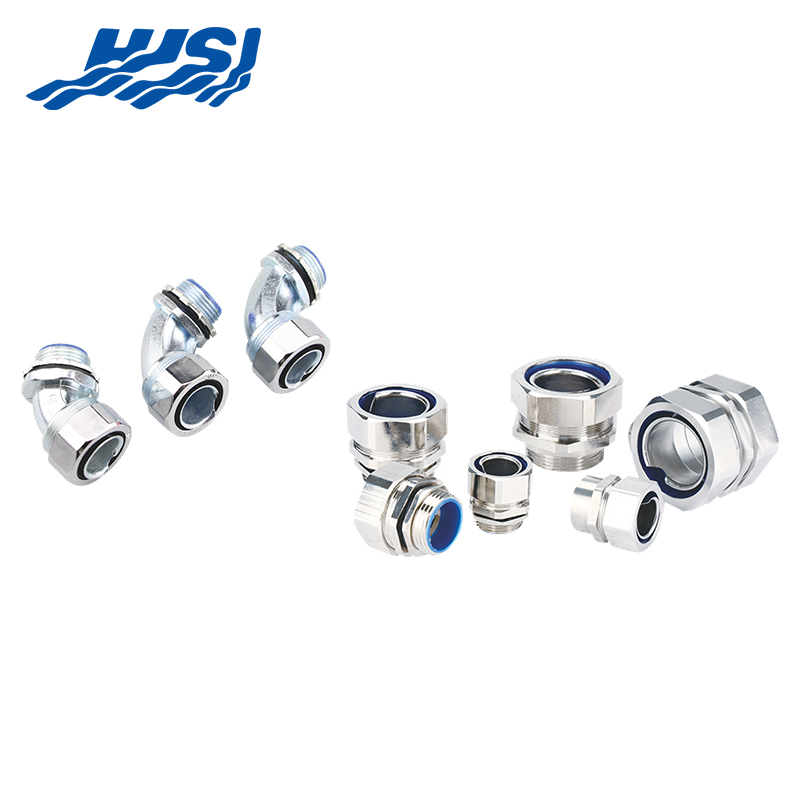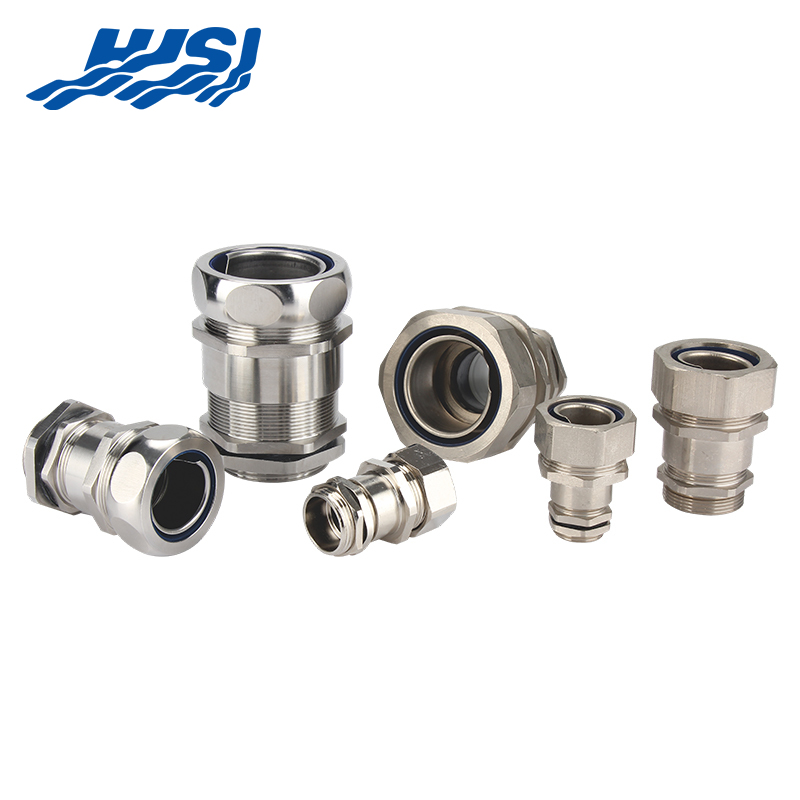
Waterproof Breathable Valve provide a practical approach to achieving pressure balance in enclosed systems, helping to prevent seal failure caused by pressure differentials. These small components create a controlled path for air exchange between the interior of an enclosure and the surrounding atmosphere, reducing the mechanical forces that repeated pressure changes place on gaskets, O-rings, and other sealing elements. In applications where equipment faces temperature variations, altitude shifts, internal heat buildup, or rapid environmental changes, vent valves maintain internal pressure close to external levels, preserving seal integrity and supporting longer service life.
Pressure differentials develop whenever air trapped inside a sealed space cannot adjust freely to changing conditions. Heating expands the air volume, exerting outward force against seals and housing walls; cooling contracts it, generating inward pull. Over many cycles, this constant push and pull fatigues sealing materials, leading to compression set, cracking, extrusion into gaps, or detachment from mating surfaces. Once seals lose their ability to maintain a tight barrier, moisture, dust, or corrosive agents can enter, causing corrosion, short circuits, contamination, or complete system failure. Vent valves address this issue at its source by permitting measured airflow that keeps pressure differences small and consistent, thereby limiting the cyclic loading on seals.
The basic operation of a vent valve relies on a permeable or movable element housed within a durable body. The body typically features threads, flanges, or snap-fit features for mounting into a drilled opening on the enclosure. The internal element—whether a microporous membrane, a flexible flap, a spring-loaded disc, or a sintered porous structure—allows gas to pass in response to pressure gradients while resisting the flow of liquids and larger particles. This selective behavior ensures that normal thermal or atmospheric fluctuations trigger gentle equalization, whereas sudden exposure to water or heavy dust does not compromise the system.
Temperature changes represent the leading source of pressure imbalance in most enclosed systems. Outdoor enclosures absorb solar radiation during daylight, warming internal air and causing expansion; nighttime cooling reverses the process. In regions with large daily swings, such as open plains or mountainous areas, differentials can reach several kilopascals over a few hours. Indoor enclosures near heat-generating components—such as motors, power supplies, or chemical reactions—experience similar effects on a shorter timescale.
Altitude variations affect mobile or airborne equipment. As a vehicle climbs a steep incline or an aircraft gains elevation, external atmospheric pressure drops, making the interior relatively over-pressurized. Descent creates the opposite condition. These changes occur quickly, giving seals little opportunity to recover before the next shift begins.
Internal heat sources add further complexity. Electronic circuits, LED arrays, small motors, or battery charging processes release warmth that expands trapped air. In confined spaces with limited natural convection, even moderate temperature rises generate noticeable pressure increases. Cooling phases, whether from shutdowns or ambient air, then produce contraction.
Humidity indirectly contributes. Warm, moist air inside an enclosure cools and condenses during temperature drops, reducing vapor volume and creating negative pressure. Subsequent heating evaporates the condensate, increasing pressure again. This vapor cycle amplifies differentials and can accelerate seal degradation through swelling or chemical interaction with moisture.
| Humidity-Related Process | Effect on Enclosure Pressure | Resulting Pressure Change | Impact on Seals & System |
|---|---|---|---|
| Warm, moist air cools during temperature drop | Vapor condenses into liquid, reducing gas volume | Negative pressure (vacuum) | Pulls on seals, risks creating gaps or voids |
| Condensate evaporates during subsequent heating | Liquid turns back to vapor, increasing gas volume | Positive pressure (expansion) | Pushes on seals, risks extrusion or deformation |
| Repeated vapor cycle | Alternating condensation and evaporation | Amplified pressure differentials | Accelerates seal fatigue, swelling, cracking, or chemical degradation from moisture exposure |
Vent valves prevent seal failure by keeping pressure differentials within a narrow, safe range—typically just a few millibars. When internal pressure exceeds external pressure, air flows outward through the valve until balance returns. When internal pressure falls below external, filtered external air enters. The flow remains gradual, avoiding rapid depressurization that could pull contaminants in or cause turbulence inside the enclosure.
By limiting the magnitude of each pressure cycle, vent valves reduce the amplitude of cyclic loading on seals. Sealing materials depend on consistent compression to fill microscopic irregularities between mating surfaces. Excessive outward pressure can force the material to extrude into gaps or cold-flow over time; excessive inward pull can create voids or lift the seal from its groove. Repeated high-amplitude cycles accelerate these forms of damage. Vent valves keep loading low and predictable, allowing seals to maintain their original shape and contact pressure for extended periods.
Vent valves also protect seals from secondary environmental effects. Without pressure balance, seals become the primary pathway for air exchange during heating and cooling. This forced breathing can draw in humid air or dust during contraction phases, exposing the sealing interface to moisture or particulates that promote swelling, cracking, or abrasion. By handling airflow through a dedicated, filtered path, vent valves keep the seal area dry and clean, preserving material properties and contact integrity.
Membrane-style vent valves rely on a thin, microporous film with billions of sub-micron channels. These channels permit gas diffusion in both directions while surface tension and hydrophobicity prevent liquid penetration. The membrane responds passively to even minor pressure differences, making it well suited to enclosures with frequent or unpredictable thermal cycling. Protective layers—such as coarse meshes or perforated covers—shield the membrane from mechanical damage or heavy particulate accumulation.
Flap or disc-style mechanical vent valves use a flexible element that deflects under pressure. Positive-pressure models lift outward to release excess air; negative-pressure models open inward to admit filtered air. These designs suit applications where pressure direction is predictable, such as enclosures that primarily heat during operation. Integrated filters or secondary membranes add protection against dust or splashing liquids.
Sintered porous vent plugs consist of fused metal, ceramic, or polymer particles that create a network of interconnected voids. Gas flows through the tortuous paths relatively easily, but liquid faces high capillary resistance and does not pass. Sintered plugs handle elevated temperatures, corrosive atmospheres, or high-pressure differentials better than some membrane types, making them appropriate for process equipment or harsh industrial settings.
Hybrid vent valves combine features—for instance, a membrane protected by a mechanical flap or a sintered plug with a hydrophobic coating—to provide rapid response, high dirt tolerance, and directional control. These configurations adapt to complex conditions where pressure direction, contaminant type, and environmental severity vary.
Vent valves work best when installed with attention to position and secure attachment, both of which directly influence how well they balance pressure and shield seals from unnecessary strain. Placing the valve on the lower portion of an enclosure wall or on a vertical side panel keeps it out of the direct path of falling rain, splashed water from nearby activity, or dust that settles from above. Top-surface mounting should only be considered when a small hood, overhang, or deflector shield covers the valve opening to deflect water and debris. In enclosures that contain heat-producing components—such as circuit boards, small motors, power supplies, or battery chargers—mounting the valve close to the warmest internal area encourages natural upward movement of heated air and vapor toward the vent, improving the removal of moisture before it condenses. When using more than one valve, a common and effective arrangement is to position one near the highest point inside the enclosure to let hot air and vapor escape and another near the lowest point to draw in cooler, filtered air from outside, setting up a gentle passive circulation that helps maintain even temperature distribution and steady pressure. Mounting itself demands careful execution to avoid creating weak spots. Threaded valves should be tightened with uniform torque to prevent warping the enclosure wall or leaving uneven gaps around the threads that could allow bypass leakage.
Always pair the valve with the correct sealing washer, O-ring, or thread compound designed for the enclosure material and the expected environment. Once mounted, test the installation by applying light positive pressure followed by light negative pressure—using a simple hand pump or similar tool—and watch for any signs of air escaping around the threads or sluggish response through the valve itself. Proper orientation and firm, even attachment make a noticeable difference in how long seals hold compression and resist environmental wear.
| Step / Recommendation | Key Action / Requirement | Purpose / Benefit |
|---|---|---|
| Pair with correct sealing elements | Use compatible sealing washer, O-ring, or thread compound matched to enclosure material and environment | Prevents leak paths around threads and ensures reliable seal |
| Apply even torque during mounting | Tighten threaded valves uniformly without over-torque | Avoids warping enclosure wall or creating uneven gaps |
| Perform post-installation pressure test | Apply light positive pressure, then light negative pressure using hand pump or similar tool | Verifies no air escapes around threads and valve responds normally |
| Observe test results | Check for air leakage at threads or sluggish valve flow | Confirms airtight installation and proper valve function |
| Ensure proper orientation & attachment | Mount firmly and evenly in correct position | Extends seal compression life and resistance to environmental wear |
Routine attention keeps vent valves performing reliably over time without demanding much effort. A quick visual inspection every few weeks or months reveals whether dust, pollen, dried road salt, bird droppings, or small insect remains have collected on the outer face. In most cases, a soft brush, a gentle rinse with plain water from a low-pressure hose, or a short burst of compressed air clears the surface and restores normal airflow without disturbing the internal element. In locations where airborne dust, sand, or salt spray is constant—such as near unpaved roads, coastal sites, or heavy industrial zones—plan to clean the valve more often to avoid gradual restriction of the breathing path. If airflow feels noticeably slower during normal operation or if the enclosure shows signs of pressure-related stress on seals, remove the valve for a closer look. Check the membrane or porous plug for particles lodged in the surface; a soft rinse or careful brushing usually resolves the issue. Replace the valve when repeated cleaning no longer returns full responsiveness, when the outer surface shows cracking or significant discoloration from prolonged sun exposure, or when the element loses its water-repelling quality and allows droplets to soak in rather than bead up. Steer clear of strong solvents, high-pressure jets, wire brushes, or abrasive pads that could damage protective coatings or push fine contaminants deeper into the structure. Keep spare valves stored in a cool, dry place away from direct sunlight so they remain ready for immediate use when needed.
Outdoor electronics cabinets that house traffic signal controllers, remote weather sensors, or surveillance cameras illustrate how vent valves protect seals in everyday exposed settings. These boxes endure full sun during the day followed by rapid cooling after sunset, plus occasional heavy rain or wind-driven dust. A valve mounted on a side panel keeps internal pressure steady, so door gaskets and cable entry glands stay seated properly and resist fatigue that would otherwise open tiny paths for water to seep in during storms. Vehicle battery compartments and electronic control modules face similar challenges but with added motion and vibration. Charging generates heat that expands air inside the tray or box; driving up hills or flying at altitude drops external pressure; cooling occurs during rest periods or descents. Vent valves equalize these shifts, easing the constant push-pull on terminal covers and lid seals, which helps prevent acid leaks in traditional batteries or moisture ingress in sealed lithium packs that could lead to corrosion or short circuits.
Industrial motor control panels mounted near production lines generate steady internal warmth from drives and contactors while the surrounding air cools the exterior. Vent valves release expanded air during operation and prevent vacuum formation when the equipment shuts down, keeping large door seals compressed evenly and stopping oil mist, coolant vapor, or airborne lint from being sucked in through gaps. Solar combiner boxes and inverter housings in open fields or on rooftops experience sharp daytime heating from direct sun followed by quick nighttime cooling. Vent valves vent hot vapor before it condenses on bus bars, fuses, or wiring terminals, preserving dry conditions inside and protecting seals from the swelling or cracking that repeated moisture exposure causes. Portable test instruments—carried to mountaintop survey sites, shipped by air, or transported in unpressurized cargo holds—encounter sudden altitude-related pressure drops and rises. Vent valves prevent the extreme stresses of implosion or explosion on enclosure seals, ensuring the case remains airtight and the contents protected when returned to ground-level conditions.
Vent valves handle ordinary pressure changes effectively but have limits in extreme, instantaneous events such as explosive decompression, rapid submersion, or shock-wave pressure spikes. In those rare scenarios, flow capacity may not match the speed of the change, so supplementary devices like rupture discs or burst panels provide an additional layer of safety. Continuous heavy particulate accumulation can slowly reduce airflow, making periodic cleaning essential in dusty or sandy locations. Corrosive atmospheres—salt-laden coastal air, chemical fumes, or acidic industrial vapors—may degrade standard valve materials over extended periods, so selecting versions with enhanced resistance becomes necessary in those settings. Several supporting practices strengthen overall protection. Choose enclosures with sufficient wall thickness in high-vibration applications to reduce flexing that could loosen seals. Apply compatible lubricants or protective coatings to gaskets during assembly for added durability. Place small desiccant packets inside the enclosure to absorb any trace moisture that passes through during normal breathing cycles.
HJSI Waterproof Breathable Valve stand as a practical and dependable solution for achieving effective pressure balance in enclosed systems, directly addressing the risk of seal failure due to repeated pressure differentials. Their carefully engineered designs—whether membrane-based, mechanical, or porous—enable controlled air exchange that keeps internal pressure aligned with ambient conditions, minimizing the cyclic mechanical stress that fatigues gaskets, O-rings, and sealing interfaces over time.
This balanced approach accommodates everyday sources of pressure variation, such as daily temperature swings, altitude changes during transport, internal heat from electronics or motors, and humidity-driven vapor cycles, all while restricting the entry of moisture, dust, particulates, or corrosive agents. Across diverse applications—from outdoor electronics cabinets and vehicle battery compartments to industrial motor controls, solar combiner boxes, and portable test instruments—HJSI vent valves help preserve seal compression integrity, prevent micro-cracks or extrusion, and maintain dry, clean sealing surfaces that resist swelling, abrasion, or corrosion. Through thoughtful placement on sheltered enclosure surfaces, secure mounting with proper sealing washers or torque control, and simple routine maintenance like gentle cleaning of the external face, these valves extend equipment service life, reduce the frequency of moisture-related breakdowns, and lower overall maintenance demands in challenging environments.
By tackling the root cause of seal degradation rather than merely treating symptoms after leaks or contamination appear, HJSI Waterproof Breathable Valve deliver consistent, long-term reliability and support more durable, efficient systems wherever pressure changes occur naturally and persistently.

2nd Floor, Building 2, No. 188, Punan 3rd Road, Economic Development Zone, Yueqing City, Wenzhou City, Zhejiang Province, China

Copyright @ Zhejiang HJSI Connector Co., Ltd. All rights reserved.

China Waterproof Breathable Valve Manufacturer
 +86-15858552966
+86-13356176555
+86-15858552966
+86-13356176555
 English
 русский
 عربى
عربى