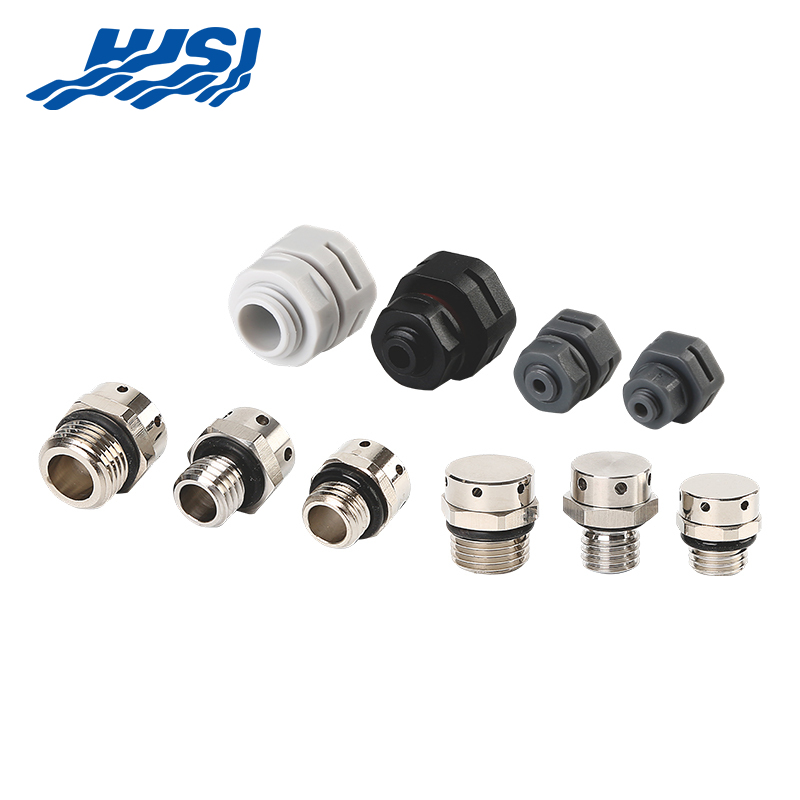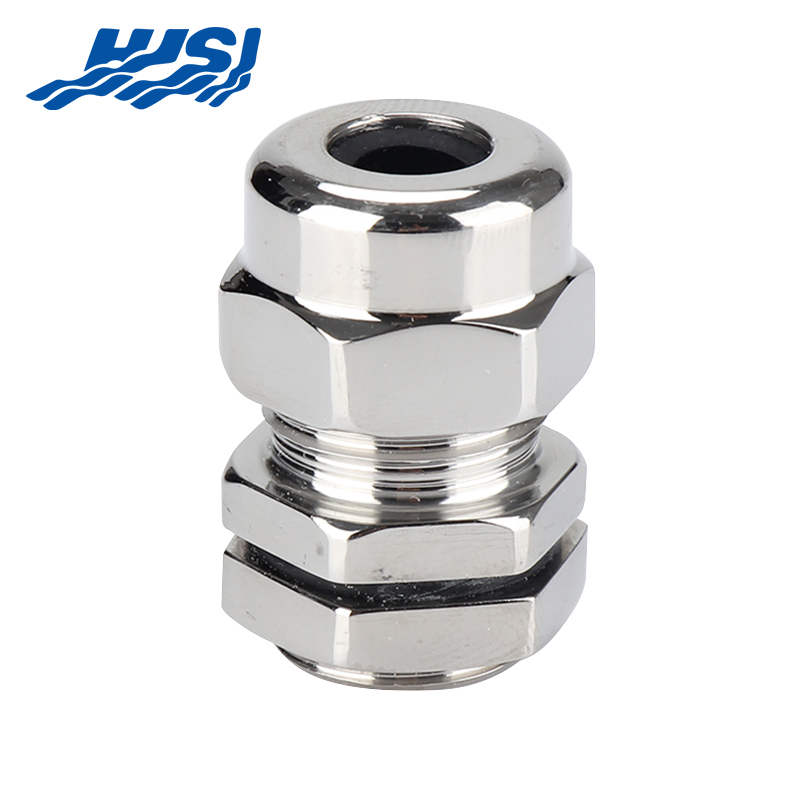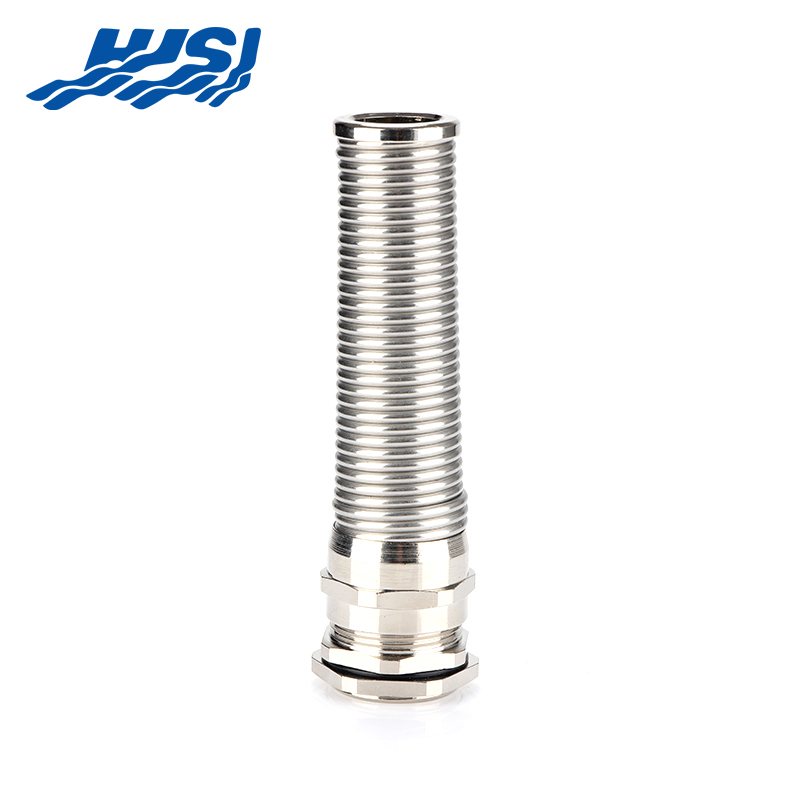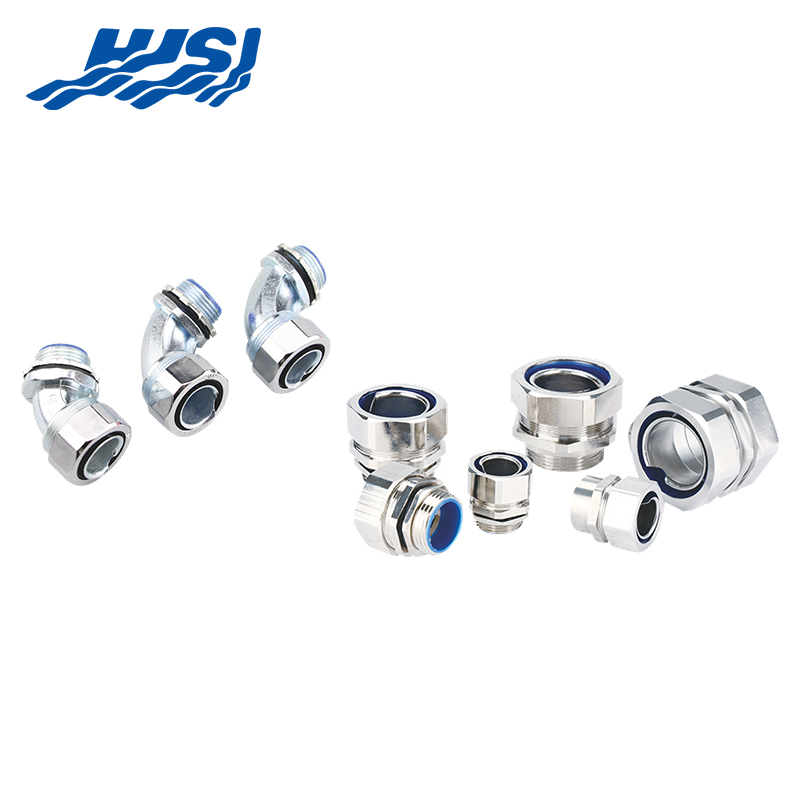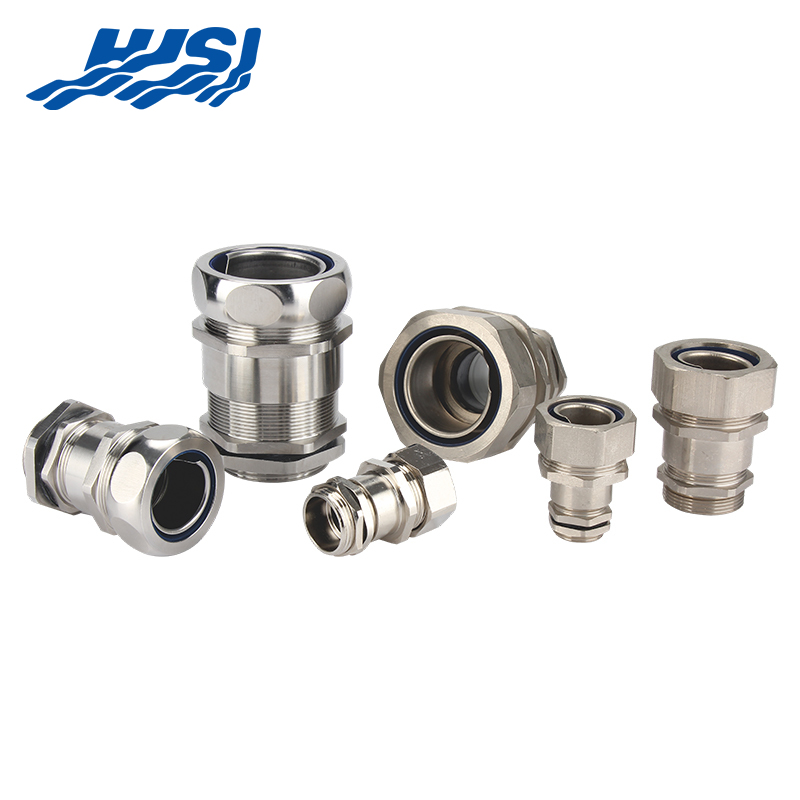
Waterproof Breathable Valve play a valuable role in protecting equipment and enclosures in outdoor and harsh environments. These small components allow air and water vapor to move in and out while stopping liquid water, dust, sand, salt spray, and other contaminants from entering. In places exposed to rain, wide temperature changes, strong sunlight, blowing dust, or vibration, such valves help maintain internal conditions that keep devices functioning longer and more reliably.
The core idea behind these valves is selective permeability. A thin membrane sits inside a sturdy housing, usually made from tough plastic or corrosion-resistant metal. The membrane has countless tiny openings that let gas molecules pass freely but block larger water droplets and particles. This setup relieves pressure differences inside sealed enclosures without creating weak points for environmental intrusion. When internal air heats up and expands, vapor escapes; when it cools and contracts, filtered outside air enters. The result is a balanced system that avoids the strain of completely sealed designs or the vulnerability of open vents.
Manufacturing these valves involves precise steps to ensure the membrane bonds securely to the housing and performs consistently. The membrane material often starts as a polymer film that undergoes controlled stretching to form the microscopic pore network. This process creates the breathable yet waterproof property. The housing receives threads, flanges, or snap features for easy mounting on equipment panels. Protective screens or additional layers sometimes cover the membrane to guard against larger debris or mechanical damage. Final assembly includes testing for airflow, water resistance, and pressure handling to confirm the valve meets the demands of real-world use.
Rainfall, especially when driven by wind, tests any outdoor enclosure. Waterproof breathable valves handle this exposure by repelling liquid on contact. The membrane surface naturally sheds water, causing droplets to bead and roll away instead of soaking in. Even under moderate pressure from heavy rain or spray, the structure prevents passage while still allowing internal humidity to vent outward.
This dual action proves useful for equipment that produces heat during operation. Internal warmth turns moisture into vapor; without escape, that vapor condenses on cold surfaces when rain cools the exterior. The valve releases the vapor before it becomes liquid inside, reducing the chance of corrosion, short circuits, or foggy lenses. In regions with frequent showers or mist, this continuous ventilation helps enclosures stay drier over weeks or months of exposure.
Placement influences performance. Mounting the valve on the lower portion of a housing or under a protective overhang limits direct pounding from rain. The design itself, however, tolerates typical weather impact without immediate failure. Over repeated wetting and drying cycles, the membrane retains its repellency, provided external debris does not cover the surface for long periods.
Temperature variations create one of the primary stresses on sealed enclosures. Daytime sun heats the interior, expanding trapped air; nighttime cooling contracts it, sometimes forming a partial vacuum. These pressure changes pull or push on seals, gaskets, and walls, eventually leading to cracks or leaks.
Breathable valves counteract this cycle by permitting controlled airflow. Expanding warm air flows out through the membrane pores, preventing over-pressurization. Contracting cool air draws in external air that has been filtered of dust and moisture. This equalization keeps internal pressure close to ambient levels, easing mechanical strain on the enclosure.
| Temperature Phase | Effect on Internal Air | Problem Without Valve | How Breathable Valve Responds | Benefit / Outcome |
|---|---|---|---|---|
| Heating / Expansion | Warm air expands | Over-pressurization stresses seals/walls | Permits expanding air to flow out through membrane pores | Prevents excessive pressure buildup |
| Cooling / Contraction | Air contracts | Partial vacuum forms, pulls on seals | Draws in filtered external air (dust & moisture blocked) | Avoids vacuum conditions and inward strain |
| Overall Pressure Cycle | Repeated expansion and contraction | Mechanical strain on enclosure, gaskets, seals | Equalizes internal pressure to near-ambient levels | Reduces fatigue, cracks, leaks, and long-term damage |
In desert areas with scorching days and chilly nights, or in northern climates with freezing winters and warm summers, the valves adapt smoothly. They also help dissipate heat-generated vapor from electronics or motors, lowering the risk of internal condensation during rapid temperature drops. The membrane materials stay pliable across wide ranges, avoiding stiffness in cold or excessive softening in heat that could alter pore performance.
Sunlight delivers ultraviolet radiation that breaks down many polymers over time, leading to brittleness, yellowing, or loss of flexibility. Waterproof breathable valves include UV-resistant additives in both the housing and membrane to withstand prolonged exposure. These stabilizers absorb or scatter harmful rays, preserving the structural integrity of the pores and the overall valve body.
Outdoor equipment mounted on rooftops, poles, or open fields receives constant sun. The valves maintain breathability and waterproofing even after years in direct light. This durability reduces the frequency of replacements and keeps the protective function intact. When combined with dust or moisture, which can trap heat and accelerate degradation, the UV protection helps the valve remain effective longer.
Shading the valve when practical extends service life further, but the material choices allow reliable performance in fully exposed locations.
Airborne dust, sand, pollen, or industrial particulates can enter through ordinary vents, settling on components, blocking cooling paths, or causing abrasion. Breathable valves filter incoming air, with pore sizes small enough to capture common particle ranges while still allowing sufficient gas exchange. This keeps the interior cleaner and cooler, particularly important for sensitive optics, circuit boards, or precision mechanisms.
In windy, arid regions or near construction and mining operations, dust levels rise dramatically. The valves prevent accumulation inside enclosures, reducing overheating and wear. When rain follows dusty periods, the waterproof layer stops mud or slurry from being drawn in. External dust on the valve face rinses away with water or light brushing, restoring airflow without disassembly.
The membrane resists deep particle embedding, supporting steady performance even in persistently dusty conditions.
Security cameras, environmental sensors, traffic monitors, and remote telemetry units often sit in exposed locations. These devices house sensitive electronics that generate heat and face daily weather shifts. Waterproof breathable valves mounted on the enclosure walls vent vapor, equalize pressure, and block rain, dust, and UV-related degradation.
In rainy seasons, the valves prevent water from reaching circuit boards. Dust filtration keeps lenses and sensors clear. Temperature management reduces condensation that could obscure views or corrode contacts. Simple installation—drilling a hole and threading the valve in with a sealing washer—makes retrofitting straightforward. The valves support longer intervals between maintenance visits, especially in hard-to-reach sites.
Waterproof and breathable valves find steady application in outdoor lighting systems of various kinds. Street lamps mounted high on poles, broad floodlights illuminating parking lots or sports fields, low-level landscape lights along walkways, and illuminated signs above storefronts or roadways all enclose lamps, ballasts or drivers, wiring, and sometimes control circuits that need to stay dry and free of internal moisture buildup. These fixtures often sit exposed for years, facing daily shifts from hot afternoon sun to cool evening air, along with rain, wind-blown dust, and constant ultraviolet from daylight hours.
The valves installed on the fixture housing let heat from the lamp or driver escape as warm air and vapor, which prevents pressure from building up inside the sealed compartment. When the light switches off and the exterior cools quickly, the valve allows filtered outside air to enter gently, avoiding a vacuum pull that could stress seals or draw in humid air through tiny gaps elsewhere. This controlled exchange keeps condensation from forming on the inside of lenses or reflectors, which would otherwise reduce light output, create foggy patches, or lead to corrosion on metal contacts over time. Rain hitting the fixture beads up and runs off the valve surface without seeping through, while fine dust particles stay outside the membrane pores. The valve housing and membrane materials resist breaking down under steady sunlight, so the component continues working even on fixtures positioned in direct sun for long stretches.
In areas near the coast where salt-laden air drifts in or in industrial zones with soot and particulates floating around, the valves help maintain clear glass or plastic covers and dry electrical connections. Older fixtures that were originally built without venting can have a valve added during routine service or upgrades; a small hole is drilled, the valve threaded in with a sealing gasket, and the improvement in weather resistance becomes noticeable without replacing the entire unit. The result is lighting that stays brighter longer, requires fewer cleanings or repairs due to moisture damage, and operates reliably through changing seasons.
Road vehicles, off-road trucks, heavy construction machinery, and rail cars carry electronic modules, lighting assemblies, sensor housings, and battery compartments that encounter similar stresses—puddles on the road, spray kicked up by tires, blowing dust or gravel, engine heat, and wide swings in ambient temperature. Waterproof breathable valves mounted in these compartments equalize air pressure when the vehicle climbs steep grades, descends quickly, or heats up during long runs. Water from heavy rain, car washes, or standing puddles stays outside the valve, while internal vapor generated by warm electronics or batteries vents out before it condenses on circuit boards or connectors.
Dust filtration keeps sand, road grit, or fine particulates from settling inside sensitive areas, especially on vehicles that travel unpaved routes or work in quarries and farms. Ultraviolet light beating down on exterior-mounted lights or sensors does not degrade the valve body or membrane quickly, so protection remains consistent across years of service. Seal fatigue drops because pressure differences no longer force gaskets to flex excessively, and internal moisture problems that lead to corrosion or electrical faults become far less common. The valves contribute to dependable performance whether the vehicle runs in summer heat, winter cold, dusty plains, or rainy mountain passes.
| Challenge / Environment | Problem Without Valve | How the Valve Helps | Resulting Benefit |
|---|---|---|---|
| Dust and particulates (unpaved roads, quarries, farms) | Sand, grit, fine dust settles inside sensitive areas | Filters incoming air, blocks particle entry | Keeps internals clean, reduces abrasion and overheating |
| Ultraviolet exposure (exterior-mounted parts) | Valve body/membrane degrades quickly under sun | UV-resistant materials slow degradation | Consistent protection and longevity over years |
| Seal fatigue from pressure changes | Gaskets flex excessively, leading to wear/failure | Equalizes pressure, reduces stress on seals | Less seal fatigue, fewer leaks over time |
| Internal moisture and condensation | Moisture builds up, causing corrosion/electrical faults | Vents vapor, prevents condensation | Reduced corrosion and electrical issues |
| Varied conditions (summer heat, winter cold, dusty plains, rainy mountains) | Inconsistent performance across seasons/terrains | Maintains breathability and protection in extremes | Dependable vehicle operation year-round |
Solar inverters, combiner boxes, battery cabinets, and charge controllers sit in open fields, on rooftops, or beside ground-mounted arrays, taking full sun by day, cooling rapidly at night, and facing whatever rain or dust the local climate brings. Breathable valves in these enclosures release heat and vapor produced during power conversion or charging cycles, keeping pressure balanced so the housing does not bow or crack under repeated expansion and contraction. Moisture that could form inside from morning dew or afternoon showers vents outward instead of condensing on circuit boards or bus bars, while external rain and airborne dust remain blocked.
The UV-resistant construction holds up under constant daylight exposure without losing breathability or waterproofing strength. In locations where wind carries fine sand or where seasonal rains arrive in heavy bursts, the filtration and sealing keep the internals clean and dry, helping the system deliver steady output without efficiency drops or unexpected shutdowns. Valves placed strategically on the enclosure sides or bottom support reliable operation in remote installations where service calls carry high cost and travel time.
Telecommunication equipment—antennas, radio transceivers, power amplifiers, and cabinet-mounted base stations on towers, rooftops, or roadside poles—deals with wind-driven rain, intense sun, temperature changes from equipment heat and ambient air, and occasional dust storms. Compact waterproof breathable valves integrated into the housings allow cooling air to circulate naturally, relieve pressure buildup from daytime operation, and prevent water or particulates from reaching sensitive electronics that could cause signal loss or hardware failure.
The design fits easily into existing or new enclosures, maintaining network uptime in exposed locations where replacing failed gear involves climbing towers or dispatching crews to distant sites. In windy coastal zones or arid regions, the valves help keep amplifiers dry and optics clear, supporting consistent signal strength through varying weather.
Marine buoys and dockside control boxes endure salt spray, high humidity, and occasional wave splash, while agricultural sprayers, irrigation timers, and soil sensors face soil dust and overhead irrigation water. Industrial outdoor monitors handle factory-yard particulates and weather shifts, and portable field instruments used for surveying, environmental sampling, or research adapt to changing altitudes and sudden temperature drops. In each case, the valves vent vapor, balance pressure, and block corrosive or abrasive elements, extending reliable service in these specialized harsh settings.
For installation, choose a valve size that matches the enclosure's internal volume and the expected rate of air exchange needed for heat or pressure management. Mount it on a lower or sheltered face of the housing to limit direct rain impact and dust loading. Tighten with even torque and use sealing washers or gaskets to eliminate any bypass around the threads. After fitting, run a simple pressure test or spray test to confirm the seal holds while breathability remains active. In strong-sun locations, angle the valve away from peak midday light if the layout permits; thoughtful positioning stretches service intervals noticeably.
HJSI Waterproof Breathable Valve stands as a practical and dependable solution for safeguarding equipment in outdoor and harsh environments where rain, temperature swings, ultraviolet exposure, and dust present ongoing challenges. Its selective membrane design effectively balances breathability with robust protection, allowing internal air pressure to equalize and vapor to escape while consistently blocking liquid water, fine particulates, and corrosive elements from entering enclosures.
This capability supports reliable performance across a wide range of applications, including outdoor lighting fixtures that maintain clear optics and dry connections, vehicle and transportation systems that resist road spray and dust, solar inverters and battery enclosures that handle daily thermal cycles in open fields, telecommunication cabinets that preserve signal integrity on exposed towers, marine buoys that endure salt spray, agricultural sensors that withstand field irrigation, industrial monitors that manage particulates in plant yards, and portable field instruments that adapt to changing altitudes and conditions.
Through straightforward installation on sheltered surfaces, secure mounting with proper sealing, and basic routine maintenance such as gentle cleaning to remove surface buildup, the HJSI Waterproof Breathable Valve helps extend equipment service life, reduce the frequency of moisture-related failures, and lower maintenance demands in demanding locations. By addressing the core stresses of pressure imbalance, condensation, ingress, and environmental degradation without relying on complex mechanisms or frequent intervention, it offers a balanced, efficient approach that enhances overall durability and operational consistency for devices operating in real-world harsh settings over extended periods.

2nd Floor, Building 2, No. 188, Punan 3rd Road, Economic Development Zone, Yueqing City, Wenzhou City, Zhejiang Province, China

Copyright @ Zhejiang HJSI Connector Co., Ltd. All rights reserved.

China Waterproof Breathable Valve Manufacturer
 +86-15858552966
+86-13356176555
+86-15858552966
+86-13356176555
 English
 русский
 عربى
عربى