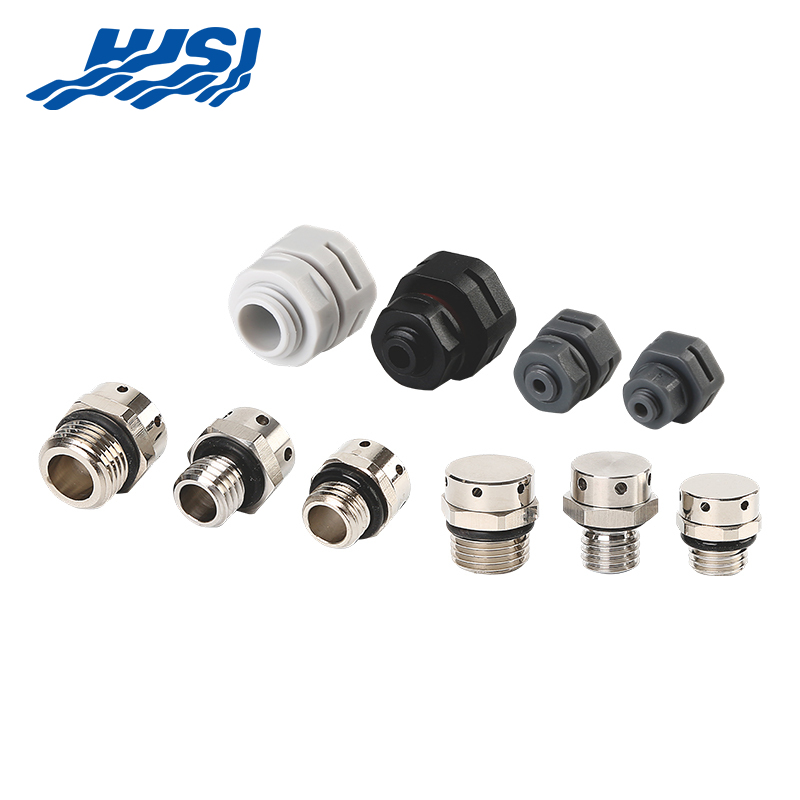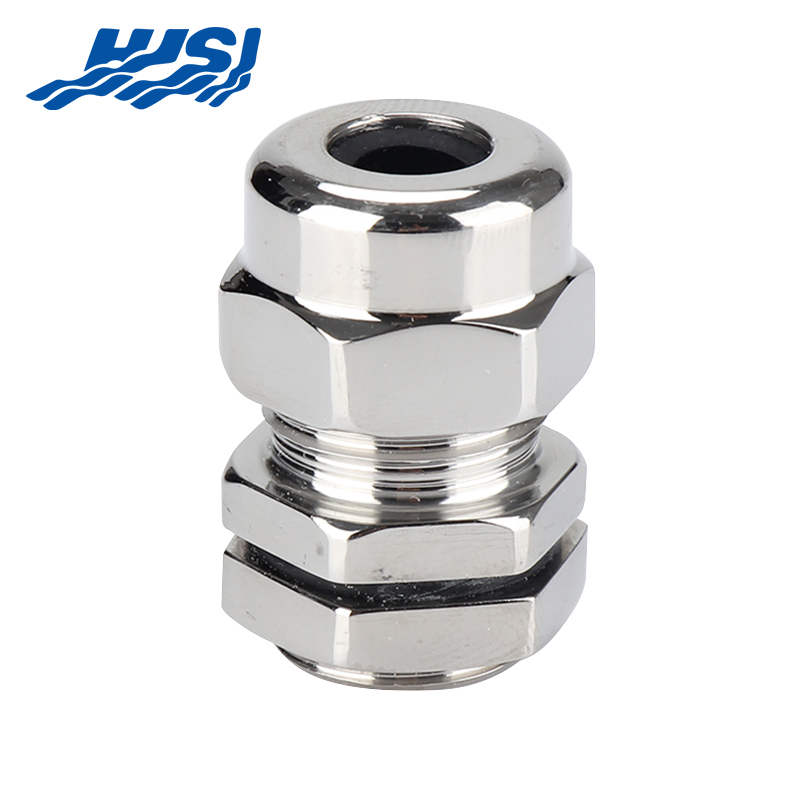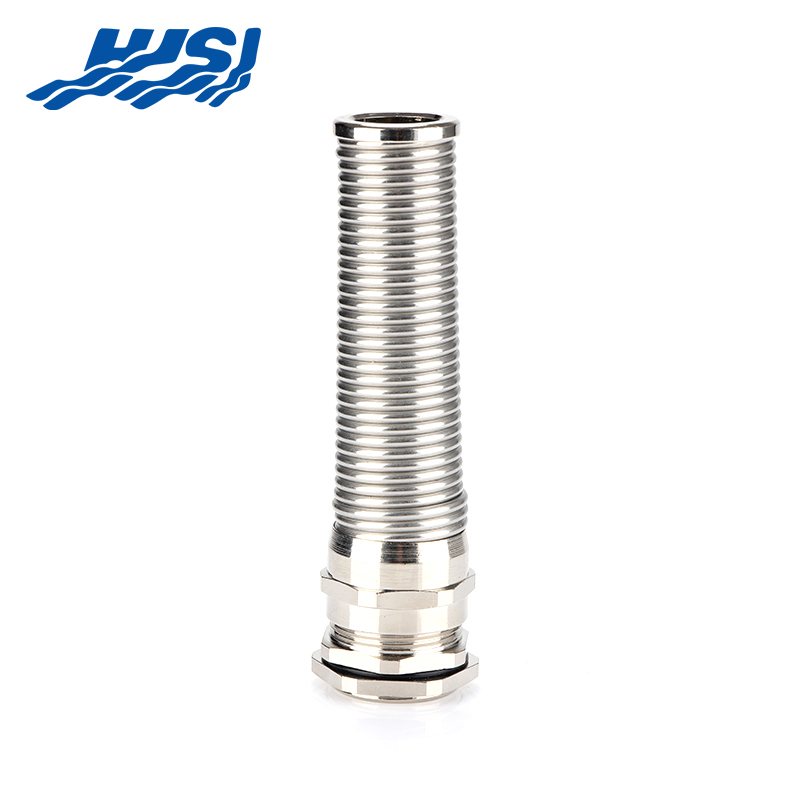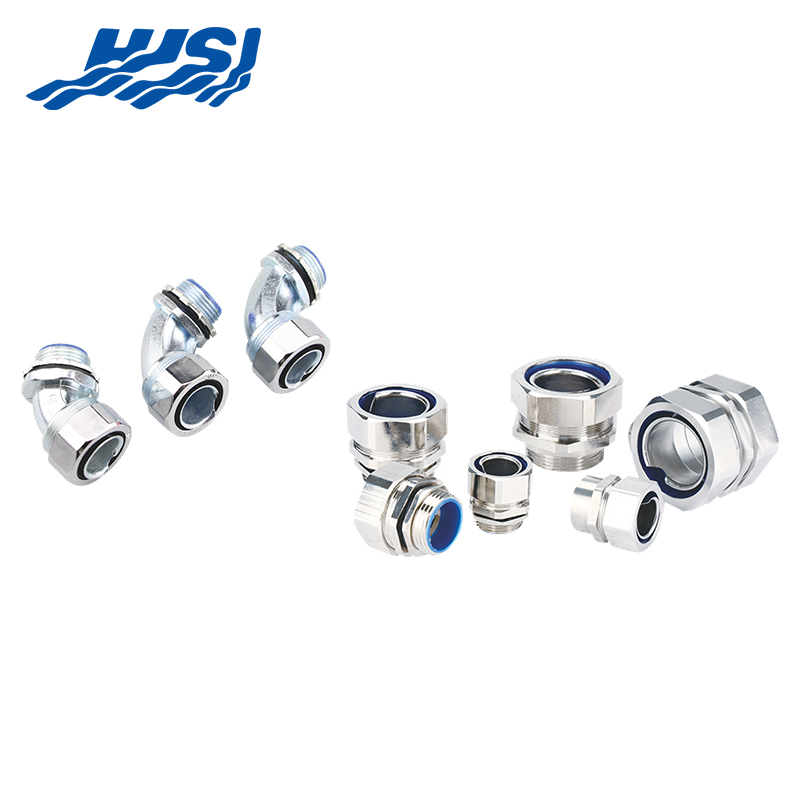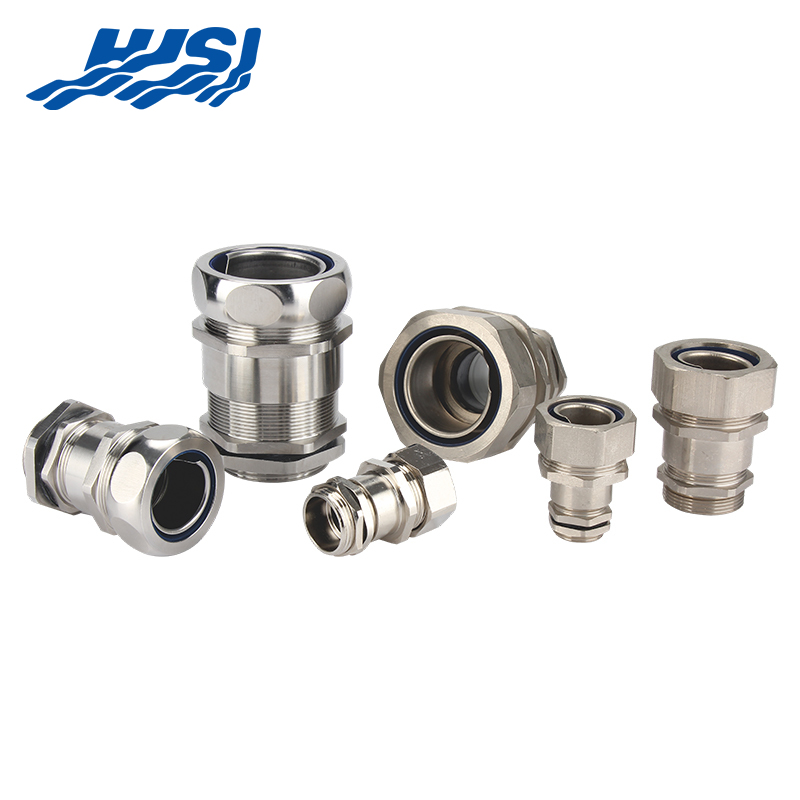
Cable connectors act as essential joining points in electrical systems, tying together wires, harnesses, and components so current and signals move reliably. In plants producing electrical goods in large quantities—whether household appliances, automotive wiring, industrial controls, or consumer electronics—the material chosen for these connectors influences almost every step of the manufacturing flow. Moving from metal to Plastic Cable Gland has become a realistic option in recent years because it helps address several recurring challenges that grow more noticeable as production numbers climb into the thousands or tens of thousands of units daily.
Metal connectors have been the standard for many years because they provide strong mechanical hold, good electrical contact, and resistance to vibration, heat cycles, and handling stress. In earlier production setups, metal parts were accepted as necessary even though their creation involved several stages—blanking, forming, plating, and sometimes heat treating. Each stage added time between raw material arrival and the moment the connector was ready for assembly.
When output scales up, the added steps required for metal connectors start to weigh more heavily on the process. Metal stock demands careful storage to prevent damage or oxidation. The finished pieces are heavier, increasing effort for workers moving parts, loading conveyors, and shipping pallets. Assembly frequently requires crimping, soldering, or mechanical fastening, and each action takes seconds that multiply across large batches. Protective coatings or treatments often become necessary to guard against corrosion, bringing extra material costs and process time. These elements, while manageable in smaller runs, create visible drag on throughput and cost structure in continuous high-volume operations.
Plastic cable connectors come from injection molding. Resin pellets are heated until they flow, then pushed under pressure into precision molds that shape the final part. After a short cooling time, the mold opens and the connectors eject. This cycle repeats quickly, often turning out multiple parts in one shot. The process allows designers to build in functional details—snap locks, alignment guides, color coding, strain relief shapes—directly during molding, eliminating extra machining or assembly work. The result is a ready-to-use connector that moves straight to the next production stage.
Plastic resin arrives as small pellets that take up less space and weigh less than metal coils or sheets. Warehouses can hold larger stocks in the same area, and deliveries can arrive more frequently in smaller loads that match production needs more closely. This reduces the amount of material sitting idle, lowers internal handling effort, and cuts the risk of damage during storage or movement. Resin is also less sensitive to humidity or oxidation than metal stock, simplifying storage requirements.
| Aspect | Plastic Resin Pellets Advantage | Benefit |
|---|---|---|
| Storage space | Much smaller volume than metal coils/sheets | Larger stock in same warehouse area |
| Delivery & inventory | Smaller, more frequent loads possible | Better matches production needs, less idle material |
| Internal handling | Easier to move/store | Reduced handling effort |
| Damage risk | Lower during storage and movement | Decreased material loss/damage |
| Storage conditions | Less sensitive to humidity and oxidation | Simpler, cheaper storage requirements |
Injection molding runs with short cycle times and steady output. Molds can produce several connectors at once, and the process uses lower temperatures and pressures than metal forming methods. Once the mold is set up and tested, long runs can continue with little operator adjustment. The parts come out with clean surfaces and accurate dimensions, so secondary operations like deburring or edge finishing are rarely needed. That same uniformity carries into assembly, where connectors fit together predictably without constant manual correction.
Assembly lines move faster when connectors install with minimal handling. Plastic designs often allow a single push, twist, or snap to secure the part, removing the need for screws, crimps, or soldered joints in many cases. Workers and automated stations complete connections more quickly, letting the line hold a steady rhythm. The lighter weight eases the load on conveyors, robotic arms, and human hands, reducing fatigue and equipment wear. Vision systems can confirm correct placement more reliably when parts have consistent shapes and built-in alignment features.
Lighter connectors and simpler installation steps reduce physical strain on workers. People can maintain a steady pace through longer shifts with less fatigue in hands, wrists, and shoulders. This ergonomic improvement supports more consistent quality output and can lower strain-related absences. Training new team members becomes quicker because the installation sequence is more straightforward—push until it locks—compared with the multiple steps sometimes required for metal connectors.
Molded plastic connectors show high consistency in dimensions and surface finish. Automated inspection equipment can check snap-fit engagement, insertion depth, and locking features with greater confidence because variation between parts is low. The lack of sharp edges or burrs that can appear on metal parts reduces the chance of damaging insulation or conductor strands during harness assembly. Fewer defects reach final electrical testing, shortening the quality assurance stage and cutting scrap and rework volumes. When problems do occur, they are often linked to mold settings that can be adjusted quickly.
Lighter plastic connectors reduce freight costs in both directions—from resin supplier to molder, from molder to assembly plant, and from manufacturer to customer. More units fit on pallets and in containers, lowering transportation expenses per piece. Inside large facilities, lighter loads make movement between departments easier. Shorter lead times for molded parts give planners more flexibility to adjust output when orders change. This responsiveness helps keep delivery schedules on track even during demand fluctuations.
Plastic connectors resist corrosion in many environments, so field technicians face fewer seized or oxidized connections during repairs. Shorter service times improve customer satisfaction and lower warranty expenses. On the manufacturing side, injection molding machines need routine cleaning and periodic mold maintenance, but these tasks are predictable and less demanding than upkeep on metal stamping presses or plating lines. Overall machine availability rises as unplanned downtime becomes less frequent.
Adopting plastic connectors requires careful preparation. Engineering teams verify that the plastic material meets electrical, mechanical, thermal, and environmental needs for the product. New molds represent an initial capital cost, though lower per-part expenses recover that investment over production volume. Assembly staff receive training on the new installation methods, and quality control procedures are updated to match the different inspection criteria. Plants that move forward step by step find the adjustment period reasonable, with efficiency gains appearing within the first few production cycles.
Operators and technicians pick up hands-on knowledge when plastic connectors become part of the daily routine. They get familiar with spotting a secure snap or click, watching molding temperatures and pressures to keep parts uniform, and figuring out the usual small problems that show up during runs. Sharing what they learn across shifts and between molding and assembly groups builds a stronger, more capable team overall. Training people to handle both areas turns out to be straightforward since the two processes rely on the same ideas of careful measurement and clear visual checks.
Plastic connectors fit naturally into efforts to handle resources with more care. Resin can come from recycled sources in many cases, and connectors that reach the end of their life can be ground up and fed back into production for less demanding parts. Molding uses less energy than shaping metal, which lowers the energy footprint tied to each piece. Plants that keep close track of material usage, power draw, and scrap levels often notice clear improvements in these numbers once the switch is complete.
In products made in large runs, plastic connectors keep electrical connections steady when the material choice and part design suit the job. Their consistent size and shape make it easier for automated testing stations to check continuity and insulation resistance across hundreds or thousands of pieces at a time. The connectors pair well with automated equipment that routes harnesses and inserts parts, helping lines reach high output rates while still hitting quality standards.
| Aspect | Plastic Connectors Advantage | Benefit |
|---|---|---|
| Electrical performance | Maintain steady connections when material & design fit | Reliable function in high-volume products |
| Dimensional consistency | Highly uniform size and shape | Enables fast, reliable automated testing |
| Testing efficiency | Supports automated continuity & insulation checks | Quickly validates hundreds/thousands of units |
| Automation compatibility | Pairs well with auto harness routing & insertion equipment | Achieves high output rates with quality maintained |
Electrical products equipped with plastic connectors can last as long as the application calls for when the right material grade is picked. The parts stand up to vibration, repeated heating and cooling cycles, and exposure to different environments, keeping connections tight over the expected lifespan. Manufacturers run thorough validation tests to make sure performance holds up under conditions that mimic actual use or push beyond it.
Production of plastic connectors draws from resin supply networks that have proven flexible in recent years. Having several resin suppliers and the option to change grades gives plants backup plans when supplies get tight. Molding lines can ramp up output quickly by adding machines or running extra hours, which gives manufacturers more ability to match production to sudden increases in orders.
Lower resin costs, shorter molding cycles, quicker assembly steps, reduced scrap, and lighter shipping loads create a better cost picture from start to finish. Savings show up at every point—resin delivery, molding, assembly, testing, packing, and freight—freeing up budget for new product work, added capacity, or sharper pricing. These improvements help plants stay competitive in markets where keeping costs down and deliveries on time is essential.
Plastic connectors work smoothly in automated assembly setups because their even shape and built-in snap features make it easy for robots to pick, place, and lock them. Vision systems can check that everything is seated correctly with good accuracy. This natural fit encourages wider use of automation, which in turn pushes further gains in line speed, part-to-part consistency, and reduced labor needs.
Putting plastic connectors into regular use includes clear, structured training on molding conditions, assembly steps, and handling common issues. Experienced team members share practical know-how with newer ones, building a habit of steady improvement around the new parts. Written instructions, photos, diagrams, and quick-reference checklists keep important details available even when people change shifts or roles.
After plastic connectors are running day to day, production teams keep an eye on cycle times, defect counts, energy use, and material yield. Numbers from these checks point the way toward small changes in mold settings, process controls, or assembly methods. Over months and years, the line gradually gets smoother and more efficient while quality stays steady or gets better.
HJSI brings a focused, practical perspective to high-volume electrical manufacturing by delivering plastic cable connectors that align seamlessly with the demands of modern production lines. Their connectors emphasize lightweight construction, precise molding consistency, and intuitive snap-fit or push-in installation, allowing assembly teams to maintain steady throughput while reducing physical strain and tool dependency.
From resin handling and molding cycles to automated placement, quality verification, and outbound logistics, HJSI's solutions contribute to smoother workflows, lower per-unit costs, and greater operational agility without compromising electrical reliability or long-term field performance. Facilities working with HJSI connectors find that these advantages support day-to-day efficiency gains while leaving room for future process refinements, helping production remain responsive and cost-effective in competitive markets.

2nd Floor, Building 2, No. 188, Punan 3rd Road, Economic Development Zone, Yueqing City, Wenzhou City, Zhejiang Province, China

Copyright @ Zhejiang HJSI Connector Co., Ltd. All rights reserved.

China Waterproof Breathable Valve Manufacturer
 +86-15858552966
+86-13356176555
+86-15858552966
+86-13356176555
 English
 русский
 عربى
عربى