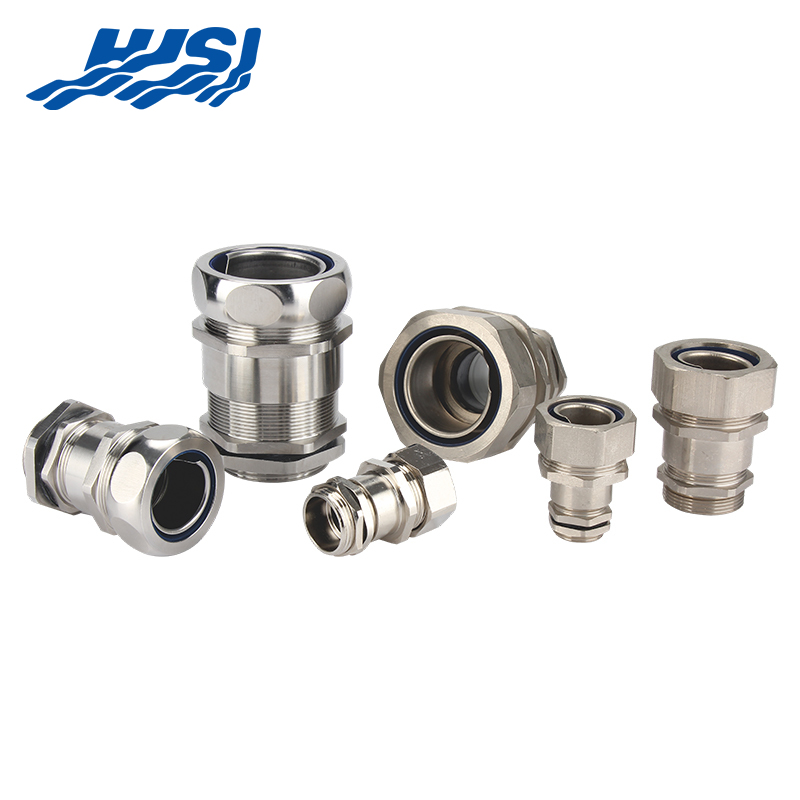
Cable connections can look genuinely straightforward until different components need to work together inside the same enclosure. Cable types may vary from one run to the next, entry points may have different interface sizes, and installation spaces may not always match the original design drawn up months earlier.
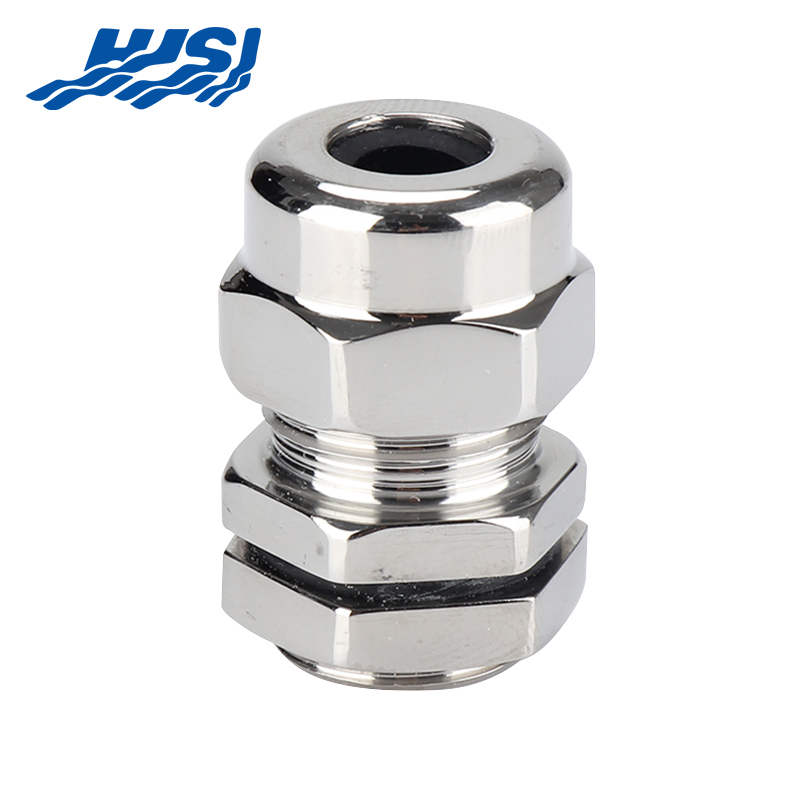
This is where Cable Gland Reducer and Adaptor products can make a genuinely practical difference on site. They help create a connection between components that may not otherwise fit together directly out of the box. Instead of changing an entire enclosure or replacing a suitable cable entry that already works fine, an installer can use an adaptor or reducer to adjust the connection arrangement instead.
The value of these components isn't limited to fitting two parts together mechanically. They can also influence installation flexibility, cable positioning, enclosure organization, and maintenance down the road. When selected according to the actual connection needs, reducers and adaptors can make cabling work genuinely easier to manage on a busy job site.
Electrical enclosures and equipment don't always use identical cable entry arrangements across every manufacturer. A cable gland may need to connect with an enclosure opening that has a different interface size or thread arrangement entirely from what's already on hand.
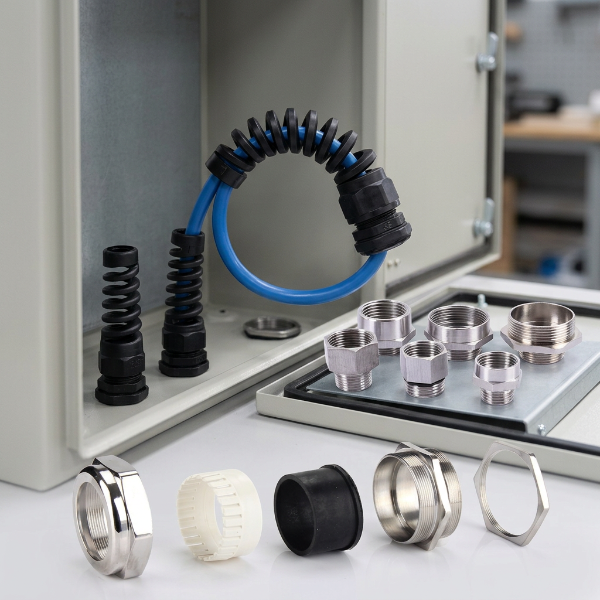
Without a suitable transition component, the installer may need to reconsider the entire connection layout from scratch. This can create additional work, especially when the surrounding equipment has already been bolted into place and mounted.
A reducer or adaptor provides another option worth having in the toolbox. It can help bridge a difference between two connection interfaces while keeping the existing installation arrangement largely intact around it.
| Connection Situation | Possible Role of a Reducer or Adaptor |
|---|---|
| Different interface sizes | Creates a suitable transition |
| Different connection forms | Helps join compatible components |
| Limited installation space | Supports a more practical arrangement |
| Existing enclosure opening | Helps adapt the cable entry |
| Equipment modification | Can reduce the need for major changes |
The exact function depends on the product design and intended application at hand. The genuinely important point is that these components give installers more flexibility when a direct connection isn't practical on that particular job.
Interface size is one of the common reasons an adaptor or reducer becomes genuinely useful on a project. A cable gland may have one connection size while the enclosure or mounting point has another entirely.
A Cable Gland Reducer and Adaptor can provide a transition between these interfaces without much fuss. This allows the installer to work with existing components, rather than redesigning the entire cable entry from the ground up.
The choice should still rest on the actual connection requirements at hand. The installer needs to consider the receiving opening, the cable gland, available installation space, and how the connected parts will get positioned once everything's assembled.
A simple planning process can help keep things organized. Identifying the existing enclosure opening comes first, followed by checking the connection arrangement of the cable gland itself. Determining whether a direct connection is even possible comes next, and selecting a suitable reducer or adaptor when a transition is needed follows naturally from there. Checking the assembled connection before completing the installation rounds out the process.
This approach keeps the connection process organized from start to finish. It also reduces the chance of discovering a compatibility problem after the surrounding components have already gotten fixed in place and it's too late to adjust easily.
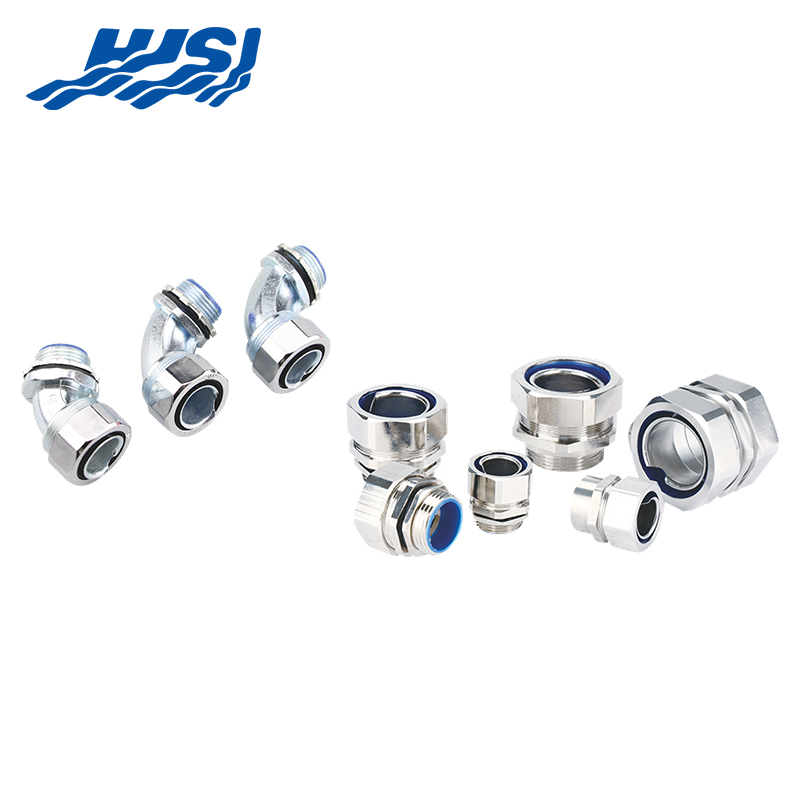
The terms reducer and adaptor sometimes get used together interchangeably, but they can serve genuinely different connection purposes on a job. A reducer is generally used when a connection needs to transition between different interface sizes on the same basic thread type.
An adaptor can provide a connection between different interface arrangements or component forms that don't share the same basic structure at all. The actual design varies between products from different suppliers, so the product description should always get checked before installation begins.
| Component Type | General Connection Role |
|---|---|
| Reducer | Helps transition between interface sizes |
| Adaptor | Helps connect different interface arrangements |
| Cable gland | Provides a cable entry connection |
| Locknut or related accessory | Supports the mounting arrangement |
Understanding this distinction makes product selection genuinely easier when browsing a supplier catalog. It also helps installers explain the required connection arrangement clearly when communicating with suppliers or purchasing teams back at the office.
The goal isn't adding extra components without reason just to have more parts on hand. It's using the appropriate transition when the existing parts don't connect conveniently on their own.
Installation conditions can change quite a bit from one project to another, even within the same facility. An enclosure may already have a prepared opening from an earlier install, while the available cable gland follows a genuinely different connection arrangement than what's expected.
A suitable adaptor can give installers more freedom to work with the existing layout already in place. Instead of moving the enclosure or changing a complete cable route across the room, the connection can get adjusted right at the entry point itself.
This flexibility proves useful in equipment cabinets, control enclosures, machinery, outdoor electrical boxes, and other applications where cable entries need to stay organized despite varying conditions. Installation flexibility also matters when several cables enter the same enclosure at once.
Different cable routes may require genuinely different connection arrangements, so a practical transition component can help maintain a cleaner layout overall. The installer can then focus on how cables actually enter the enclosure, rather than trying to force every connection into one identical arrangement.
A cable connection isn't only about whether two components can physically connect to each other. The position of the cable also affects how the finished installation looks and behaves once everything's powered up and running.
If a cable leaves the gland at an awkward angle, it may place unnecessary pressure on the cable or surrounding connection over time. Repeated movement from vibration or thermal cycling can also make cable management genuinely more difficult down the line.
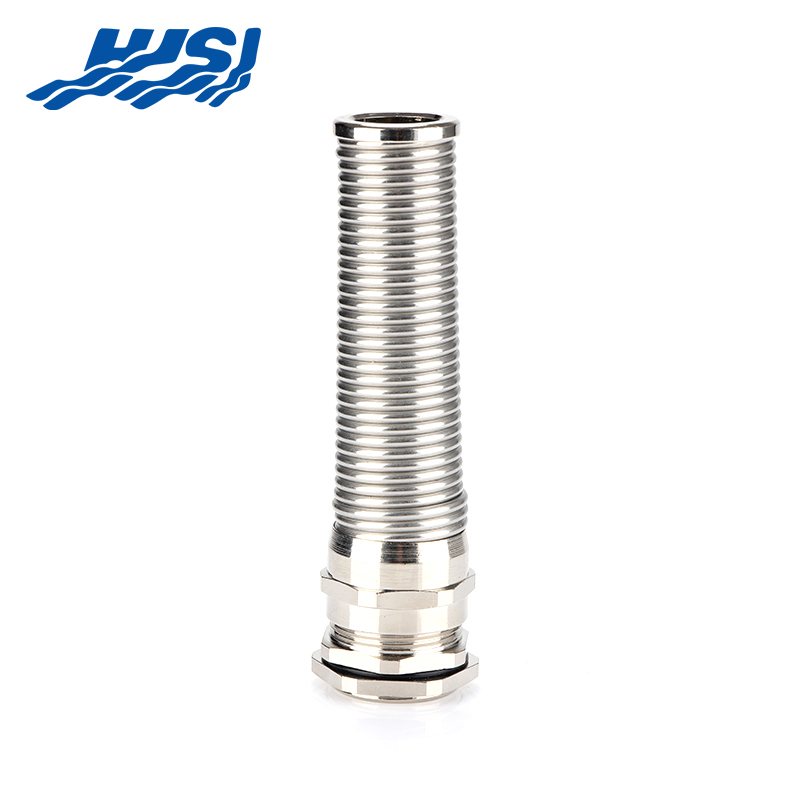
An Anti-bending Cable Gland can prove useful where cable movement and entry direction need additional attention. Its design can help manage the transition between the cable and the entry point while supporting a more controlled cable path overall.
The surrounding installation still matters quite a bit here, though. The cable should have enough room to follow a natural route without getting sharply forced into position against its will.
| Cable Management Concern | Installation Consideration |
|---|---|
| Entry direction | Keep the cable route practical |
| Bending near the gland | Avoid unnecessary sharp movement |
| Nearby components | Leave enough working space |
| Cable grouping | Keep routes organized |
| Maintenance access | Avoid blocking service areas |
Good cable positioning can make the entire enclosure genuinely easier to understand and maintain later on, whether by the original installer or someone else entirely.
An adaptor and an anti-bending gland can serve genuinely different roles within the same connection setup. The adaptor focuses on the relationship between connection interfaces, while the anti-bending feature focuses on how the cable moves as it approaches the entry point itself.
These functions can complement each other nicely when the installation requires both interface adaptation and controlled cable positioning at once. An enclosure, for example, may require a connection transition while the cable also needs to approach the opening from a particular direction dictated by the surrounding layout.
A suitable combination can help keep the connection organized without forcing the cable into an uncomfortable route that strains it over time. Compatibility, however, should always get checked as a complete assembly rather than piecemeal.
The individual components may fit separately on paper but still create an impractical arrangement once installed together in the real enclosure. Thinking about the entire cable path from start to finish helps prevent this kind of issue before it becomes a problem.
Existing equipment can create genuine connection challenges when cables get replaced or additional connections get added later in the equipment's life. The enclosure may have an established opening that was designed around an earlier installation from years back.
A replacement cable gland may use a genuinely different interface arrangement than what the original opening was built for. A reducer can provide a practical transition when the existing opening and new cable entry don't match directly out of the box.
This proves useful during equipment upgrades and maintenance work that comes up periodically. Instead of changing a larger part of the enclosure entirely, installers may be able to adapt the cable entry itself with a smaller, more targeted fix.
The surrounding condition should still get inspected before making the change, though. Space, cable direction, mounting access, and the condition of the existing opening can all affect the installation outcome. A small connection component can therefore play a genuinely useful role in a much larger maintenance task overall.
Modern equipment may contain several types of cables running through the same enclosure. Power cables, signal cables, control cables, and other connections can follow genuinely different routes within the same installation footprint.
A flexible connection strategy helps keep these cables separated and organized rather than tangled together. A Cable Gland Reducer and Adaptor can support different connection arrangements when the cable entry and enclosure interface don't naturally match up on their own.
This can help installers work with existing equipment while keeping the cable route genuinely clear and traceable. The benefit becomes genuinely easier to see when multiple entries sit positioned close together on the same panel.
Instead of modifying several enclosure openings one by one, installers may use suitable transition components only where needed. This can make the installation genuinely easier to plan upfront and may simplify future maintenance work considerably. The exact solution depends on the cable, enclosure, gland design, and connection arrangement at hand, with adaptation always following the requirements of the components being connected.
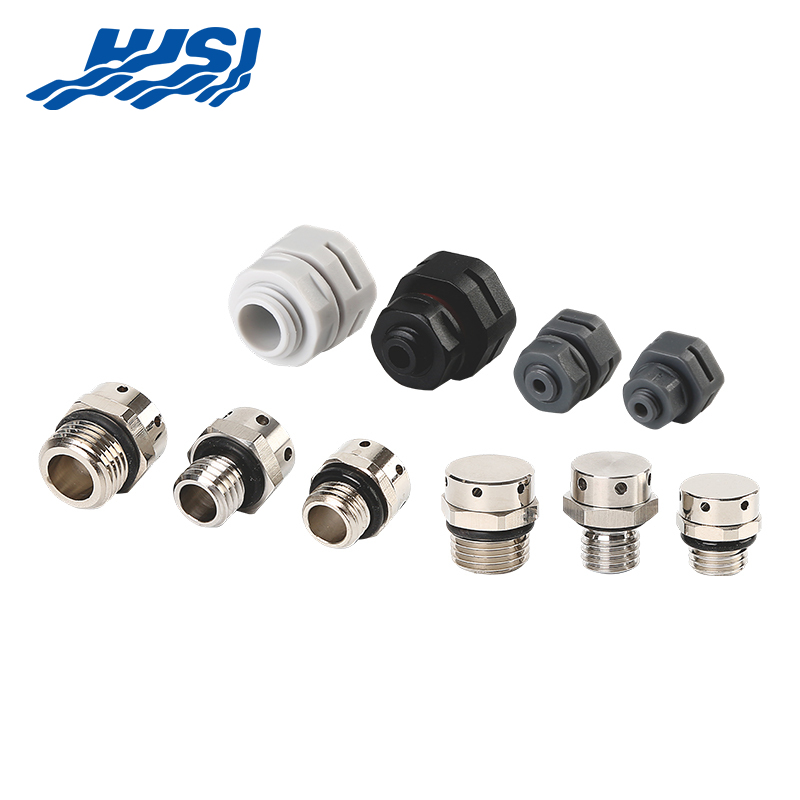
Cable entries often get discussed purely in terms of connection and sealing, but enclosure conditions can involve another genuine concern worth mentioning: air movement inside the box. A Breathable Valve can provide a controlled path for air exchange in applications where pressure changes inside an enclosure need managing according to the product design.
Temperature changes can affect the air inside an enclosure throughout a normal day, especially outdoors. If the internal and external conditions change relative to each other, pressure differences may develop over time that stress the seals.
A suitable breathable component can be part of an enclosure design intended to manage this condition proactively. The breathable valve serves a genuinely different purpose from a cable gland or adaptor, though, and shouldn't get treated as a replacement for a cable entry component.
| Component | Main Role |
|---|---|
| Cable gland | Provides a cable entry arrangement |
| Reducer | Helps transition between connection sizes |
| Adaptor | Helps connect different interface arrangements |
| Breathable valve | Supports controlled air exchange |
Keeping these functions genuinely clear helps prevent incorrect product selection when placing an order or planning a build.
Maintenance teams often work with equipment that's already been installed and running for some time. They may need to replace cables, adjust cable routes, or add connections without disturbing the entire enclosure around them.
A flexible connection system can make these tasks genuinely easier to organize during a service call. Reducers and adaptors can provide additional options when replacement components don't directly match existing interfaces already in place.
This can reduce the need to redesign the complete entry arrangement every time something needs swapping out. Clear identification also matters quite a bit here for the technician doing the work.
Maintenance workers should be able to understand which component connects to the enclosure, which part supports the cable, and where an interface transition actually takes place along the run. A well-organized installation can make future work genuinely more straightforward because each connection carries a recognizable function that's easy to trace.
Connection components need to work together as a complete assembly rather than a collection of mismatched parts. Material selection can affect how components interact during installation and throughout ongoing use in the field.
The enclosure material, cable gland, adaptor, reducer, and related accessories should get considered together as a set. Differences between materials can influence handling, surface contact, and long-term compatibility depending on the specific application and environment involved.
The surrounding environment also matters quite a bit here. Indoor equipment, outdoor enclosures, industrial areas, and other locations may create genuinely different demands on the materials chosen.
Instead of selecting a reducer or adaptor based only on interface size, installers can review the complete application before committing.
| Selection Area | Question to Consider |
|---|---|
| Interface | Does the connection match the equipment? |
| Material | Is the component suitable for the surrounding installation? |
| Cable route | Can the cable approach naturally? |
| Space | Is there enough room for installation? |
| Maintenance | Can the connection be accessed later? |
This broader view can help avoid problems caused by focusing on one feature alone while ignoring the rest of the picture.
A crowded enclosure can become genuinely difficult to inspect properly during routine maintenance. Cables may enter from several directions at once, while glands, adaptors, connectors, and other parts occupy the available space inside.
If the cable routes aren't planned out ahead of time, maintenance can become slower and unnecessary movement around the enclosure can occur as technicians try to reach things. Reducers and adaptors can help create a genuinely more structured entry arrangement when different connection interfaces need to work together in the same box.
The same principle applies to cable direction throughout the layout. An Anti-bending Cable Gland may help control how cables approach the enclosure, while a suitable adaptor can address the connection interface itself.
This allows each component to perform a specific, well-defined role rather than everything blurring together. The result isn't simply a tighter installation packed into less space. It's a layout where cable entries, transition points, and working areas become genuinely easier to understand at a glance.
A short inspection before installation can prevent genuinely avoidable connection problems down the line. Installers can start by confirming connection compatibility, checking that the reducer or adaptor is intended for the specific components being joined together.
Interface arrangement deserves a look next, checking that the connection forms correspond properly with the enclosure and cable gland already on site. Available space matters too, making sure the assembled parts can get installed without interfering with nearby components crowding the panel.
Cable direction is worth considering as well, thinking through whether the cable can follow a natural route after installation wraps up. Accessory compatibility rounds out the checklist, reviewing related parts that will get used around the connection.
Before installation, check the following:
These checks are genuinely simple, but they help keep the installation process predictable from start to finish. A reducer or adaptor should support the connection, rather than become another source of adjustment headaches during assembly.
For manufacturers, connection components need consideration from the installer's actual perspective on the job site. The product should be understandable, easy to handle, and suited to the intended connection arrangement it's built for.
Clear product classification can also help buyers distinguish between reducers, adaptors, cable glands, and other accessories sitting on the same shelf. Design should consider how the component gets handled before installation, as well as how it fits once assembly wraps up.
Packaging and identification can also support product selection at the counter or online. When different connection sizes or arrangements are involved, clear information helps purchasing teams and installers choose the appropriate component for their intended application without guessing.
Manufacturers can also consider how their products work alongside related components in the field. An adaptor may need to connect with a cable gland, enclosure, locknut, or other accessory, so the complete connection should remain genuinely practical throughout.
A single enclosure may not have identical requirements at every cable entry point. One cable may need a direct gland connection with no fuss at all. Another may require a reducer because of the available opening left over from an earlier design.
A third may need an adaptor to accommodate a genuinely different connection arrangement entirely. This doesn't mean the installation needs to become complicated or hard to follow, though.
A planned approach can assign a suitable role to each component based on what it's actually facing.
| Cable Entry Situation | Possible Component Approach |
|---|---|
| Direct compatible entry | Cable gland |
| Different interface size | Reducer |
| Different connection arrangement | Adaptor |
| Cable movement near entry | Anti-bending Cable Gland |
| Air exchange requirement | Breathable Valve |
The genuinely important part is matching each component to its actual function within the layout. When connection needs get considered separately, installers can create a genuinely more organized cable entry layout without treating every opening in exactly the same way.
Equipment rarely stays unchanged throughout its entire working life on the floor. Cables may get replaced, enclosures may get modified, and new connection requirements may appear during routine maintenance years down the line.
A connection arrangement that worked for an earlier installation may not match every later component brought in to replace it. Reducers and adaptors provide a way to respond to these changes right at the connection point itself.
They can help installers work with existing openings, different cable gland arrangements, and changing cable routes as needs shift over time. An Anti-bending Cable Gland can address cable movement, while a Breathable Valve can serve an air-management role where the enclosure design calls for it specifically.
By reviewing the existing enclosure, cable, connection interface, cable route, and surrounding installation conditions together, installers can determine whether a reducer, adaptor, or related component is appropriate for the revised arrangement.
Reducers and adaptors can provide useful flexibility when cable glands, enclosure openings, and other connection components do not match directly. Their role can extend beyond simple interface transition to include installation planning, cable positioning, enclosure organization, and future maintenance.
The practical selection process is to review the complete connection rather than focusing on one component in isolation. Interface size, connection form, cable route, available space, material compatibility, and maintenance access all deserve attention before installation.
When each component is selected according to its actual role, cable entry arrangements can remain easier to install, inspect, and maintain as equipment changes over time.

2nd Floor, Building 2, No. 188, Punan 3rd Road, Economic Development Zone, Yueqing City, Wenzhou City, Zhejiang Province, China

Copyright @ Zhejiang HJSI Connector Co., Ltd. All rights reserved.

China Waterproof Breathable Valve Manufacturer
 +86-15858552966
+86-13356176555
+86-15858552966
+86-13356176555
 English
 русский
 عربى
عربى