Ask any workshop veteran about returned gland orders and you will hear the same story. The buyer checked a datasheet, matched a number on paper, placed the order, and the seal failed on site. Nobody lied on the datasheet. The problem started earlier, with the dimension everyone assumed was the one that mattered.
Here is the uncomfortable part. A large share of gland kit sizing errors happen before the purchase order is even written. The tape measure or caliper was pointed at the wrong layer of the cable. Everything after that, from the compression seal to the armour clamp, was built on a guess.
On paper, sizing looks simple. Measure the cable, pick the matching gland, done. In practice, a cable is not one uniform object. It is a stack of layers: outer sheath, armour wires or braid, inner bedding, insulation, and cores. Each layer has its own diameter, and each layer interacts with a different part of the gland kit.
A gland that seals the outer jacket says nothing about whether the armour clamping ring will grip correctly. A body sized for the armour bedding may leave the outer seal loose. When someone measures only one dimension and orders from that single number, they are solving one-third of the problem and ignoring the rest.
Add cable ovality, manufacturing tolerances, and warehouse storage conditions, and the number printed on the cable label can drift away from what the caliper finds on site. That gap is where leaks, loose armour retention, and failed inspections are born.
Many buyers go straight for the outer jacket. It is the easiest surface to reach, so it feels like the obvious number. And yes, the outer sheath matters, because the sealing element grips the jacket to keep dust and moisture out.
But the jacket alone never decides the fit. Two cables with an identical outer sheath can carry completely different armour constructions underneath. Order a gland kit from the jacket dimension only, and the internal sealing and clamping parts may have nothing to hold.
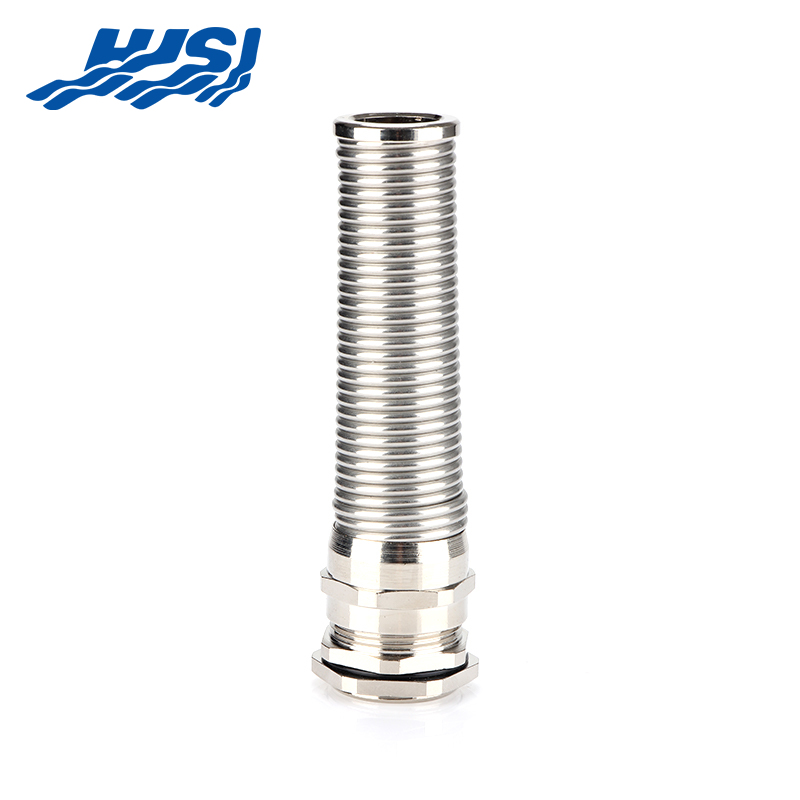
For armoured cable, the gland kit has to terminate the armour, maintain earth continuity, and seal the entry, all at one termination point. That means the armour wire diameter, the bedding diameter under the armour, and the overall diameter each play their own role.
A common field error looks like this. The installer measures over the armour wires instead of measuring the bedding beneath them, or the other way around, then orders a gland kit whose clamping range brackets the wrong figure. The gland threads on, looks installed, and passes a visual check. Weeks later, vibration works the seal loose because the clamping ring was never gripping what it was designed to grip.
This is exactly why experienced specifiers measure each layer separately and record them side by side before comparing any catalogue.
The same handful of errors appear in almost every audit of failed cable entries. How many of them are hiding in your current project?
| Mistake | What Usually Happens | The Fix |
|---|---|---|
| Measuring the conductor cross-section instead of the jacket | The seal ring grips the jacket, not the copper, so the figure is useless for ordering | Always measure the actual outer surfaces with a caliper |
| Trusting the nominal size printed on the drum | Nominal figures are averages; the delivered cable can sit outside that range | Measure the delivered cable before the purchase order |
| Ignoring cable ovality | An oval cable under-seals even when the nominal dimension matches | Measure across two axes and use the larger reading |
| One measurement for all layers | Outer, bedding, and armour diameters each drive a different gland part | Record every layer separately on the spec sheet |
| Sizing glands from old project records | Cable constructions change between suppliers and batches | Re-measure for every new batch, every time |
Notice a pattern? Four of the five mistakes come from trusting a number nobody verified on the actual cable in front of them.
They can, and they do. Rubber and plastic layers compress over time, especially when drums sit in hot warehouses or get stacked under other drums. A jacket that measured one value at the factory can measure slightly smaller after months of storage and transport.
Temperature plays a role too. A cable pulled from a cold container and installed in a warm plant will behave differently during the early weeks in service. None of this means the gland kit was wrong on paper. It means the measurement window you choose needs margin, and the clamping range of the gland should bracket your readings with room on both sides, not sit at the edge of them.
A practical habit worth copying: measure the cable at three points along its length, not just at the cut end. The end of a drum often carries the heaviest handling damage, so a reading taken there alone can mislead you.
Before you send the next enquiry, run this five-step check. It takes minutes and catches nearly every common sizing fault.
Write the readings on the enquiry itself. Suppliers respond faster, and the order is far less likely to bounce back with questions.
Under-sized sealing elements get over-compressed during installation. The installer, seeing a loose fit, tightens harder, and the seal deforms until it creeps or splits. Over-sized elements never compress enough, leaving a capillary path for moisture.
Armour clamps that miss their target layer either crush the bedding or sit loose over the wires. Loose armour retention means the cable can pull out under strain, and earth continuity through the gland becomes unreliable. In inspected installations, any of these outcomes can turn into a failed certification and a re-termination job under time pressure.
None of this is dramatic on day one. That is what makes sizing discipline so easy to skip, and so expensive to skip.
Yes. Unarmoured cable mainly depends on the outer jacket dimension. Armoured constructions add bedding and armour layers, and each one maps to a different part inside the gland kit.
You can start there, but always verify with a caliper on the delivered cable. Datasheets describe the design, not the specific drum that arrived on your site.
Move to the size whose clamping range fully covers the measured readings with margin on both sides. Choosing a range that ends exactly at your reading leaves nothing for tolerance and aging.
It changes it more than any other single habit. Two-axis readings catch ovality, and multi-point readings catch drums that were stored or handled unevenly.
Sizing a gland kit is not a catalogue exercise. It is a matching exercise between the real, measured layers of the cable and the clamping and sealing ranges of the parts you are ordering. The buyers who rarely see returned glands share one habit: they measure every layer, on the actual cable, before they order.
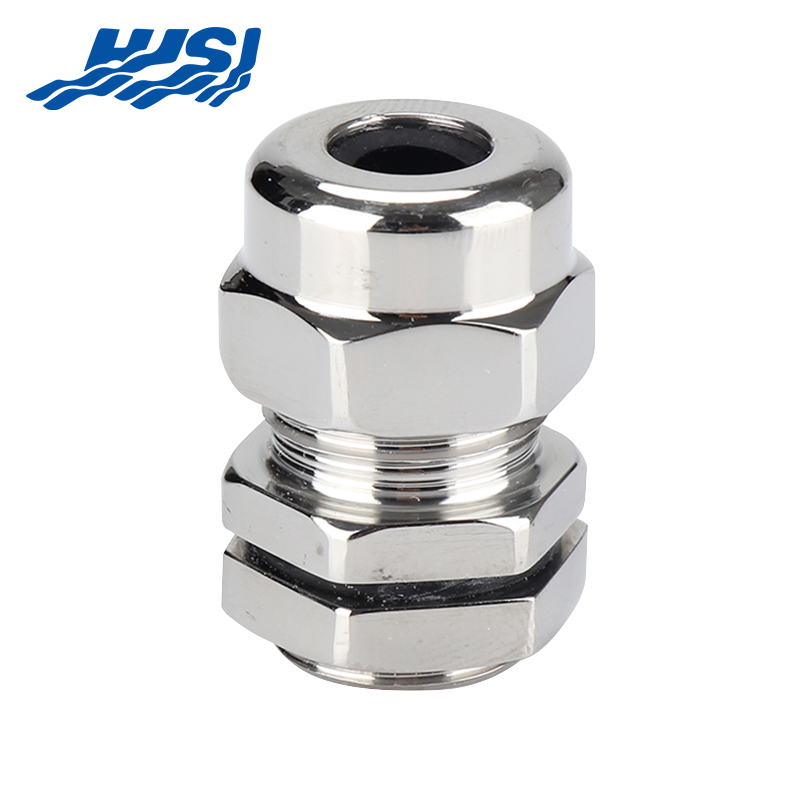
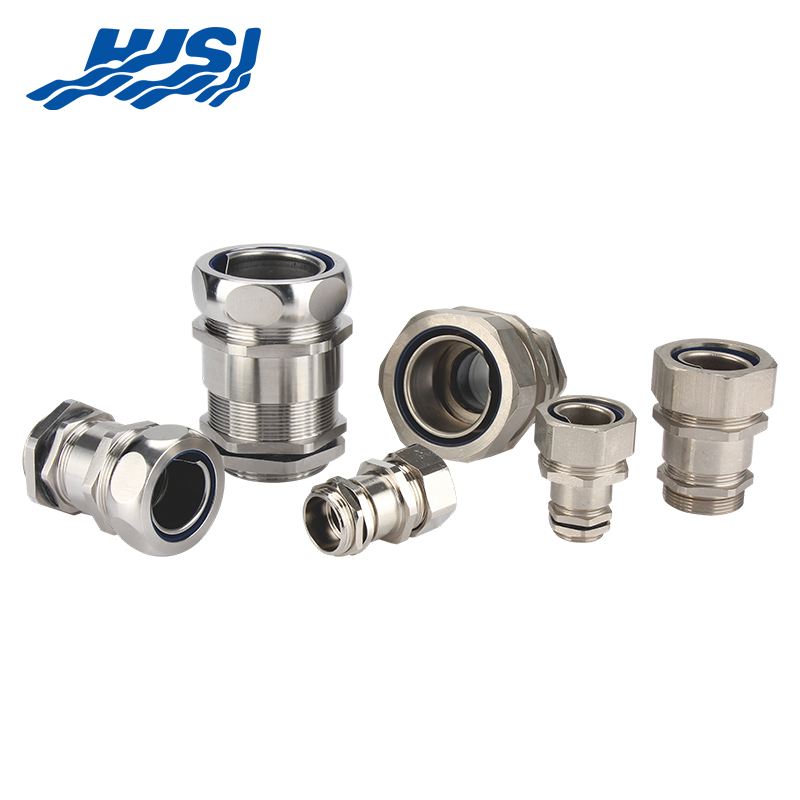
If you are sourcing CW type glands for armoured terminations, our CW industrial cable gland kit lists the construction and sealing approach in plain terms, and our team can help you match your measured readings to the right configuration before the order goes out.
Send us your layer measurements, and we will confirm the fit with you. It is a short conversation that prevents a long repair.

2nd Floor, Building 2, No. 188, Punan 3rd Road, Economic Development Zone, Yueqing City, Wenzhou City, Zhejiang Province, China

Copyright @ Zhejiang HJSI Connector Co., Ltd. All rights reserved.

China Waterproof Breathable Valve Manufacturer
 +86-15858552966
+86-13356176555
 English
 русский
 عربى