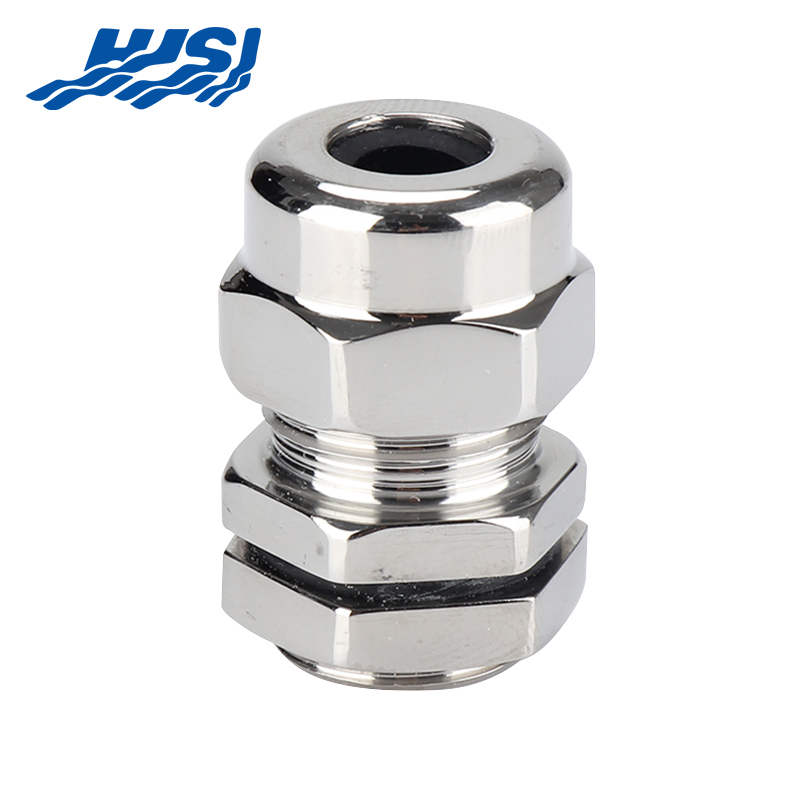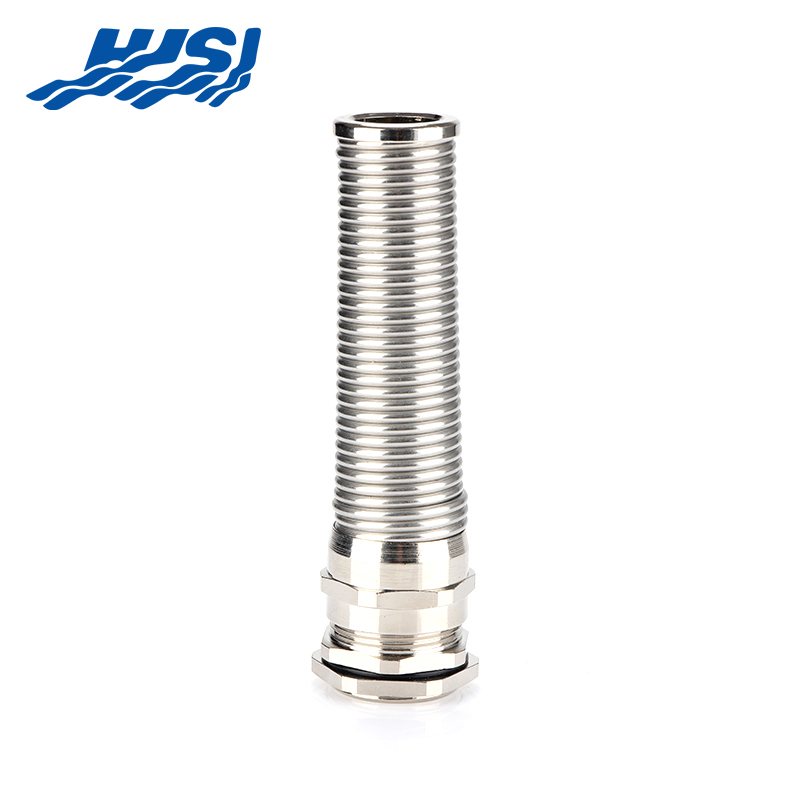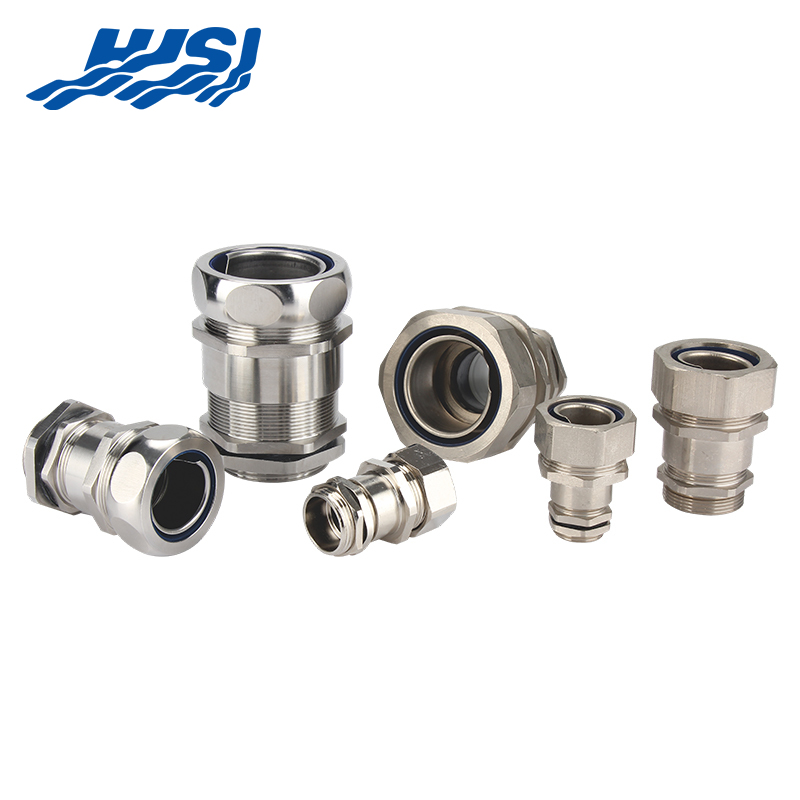
Factories, hospitals, vehicles, and power plants all rely on electronic systems to manage operations, monitor conditions, and exchange information. In these settings, signals from switches, radios, and high-power lines create an electromagnetic backdrop that can disrupt nearby circuits. EMC Cable Gland offer a reliable method to counter this by anchoring cables and linking their shields to grounded surfaces. This connection helps divert noise away from internal components, promoting stable function across various uses.
Cable entries into control boxes or equipment casings represent potential pathways for interference. If the cable shield breaks or connects poorly, external fields can couple into wires, causing glitches or data errors. EMC glands incorporate metal contacts—like rings or prongs—that grip the shield tightly upon assembly. Unwanted currents then flow harmlessly to ground rather than infiltrating the system.
| Application | Key Challenges | Role of EMC Cable Glands | Benefits |
|---|---|---|---|
| Consumer Goods Assembly Lines | Noise from conveyor motors causing delays or misalignment in position sensors and timers | Provide shielding at cable entry points | Sustain smooth workflows and product consistency |
| Remote Renewable Energy Setups (Wind/Solar) | Electromagnetic activity from storms, grid fluctuations, and broadcast towers; exposure to moisture/particles | Shield connections and block environmental ingress | Enable reliable output adjustment |
| Hybrid Vehicles | Strong fields from power cables near control wiring in limited space | Electrically separate power and control cables via shielded entries | Support precise throttle response and energy distribution |
Distribution centers with automated sorters use cameras and radio links for inventory handling. Data cables span floors to link processors with actuators. Glands with shielding maintain clear transmissions, preventing mix-ups in fast-paced sorting.
Clinical facilities employ devices for vital signs tracking and lab analysis. Signals from mobile phones or equipment nearby might overlay readings. Cable glands with shielding help create quieter zones for electronics, supporting dependable diagnostics.
Construction materials prioritize electrical paths and toughness. Brass components conduct well and shape easily for precise fits. Stainless alternatives withstand humid or acidic surroundings in processing plants. Protective coatings like nickel enhance surface longevity without hindering ground bonds. Lightweight composites cut mass in mobile setups where shielding comes from embedded conductors.
Gasket materials from rubber blends or silicone hold shape under pressure and temperature changes. They resist common solvents and sprays found in automotive or lab spaces.
Fitting a gland requires careful cable prep: remove insulation to reveal the shield without harming cores. Slide the shield over a support ring, then thread through the gland. Securing the outer nut activates contacts and seals together. Using specified tightening levels achieves balance without strain.
Service crews test ground bonds with ohm meters from shield to case. Steady low values show effective paths. Examining gaskets for wear detects exposure issues promptly.
Updating legacy machines frequently involves adding shielding via gland replacements. Sizes often align with prior holes, easing enhancements without full disassembly.
Pharma blending rooms demand cleanable surfaces with shielding. Glands in polished metals or sealed plastics satisfy wash protocols while managing noise.
Control hubs for manufacturing aggregate feeds from many inputs. Shielded ports curb interference between channels carrying varied data streams.
Floating rigs mix radio density with wave motion and salt. Glands suited for wet conditions and shielding keep monitoring gear functional.
Beverage filling lines clean regularly with water. Glands rated for sprays and food contact preserve shielding through cycles.
Energy-conscious motors with speed controls produce waveform distortions. Shielding cables at panels contains these within local areas.
Designs allow part separation for material recovery, aligning with reuse goals.
Layout planning with installers and operators sets entry locations to shorten runs and limit exposure.
User reports guide updates—stronger holds on varied shields, simpler fits, or size indicators.
Development benches for circuits use adaptable glands for testing multiple wires while isolating signals.
Trackside rail boxes endure heat variations and train rumble. Solid shielding links ensure signal lights and barriers respond correctly.
Refineries guide measurement lines through risky areas. Glands with safety ratings merge barrier functions with noise control.
Sewage plants deploy level gauges and chemical dosers. Shielded entries guard against pump interference in damp settings.
Faster network standards in operations need wide-band shielding. Contact shapes now cover extended ranges that earlier models overlooked.
Certain units add overvoltage clamps to handle spikes alongside regular shielding.
Installer education stresses shield handling—uniform exposure and flat placement boost contact quality over time.
Fast-charge stations for vehicles have power feeds entering beside user interfaces. Shielding prevents charge fields from disrupting displays or payments.
Ocean survey craft hold tools for mapping and sampling. Shielded cable ports separate readings from engine alternators and navigation beams.
EMC cable glands address a key vulnerability in system setups by joining mechanical hold with electrical isolation. Through smart materials and builds, they enable secure, sealed links that curb noise in factory, transport, health, power, and study fields. With growing device links, these fittings aid in merging connectivity and defense in practical ways.
| Key Aspect | Description | Benefits & Applications |
|---|---|---|
| Core Function | Joins mechanical hold with electrical isolation | Addresses vulnerability at cable entry points |
| Design & Materials | Uses smart materials and builds for secure, sealed links | Effectively curbs electromagnetic noise |
| Industry Applications | Factory, transport, health, power, and research fields | Supports reliable operation in diverse environments |
| Future Relevance | Aids merging connectivity with defense as device links grow | Enables practical integration in expanding systems |
To build on this, consider how glands integrate into full system checks. Annual electromagnetic scans might pinpoint glands as starting points for noise paths that grow if ignored. Fixing them early avoids broader fixes.
For fresh constructions, choosing glands with changeable contacts supports shifts to new cable styles as tech advances. This adaptability aids long-range planning.
Workshops for dock workers now teach gland setup, stressing tools for even pressure. These abilities make fixes durable in daily use.
Area variations shape gland picks—sunny spots favor fade-resistant coats, while frosty zones need crack-proof seals. Matching to locale boosts outcomes.
Linking with alert systems brings new options. Glands paired with detectors could flag ground shifts, sending notices through networks.
Past designs began as basic seals, growing to include contacts as electronics spread. This change tracks the rise in device complexity, where quiet operation is key.
For builders crafting unique setups, glands allow neat panel ends on custom boards. Groups online exchange advice on pairing glands with wire kinds.
In group operations, stocking uniform glands eases supply, cutting waits when parts fail suddenly.
Rules in several fields require shielded entries for critical lines, turning glands into a must for legal setups.
Viewing expenses, early use of solid glands cuts costs by limiting moisture or noise damages. This view draws careful planners.
Nature effects count too, as sealed setups lower chances of fluid spills from faulty electrics into surroundings.
Gatherings like trade fairs show gland demos, letting visitors grasp benefits in swapping old units.
EMC cable glands stand as useful protectors for electronic paths in diverse spots. Their mix of hold, barrier, and ground makes them core to current setups, backing from simple lights to complex guides. As boats evolve, these parts adapt, assuring safe and smooth runs over waters and weather.
Wait, that last sentence seems off—it's from a previous article. Let me correct to fit EMC theme.
Choosing HJSI EMC cable connectors provides reliable solutions for various industries, effectively managing electromagnetic interference while ensuring safe and durable cable connections. HJSI focuses on conductive materials, reliable shielding contacts, and robust environmental sealing, delivering consistently superior performance in applications such as automation, renewable energy, transportation, healthcare, and telecommunications.
With an emphasis on high-quality construction, easy installation, and long-term shielding effectiveness, HJSI helps reduce system failures, meet regulatory requirements, and lower maintenance costs, making it an ideal choice for engineers and facility managers seeking reliable electromagnetic compatibility solutions.

2nd Floor, Building 2, No. 188, Punan 3rd Road, Economic Development Zone, Yueqing City, Wenzhou City, Zhejiang Province, China

Copyright @ Zhejiang HJSI Connector Co., Ltd. All rights reserved.

China Waterproof Breathable Valve Manufacturer
 +86-15858552966
+86-13356176555
+86-15858552966
+86-13356176555
 English
 русский
 عربى
عربى