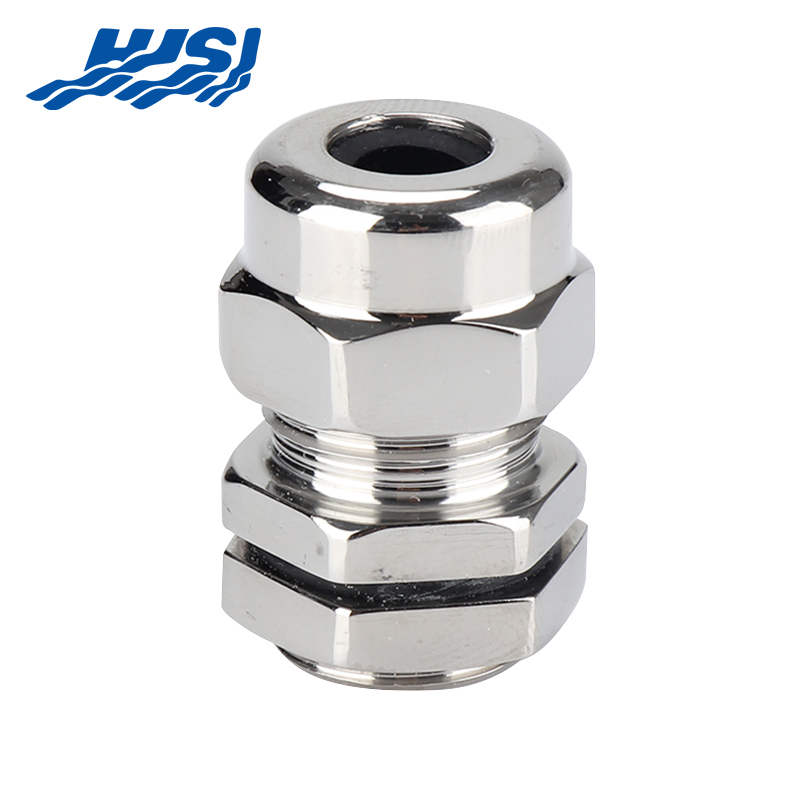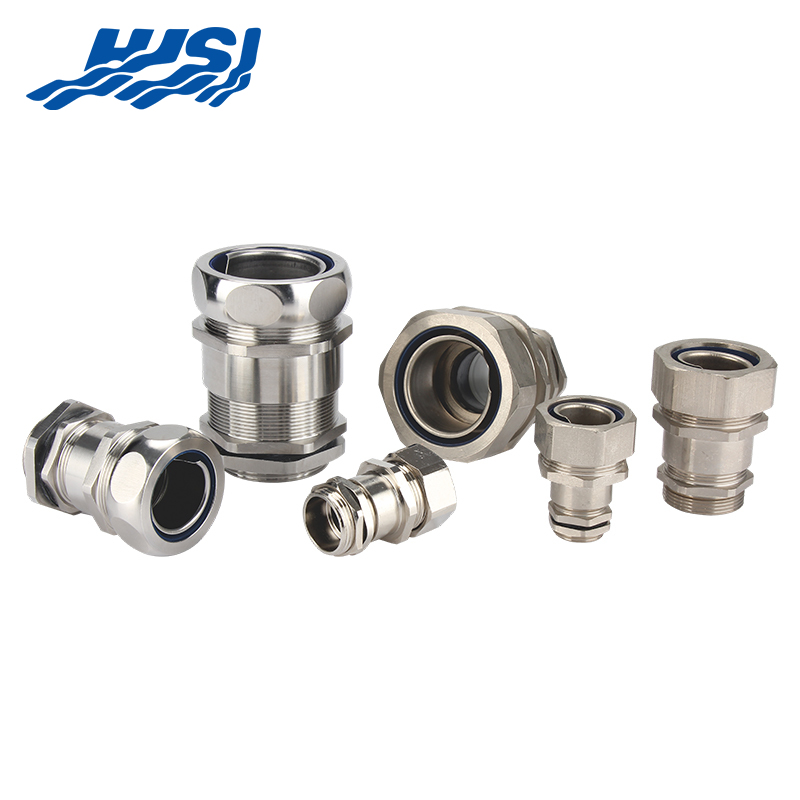
Stainless Steel Cable Gland play a key role in securing cable entries into enclosures and equipment in industrial environments. These components provide strain relief while creating barriers against moisture, dust, and mechanical forces that affect cable performance over time. In manufacturing plants, energy facilities, transportation systems, and automation setups, stainless steel cable glands help maintain wiring integrity amid vibration, weather exposure, and operational stresses.
Cables encounter repeated bending, pulling, vibration, and thermal expansion during normal operation. Stainless steel cable glands address these issues through clamping systems that distribute forces around the cable jacket. This distribution helps limit localized wear on insulation and reduces the chance of conductor strain or breakage at entry points. In heavy machinery areas or transport applications, where movement occurs constantly, the glands contribute to keeping cables anchored without transferring excessive loads inside enclosures.
Stainless steel offers resistance to corrosion from moisture, salt air, or chemical contact. Cable glands made from this material maintain structural strength in marine settings, coastal installations, or processing plants handling aggressive substances.
| Aspect | Key Benefit of Stainless Steel Cable Glands |
|---|---|
| Corrosion Resistance | Resists corrosion from moisture, salt air, and chemical contact |
| Structural Strength | Maintains strength in marine, coastal, and aggressive environments |
| Suitable Applications | Marine settings, coastal installations, chemical processing plants |
The construction supports long service periods in outdoor or humid conditions, reducing the frequency of replacements and helping systems stay operational with fewer interruptions for maintenance.
Sealing elements inside stainless steel cable glands use flexible inserts that conform to cable surfaces and close gaps at the enclosure interface. These inserts help block dust, water, and particles from reaching internal connections. In splash zones, washdown areas, or outdoor energy installations, the sealing supports drier interiors and limits corrosion on terminals. The flexibility of the inserts allows some adaptation to cable movement caused by temperature changes or vibration while keeping contact consistent.
Thread profiles on stainless steel cable glands engage with panel openings to create firm attachment. Precision machining aids even pressure during tightening, which promotes uniform clamping without damaging the cable jacket. Anti-vibration characteristics in the design help the gland stay in place during equipment cycles. Some versions allow modular replacement of sealing or clamping parts, enabling technicians to address wear without removing the entire unit from the enclosure.
Strain relief forms an important part of gland performance by anchoring the cable at the entry point. This anchoring limits movement that could fatigue wires or loosen terminations over time. In automated production lines or control panels with frequent cycling, the glands help cables remain positioned for stable power delivery and signal transmission. Vertical runs or overhead installations benefit from additional nearby supports that work together with the gland to manage pulling forces along the cable path.
In renewable energy projects such as solar arrays or wind setups, stainless steel cable glands secure cables exposed to wind, sun, and temperature swings. Manufacturing facilities use them on machinery subject to constant vibration during production cycles. Transportation infrastructure, including rail and marine applications, relies on the glands for connections that endure motion and environmental exposure. Automation systems incorporate the glands to organize entries in panels handling mixed power and data lines.
Technicians begin by selecting gland sizes suited to the cable and enclosure opening. Careful cable stripping avoids jacket damage that could affect sealing. The gland body threads into the panel first, followed by routing the cable and tightening the clamp section with steady pressure. Alignment checks during assembly prevent gaps or cross-threading. Crews add cable supports or ties close to the gland, especially on vertical drops, to prevent tugging that might loosen the assembly over time. Clean surfaces and gradual tightening contribute to consistent sealing performance.
Regular walkthroughs allow crews to inspect stainless steel cable glands for surface changes, seal compression, or loosening in vibration areas. Accessible locations permit manual checks of clamping grip. Cleaning removes residue that might interfere with sealing surfaces. Sites with extreme exposure, such as chemical plants or offshore locations, often receive closer attention during routine rounds. When replacement becomes necessary, matching new elements to the existing setup helps preserve fit and function. Simple records of site observations support adjustments to inspection frequency based on actual conditions.
Stainless steel cable glands form one part of complete cable routing that includes conduit, trays, and supports. When threads and sealing styles align with enclosure requirements, the glands create organized entry points that simplify future expansions or modifications. In dense panels, they help prevent crowding at cable transitions, supporting better airflow and reducing interference risks. Modular project designs benefit from glands that allow cable additions without major disassembly of surrounding structures.
| Aspect | Benefit of Stainless Steel Cable Glands |
|---|---|
| Role in Cable Routing | Forms part of complete systems with conduit, trays, and supports |
| Alignment with Enclosures | Creates organized entry points when threads and sealing match |
| Future Expansions | Simplifies modifications and cable additions |
| Dense Panels | Reduces crowding at transitions and supports better airflow |
| Interference Management | Helps lower risks of electrical interference |
| Modular Projects | Allows easy cable additions without major disassembly |
Food processing or hygienic facilities sometimes choose stainless steel for its cleanability and resistance to cleaning agents. Chemical or oil-related sites use the material where substances accelerate wear on other metals. Communication cabinets in outdoor settings gain from barriers that limit ingress while providing mechanical stability for signal cables. Both new construction and retrofit projects incorporate these glands for compatibility with various panel materials and thread configurations.
The properties of stainless steel contribute to performance across temperature ranges and corrosive atmospheres. Resistance to pitting or crevice issues in chloride environments extends service life in coastal or industrial air. Compared with other options, stainless steel provides strength paired with reduced reactivity, making it suitable for demanding locations without unnecessary added weight in many cases. Project teams evaluate exposure levels, vibration patterns, and maintenance access when deciding on gland materials for specific installations.
Stainless steel cable glands help manage the combination of mechanical protection and environmental sealing at cable entry points. Their construction addresses stresses that arise in daily service while sealing elements limit unwanted substances from affecting connections. Refinements in clamping and threading support efficiency during initial setup and later upkeep. Across manufacturing floors, energy sites, transport networks, and automated facilities, the glands offer a practical solution for securing cables under real-world conditions.
As automation increases sensor density and renewable installations expand, components that handle mechanical stress and provide durable barriers gain relevance. Designs that facilitate part exchange align with efforts toward practical maintenance and material responsibility. In evolving electrical infrastructure, stainless steel cable glands support reliable operation by reducing variables linked to cable movement or exposure. Teams working on projects continue to rely on these glands where conditions test component limits through vibration, weather, or chemical contact.
Stainless steel cable glands combine robust construction with adaptable sealing to meet demands in complex industrial systems. When installed with proper preparation and supported by suitable cable routing, they contribute to entries that perform consistently over time. Crews in the field find value in the material's resilience, which reduces some risks of premature wear in harsh environments. The glands support electrical systems that deliver dependable results while aligning with needs for safety and operational continuity.
Zhejiang HJSI Connector Co., Ltd. is dedicated to the manufacturing of stainless steel cable glands, leveraging extensive practical experience and specialized engineering expertise. The components supplied by the company are precision-engineered to meet the specific requirements of diverse industrial cable management applications—particularly those involving machinery subject to severe vibration, marine environments, outdoor energy facilities, and automated systems.
By maintaining an unwavering focus on material selection, sealing integrity, and strain relief design, the company provides robust support to electrical engineers and technicians. These professionals require reliable cable entry points capable of withstanding mechanical stress and moisture ingress, enduring the rigors of harsh outdoor environments over the long term, and operating without the need for frequent intervention or maintenance. In projects spanning manufacturing, renewable energy, transportation infrastructure, and various processing facilities—where corrosion resistance and secure cable retention are critical to ensuring operational continuity and minimizing maintenance downtime—these high-quality cable glands serve as the preferred solution.
HJSI skillfully combines rugged stainless steel construction, adaptable sealing elements, and rapid, user-friendly installation features to empower clients in building cable routing systems that remain neat, secure, and fully functional across a wide spectrum of industrial settings. This approach not only instills confidence in installation teams as they execute their tasks but also ensures that system maintenance remains efficient and seamless throughout the entire operational lifecycle.

2nd Floor, Building 2, No. 188, Punan 3rd Road, Economic Development Zone, Yueqing City, Wenzhou City, Zhejiang Province, China

Copyright @ Zhejiang HJSI Connector Co., Ltd. All rights reserved.

China Waterproof Breathable Valve Manufacturer
 +86-15858552966
+86-13356176555
+86-15858552966
+86-13356176555
 English
 русский
 عربى
عربى