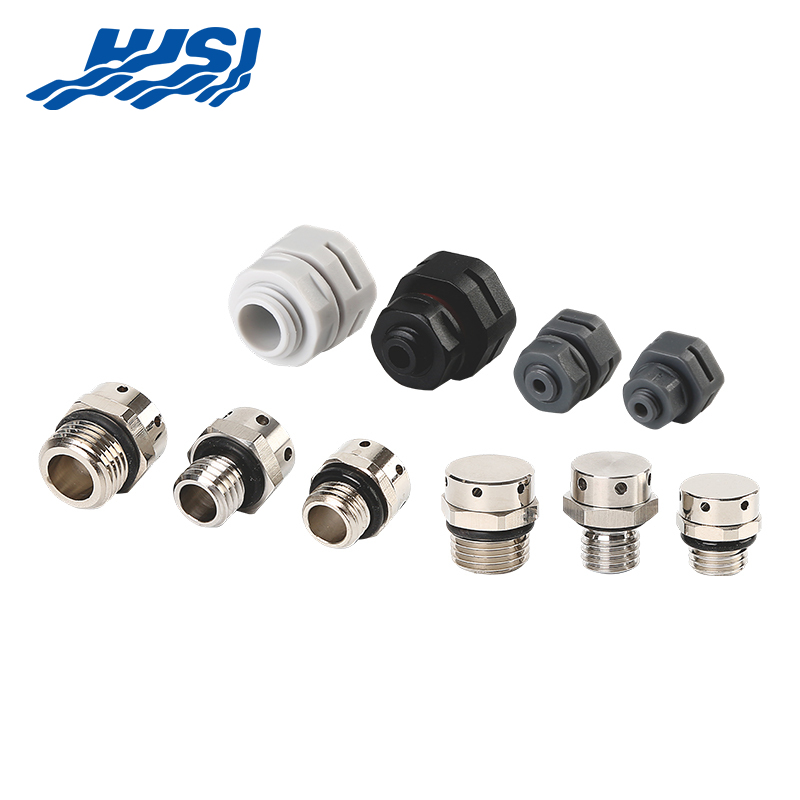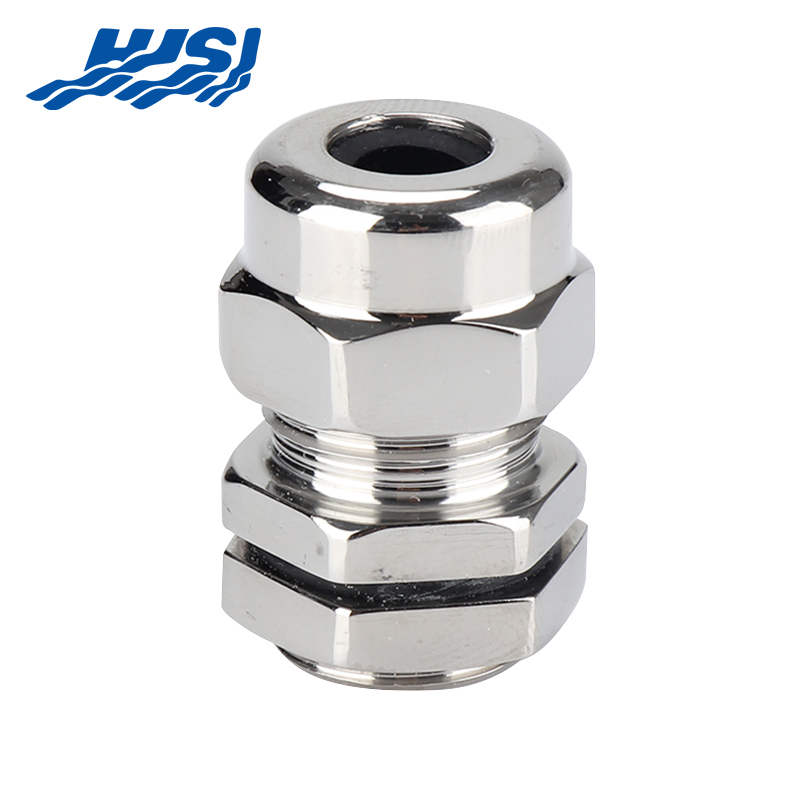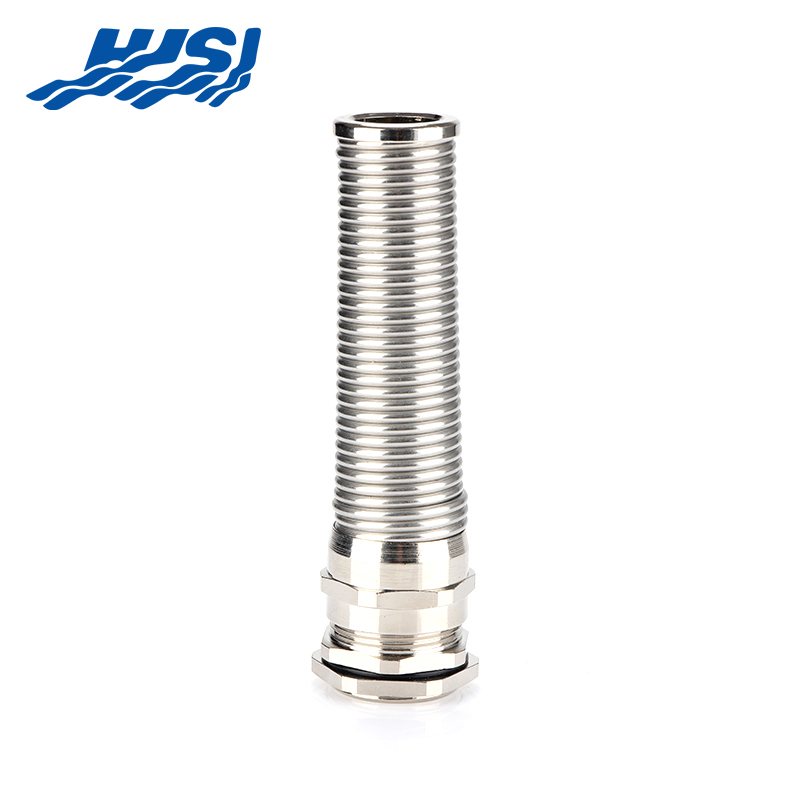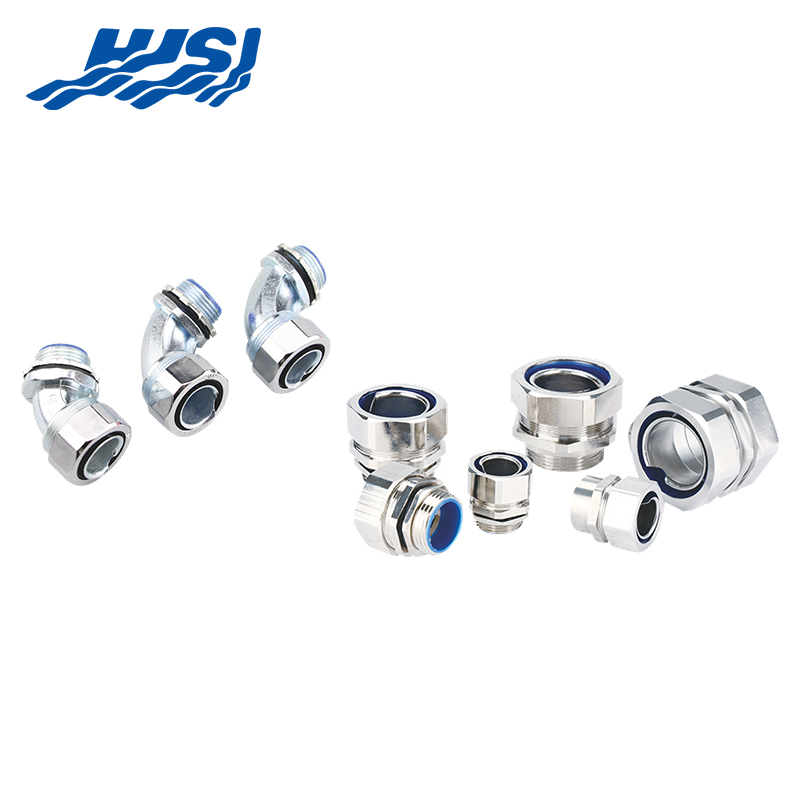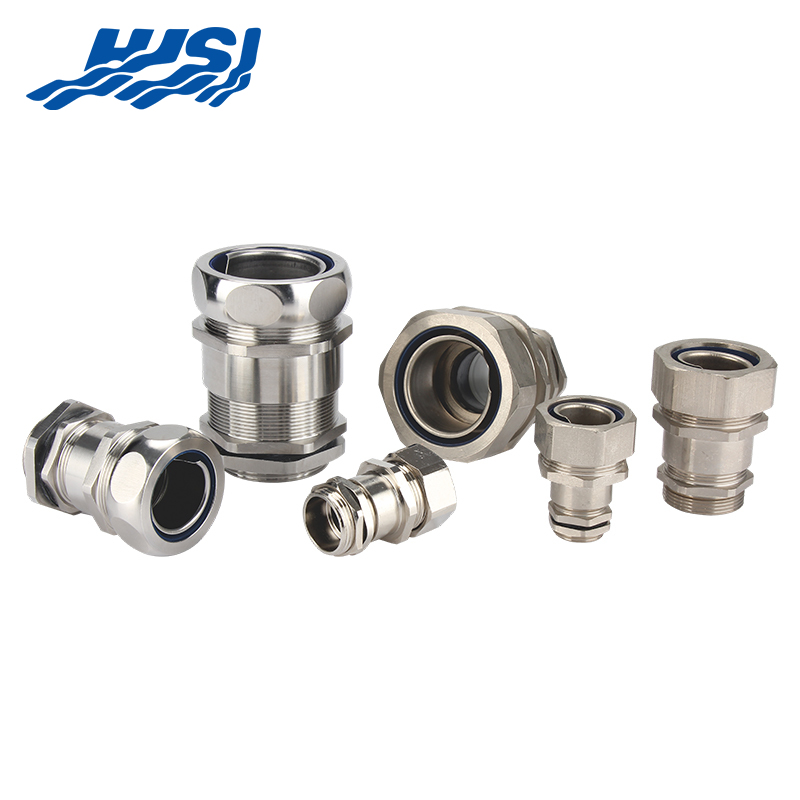
Conduit fittings, including Conduit Gland types, connect sections of conduit, enable turns and branches in wiring paths, and secure raceways at enclosures or terminations. These components shield electrical conductors from mechanical damage, environmental factors, and potential hazards in residential dwellings, commercial structures, industrial facilities, and outdoor infrastructure. Comparing fittings fabricated from metal to those produced from plastic reveals variations in composition, strength characteristics, interaction with surroundings, assembly approaches, thermal performance, electrical properties, and project applicability.
Metal conduit fittings are constructed from alloys including steel types or aluminum compositions. These materials form crystalline structures that deliver consistent rigidity and capacity to bear loads. The atomic arrangement in metals supports predictable responses to forces and temperature shifts.
Plastic conduit fittings primarily consist of thermoplastic resins, with formulations such as polyvinyl chloride compounds predominating. Molecular chains in these polymers create structures that permit degrees of flexibility and lower density compared to metals. Additives during production can adjust properties like flame resistance or impact tolerance.
| Aspect | Description |
|---|---|
| Primary Material | Thermoplastic resins (e.g., PVC compounds) |
| Molecular Structure | Long polymer chains → provide flexibility and low density |
| Density Comparison | Significantly lower than metals |
| Key Adjustable Properties (via additives) | Flame resistance, impact tolerance, UV stability, etc. |
| Main Benefits | Flexibility • Lightweight • Customizable performance |
Density contrasts influence handling from manufacturing through field placement. Metal fittings contribute greater mass, affecting shipment volumes and requiring increased physical effort during positioning. Plastic fittings lighten assemblies, facilitating movement of longer conduit segments and reducing fatigue in multi-level or extended installations.
Strength under load distinguishes the categories. Metal fittings resist deformation from compression, impacts, or vibration in environments with equipment movement, construction activity, or occasional contact. This capability suits placements where conduits face potential knocks or structural shifts.
Plastic fittings respond to forces through elastic properties in various circumstances. Moderate impacts or slight displacements can be absorbed without immediate failure when support arrangements prevent excessive bending. Adequate hanger spacing and bracing apply to both materials to limit long-term deflection, though force transmission differs according to stiffness levels.
Ambient conditions affect material stability over time. Metal fittings encounter surface changes in humid, saline, or vapor-laden atmospheres unless surface treatments provide barriers. In locations with persistent wetness—such as below-grade installations, coastal regions, or wash-down areas—inspection routines and protective measures help sustain joint function.
Plastic fittings exhibit strong resistance to moisture-related breakdown and many mild chemical agents due to inherent inertness. This behavior supports consistent performance in damp trenches, chemical processing zones, or areas with occasional spills. Routing decisions consider exposure severity for both types, but responses vary with environmental profiles.
Mass impacts efficiency across supply and installation phases. The heavier nature of metal fittings increases demands during lifting to overhead positions, ladder access, or confined mechanical spaces. Secured installations benefit from inherent stability that limits post-attachment shifts.
Plastic fittings decrease system weight, enabling single workers to manage longer runs and perform adjustments with reduced strain in elevated or restricted areas. In layouts with potential flex under conductor loads or temperature changes, supplemental supports maintain alignment.
Joining techniques align with material traits. Metal fittings commonly feature threaded interfaces, compression clamps, or set-screw arrangements. These demand accurate alignment, controlled tightening, and occasionally conduit forming tools. Mechanical engagement provides tactile confirmation, though sequential connections in detailed configurations extend working time.
Plastic fittings utilize solvent-based fusion or mechanical push-in mechanisms. Solvent application creates chemical bonds that unify surfaces after curing intervals. Push-in styles permit insertion and locking with opportunities for minor repositioning prior to final commitment. Preparation steps—cleaning and drying surfaces—remain essential, but plastic processes often proceed more rapidly in linear segments or frequent direction changes.
Dimensional stability under thermal cycling matters for joint reliability. Metal fittings change size at rates compatible with corresponding conduit types and structural elements, preserving tightness through seasonal or operational fluctuations.
Plastic fittings show elevated expansion responses. Extended straight sections in environments with wide temperature ranges—such as exterior exposures or unconditioned industrial spaces—may incorporate expansion provisions or offset configurations to accommodate movement and reduce stress concentrations. Controlled interior settings lessen the need for such accommodations.
Heat and flame interaction varies significantly. Metal fittings maintain form and resist ignition at high temperatures, contributing to raceway continuity during incidents until mitigation occurs. Conductive characteristics support bonding and grounding continuity.
| Aspect | Metal Fittings Performance |
|---|---|
| Form maintenance | Retain shape and structural integrity at high temperatures |
| Ignition resistance | Resist ignition and burning |
| Raceway continuity | Help maintain pathway integrity during fire until suppression |
| Conductive properties | Support effective bonding and grounding continuity |
| Overall role in incidents | Contribute to system reliability until mitigation measures act |
Plastic fittings include retardant compounds in many versions to restrict flame propagation. Exposure to intense heat leads to softening or decomposition at thresholds determined by formulation. Integration into fire-resistant designs depends on alignment with enclosure ratings, penetration seals, and smoke control strategies.
Electrical properties shape safety approaches. Metal fittings form part of conductive pathways when bonded appropriately, enabling fault currents to return efficiently and aiding overcurrent protection operation in raceway-grounded systems.
Plastic fittings insulate electrically, necessitating dedicated grounding conductors within or alongside the conduit. Design evaluations account for circuit demands, occupancy classifications, and grounding continuity requirements.
Certain workplaces—factories running chemical reactions, research labs mixing solutions, or storage rooms holding reactive materials—put conduit fittings in situations where they may touch or be exposed to liquids, vapors, or splashes. Metal fittings in these areas need thoughtful review whenever strong acids, caustic cleaners, or process waste streams are nearby. Unprotected metal can pit, corrode, or lose strength after repeated or prolonged contact. Teams commonly handle the issue by rerouting the conduit away from splash zones, adding barrier paints or wraps, or choosing entirely different paths that keep the fittings clear of trouble.
Plastic fittings usually stand up better to a range of everyday chemicals found in maintenance and cleaning routines: common solvents, disinfectants, dilute acids, and alkaline washes. Because they don't react the way metals do, they hold their shape and strength even after occasional spills, airborne mist, or regular wipe-downs. That makes them a frequent choice in food-processing plants, medical compounding areas, water-treatment facilities, and similar settings where chemicals are part of normal operations. In practice, the deciding factor is always a close look at the specific substances present and how often the fittings will actually see them.
Any conduit installed outside has to deal with years of direct sunlight pouring ultraviolet rays onto its surface. Metal fittings handle this exposure quite well over the long haul. The base material stays structurally sound even after decades in the open; any surface finish might slowly fade, chalk, or show light discoloration, but the fitting itself continues to do its job. That steady performance is why metal sees regular use on building rooftops, along light poles, in parking-lot equipment pads, and anywhere else the conduit stays fully exposed to the elements year-round.
Plastic fittings react differently to constant sun. Left unprotected, the surface can gradually turn brittle, crack under light impact, or take on a faded, yellowish tint after many seasons. To push back against those changes, producers blend in stabilizers during manufacturing that slow the breakdown significantly. When conduit must run in bright, unshaded locations, installers try to keep it on the north side of structures, slip it inside protective sleeves, or build regular walk-by inspections into the maintenance plan so any early wear shows up before it becomes a problem.
Money decisions for conduit work go well beyond the price tag printed on the box of fittings. Metal versions tend to cost more right off the shelf because of the raw materials and the steps needed to shape them. On the other hand, their natural stiffness often lets installers space supports farther apart, which cuts down on the number of brackets, rods, and anchors required throughout the run. That reduction in extra hardware—and the labor to put it up—can make the overall installed cost more competitive in jobs where long, straight sections dominate.
Plastic fittings generally come in at a lower initial price point, which adds up quickly on big commercial jobs, warehouse expansions, or any project that needs hundreds of connections. The pieces are also much lighter, so shipping costs drop and workers can move material around the site faster with less strain. On top of that, many plastic joining methods take less time per fitting than metal threading or tightening, sometimes shaving noticeable hours off the labor budget. Smart budgeting looks at all those pieces together: material cost, freight, handling effort, installation speed, and whatever maintenance or replacement might be expected down the road.
How much effort a fitting needs after it's in place depends heavily on what it's made of. Metal fittings are fairly straightforward to keep an eye on. A quick wipe-down clears away dust or grime, and a visual sweep can spot early rust spots, loose threads, or coating wear in places that are easy to reach. When something looks off, a little touch-up or re-tightening usually brings it back in line. Those simple checks slide easily into any building or plant's regular walk-through schedule.
Plastic fittings ask for even less day-to-day attention in normal service. A rag removes surface dirt, and a glance confirms that joints haven't started to separate or show stress cracks. Since plastic doesn't rust or pit, the main things crews watch for are physical damage from bumps or scrapes in busy areas. Both kinds of fittings allow quick, non-destructive checks—looking, tugging lightly, or testing electrical continuity where it applies—so keeping tabs on them becomes just another routine item rather than a major chore.
Today's projects often weigh how materials are sourced and what happens to them at the end of their useful life. Metal fittings come from mining operations and scrap yards, and the recycling industry has long had efficient ways to collect, melt down, and reuse them. When a run is decommissioned, the fittings still carry decent scrap value and can go right back into making new parts. Because they hold up so long in tough conditions, replacements happen less often, which keeps overall resource demand lower across decades.
Plastic fittings start as petroleum-based or sometimes plant-derived resins. Recycling works well in places that have sorting lines set up for those specific polymers, letting the material re-enter manufacturing instead of heading to a landfill. Their much lighter weight means trucks burn less fuel hauling the same footage of conduit, cutting the carbon footprint of delivery. How much actually gets recycled still depends on local collection programs and how cleanly the used pieces can be separated, but the potential for lower environmental impact is clearly there.
Homeowners and remodelers reach for metal fittings wherever extra toughness matters—attached garages with power tools and lawnmowers, crawl spaces or basements near boilers and water softeners, exterior entries that see weather and yard equipment. Plastic fittings cover the rest of the house: runs fished through wall studs, up into attics, or dropped behind drywall, where the lighter pieces are easier to maneuver during framing and finishing stages.
In offices, stores, hotels, and schools, metal fittings show up in back-of-house mechanical rooms, elevator pits, loading docks, and any corridor that gets constant foot traffic or service-cart vibration. Plastic fittings speed up work in large open ceilings, relocatable office partitions, and tenant spaces that expect frequent layout changes as leases turn over.
Factories and heavy-process plants count on metal fittings around stamping presses, conveyor drives, compressors, and anywhere else big motors or moving parts create steady vibration or the chance of a stray tool strike. Plastic fittings fit naturally in cleaner zones—control rooms, finished-goods storage, packaging lines—where chemical resistance and the lack of conductivity bring practical benefits without sacrificing everyday durability.
Outside and below grade, metal fittings take on soil weight, occasional vehicle traffic, or frost heave when they're properly bedded and encased; keeping water away from joints stays a priority. Plastic fittings make trenching and boring jobs go smoother because they bend just enough to follow gentle sweeps and grade changes without needing extra elbows or sweeps at every turn.
When the time comes to select conduit fittings that will stand up to real-world demands—whether in a bustling industrial plant, a sun-baked rooftop run, or a damp underground duct—HJSI emerges as a partner built around practical reliability and forward-thinking design.
By prioritizing consistent quality, responsive customization, and innovations that keep pace with evolving project needs—from renewable energy layouts to heavy-process facilities—HJSI helps turn complex electrical raceway challenges into dependable, efficient systems that deliver peace of mind for years after the last connection is made. Choosing HJSI means investing in fittings engineered not just to meet specifications, but to perform reliably where it matters most, supporting safer wiring and smoother operations across every job site.

2nd Floor, Building 2, No. 188, Punan 3rd Road, Economic Development Zone, Yueqing City, Wenzhou City, Zhejiang Province, China

Copyright @ Zhejiang HJSI Connector Co., Ltd. All rights reserved.

China Waterproof Breathable Valve Manufacturer
 +86-15858552966
+86-13356176555
+86-15858552966
+86-13356176555
 English
 русский
 عربى
عربى