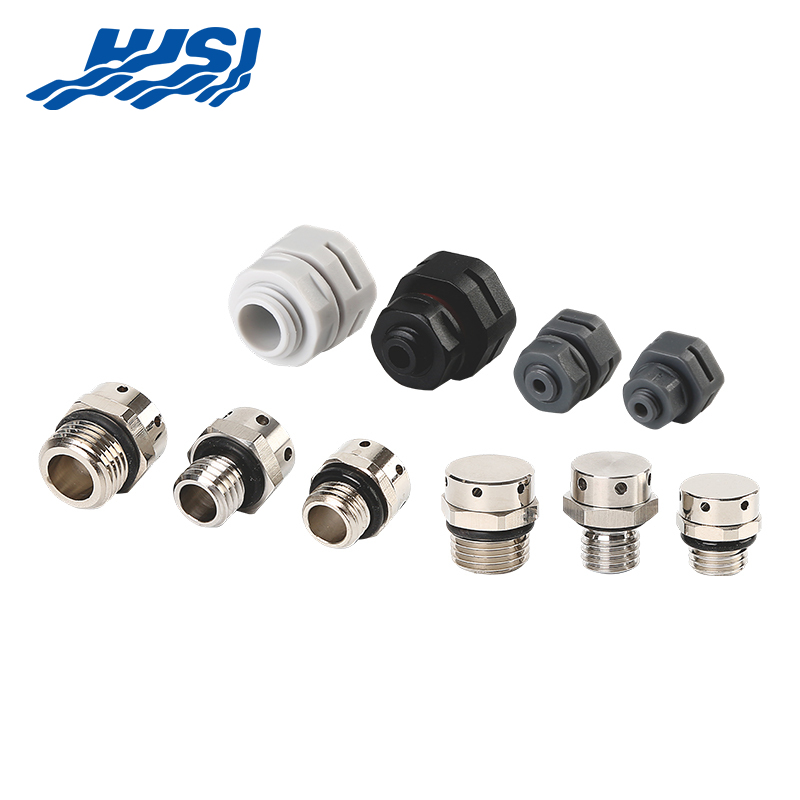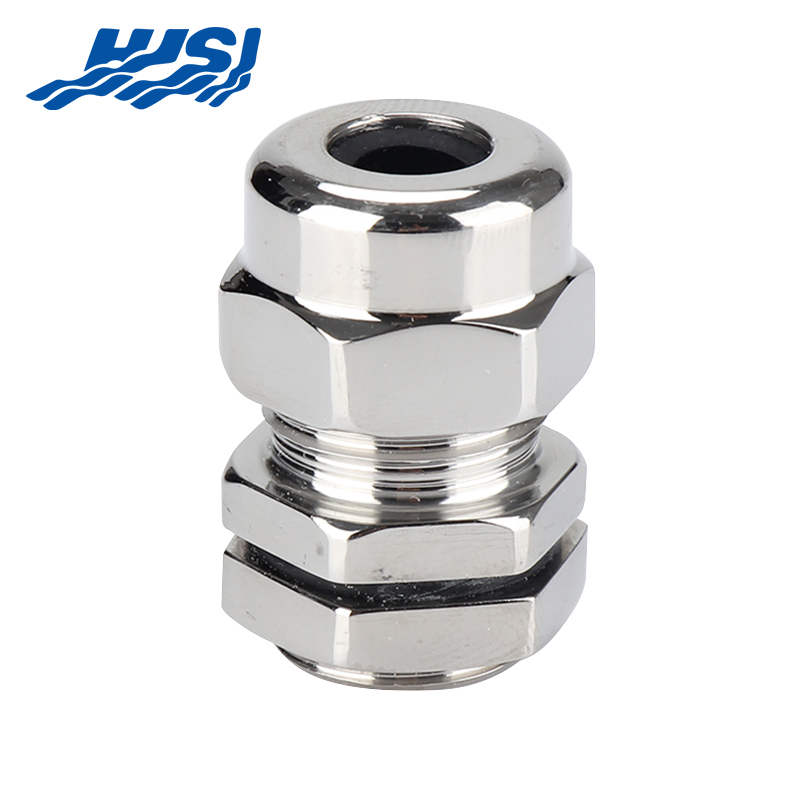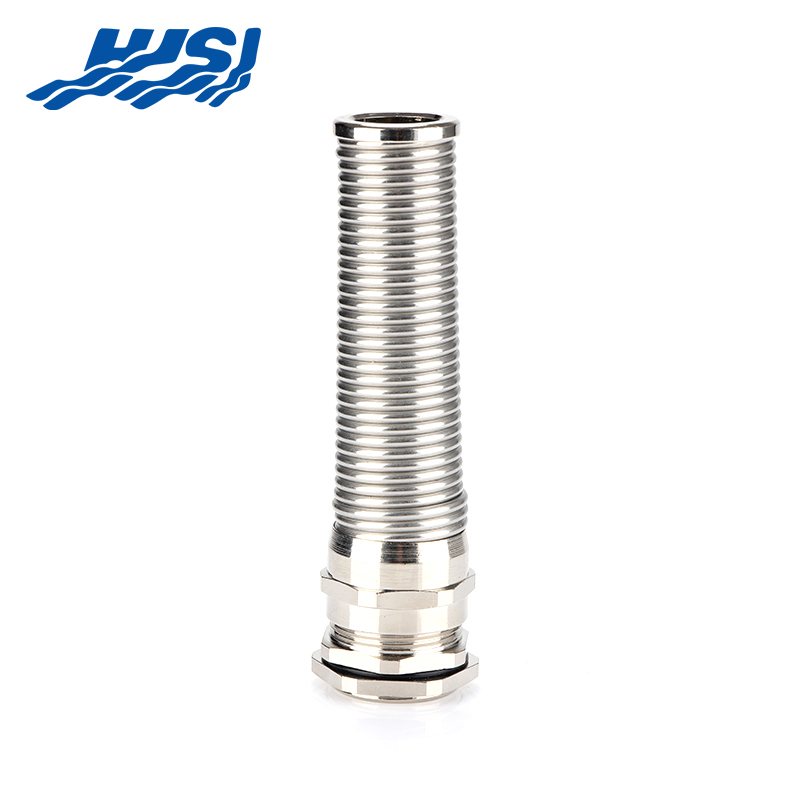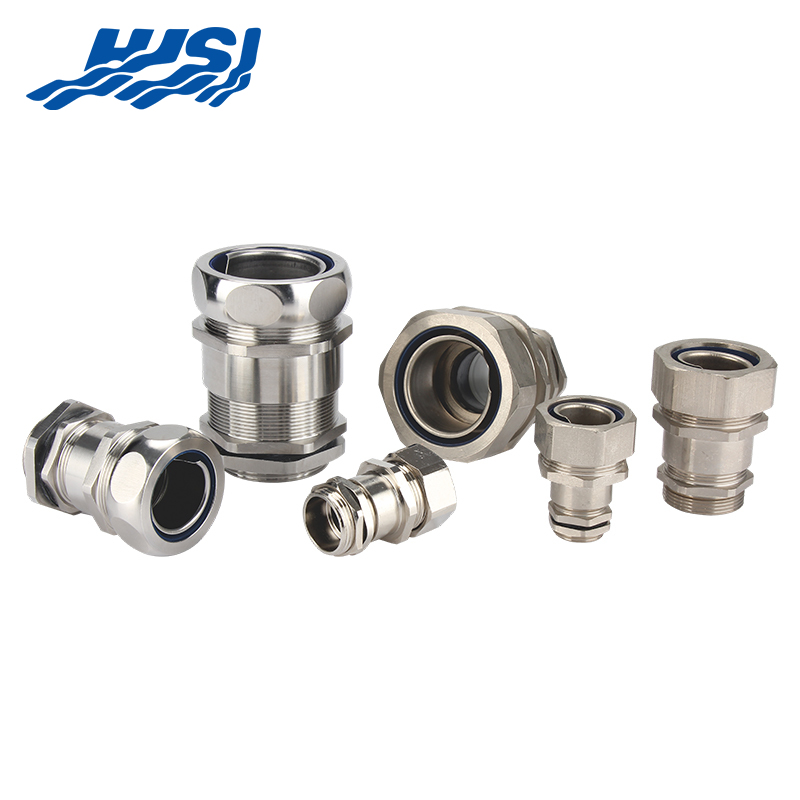
Commercial buildings stand as complex environments where electrical systems must deliver power reliably across offices, stores, medical clinics, schools, warehouses, hotels, and mixed-use developments. These structures require wiring that reaches lighting fixtures, outlets, control panels, data networks, security equipment, HVAC controls, and specialized machinery. Conduit Gland and conduit connectors serve as the critical linking components that join sections of protective conduit, ensuring the entire pathway for conductors remains secure, continuous, and protected.
Conduit itself functions as a sleeve that shields wires from mechanical damage, moisture, dust, corrosive substances, and accidental contact. Connectors extend this protection across every joint, angle change, material transition, and enclosure entry. In commercial settings—where conduit runs frequently cover hundreds or thousands of feet, pass through multiple floors, navigate around structural elements, and adapt to changing tenant layouts—these connectors enable practical assembly, safe operation, and straightforward modifications over the building's lifespan.
The primary task of a conduit connector is to create a mechanically sound and environmentally tight joint between two pieces of conduit or between conduit and an enclosure. This joint preserves the protective qualities of the conduit system from start to finish.
In commercial buildings electrical loads can be substantial and varied. A single floor might contain dozens of branch circuits feeding task lighting, general illumination, receptacle circuits, dedicated equipment circuits, emergency lighting, fire-alarm pathways, security-system wiring, communication backbones, and building automation controls. Connectors ensure that every section of conduit remains aligned and locked together so that conductors stay fully enclosed.
Connectors also provide a means to maintain electrical continuity for grounding when metallic conduit is used. A properly assembled joint keeps resistance low along the entire grounding path, which becomes especially important in locations where fault currents could be high.
From a construction standpoint, connectors support modular installation methods. Conduit can be cut, threaded, or prepared in manageable lengths, transported to the work area, and then joined in place. This reduces the amount of heavy cutting, bending, and threading that must occur in confined ceiling spaces, narrow wall chases, or occupied tenant areas.
| Aspect | Traditional/On-Site Method | Modular Method with Connectors | Main Benefit |
|---|---|---|---|
| Conduit Preparation | Heavy cutting, bending, threading in place | Cut, threaded, or prepared in manageable lengths off-site | Less work in confined or occupied areas |
| Transportation | Long sections difficult to move | Prepared lengths easily transported to site | Improved logistics and handling |
| Assembly Location | Performed in tight ceiling spaces, wall chases, or occupied tenant areas | Joined in place after preparation elsewhere | Safer, faster, less disruptive installation |
| Overall Impact | Time-consuming, labor-intensive in restricted areas | Supports modular approach | Reduced heavy on-site work, better efficiency |
Safety remains a central concern. Exposed conductors or loose joints increase the likelihood of arcing, overheating, insulation failure, or contact with live parts. Connectors that hold firmly and seal effectively help prevent these conditions, contributing to reduced risk throughout the life of the installation.
Commercial electricians work with several families of conduit connectors, each matched to a particular conduit material and installation requirement.
Straight couplings join two pieces of conduit in a direct line. Compression-style couplings tighten a ring or ferrule around the conduit exterior, threaded couplings engage pre-cut threads, and set-screw couplings clamp with one or more screws.
Elbow connectors introduce direction changes, most often ninety degrees but sometimes forty-five degrees or long-radius sweeps. These fittings allow conduit to turn corners around columns, beams, or ductwork without forcing sharp bends that would damage conductor insulation during pulling.
Transition connectors bridge dissimilar conduit types or sizes. They commonly appear when switching from rigid metallic conduit in a main run to flexible metallic conduit near vibrating equipment or from metallic to non-metallic conduit in corrosive environments.
Box-entry connectors attach conduit directly to junction boxes, outlet boxes, panelboards, or equipment cabinets. These typically include a locknut on one side and a threaded hub or compression fitting on the conduit side, often with an insulating bushing to protect conductor insulation.
Sealing connectors add gaskets, o-rings, or compression seals to block water, dust, or corrosive vapors. They find frequent use in below-grade runs, parking garages, mechanical rooms, loading docks, or any area subject to occasional wetting.
Locknut-style connectors rely on threaded engagement plus a locknut to resist vibration and prevent loosening. They suit rigid conduit in locations where equipment movement or building settlement might otherwise work fittings loose over time.
Flexible conduit connectors use squeeze-type clamps or clip mechanisms that grip the convoluted surface without damaging the conduit. These allow movement near motors, pumps, rooftop units, or other sources of vibration.
Each variety addresses a distinct need. Choosing the correct connector for the conduit type, environmental exposure, mechanical stress, and grounding requirement helps ensure long-term reliability.
Office environments feature large open floor plates, private offices, conference suites, server rooms, break areas, and lobbies. Electrical systems must support general lighting, task lighting, computer circuits, printer circuits, telephone/data outlets, access controls, and building automation.
Conduit often runs in plenum spaces above suspended ceilings. Straight couplings extend long horizontal runs, elbow connectors navigate around structural steel or ductwork, and transition connectors drop flexible conduit to power poles or floor boxes.
Conference rooms and training spaces require discreet wiring for projectors, screens, sound systems, and video-conferencing equipment. Box-entry connectors secure conduit to floor-mounted or wall-mounted boxes, while set-screw couplings allow future access for cable additions.
Server rooms and communication closets contain dense cabling that generates heat. Sealing connectors reduce dust infiltration that could clog cooling systems or settle on circuit boards. Locking connectors maintain tight joints in areas with constant fan movement.
Lobby areas and reception desks integrate decorative lighting, digital directories, security turnstiles, and visitor-management screens. Coupling connectors permit concealed runs behind architectural finishes, preserving clean sight lines.
Vertical riser shafts carry feeders and branch circuits between floors. Threaded rigid conduit with locknut connectors handles minor differential movement caused by temperature changes or building sway.
In offices, conduit connectors enable layouts that can be reconfigured when tenants change, departments reorganize, or new technology is introduced.
Retail stores, shopping centers, showrooms, and mixed-use podium levels require electrical distribution that supports merchandise lighting, accent lighting, track lighting, point-of-sale systems, security cameras, digital signage, and occasional refrigeration or cooking equipment.
Conduit frequently branches to serve multiple display zones. Elbow connectors turn around shelving standards or structural columns, straight couplings extend to perimeter walls, and transition connectors shift to flexible conduit near adjustable fixtures.
Checkout counters and service desks need reliable receptacle circuits. Box-entry connectors link conduit to under-counter enclosures, providing stable connections that withstand daily use.
Stockrooms, receiving docks, and utility corridors expose conduit to material handling and occasional moisture. Sealing connectors protect against dust from cardboard and packaging or water from wash-downs.
Exterior signage, facade lighting, and parking-lot bollard lights use weather-resistant connectors. These fittings join indoor conduit to outdoor runs that endure rain, snow, and temperature swings.
In shopping centers with multiple tenants, conduit connectors integrate into shared utility corridors. Locking couplings secure long horizontal runs that serve several lease spaces.
Conduit connectors in retail allow electrical systems to accommodate seasonal merchandising changes, fixture relocations, tenant improvements, and promotional setups with reasonable effort.
Hospitals, clinics, outpatient centers, long-term care facilities, and similar institutions place high priority on electrical continuity, cleanliness, and infection control. Conduit connectors support systems that meet these expectations.
Patient rooms contain conduits for general lighting, reading lights, nurse-call devices, medical-gas alarms, television outlets, and receptacles for portable equipment. Straight couplings run through walls, elbow connectors fit around casework, and box-entry connectors serve bedside outlets.
Operating rooms, procedure rooms, and imaging suites require pathways that remain free of contaminants. Sealing connectors block dust and vapors from entering conduit runs that supply power to sensitive instruments.
Emergency departments, intensive-care units, and critical-care areas feature extensive backup-power wiring. Transition connectors link rigid conduit in main feeders to flexible conduit near transfer switches or generators.
Corridors and waiting areas run long conduit for emergency lighting, exit signs, fire-alarm devices, and public-address speakers. Elbow connectors navigate turns while maintaining gentle bend radii.
Laboratory and pharmacy spaces protect wiring from chemical exposure. Sealing connectors and corrosion-resistant fittings help preserve conductor insulation.
Administrative offices and record-storage areas use standard office-style conduit layouts with coupling connectors that permit network expansions.
In healthcare settings, conduit connectors contribute to systems that remain functional during routine use and during emergencies.
Schools, colleges, universities, and training centers require electrical distribution for classrooms, lecture halls, laboratories, libraries, dormitories, athletic facilities, and administrative offices.
Classrooms feature conduits for general lighting, whiteboard power, projector mounts, computer outlets, and interactive displays. Straight couplings extend runs, elbow connectors adjust to built-in cabinetry.
Science laboratories protect wiring from spills, fumes, and heat. Sealing connectors and corrosion-resistant fittings safeguard circuits that serve fume hoods, benches, and equipment.
Auditoriums, gymnasiums, and performance spaces contain conduits for theatrical lighting, sound reinforcement, and scoreboards. Locking connectors resist vibration from large crowds or mechanical equipment.
Outdoor walkways, parking areas, and athletic fields use weatherproof connectors for pathway lighting, security cameras, and irrigation controls.
Dormitory rooms and student housing integrate connectors for receptacle circuits, Wi-Fi access points, and individual climate controls. Coupling connectors facilitate upgrades as technology needs evolve.
Libraries and study areas support extensive computer networks and charging stations. Transition connectors allow flexible drops to tables and carrels.
Conduit connectors in educational buildings enable electrical infrastructures that grow with curriculum changes and enrollment fluctuations.
These facilities handle large volumes, heavy equipment, and high-bay lighting. Conduit connectors support distribution that withstands industrial conditions.
Production floors and assembly lines route conduit overhead or along racking. Straight couplings span long distances, elbow connectors avoid interference with conveyors or cranes.
Loading docks and shipping/receiving areas expose conduit to weather and vehicle activity. Sealing connectors prevent water entry during rain or wash-downs.
Control rooms and motor-control centers use box-entry connectors for power and data feeds. Locking connectors maintain joints under constant vibration.
High-bay lighting requires vertical risers where connectors accommodate height differences and thermal expansion.
Maintenance shops and tool cribs benefit from accessible coupling connectors that allow quick circuit additions or repairs.
In these spaces, conduit connectors help electrical systems endure rigorous use while supporting operational efficiency.
Well-chosen and correctly installed connectors provide several tangible benefits.
Continuous protection reduces exposure of conductors to damage or contaminants.
Installation proceeds more smoothly when connectors match the conduit system and site conditions.
Joints resist loosening from vibration, settlement, or thermal cycling.
Future modifications become feasible with minimal demolition or rework.
Compliance with electrical codes and inspection requirements simplifies.
Maintenance access improves when connections can be disassembled without destroying conduit.
These factors contribute to lower long-term costs and higher system reliability.
| Benefit | Description / Impact |
|---|---|
| Continuous protection | Reduces conductor exposure to damage and contaminants |
| Smoother installation | Easier when connectors match conduit and site conditions |
| Resistant joints | Withstand vibration, settlement, and thermal cycling |
| Easier future modifications | Minimal demolition or rework required |
| Simplified code compliance | Meets electrical codes and inspection requirements more readily |
| Improved maintenance access | Connections can be disassembled without destroying conduit |
| Overall outcome | Lower long-term costs + higher system reliability |
Incorrect connector selection for the environment leads to early failure. Evaluating moisture, vibration, temperature, and chemical exposure during design helps avoid mismatches.
Confined spaces make assembly difficult. Connectors with quick-engage or snap-lock features reduce required working clearance.
Vibration from nearby machinery works joints loose over time. Locking nuts, set screws, or vibration-resistant designs provide added security.
Dust accumulation in industrial or storage areas affects performance. Sealing connectors combined with scheduled cleaning limit buildup.
Budget constraints sometimes encourage lower-cost alternatives. Investing in connectors suited to the application reduces replacement frequency and labor.
Compatibility issues appear when mixing conduit families. Transition adapters designed for the specific materials resolve these situations.
Careful planning and quality-focused decisions manage these challenges effectively.
Route planning identifies obstacles, coordination points, and future expansion needs.
Conduit ends are cut square and deburred to prevent insulation damage.
Connectors are matched to the conduit type and tightened according to intended method—threaded engagement, compression tightening, or solvent application.
Locknuts and bushings are secured firmly where required.
Conductors are pulled with appropriate tension and lubrication.
Joints are inspected for alignment and tightness before concealment.
Circuits are tested for continuity, insulation resistance, and grounding before energization.
These steps produce installations that perform reliably from the start.
Periodic visual checks identify corrosion, loosening, or seal degradation.
Accessible fittings are retightened if movement appears.
Seals and gaskets are replaced when hardening or cracking occurs.
Dust is removed from junction boxes and connector exteriors.
Records document inspections, adjustments, and replacements.
Consistent attention keeps the system in good condition throughout the building’s service life.
Connector designs increasingly emphasize ease of assembly in tight spaces and improved resistance to environmental stresses.
Materials research explores combinations that offer better corrosion protection while maintaining grounding capability.
Prefabricated conduit assemblies with factory-installed connectors reduce on-site labor in repetitive layouts.
Integration with building automation allows monitoring of connection integrity in critical circuits.
Sustainable considerations favor recyclable materials and designs that facilitate disassembly at end-of-life.
These trends suggest conduit connectors will continue to support safer, more adaptable electrical systems in commercial buildings.
HJSI stands out as a dependable choice for anyone seeking high-quality conduit connectors tailored to the demands of modern commercial buildings.
Through its consistent emphasis on durable construction, secure mechanical performance, and practical adaptability across diverse installation environments, HJSI supports electrical professionals in creating safe, organized, and long-lasting wiring pathways. Whether addressing the dynamic layout changes of office spaces, the heavy-duty requirements of warehouses, the stringent safety needs of healthcare facilities, or the flexible configurations of retail and educational structures, HJSI connectors contribute to systems that perform reliably day after day while simplifying both initial assembly and future modifications.
As commercial properties continue to evolve with advancing technologies, stricter energy standards, and shifting occupancy patterns, selecting HJSI proves to be a forward-thinking decision that helps deliver electrical infrastructures capable of meeting present needs and accommodating tomorrow's demands with confidence and efficiency.

2nd Floor, Building 2, No. 188, Punan 3rd Road, Economic Development Zone, Yueqing City, Wenzhou City, Zhejiang Province, China

Copyright @ Zhejiang HJSI Connector Co., Ltd. All rights reserved.

China Waterproof Breathable Valve Manufacturer
 +86-15858552966
+86-13356176555
+86-15858552966
+86-13356176555
 English
 русский
 عربى
عربى