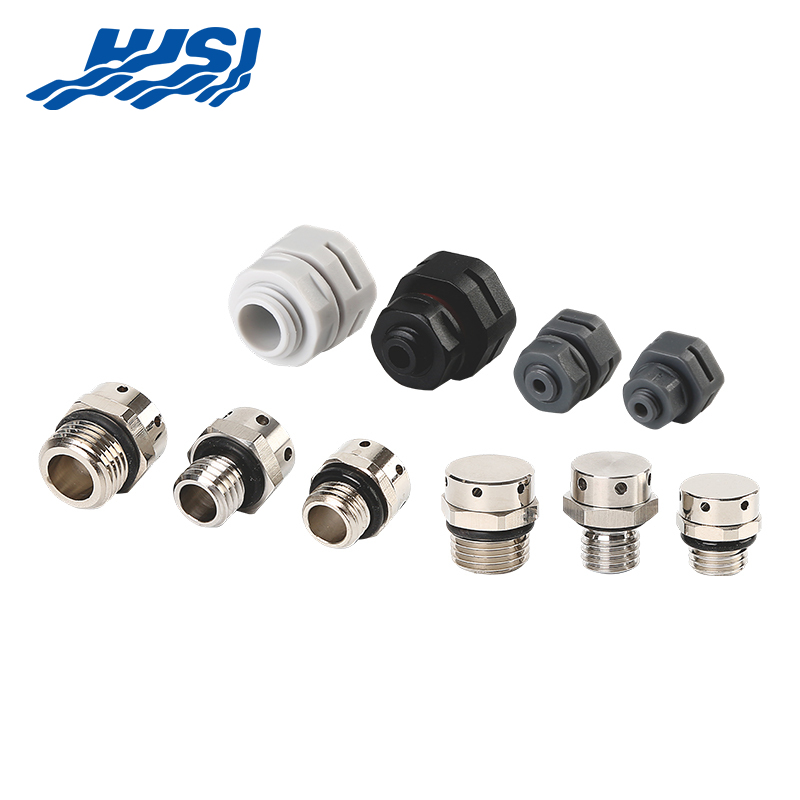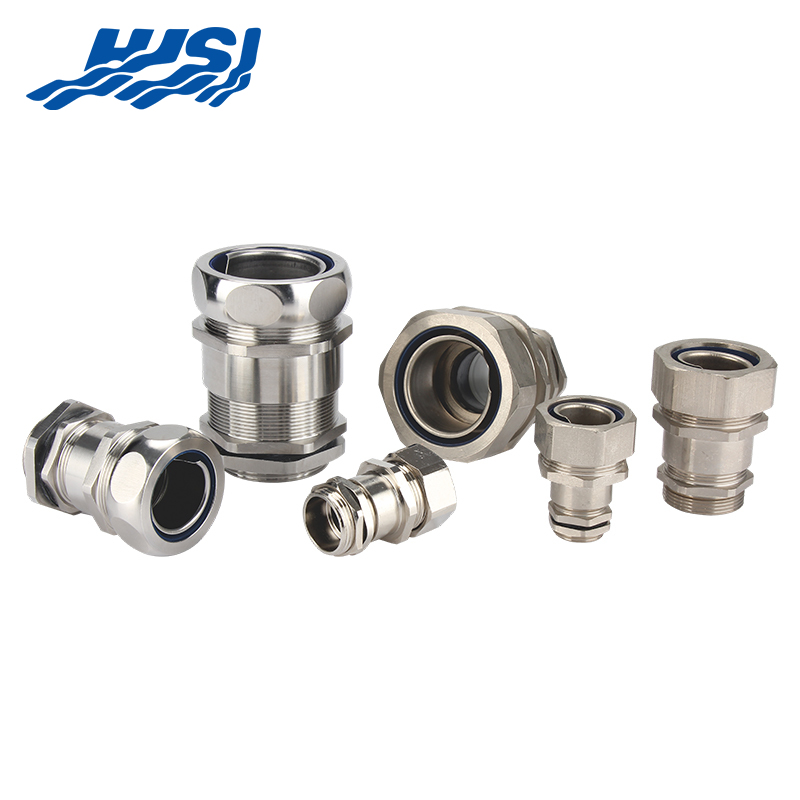
Vent valves serve a quiet but critical function in sealed housings. As a Waterproof Breathable Valve, they allow air to move in and out to balance pressure while keeping water, dust, particles, and other contaminants outside. The method used to attach the valve to the housing directly affects sealing performance, assembly time, serviceability, long-term reliability, and production efficiency. Three common attachment approaches are adhesive bonding, snap-on mechanical interlocks, and threaded connections.
Each method brings different advantages and trade-offs. The right choice depends on the housing material, expected environmental conditions, production volume, maintenance requirements, and cost structure.
Any enclosed housing that experiences temperature changes, altitude variations, internal heat buildup, or barometric pressure shifts needs a way to breathe. Without a controlled venting path, pressure differences can stress seals, deform enclosures, damage sensitive components, or even cause catastrophic failure. A vent valve provides that path while maintaining environmental protection.
The attachment method influences several key outcomes:
Because these factors interact, engineers must weigh them against the specific demands of the application rather than simply choosing the method that appears simplest or cheapest at first glance.
| Key Outcome | What It Means / Why It Matters |
|---|---|
| Reliability over time (vibration, thermal cycling, shock) | How well the valve stays securely attached during years of mechanical stress and temperature changes |
| Sealing effectiveness (liquid & particle resistance) | How consistently the connection prevents water, dust, and contaminants from entering the housing |
| Installation speed & ease during manufacturing | How quickly and simply the valve can be assembled into the housing on the production line |
| Serviceability (removal & replacement) | Whether the valve can be taken out and replaced without damaging or destroying the housing |
| Impact on production cost & quality control | How the attachment method affects overall manufacturing expenses, labor, tooling, and consistency |
Adhesive installation bonds the vent valve directly to the housing surface using a specialized adhesive. The valve is placed into a molded or machined opening (or onto a flat mounting area), adhesive is applied around the perimeter or in a pre-applied ring, and the assembly is held in position until the bond cures.
Surface preparation is essential. Contact areas are usually cleaned with solvents or plasma treatment to remove mold release agents, oils, fingerprints, and other contaminants that prevent strong adhesion. Some adhesives cure at room temperature over several hours or days, while others cure faster when exposed to heat, moisture, or ultraviolet light.
Advantages of adhesive attachment
Challenges and limitations
Typical application environments
Adhesive vent valves appear frequently in consumer electronics enclosures, LED lighting fixtures, small home appliances, and certain automotive sensor housings where appearance matters and the valve is not expected to be serviced often.
Snap-on designs use flexible locking elements that deflect during insertion and then spring back to engage with matching features in the housing. The valve is pushed into a prepared opening until the snap arms, barbs, or rings lock behind a ledge or into a groove.
Many snap-on valves include an integrated O-ring, gasket, or compressible lip that seals against the housing when the snap fully engages. Some designs add locating ribs or anti-rotation features to prevent the valve from spinning or shifting after installation.
Advantages of snap-on attachment
Challenges and limitations
Typical application environments
Snap-on vent valves are widely used in outdoor electrical junction boxes, automotive mirror housings, battery packs, HVAC control enclosures, and many consumer products where quick assembly and occasional service access are priorities.
With threaded installation, the vent valve has external threads that match internal threads cut or molded into the housing opening. You simply rotate the valve clockwise until it seats firmly against a shoulder, a flange, or a sealing face. In almost every case, people add an O-ring, flat gasket, or thread sealant to make sure the joint stays leak-free under pressure changes or vibration.
Threads can be molded straight into plastic parts when the wall is thick enough, machined into metal housings, or made with separate helical inserts that are pressed or heat-staked into place.
Advantages of threaded attachment
Challenges and limitations
Typical application environments
Threaded vent valves show up often in industrial control panels, enclosures on heavy machinery, telecommunications cabinets, medical equipment housings, and anywhere that needs reliable service access, high dependability, or the ability to withstand significant mechanical loads and pressure changes.
| Application | Recommended Attachment Method(s) | Main Reasons / Key Requirements |
|---|---|---|
| Outdoor LED light fixtures | Snap-on or Adhesive | Clean appearance, fast assembly, moderate service needs |
| Automotive under-hood sensors | Threaded or Heavy-duty Snap-on | High vibration, extreme temperature changes |
| Industrial control cabinets | Threaded | Frequent service access, harsh operating conditions |
| Consumer battery packs | Snap-on | High production volume, occasional replacement |
| Medical electronics enclosures | Threaded or Adhesive | Cleanability, long-term reliability |
Adhesive problems almost always come from dirty surfaces, the wrong adhesive for the materials, or curing that was rushed or incomplete. Snap-on problems usually happen because the opening was too big (loose fit) or too small (cracked housing), or because the plastic crept or fatigued over time. Threaded problems most often come from cross-threading during assembly, not applying enough torque, forgetting the sealant, or stripping threads in weak material.
Good training, simple fixtures, correct torque tools, and in-process checks catch the majority of these issues before they leave the factory.
When choosing a vent valve installation solution that balances reliability, serviceability, and long-term performance, HJSI stands out as a practical and dependable option. Its threaded attachment method delivers consistent mechanical retention and repeatable sealing, making it particularly well-suited for applications that demand easy inspection, replacement, or adjustment over the product's life.
By prioritizing robust thread design, precise torque compatibility, and material compatibility across a range of housing types, HJSI provides engineers with a straightforward path to achieving strong, vibration-resistant connections without unnecessary complexity.
Selecting HJSI means choosing an approach that supports clean assembly, confident field service, and sustained ingress protection—allowing the entire housing system to maintain its integrity through years of real-world temperature cycles, pressure changes, and mechanical stress.

2nd Floor, Building 2, No. 188, Punan 3rd Road, Economic Development Zone, Yueqing City, Wenzhou City, Zhejiang Province, China

Copyright @ Zhejiang HJSI Connector Co., Ltd. All rights reserved.

China Waterproof Breathable Valve Manufacturer
 +86-15858552966
+86-13356176555
+86-15858552966
+86-13356176555
 English
 русский
 عربى
عربى