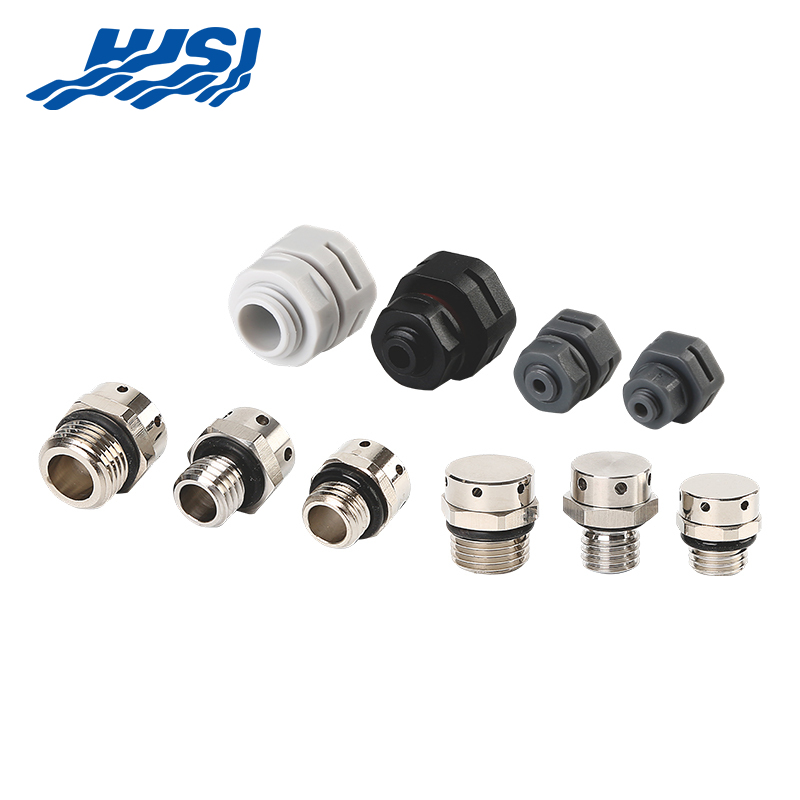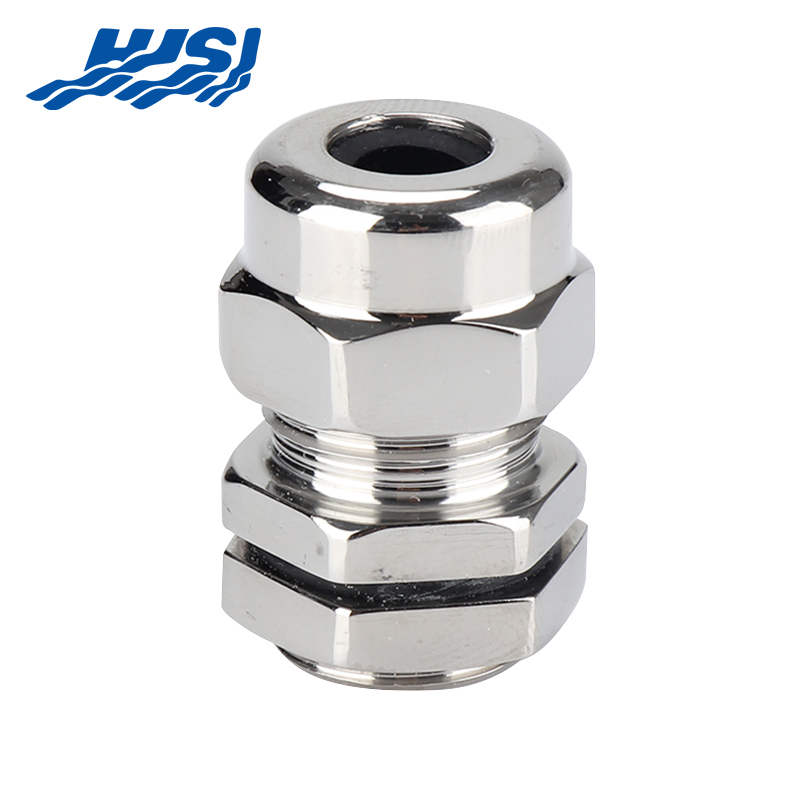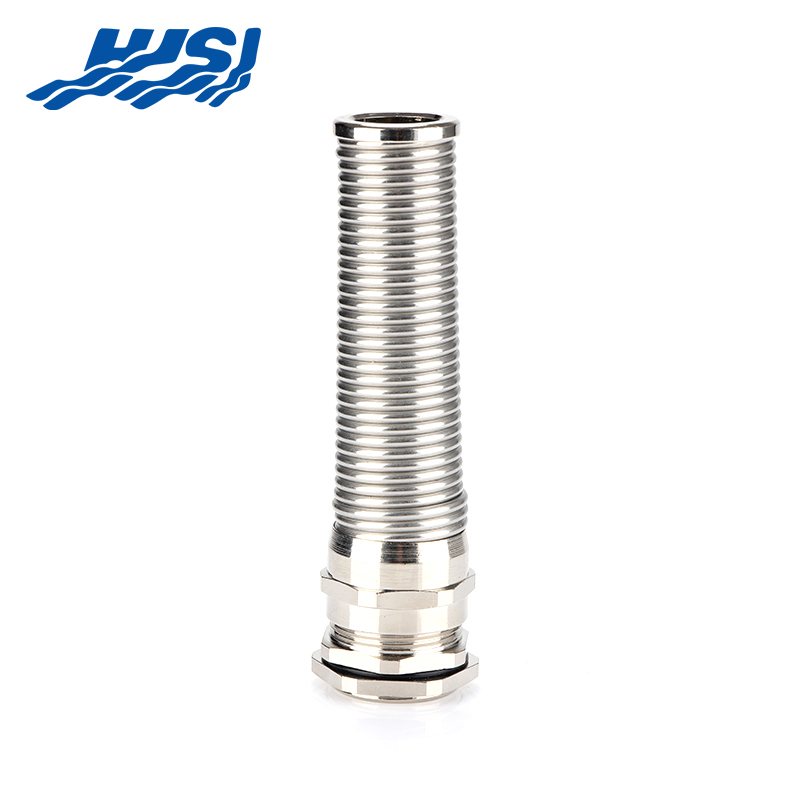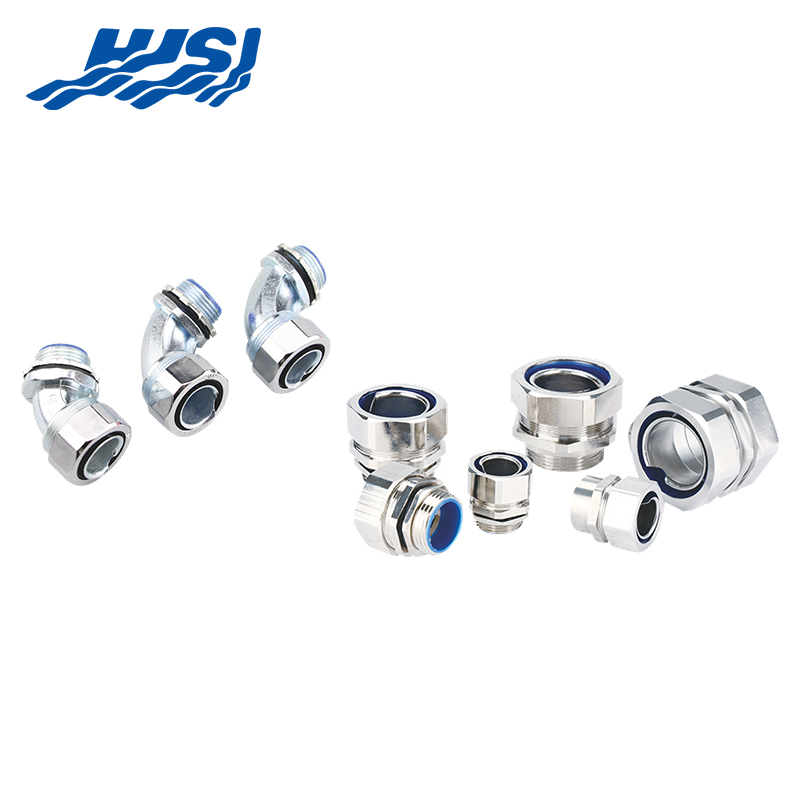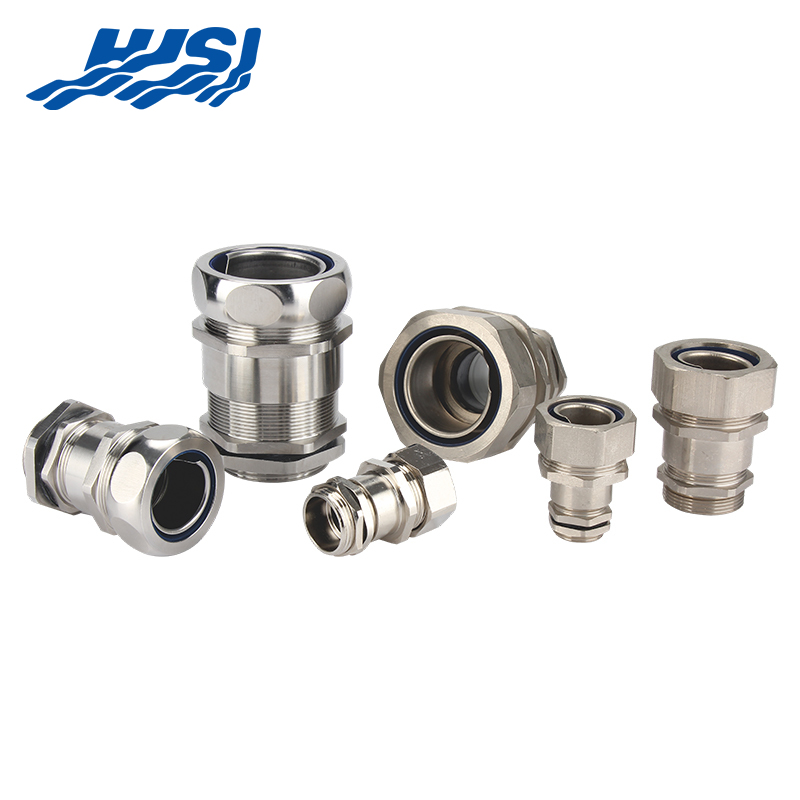
Plastic Cable Gland, plastic conduit glands, plastic stuffing glands, and PVC flexible pipe glands play supporting roles in electrical and industrial cable management. They secure cables or conduits at entry and exit points on enclosures, panels, equipment housings, and junction boxes. These fittings deliver strain relief and form barriers that limit dust, moisture, and particle entry, helping protect wiring and support organized routing in residential, commercial, building service, and manufacturing environments.
Plastic cable glands anchor cables while spreading retention force around the jacket to avoid concentrated stress. This approach reduces risks of conductor fatigue or insulation issues during normal operation. In control panels and distribution setups, the glands organize multiple runs, creating accessible interiors for routine checks or system adjustments. Reduced weight eases transport and positioning, particularly during work in overhead locations or areas with limited clearance.
Technicians note that these components integrate into standard procedures with common tools. The design supports cable stability in systems mixing power distribution with signal or control lines, limiting movement that could introduce abrasion or signal disruption over extended periods.
Plastic conduit glands attach and seal conduit ends to enclosures or equipment. They focus on securing the conduit tube while safeguarding internal wiring from abrasion or external factors at the connection. The glands contribute to continuous pathway protection, reducing contaminant travel along conduit runs into sensitive zones.
Commercial wiring projects and outdoor electrical layouts often incorporate conduit glands for structured terminations in junction points and service equipment. Compatibility with conduit paths allows crews to establish routes that remain adaptable for later expansions or rerouting with minimal structural changes.
Plastic stuffing glands grip cables directly and emphasize strain relief at enclosure transitions. They manage tension arising from pulling, vibration, or equipment activity, helping maintain cable positioning and termination stability inside housings.
| Aspect | Benefit of Plastic Stuffing Glands |
|---|---|
| Primary Function | Grip cables directly at enclosure transitions |
| Strain Relief | Manage tension from pulling, vibration, or equipment activity |
| Cable Positioning | Help maintain stable cable position |
| Termination Stability | Support reliable terminations inside housings |
Industrial machinery and panel assemblies use stuffing glands to secure cables exposed to operational motion. Compressible sealing portions adapt to cable surfaces, establishing barriers in areas with dust presence or occasional humidity. Humid or splash-influenced settings, such as certain marine-adjacent equipment, draw on these glands for corrosion-resistant performance without supplementary coatings.
PVC flexible pipe glands suit applications with flexible conduits or pipes that undergo bending, vibration, or temperature-induced shifts. They establish firm connections while permitting movement without seal disruption. Ventilation networks, air handling units, and machinery with adaptable routing paths benefit from this capability.
The material supports impact endurance alongside flexibility needs. In setups requiring cable or pipe displacement, the glands sustain internal protection and minimize stress buildup that fixed connections might experience.
Plastic cable glands utilize polymers offering durability paired with lower mass. The formulations resist corrosion in humid or water-contact situations, sidestepping rust development seen in certain metal fittings. This trait suits indoor panels, exposed runs, and zones with periodic moisture.
PVC options introduce flexibility for motion-heavy contexts while retaining basic toughness. Both categories stay non-conductive, adding isolation at entry locations in combined wiring arrangements. Lower weight facilitates job-site movement and mounting on varied structures, aiding safer assembly practices.
Sealing depends on flexible rings or gaskets compressed during assembly. Compression fills spaces around cables or conduits and enclosure interfaces, restricting dust and liquid passage. The portions respond to small cable differences or shifts while holding contact through service cycles.
Splash-prone areas, washdown zones, or outdoor placements gain from sealing that promotes drier, cleaner enclosure interiors. Reduced contaminant access aids electrical consistency and curbs terminal corrosion. Assembly sequences with measured pressure encourage uniform seal development without jacket overload.
Plastic glands appear across size options aligned with typical cable and conduit dimensions. This spread enables application in residential circuits, commercial facilities, and industrial operations without excessive part variety. Teams often standardize gland styles within projects, simplifying logistics and field execution.
Mounting proceeds directly in site conditions. Steps include threading bodies into openings, routing elements, and applying controlled clamping. Lightweight build decreases effort in prolonged or awkward positioning tasks.
Control panels managing automation or sensors require protected cable entries. Plastic cable glands organize runs and curb dust effects on airflow or component function. The fittings encourage arrangements that streamline diagnostics and updates.
Stuffing glands in panels retain cables against machinery vibration. Retention supports signal and power continuity, decreasing loose-connection incidents during repeated cycles.
Commercial buildings apply plastic conduit glands and cable glands in distribution boards, lighting circuits, and service junctions. The fittings deliver organized terminations addressing humidity in mechanical areas. Corrosion resistance fits building service conditions.
Outdoor signage, security, and illumination setups use the glands for sealing against precipitation or condensation. Protection occurs without notable load addition to mounting elements.
Marine-related equipment and coastal sites select plastic glands for humidity and salt-air endurance. Stuffing glands and flexible pipe glands secure connections influenced by motion. Communication enclosures and energy links in open areas employ the glands for accessible mounting on structures.
Sealing manages weather cycles while weight characteristics remain practical for design considerations
| Application Area | Benefits of Plastic Cable Glands |
|---|---|
| Marine and Coastal Sites | Provide humidity and salt-air endurance |
| Motion-Influenced Connections | Stuffing glands and flexible pipe glands secure cables |
| Communication Enclosures | Enable accessible mounting on structures |
| Open Area Energy Links | Support practical weight for design considerations |
| Weather Exposure | Sealing manages weather cycles effectively |
Plastic and PVC glands lower assembly mass, easing transport and enclosure loads. Rust immunity fits humid settings where metal oversight might increase tasks. Project economics benefit from balanced performance in standard conditions.
Assembly accelerates through lighter handling and routine methods. Overhead or expansive work sees gains in safety and reduced fatigue. Non-conductive traits supply isolation in select wiring configurations.
Strain relief fixes the jacket, curbing external force transmission to conductors. Vibrating equipment or thermal-cycling systems use this anchoring to limit fatigue and uphold terminations.
Ventilation or motion-oriented machinery applies PVC flexible pipe glands to allow displacement while seals endure. Focus remains on pressure distribution protecting jackets in service.
Plastic cable glands pair with conduit, trays, supports, and boxes for unified pathways. Thread and sealing compatibility with enclosures yields transitions open for growth or service. Panel density decreases at entries, assisting circulation and lowering combined-line interference.
Modular builds profit when glands support additions with restricted impact on surroundings. Element coordination yields routes serviceable amid operational shifts.
Installation preparation matches glands to cable or conduit sizes and openings. Jacket preparation avoids flaws impairing seal contact. Sequences thread bodies, route items, and tighten clamps evenly.
Alignment confirmation avoids gaps. Adjacent supports handle run forces, notably vertical segments. Surface cleanliness and paced tightening foster uniform outcomes across sites.
Walkthrough inspections detect surface shifts, seal variations, or loosening in motion zones. Reachable spots permit grip checks. Cleaning clears accumulations influencing seals.
Higher-exposure sites warrant attention to preserve function. Replacements consistent with original traits retain fit. Site logs refine intervals per observed patterns.
Conduit glands, stuffing glands, or PVC flexible pipe glands require size alignment with cables or conduits. Site conditions steer sealing choices for dust, moisture, or displacement levels.
Reviews cover vibration, access, and system traits. Motion areas lean toward flexible PVC; standard panels use general plastic for arrangement and barriers.
Contaminant restriction and strain relief bolster configuration safety. Lower moisture or wear probabilities encourage steady function and reduced interruptions.
Pathways from the glands simplify testing and modifications. Accessibility trims service labor and corresponds with dependable system objectives in facilities.
Corrosion resistance equips plastic glands for condensation or contact locations. Sealing sustains connections where humidity fluctuates or routines involve cleaning.
Agricultural or coastal work benefits from exposure handling without frequent demands. Installers select parts delivering results through variations via direct procedures.
Awareness of gland categories permits matching to segments. Direction on preparation, alignment, and pressure yields repeatable work and fewer adjustments. Installation notes supply service references per zone.
Uniform methods raise cable management quality over project scales.
Arrangements now feature sensor growth, data routes, and power spread in indoor and open zones. Plastic cable glands aid management via structured entries supporting development.
Automation, controls, and infrastructure draw on reliability for transmission steadiness and continuity. Lightweight corrosion resistance backs approaches in energy ties and commercial growth.
Manufacturing applies stuffing glands to equipment for vibration cable control. Commercial sites use conduit glands for panel order. Outdoor and marine draw on environmental resistance with weight practicality.
Versatility enables gland family standardization for area efficiency. Technicians choose fittings where mounting ease and site fit align with requirements.
Plastic and PVC glands balance protection, convenience, and economics for cable needs. Designs function through use and adjustments with measured care.
Polymer progress targets endurance retaining mass benefits. Assessments weigh exposure, motion, and access when finalizing selections.
Plastic cable glands manage general securing and protection. Conduit glands stress attachment and continuity. Stuffing glands highlight grip and tension control. PVC flexible pipe glands handle displacement in paths.
Shared strengths include corrosion avoidance, mass reduction, and mounting simplicity. The types respond to routing in residential, commercial, and industrial work, advancing arranged cable systems.
With supports and routing parts, plastic glands form serviceable paths adjusting to volume changes. Entry control aids cooling and interference reduction in mixed setups.
Reconfigurable locations gain from extension support without broad changes. Capacity matches evolving patterns.
Plastic cable glands, conduit glands, stuffing glands, and PVC flexible pipe glands deliver answers for securing alongside barriers. Weight reduction, corrosion resistance, and assembly convenience advance methods in contexts.
Planning groups see worth in fittings uniting capability with workability. Electrical advancement keeps these glands in entry roles advancing safer, serviceable systems.
Leveraging its profound expertise in the manufacturing of plastic cable glands, Zhejiang HJSI Connector Co., Ltd. is dedicated to providing components that genuinely meet the practical needs of electricians and technical professionals—playing a pivotal role across a diverse range of applications, including indoor control panels, outdoor installations, industrial machinery, and building systems.
Through a relentless pursuit of excellence in material selection, sealing performance, and strain relief design, HJSI’s cable entry solutions are engineered not only to effectively withstand the rigors of vibration, moisture ingress, and daily mechanical stress, but also to ensure a lightweight profile and facilitate quick, effortless installation.
HJSI ingeniously combines robust, durable polymer structures with adaptable sealing elements and user-friendly assembly features to create a comprehensive suite of cable management solutions. Regardless of the harshness of the operating environment, these solutions consistently maintain neat, organized, and fully protected cabling, thereby empowering construction teams to execute their tasks with confidence while significantly reducing the burden of future maintenance operations.

2nd Floor, Building 2, No. 188, Punan 3rd Road, Economic Development Zone, Yueqing City, Wenzhou City, Zhejiang Province, China

Copyright @ Zhejiang HJSI Connector Co., Ltd. All rights reserved.

China Waterproof Breathable Valve Manufacturer
 +86-15858552966
+86-13356176555
+86-15858552966
+86-13356176555
 English
 русский
 عربى
عربى