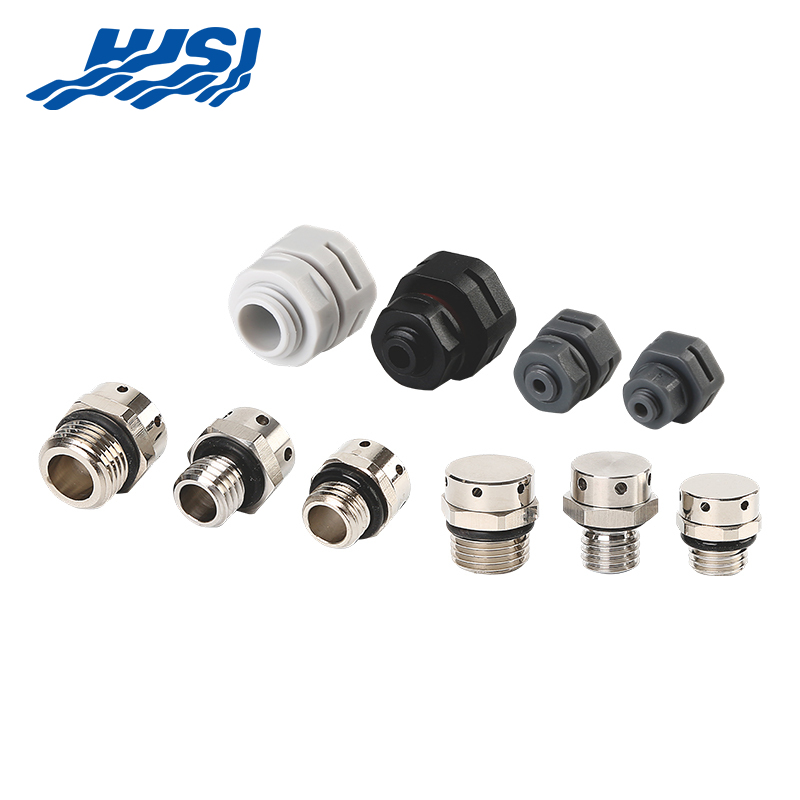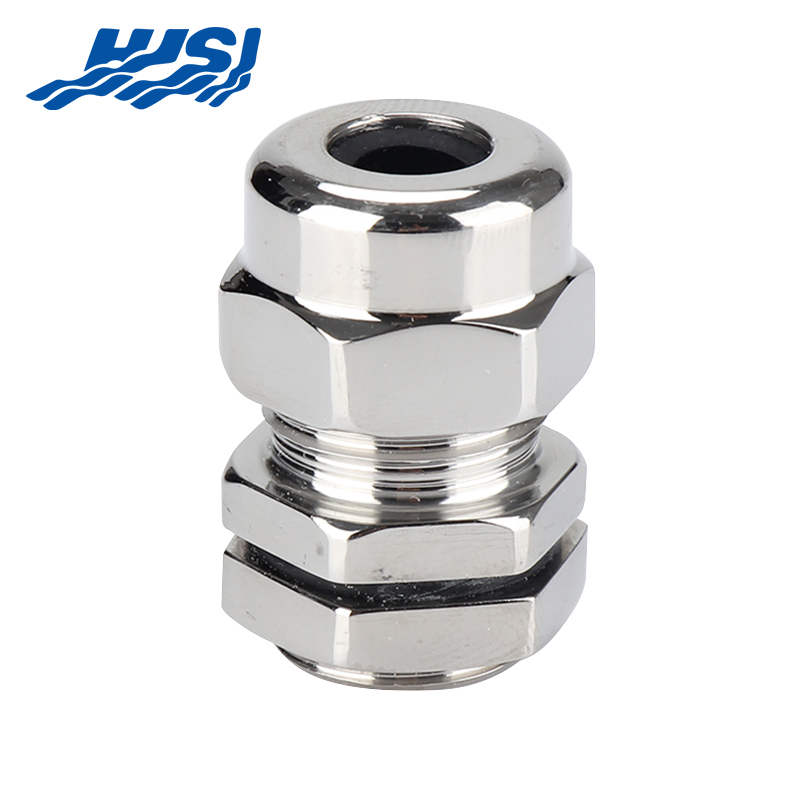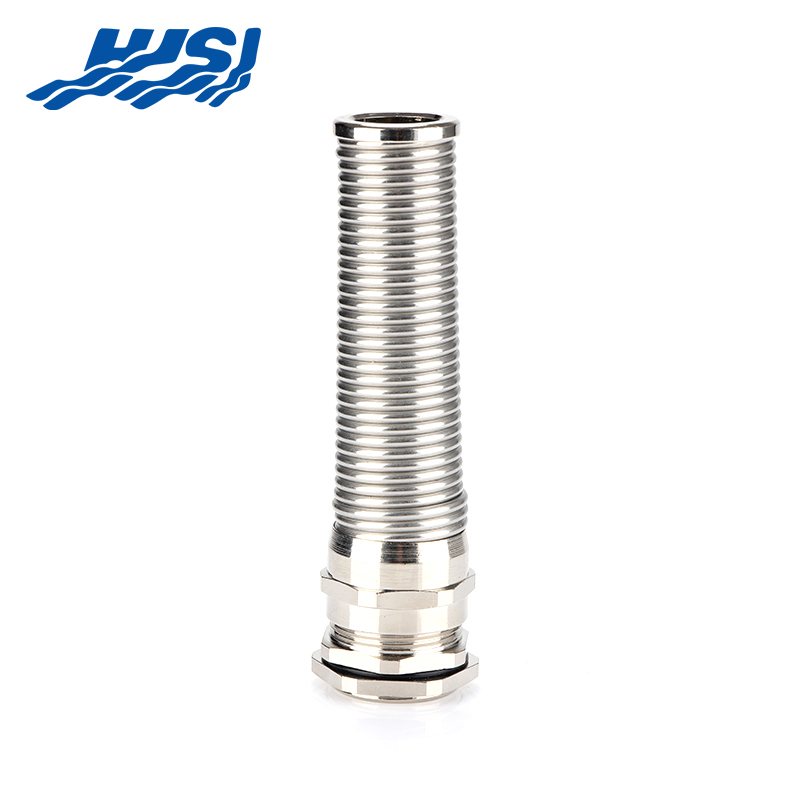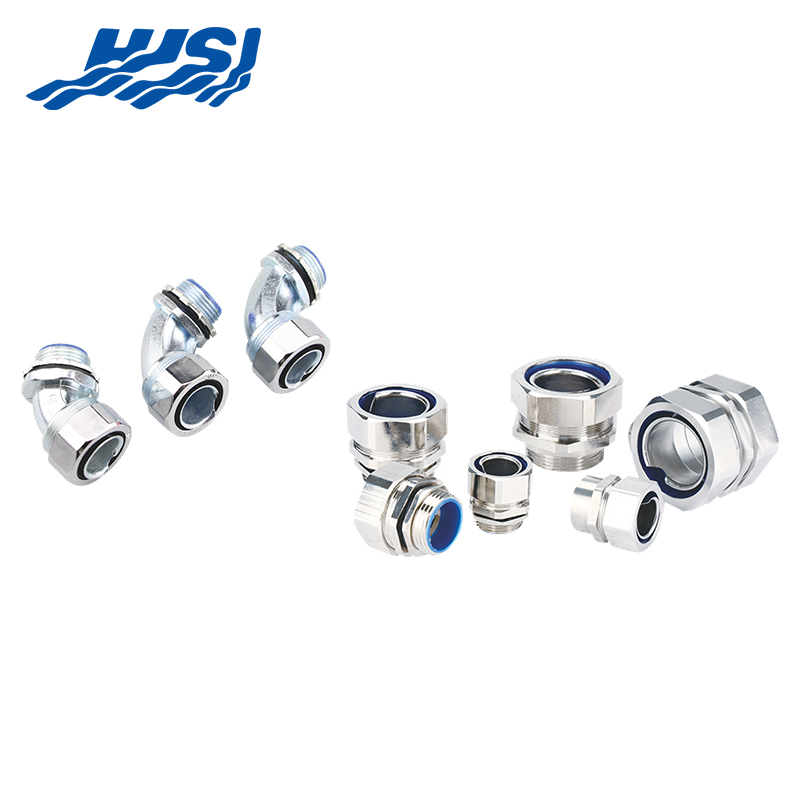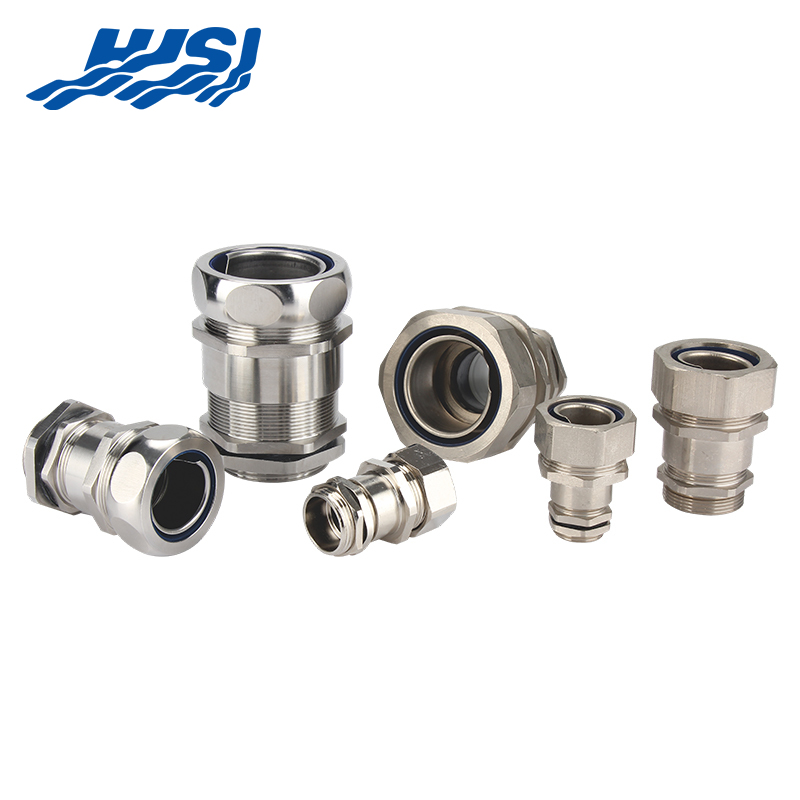
A valve that gets installed too tight does not feel like a problem in the moment — it feels like a secure fit. That is exactly what makes over-tightening one of the more common and harder-to-detect installation errors in field assembly. The membrane inside a Waterproof Breathable Valve is doing precision work: allowing pressure equalization and moisture vapor to pass while keeping liquid water out. Apply too much rotational force during installation and that membrane, along with the sealing components around it, takes damage that does not always show up immediately but will compromise enclosure protection over time. Getting the installation force right is not a minor detail — it is central to whether the valve performs as intended.
The breathable membrane inside the valve — typically a microporous material — functions within a specific compression range. When the housing is tightened beyond that range, the membrane gets compressed beyond its designed tolerance. The micropores that allow vapor transmission collapse or deform, reducing airflow through the valve.
The result is a valve that passes a visual inspection, sits flush against the enclosure, and appears correctly installed — but no longer breathes effectively.
The O-ring or gasket that creates the liquid-tight seal between the valve body and the enclosure wall is designed to compress to a specific degree. Over-tightening pushes that compression past the point where the seal geometry holds correctly. The sealing material flows into unintended areas, loses its recovery properties, and can crack under subsequent thermal cycling.
A deformed seal often holds initially, then fails progressively as the enclosure goes through temperature changes in service.
Both the valve thread and the receiving thread in the enclosure panel can sustain damage from excessive torque. Galling, thread stripping, or micro-cracking in the panel material are all possible outcomes. Once the threads are compromised, achieving a reliable seal on reinstallation becomes difficult regardless of how carefully the replacement valve is installed.
There is a natural tendency in assembly work to keep turning until resistance is clearly felt and then add more force for confidence. With a Waterproof Breathable Valve, the point at which the seal is correctly engaged arrives before most installers expect it to. The valve may feel like it could take more torque when it is already at or past its designed installation force.
Using an adjustable wrench or standard spanner without torque control on a small valve body makes it straightforward to exceed the recommended installation force without realizing it. The mechanical advantage of a wrench applied to a small fitting means even a modest hand effort can translate to torque well beyond specification.
In environments where multiple technicians are installing valves across a production run or field deployment, individual variation in what feels like a correct tightness creates inconsistency. Some units end up correctly installed, others over-tightened, and the difference only becomes apparent when enclosures start showing moisture ingress or pressure equalization failures.
The practical solution for consistent installation is a torque-controlled tool set to the value specified by the valve manufacturer. This removes individual judgment from the equation entirely. Once the tool reaches the set value, it disengages or signals completion regardless of how much additional force the installer applies.
For production environments assembling enclosures in volume, a calibrated torque screwdriver or preset torque wrench appropriate for the valve thread size is a reasonable investment relative to the cost of field failures.
Every Waterproof Breathable Valve from a reputable supplier comes with installation documentation that includes a torque specification or range. This number is the engineering reference point — not a suggestion. Before beginning any installation:
If torque documentation is not available for a valve in use, contact the supplier before proceeding. Installing without a known torque target makes controlled installation impossible.
Proper technique starts before any torque is applied:
Stopping partway through the torque application and restarting can produce inaccurate final values on some torque tools.
Some valve designs incorporate a mechanical stop that prevents the valve body from rotating past a set point. The housing geometry or a flange feature physically limits how far the valve can be tightened, removing the possibility of over-tightening even with an uncontrolled tool.
When sourcing valves for applications where controlled installation is difficult — field service, high-volume assembly, or less-experienced installation teams — this design feature is worth specifically looking for.
The thread length on a valve body determines how much rotation is required to bring the seal into contact with the panel surface. Shorter engaged thread lengths reduce the range over which over-tightening can occur. Valves designed with defined thread stops or limited engagement depth give installers a clearer physical signal of when installation is complete.
Some valves use a combined sealing approach where the gasket material and compression geometry are engineered to reach correct seal engagement at the same point that the threads bottom out or reach a physical stop. In these designs, correct installation feel and correct seal engagement coincide, making it easier for installers to recognize completion without a torque tool.
After tightening, a correctly installed valve should not be under visible stress. The body should sit flush against the panel without distortion of the panel material around the installation hole. Any visible deformation of the panel or cracking around the hole indicates excessive clamping force was applied.
A simple post-installation check involves verifying that airflow through the membrane is still present. A brief breath test or a low-pressure airflow check confirms the membrane has not been compressed to the point of blockage. This check takes seconds and catches installation errors before the enclosure goes into service.
In production or field service environments, recording the torque value applied to each installation creates a reference point if issues arise later. This documentation also supports process improvement — if a pattern of membrane failures appears, installation records allow the cause to be traced back to specific assembly steps or equipment.
Individual variation in how tight is tight enough goes away when every technician uses the same torque-set tool. Standardizing tooling across an assembly team is more reliable than training everyone to the same manual feel, which drifts over time and varies between individuals.
When sourcing valves for a project or production run, installation torque requirements belong in the procurement specification alongside IP rating, thread size, and material. This ensures that the valves supplied come with the necessary documentation and that any design features relevant to controlled installation are confirmed before the order is placed.
Preventing over-tightening is partly a tooling and process question, but it is also partly a product design question. A valve engineered with clear installation limits, a well-documented torque specification, and a sealing system that engages predictably makes correct installation more achievable across different assembly environments and skill levels. Zhejiang HJSI Connector Co., Ltd. supplies Waterproof Breathable Valve products for industrial enclosures, electrical cabinets, and outdoor equipment applications, working with buyers on technical specifications, installation requirements, and volume sourcing. If you are reviewing valve options for a current project or want to discuss installation performance requirements with a supplier, reaching out to their technical team is a practical next step.

2nd Floor, Building 2, No. 188, Punan 3rd Road, Economic Development Zone, Yueqing City, Wenzhou City, Zhejiang Province, China

Copyright @ Zhejiang HJSI Connector Co., Ltd. All rights reserved.

China Waterproof Breathable Valve Manufacturer
 +86-15858552966
+86-13356176555
+86-15858552966
+86-13356176555
 English
 русский
 عربى
عربى