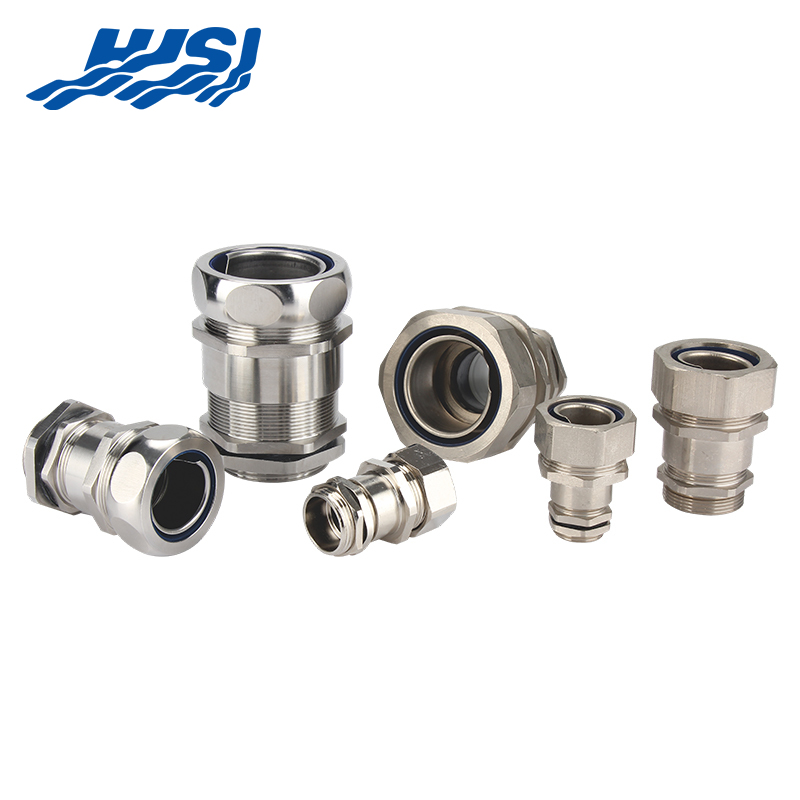
Marine wire connectors are the unsung heroes of any vessel's electrical system. On ships, offshore rigs, fishing boats, and yachts, they join cables that carry everything from heavy power feeds to delicate sensor signals. These connectors must survive an environment that is relentlessly hostile: constant saltwater spray, driving rain, temperature swings from blazing deck heat to freezing night watches, and the endless vibration caused by waves, engines, and cargo shifting in the hold.
Unlike connectors used on land, marine versions are purpose-built to handle the combined assault of corrosion, moisture, mechanical shock, and UV exposure. A failure here is rarely just an inconvenience; it can disable navigation lights, stop bilge pumps, knock out communications, or cripple steering systems when help is farthest away.
Salt air and spray are the primary enemies. Even a tiny amount of moisture mixed with salt can start electrolytic corrosion that quickly destroys ordinary terminals. Marine connectors combat this with tinned or gold-plated contacts, corrosion-resistant bodies, and multiple layers of sealing.
Temperature changes cause materials to expand and contract repeatedly. A connector that works fine in a warm engine room may loosen or crack when the vessel moves into colder waters. Quality marine designs use materials with matched expansion rates and flexible seals that maintain pressure across wide temperature ranges.
| Challenge | Problem Description | Solution in Quality Marine Connectors |
|---|---|---|
| Temperature Fluctuations | Materials expand/contract repeatedly; may loosen or crack when moving from warm engine rooms to cold waters | Matched expansion rates + flexible seals maintain consistent contact pressure across wide temperature ranges |
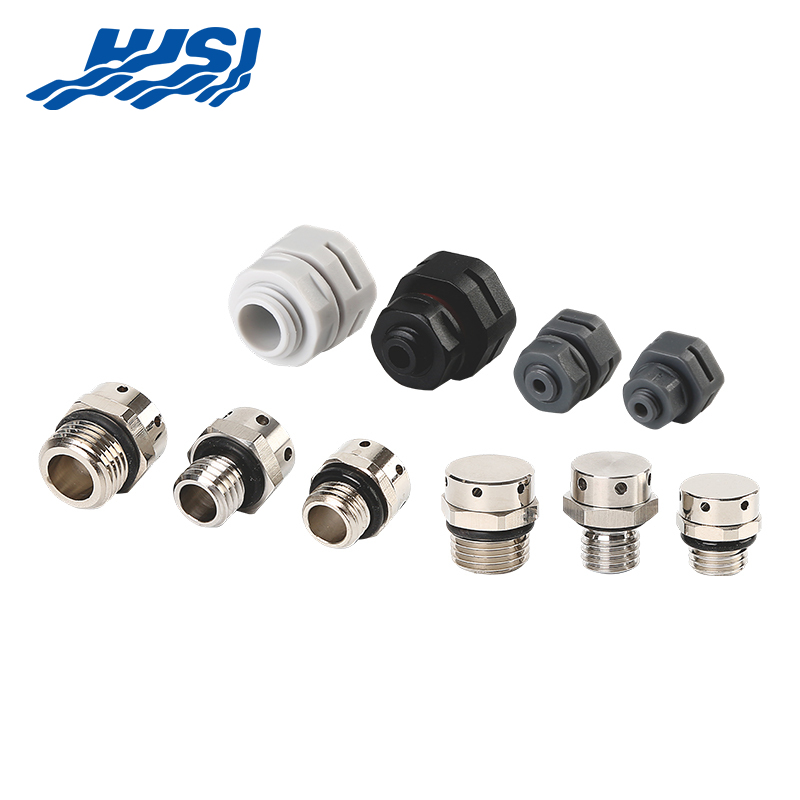
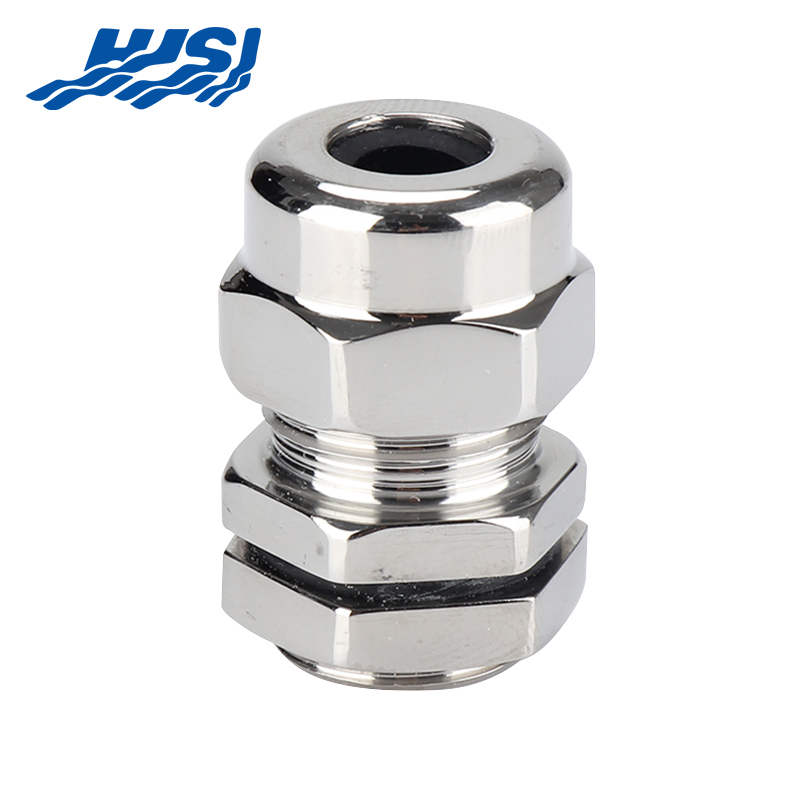
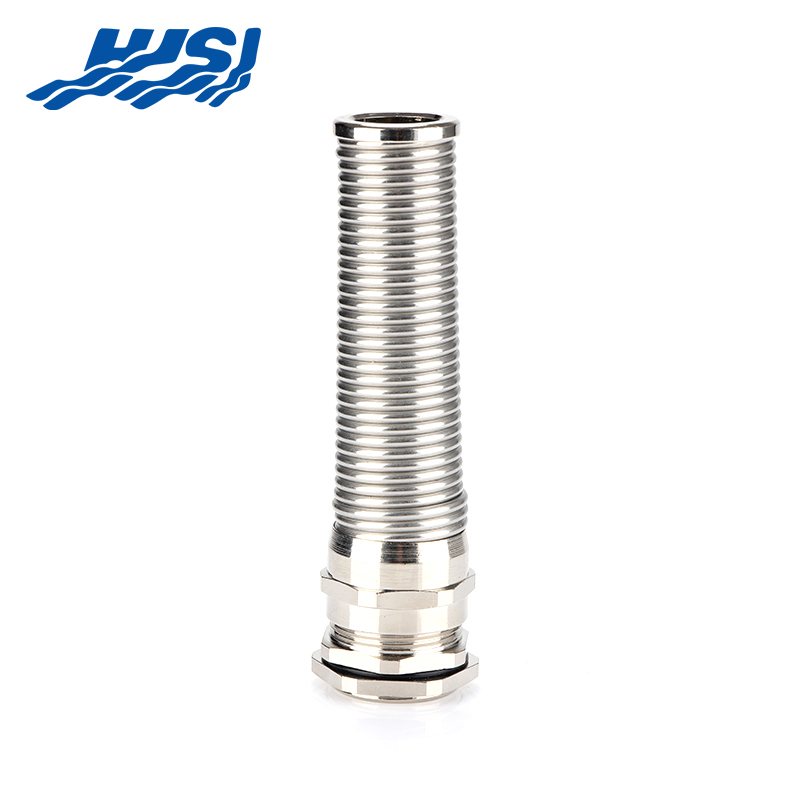
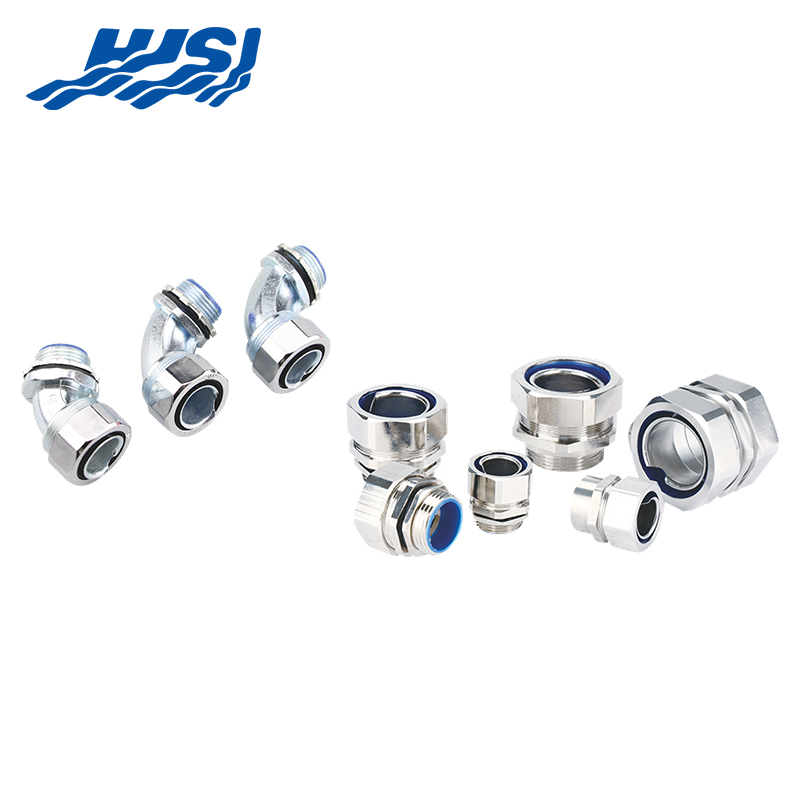
Vibration is constant. Every wave slap and engine thump tries to shake connections apart. Good marine connectors use strong locking collars, threaded couplings, or heavy snap locks, often with secondary safety latches. Cable glands and strain-relief boots grip the wire jacket firmly so movement stops at the connector instead of reaching the delicate contact pins.
Most marine wire connectors feature housings made from tough, UV-stabilized plastics or marine-grade rubber that won't become brittle under sunlight or chemicals. Contacts are usually tin-plated copper or stainless alloys chosen for both conductivity and resistance to salt attack.
Sealing is critical. When mated, O-rings, gaskets, or molded lips compress to form a watertight barrier rated for submersion in many cases. Many models carry IP67 or IP68 ratings, meaning they can survive temporary or even continuous immersion without leaking.
Locking mechanisms vary—some use sturdy threads, others quick bayonet twists or positive snap systems—but all are designed to stay mated even when the deck is pitching and rolling in heavy weather.
A well-made marine connector maintains low resistance and steady contact pressure so current flows without generating excess heat. This is vital for high-amperage circuits feeding winches, thrusters, or propulsion controls, as well as for sensitive electronics like chartplotters, autopilots, and satellite communications.
Polarization and keying features prevent accidental cross-connection of circuits, reducing the chance of expensive mistakes during hurried repairs in a rolling sea.
Proper installation begins with thoughtful cable routing. Leave enough slack for movement but avoid sharp bends near the connector. Use genuine marine-grade cable glands and tighten them correctly to compress the seal without crushing the cable.
During assembly, clean contact surfaces thoroughly and ensure locking rings are fully engaged. A half-turned thread or partially seated snap lock is an invitation to trouble once the vessel heads offshore.
Maintenance is straightforward but essential. Regular inspections look for white or green corrosion, cracked boots, or salt crust around the seals. A quick rinse with fresh water, followed by drying and a light coat of dielectric grease where permitted, can add years to a connector's life. On commercial vessels, these checks are often logged as part of routine electrical surveys.
| Vessel Type | Key Applications |
|---|---|
| Commercial Shipping | Deck cranes, cargo pumps, engine controls, navigation arrays |
| Offshore Platforms | Instrumentation, emergency shutdown systems, living quarters power |
| Fishing Fleets | Winches, refrigeration, lights, autopilots |
| Yachts & Superyachts | Lighting, entertainment systems, helm electronics |
| Research Vessels | Scientific sensors, data loggers |
A failed connection at sea can cascade into far bigger problems: lost propulsion control, disabled radios, or inoperative bilge pumps during flooding. By keeping circuits intact despite the harshest conditions, marine wire connectors directly contribute to the safety of crew, passengers, and the vessel itself.
They also help operators meet strict classification society rules and insurance requirements. Using the right marine-rated connectors is rarely optional when it comes time for surveys and certifications.
In an industry where reliability can mean the difference between a routine voyage and a life-threatening emergency, marine wire connectors quietly do their job day after day. Chosen carefully, installed properly, and maintained conscientiously, they form one of the most important links in the chain that keeps vessels operating safely across the world's oceans.
At Zhejiang HJSI Connector Co., Ltd., this deep understanding of the sea's unforgiving demands drives every stage of design and production. With over a decade of specialized expertise, the company crafts marine-grade cable glands and connectors from premium stainless steel and corrosion-resistant materials, incorporating robust clamping systems and multi-layer seals that deliver exceptional waterproofing, vibration resistance, and long-term reliability in the harshest maritime conditions. By focusing on practical innovation and rigorous quality standards, HJSI continues to equip vessels worldwide with components that quietly uphold electrical integrity, helping crews navigate safely and operations run smoothly—no matter how rough the waters ahead.

2nd Floor, Building 2, No. 188, Punan 3rd Road, Economic Development Zone, Yueqing City, Wenzhou City, Zhejiang Province, China

Copyright @ Zhejiang HJSI Connector Co., Ltd. All rights reserved.

China Waterproof Breathable Valve Manufacturer
 +86-15858552966
+86-13356176555
+86-15858552966
+86-13356176555
 English
 русский
 عربى
عربى