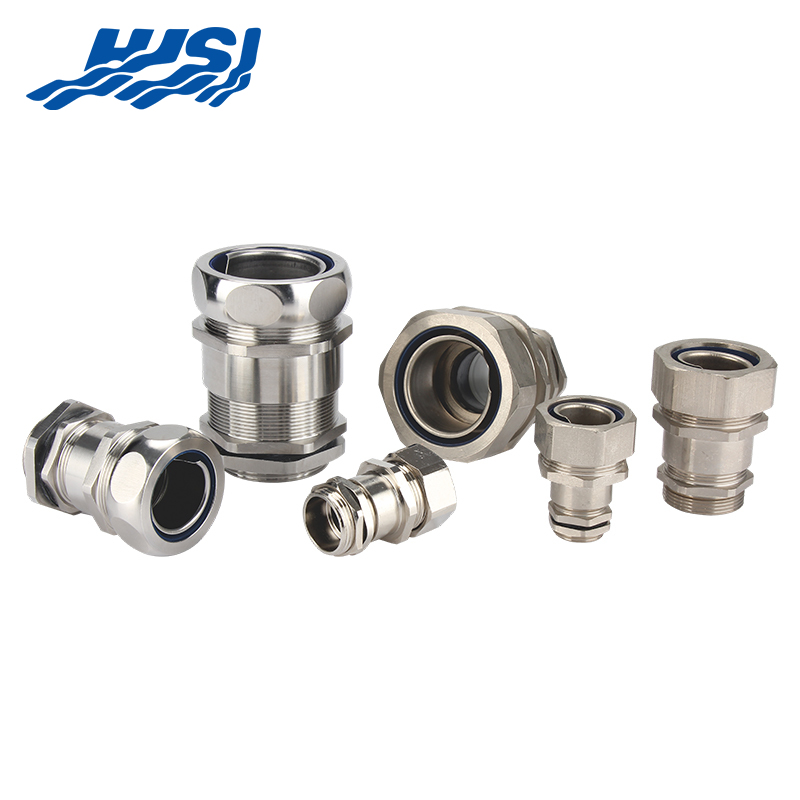
Waterproof Cable Splices are key components in electrical systems operating in moist or wet conditions. They join wires while preventing water entry, protecting against corrosion, shorts, and failures. The materials—rubber, silicone, and plastic—each offer properties that support sealing, strength, and adaptability in various environments.
Rubber is a frequent choice for waterproof cable splices because of its sealing performance. Both natural and synthetic varieties provide elasticity that creates close fits around wires.
In setups with bending cables, rubber prevents gaps that could allow water in.
Silicone brings benefits in temperature-changing environments. It stays flexible in heat and cold, avoiding stiffness or softening issues.
Plastics such as PVC or polyethylene add structure to waterproof cable splices. They form outer covers or frames that guard inner seals from knocks or scrapes.
| Role of Plastic | Description |
|---|---|
| Structural Support | Forms outer covers/frames to protect inner seals from impacts and abrasion |
| Moldability | Allows custom shapes for specific cable sizes/configurations; supports compact designs |
| Insulation | Provides electrical insulation, reducing interference risks |
| Layered Protection | Combines with rubber/silicone for multi-layer defense |
| Cost Efficiency | Balances performance with affordability in high-volume projects |
Many waterproof cable splices use multiple materials. A rubber or silicone interior handles sealing, while plastic exterior adds rigidity.
Installation activates material strengths. Crimping or heating compresses seals for full coverage.
Marine wiring applies them for lights or pumps. Salt demands good corrosion handling.
Vehicle systems protect links from spray or wash.
Outdoor fixtures or signs use splices for weather exposure.
Factory equipment in wet zones needs reliable seals.
Buried lines or irrigation benefit from underground performance.
Cameras or sensors outdoors rely on them for consistent operation.
Selection matches conditions. Temperature swings favor silicone. Physical risks suggest reinforced plastic.
Little routine work is needed for good splices. Look for damage or slack periodically.
In tough chemistry, more frequent swaps maintain defense.
Keep spares dry for readiness.
Work continues on wider temperature handling and sun stability. Greener options appear.
Healing compounds or stronger bonds improve sealing.
Smaller forms fit crowded wiring.
Rubber, silicone, and plastic materials support waterproof cable splices in protecting connections from water. Rubber supplies flexibility and sealing, silicone manages temperature and weather, plastic adds structure and insulation. Alone or together, they safeguard systems in marine, vehicle, outdoor, and industrial uses. Matching materials to needs ensures splices deliver dependable performance where moisture poses risks.
Zhejiang HJSI Connector Co., Ltd.specializes in materials and environments where water ingress is a risk, and effective waterproofing measures are crucial for maintaining safe and reliable electrical connections, such as in marine and outdoor facilities, industrial applications, and underwater applications. Leveraging our expertise in these areas, we have developed cable connectors that combine practical sealing performance, durability, and ease of use, helping to prevent corrosion, short circuits, and system failures. Choosing Zhejiang Huajie Connector Co., Ltd. means partnering with a professional supplier dedicated to providing high-quality waterproof cable connectors. With our deep expertise, we ensure your electrical projects maintain integrity, meet standards, and achieve long-term stable operation in wet environments.

2nd Floor, Building 2, No. 188, Punan 3rd Road, Economic Development Zone, Yueqing City, Wenzhou City, Zhejiang Province, China

Copyright @ Zhejiang HJSI Connector Co., Ltd. All rights reserved.

China Waterproof Breathable Valve Manufacturer
 +86-15858552966
+86-13356176555
+86-15858552966
+86-13356176555
 English
 русский
 عربى
عربى