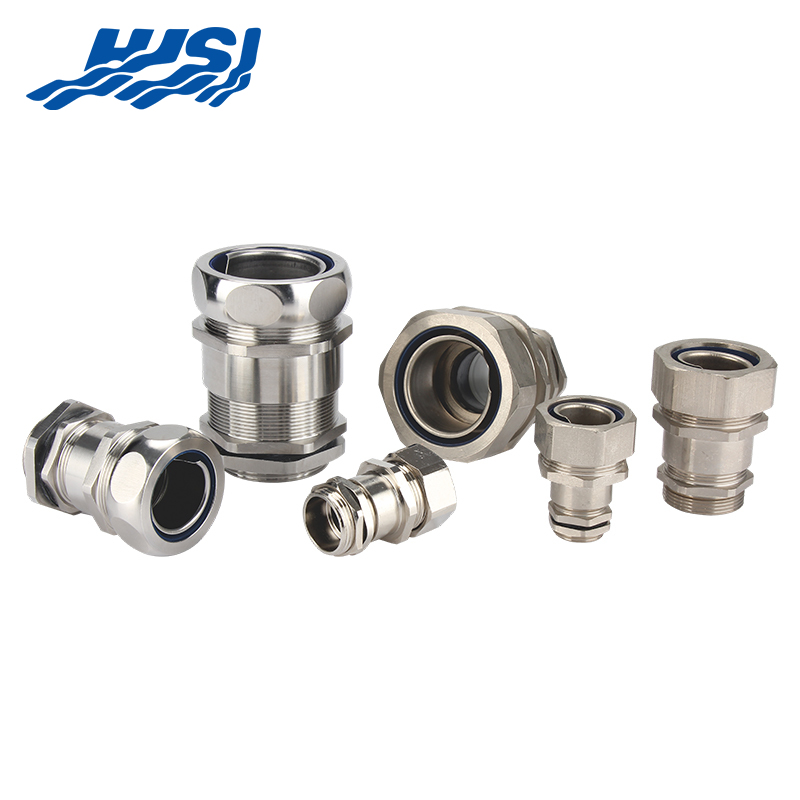
In many industries today, the need to protect cables, wires, pipes, and other vital components from damage remains constant. Plastic Corrugated Pipe have become a dependable solution for this purpose. Their distinctive ridged design gives them a useful mix of flexibility and toughness, allowing them to bend around obstacles while still providing solid shielding. Over time, these tubes have earned a steady place in various fields because they balance performance, ease of handling, and reasonable cost.
One clear reason for their ongoing popularity is how light they are. Workers can carry, cut, and position them without much effort. This makes a noticeable difference on job sites where time and physical strain matter. In vehicle assembly lines, for example, electricians route long sections of wiring through narrow channels and around moving parts. A lightweight tube simplifies the task and reduces the chance of strain injuries or delays.
Another advantage lies in how well these tubes stand up to everyday conditions. Plastic does not rust or corrode the way metal can, so it holds up in damp, salty, or chemically active surroundings. Builders working outdoors, farmers installing irrigation lines, and utility crews laying underground conduits all benefit from this lasting quality. The material keeps doing its job season after season with little sign of breakdown.
Many people also appreciate the way corrugated plastic tubes support longer-lasting systems. When cables and pipes stay free from cuts, abrasion, and crushing forces, they need replacement less often. Fewer replacements mean less scrap material sent to landfills and fewer resources used to make new parts. This practical approach fits well with the growing attention companies give to responsible resource use.
Factories keep finding ways to improve the product. Some tubes now include additives that slow down damage from sunlight, so they can stay exposed for years without becoming brittle. Others come with thicker or thinner walls depending on the amount of protection needed. Manufacturers also offer a wider range of diameters and colors, which helps teams match tubes to specific tasks or follow safety color-coding standards on site.
| Improvement / Feature | Description | Benefit / Purpose |
|---|---|---|
| UV-resistant additives | Added to slow sunlight damage | Allows long-term outdoor exposure without brittleness |
| Variable wall thickness | Thicker or thinner walls available | Matches required level of mechanical protection |
| Expanded diameter range | Wider selection of sizes | Fits different cables, pipes, or project needs |
| Multiple color options | Variety of colors offered | Supports task-specific identification and safety color-coding |
Interest in corrugated plastic tubes appears in many parts of the world. Places with mature infrastructure use them to maintain and upgrade existing networks. Regions experiencing fast growth rely on them for new roads, buildings, power grids, and communication lines. The steady demand comes from the fact that the tubes solve real problems in both old and new projects.
Cars and trucks provide one of the clearest examples of everyday use. Modern vehicles contain dozens of electrical circuits that run from the battery to lights, sensors, entertainment systems, and safety features. These wires face constant shaking, heat from the engine, and occasional splashes of water or oil. Flexible corrugated tubes guide and guard the wiring so connections remain secure even after thousands of miles of travel.
Telecommunication networks depend on similar protection. Fiber optic cables and copper lines carry signals across cities, under streets, and between buildings. Exposed or loosely supported cables risk being stepped on, pinched, or chewed by rodents. A properly installed corrugated tube creates a tough outer layer that keeps the delicate inner lines safe and working.
Construction crews use these tubes in many ways. Electricians slip them inside concrete forms before pouring slabs, run them through wall studs, or bury them in trenches. Plumbers use them to shield water lines from shifting soil or sharp rocks. The ease of joining sections with simple fittings or tape speeds up work and helps keep projects on schedule.
Other applications show up in factories, warehouses, renewable energy sites, and public works. Machines that move back and forth need organized cable runs that do not snag or wear out quickly. Solar panel arrays and wind turbine bases expose wiring to wind, rain, and temperature swings; sturdy plastic tubes help the electrical systems last longer. City crews install them for street lighting, traffic signals, and drainage pipes.
When deciding which tube to choose, teams look at several practical points. They consider the size of the cables or pipes that need covering, the tightness of the turns the tube must make, whether the installation is indoors or outside, and how much physical force the area will see. Picking the right type from the start avoids rework later.
Putting the tubes in place follows straightforward steps. Workers measure and cut lengths, push cables through, and secure the ends with clips, ties, or connectors. Keeping bends gentle and avoiding sharp kinks helps the tube keep its shape and protective strength over time.
Routine checks usually involve a quick visual inspection. If a section shows cracking or crushing, replacing that part is normally simple and inexpensive compared with repairing damaged cables inside.
| Aspect | Key Steps / Practices | Purpose / Benefit |
|---|---|---|
| Installation |
- Measure and cut to length |
Ensures easy setup and preserves tube shape and protective strength |
| Routine Maintenance | - Perform quick visual inspection - Replace damaged sections if cracking or crushing is visible |
Prevents costly cable repairs, keeps system reliable with minimal effort |
Looking forward, corrugated plastic tubes seem likely to stay relevant. Infrastructure projects continue worldwide, and the need for reliable, affordable protection grows along with them. Steady progress in how these tubes are made should keep them useful for new kinds of equipment and harsher environments.
With a dedicated focus on durable, flexible, and environmentally conscious designs, HJSI delivers products that consistently match the real-world demands highlighted throughout this article—lightweight handling, strong resistance to weather and mechanical stress, easy installation, and long-term performance across automotive, construction, telecommunications, and industrial applications.
By choosing HJSI, professionals and businesses gain confidence in components engineered for practical reliability and cost-effective longevity, ensuring protected systems remain secure and efficient even under challenging conditions. This consistent alignment with industry needs makes HJSI a trusted partner for projects that require dependable, forward-thinking cable management solutions.

2nd Floor, Building 2, No. 188, Punan 3rd Road, Economic Development Zone, Yueqing City, Wenzhou City, Zhejiang Province, China

Copyright @ Zhejiang HJSI Connector Co., Ltd. All rights reserved.

China Waterproof Breathable Valve Manufacturer
 +86-15858552966
+86-13356176555
+86-15858552966
+86-13356176555
 English
 русский
 عربى
عربى