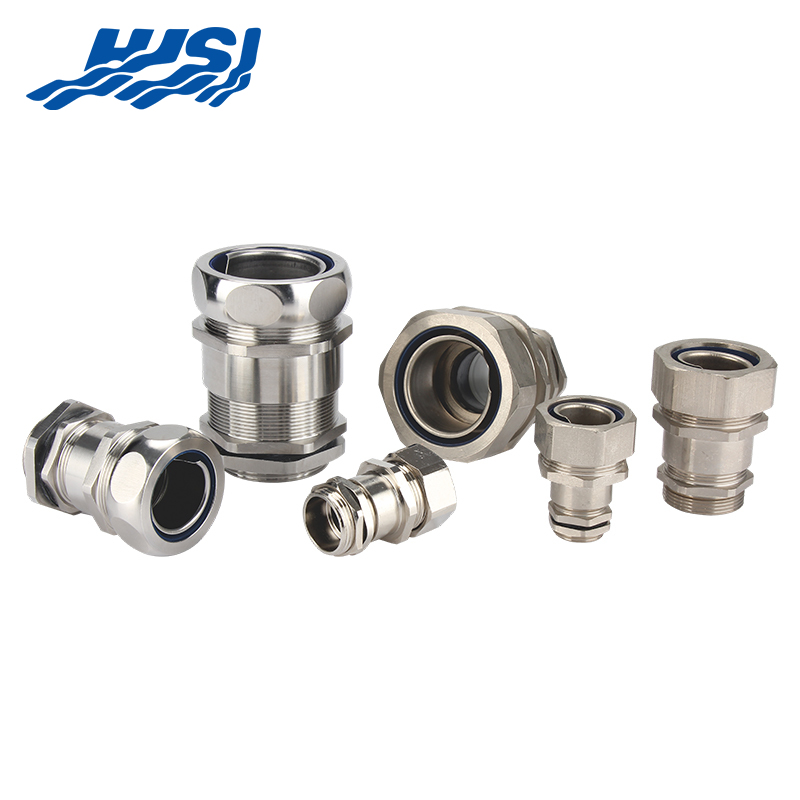
Every electronic device relies on invisible connections to function properly. Electronic cable connectors are those critical links, transferring power and data between components or to external accessories. They appear in everything from kitchen appliances to hospital equipment, quietly ensuring signals flow without interruption. As technology pushes for smaller, faster, and more versatile products, connectors have to adapt, incorporating new designs that save space and add useful features.
The trend toward smaller devices has made miniaturization a priority for connectors. Smartphones, wireless headphones, and compact cameras leave little room inside, so connectors shrink to match. Designers refine the shape of contacts and casings to reduce footprint while keeping reliable performance for charging or syncing. This allows products to remain slim and portable, ideal for items people carry daily or wear for hours.
Building tiny connectors means paying close attention to details. Contacts must make solid touch points to prevent dropouts, and the surrounding materials need to insulate effectively in cramped quarters. Frequent plugging can wear parts, so durable coatings or reinforced structures help them last. Some include alignment aids or protective flaps to block dust in everyday use. The end result is devices that look clean and modern, with ports that blend into the design.
When devices pack in more capabilities, connectors often handle several roles at once. High-density versions arrange contacts tightly, sometimes in multiple rows, to support extra signals in the same space. This lets one port manage power delivery, high-speed data, audio output, and more. It's especially helpful in laptops, gaming consoles, and car infotainment systems, where boards are full but need broad connectivity.
Tight spacing can lead to signal crossover, so built-in barriers or grounding layers keep lines separate. In networking devices or professional audio gear, this maintains clarity during heavy use. Automotive applications bundle links for displays, cameras, and controls, keeping cables organized in confined areas.
Some connectors now include basic monitoring abilities. Tiny circuits inside can check for proper seating, measure resistance, or sense temperature changes. In sensitive setups like patient monitors or aircraft controls, this flags potential problems early. The connector becomes part of the device's self-check system, contributing to overall stability.
This added layer fits the move toward smarter electronics. Information from the connector can inform the main processor, adjusting settings or logging events. In portable tools, it helps manage energy flow to preserve battery life during varying loads.
| Feature | Benefit |
|---|---|
| Smart Layer in Connectors | Fits trend to smarter electronics; informs processor for settings/events |
| Information Sharing | Adjusts settings, logs events; manages energy in portable tools |
| Energy Management | Preserves battery life during varying loads |
Connectors serve varied environments. Home gadgets use them for simple tasks like linking speakers or external drives. Factory floors need versions that shrug off dust, oil, or knocks from machinery. Vehicles incorporate them for navigation, sensors, and entertainment features.
Healthcare equipment requires precise, easy-to-clean connectors for diagnostic tools or wearable monitors. Communication infrastructure relies on them for reliable data flow in switches and routers. Each setting influences priorities—some emphasize speed for video, others toughness for outdoor conditions, or compactness for implants.
Creating connectors involves balancing competing factors. Reduced size can make insertion fiddly, so tactile feedback or shaped guides assist users. Dense layouts generate warmth, requiring ventilation or heat-conducting materials. Broad compatibility lets accessories work across different makers, improving flexibility for consumers.
Factories produce connectors with fine metalwork for contacts and molded plastics for bodies. Surface treatments enhance conductivity and resist tarnish. Rigorous checks simulate years of use, exposure to humidity, or mechanical stress to ensure consistency.
Ahead, connectors might pair more with contactless options for convenience, while cables stay vital for secure or high-energy transfers. Research explores conductive composites or flexible forms for new device shapes. Greener production uses reclaimed materials and streamlined processes.
| Future Trend | Description |
|---|---|
| Integration with Contactless | Pairing with wireless options for convenience; cables remain for secure/high-energy needs |
| Material Research | Conductive composites and flexible forms for new device shapes |
| Sustainable Production | Use of reclaimed materials and streamlined processes |
People interact with connectors constantly but notice them mainly when issues arise—a stiff plug or intermittent charge. Careful insertion and periodic cleaning extend their usefulness. Devices with well-made ports tend to hold up better over time.
Electronic cable connectors are vital components that enable reliable power and data transfer in a wide array of modern devices, and HJSI stands out as a dedicated provider in this field. With a focus on innovative designs that emphasize miniaturization, high-density configurations, and intelligent features, HJSI delivers connectors suited to the demands of consumer electronics, industrial systems, telecommunications, automotive applications, and medical equipment.
The company's commitment to quality and adaptability ensures lasting performance, supporting the ongoing evolution of compact, efficient, and connected technology across various industries. By choosing HJSI, users gain access to connectors that contribute to device reliability and future-ready functionality.

2nd Floor, Building 2, No. 188, Punan 3rd Road, Economic Development Zone, Yueqing City, Wenzhou City, Zhejiang Province, China

Copyright @ Zhejiang HJSI Connector Co., Ltd. All rights reserved.

China Waterproof Breathable Valve Manufacturer
 +86-15858552966
+86-13356176555
+86-15858552966
+86-13356176555
 English
 русский
 عربى
عربى